
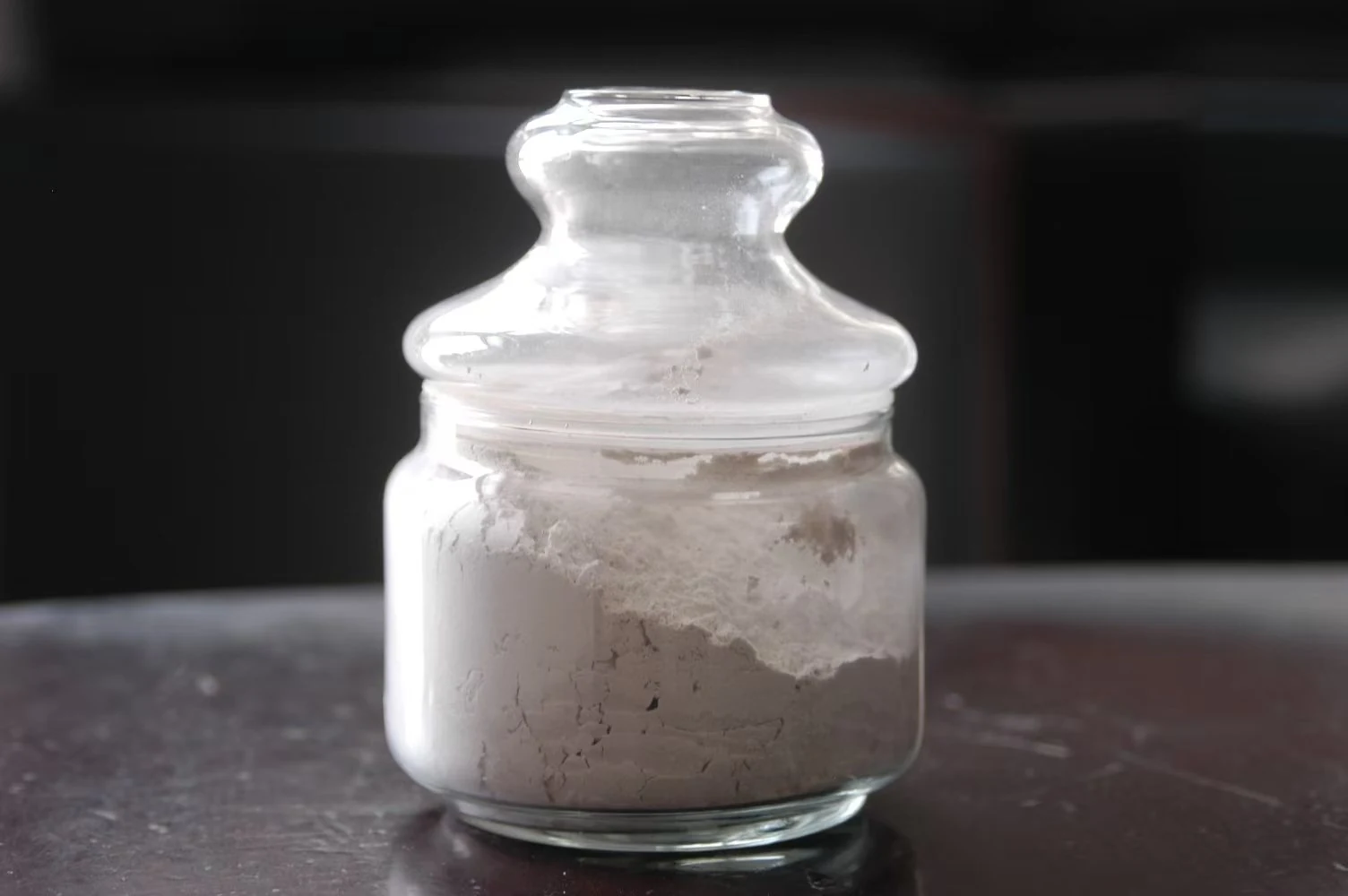
Nepheline Syenite Powder — Three Wet-Processed Grades
Our core product line, milled wet from a single deposit. Nepheline syenite brings more alumina and more alkali per tonne than feldspar and carries no free silica — which is why it fluxes harder, fires whiter and gives a wider firing window.
3 Grades in This Line
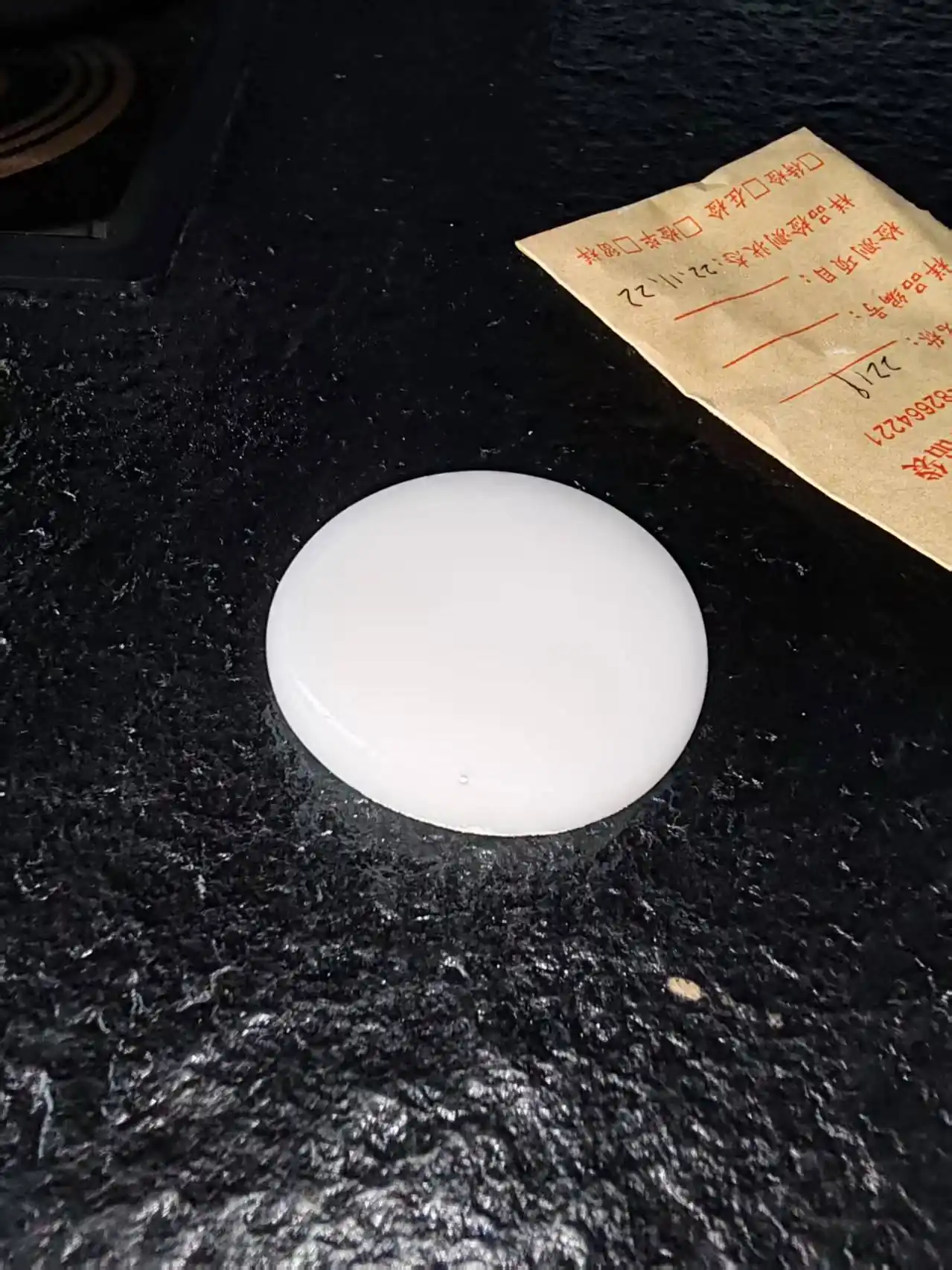 K200
K200Nepheline Powder K200 Ultra White
The lowest iron grade we produce, for bodies that have to fire white
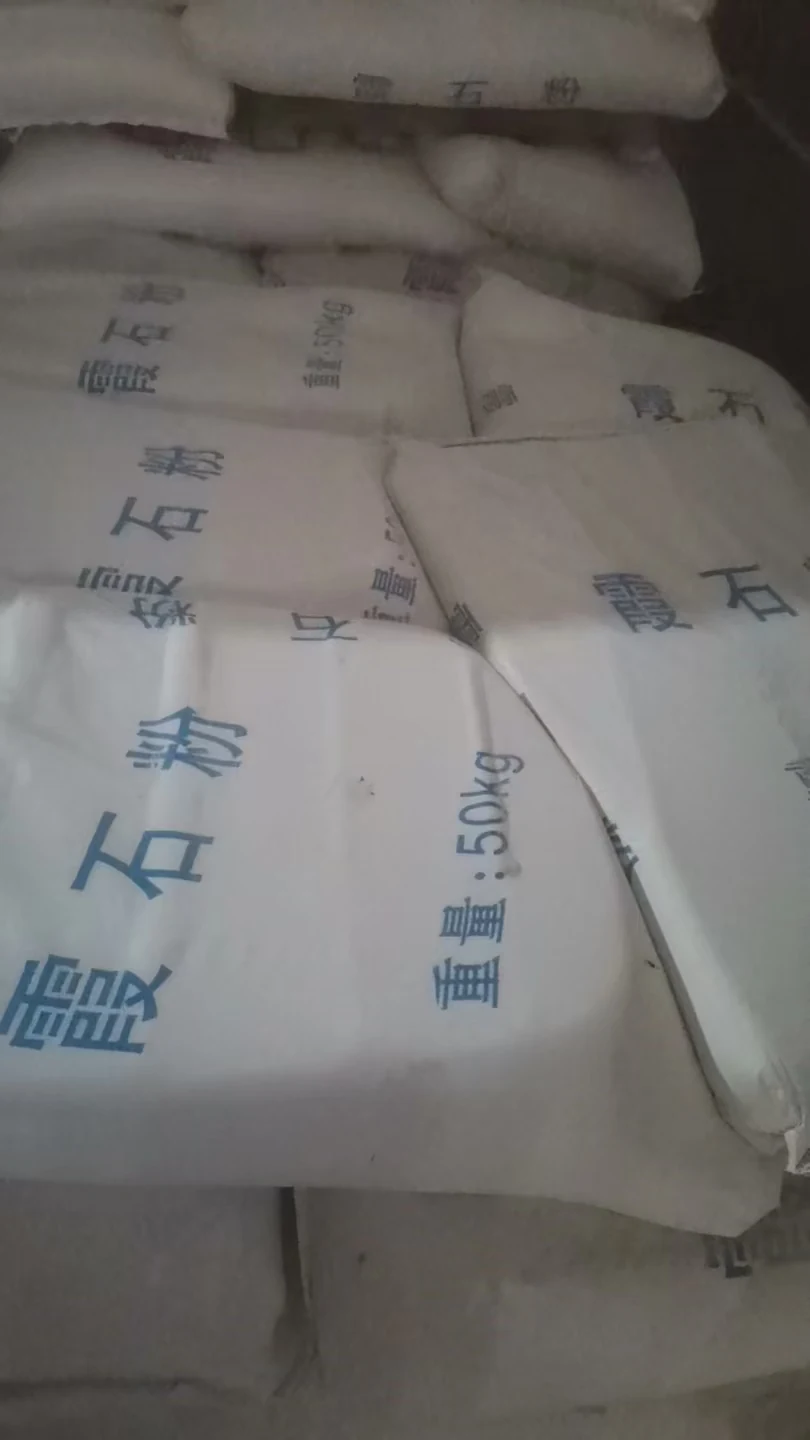 K100
K100Nepheline Powder K100 Standard
The volume grade — the same deposit, ground coarser, priced for tonnage
GP20Nepheline Powder GP20 High Expansion
A glaze-maker's nepheline — high calcium, highest total alkali in the range
What This Line Is For
Most whiteness and consistency problems in a ceramic body trace back to the flux. Iron in the flux tints the fired body, and chemistry that moves between deliveries moves your absorption and your reject rate with it.
Fired colour you can hold
Fe2O3 from 0.08% to 0.14% across the range, verified by XRF on every batch.
Lower peak temperature
12-16% total alkali typically drops vitrification 30-50 degrees C against feldspar.
Wider firing range
More tolerance between initial vitrification and deformation means fewer kiln rejects.
No free silica
Removes the quartz inversion stress and the respirable silica exposure that come with feldspar.
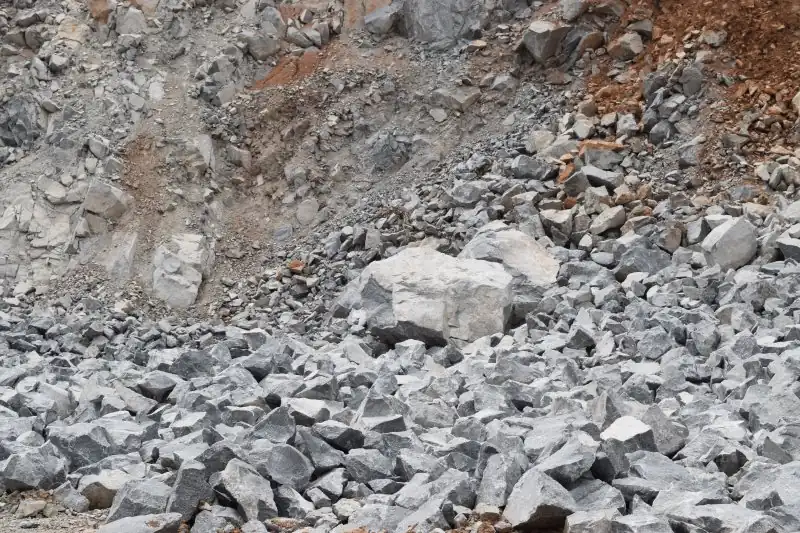
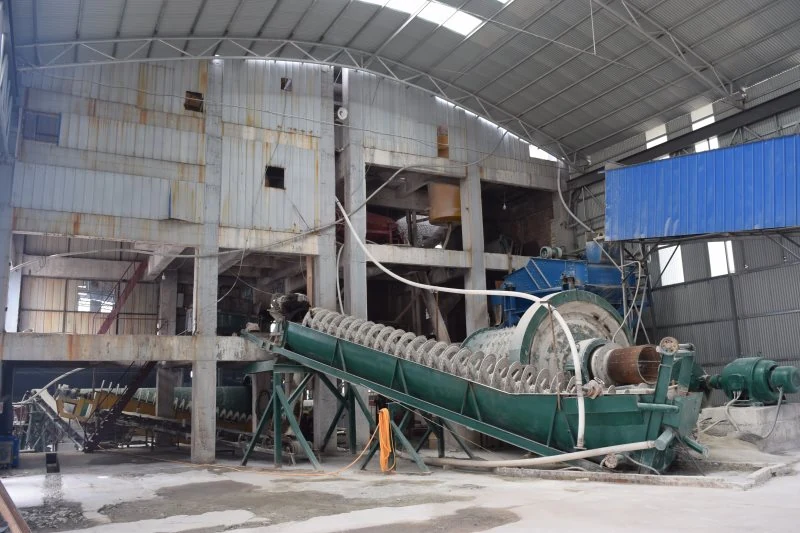
Typical Customers for Nepheline Powder
Porcelain and floor tile plants
Tableware and sanitary ware producers
Glaze, engobe and frit houses
Glass batch houses using nepheline as an alumina source
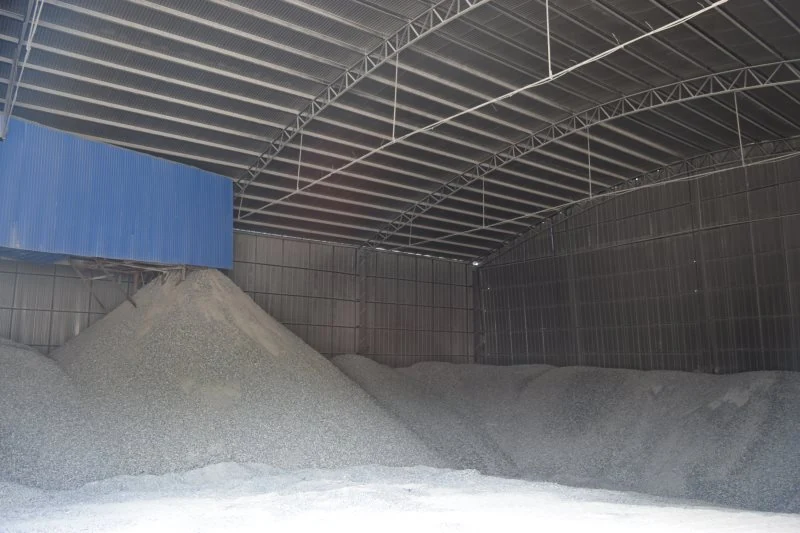
Where It Comes From
Where This Line Is Used
Ceramic Floor Tiles
Floor tiles have to reach water absorption below 3% — below 0.5% for porcelain grade — while carrying foot traffic and moisture fo...
Read the application guide →Porcelain Tiles and Large Slabs
Large slabs amplify every material inconsistency. A flux variation that is invisible in a 600 mm tile shows up as warping across 2...
Read the application guide →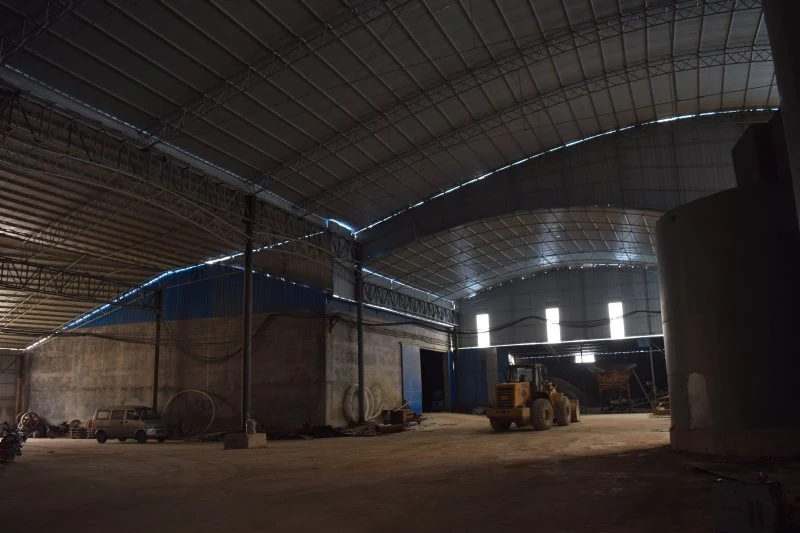
Sanitary Ware
Toilets and washbasins are complex three-dimensional shapes that must vitrify completely for hygiene and still hold dimensional ac...
Read the application guide →Articles About This Line
Annual Volume Discount Program
200t+ annual: 3-8% tiered pricing
Defect TroubleshootingBlack Specks in Ceramics: Iron Contamination from Raw Materials
Wet processing eliminates steel grinding contamination
Formulation and Technical GuidesHow to Calculate Flux Requirements for Your Ceramic Body
Step-by-step method for determining nepheline dosage
Country and Market GuidesNepheline & Feldspar Supplier for Egypt
Africa's largest producer, Alexandria
Country and Market GuidesNepheline & Feldspar Supplier for Italy
Sassuolo world benchmark
Country and Market GuidesNepheline & Feldspar Supplier for Pakistan
Growing sector, Karachi port
Questions About Nepheline Powder
What is nepheline syenite and why use it instead of feldspar?
It is a quartz-free igneous rock used as a flux in ceramics and glass. Against feldspar it carries more alumina (20-24% against 17-19%) and more total alkali (12-16% against 10-14%), melts earlier, gives a wider firing range and contains no free silica.
How low is the iron content?
K200 runs Fe2O3 at 0.08%, K100 at 0.12% and GP20 at 0.14%. Those levels come from multi-stage wet magnetic separation; dry-process plants working the same ore cannot reach them.
What is the minimum order quantity?
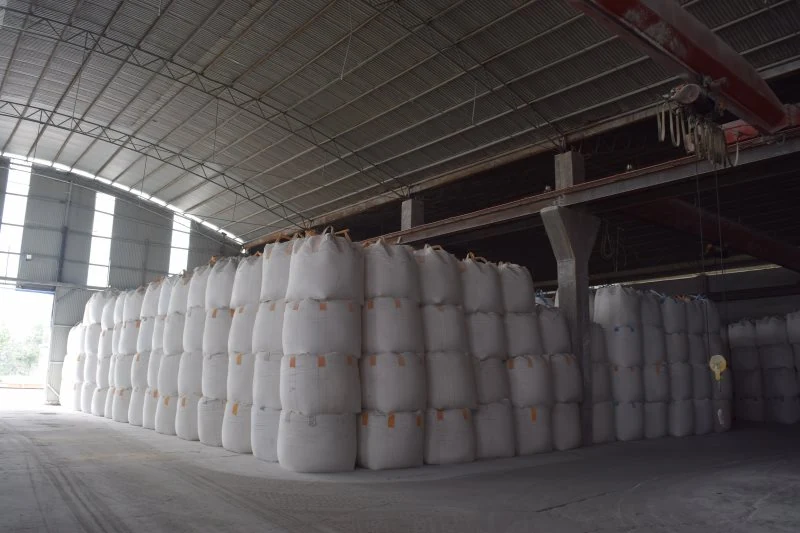
One 20ft container, which is about 24 tons — roughly 20 FIBC jumbo bags. Samples of 1-5 kg per grade are available before that for laboratory evaluation.
How is the material packed?
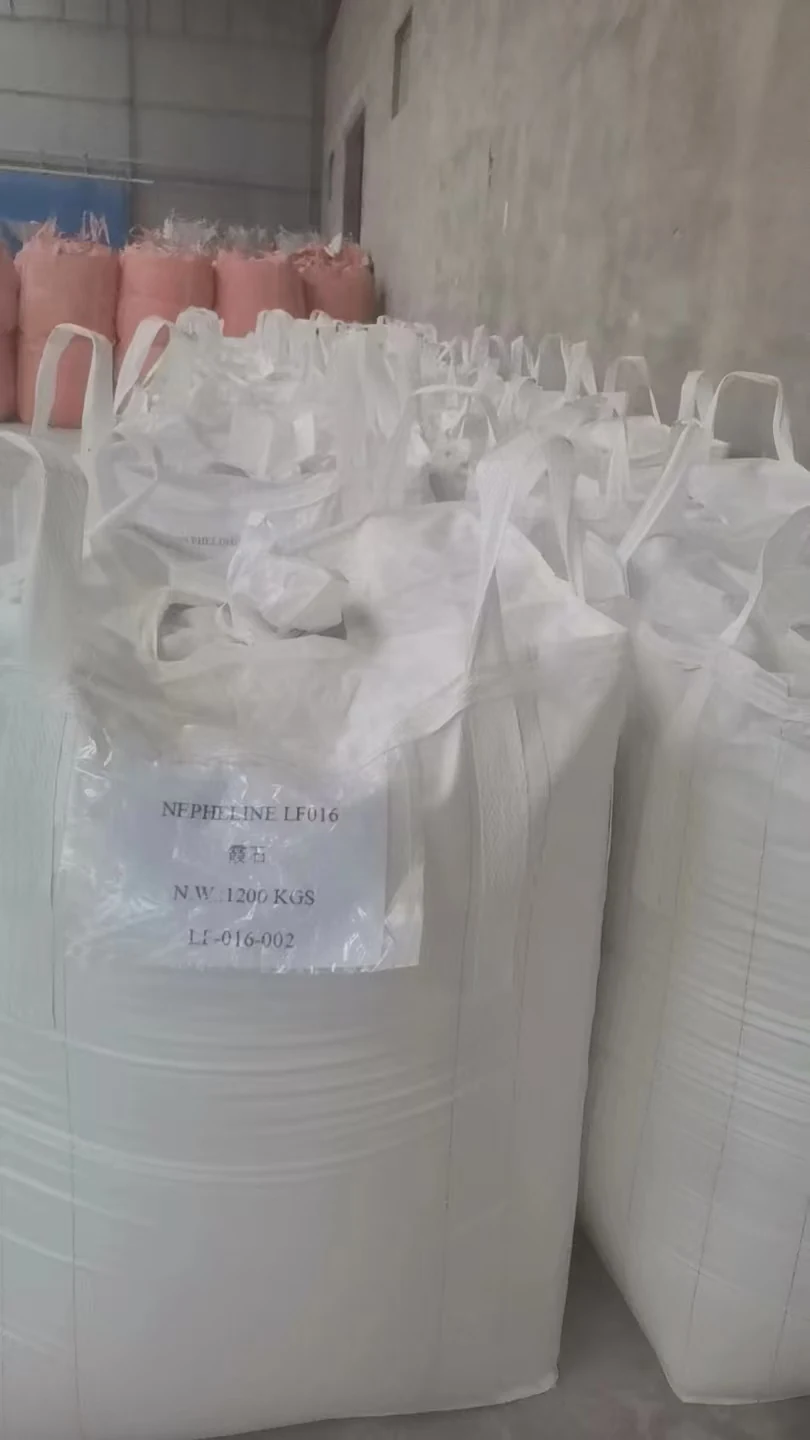
1200 kg FIBC jumbo bags as standard, or 50 kg PP woven bags. Bags carry product name, grade, batch number and weight. Custom packaging and private labelling are available.
Request a Sample of This Line
1-5 kg per grade by courier at our expense, with a Certificate of Analysis in the box.