
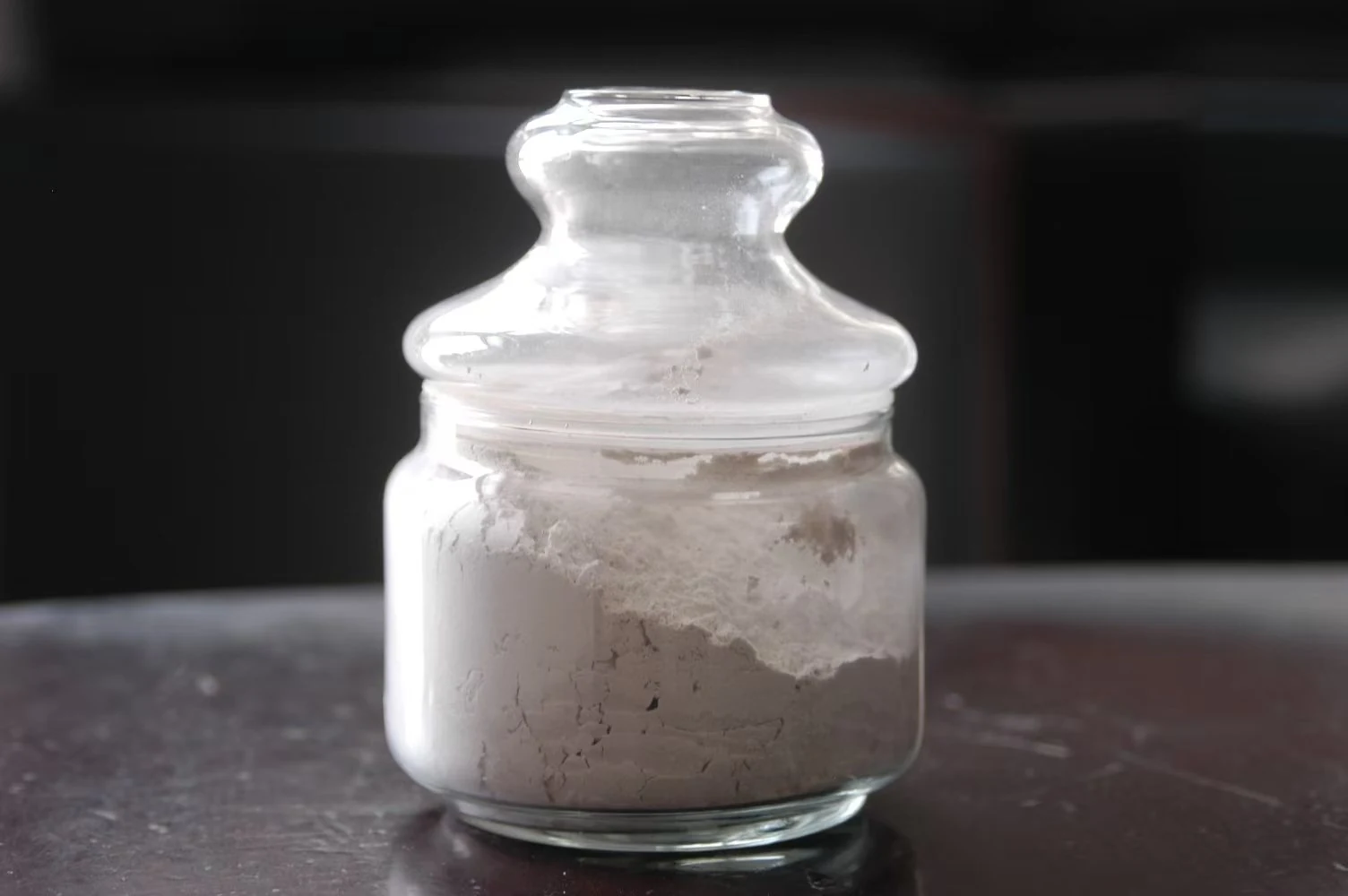
Nepheline Powder GP20 High Expansion
A glaze-maker's nepheline — high calcium, highest total alkali in the range
What GP20 Is
GP20 is the outlier in our nepheline range and the reason glaze departments call us. CaO sits at 5.34%, an order of magnitude above K100 and K200, and combined K2O and Na2O reach 15.63% — the highest total alkali we produce.
That calcium is what makes it a matte glaze material. During cooling it promotes controlled devitrification, growing the calcium-alumina-silicate crystals that give a smooth, even matte surface instead of a dry or patchy one.
For frit production the same chemistry is a convenience: GP20 supplies Al2O3, SiO2, K2O, Na2O and CaO from a single raw material, and the absence of free silica is worth having around a frit furnace.
Typical Chemistry and Processing
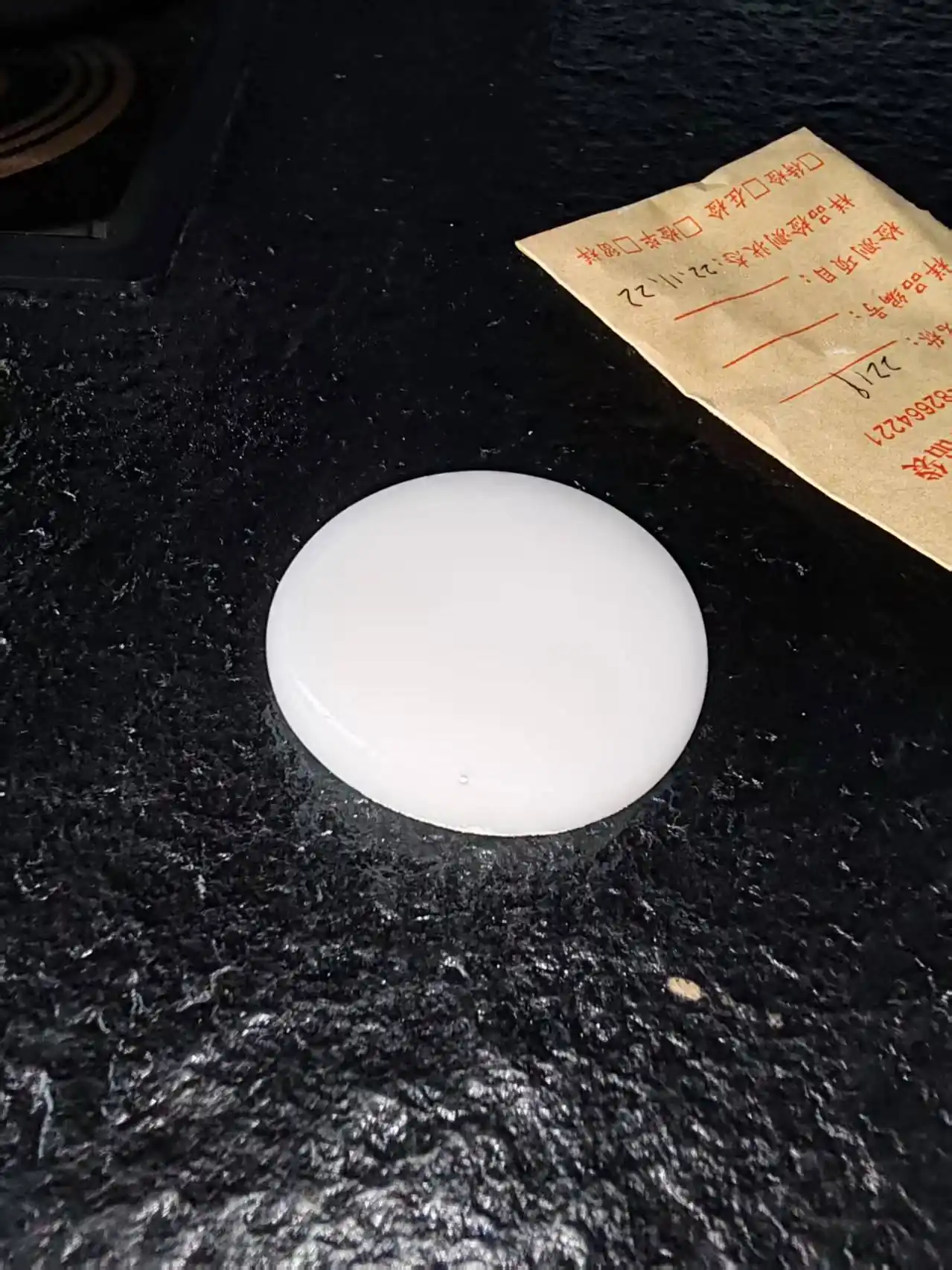
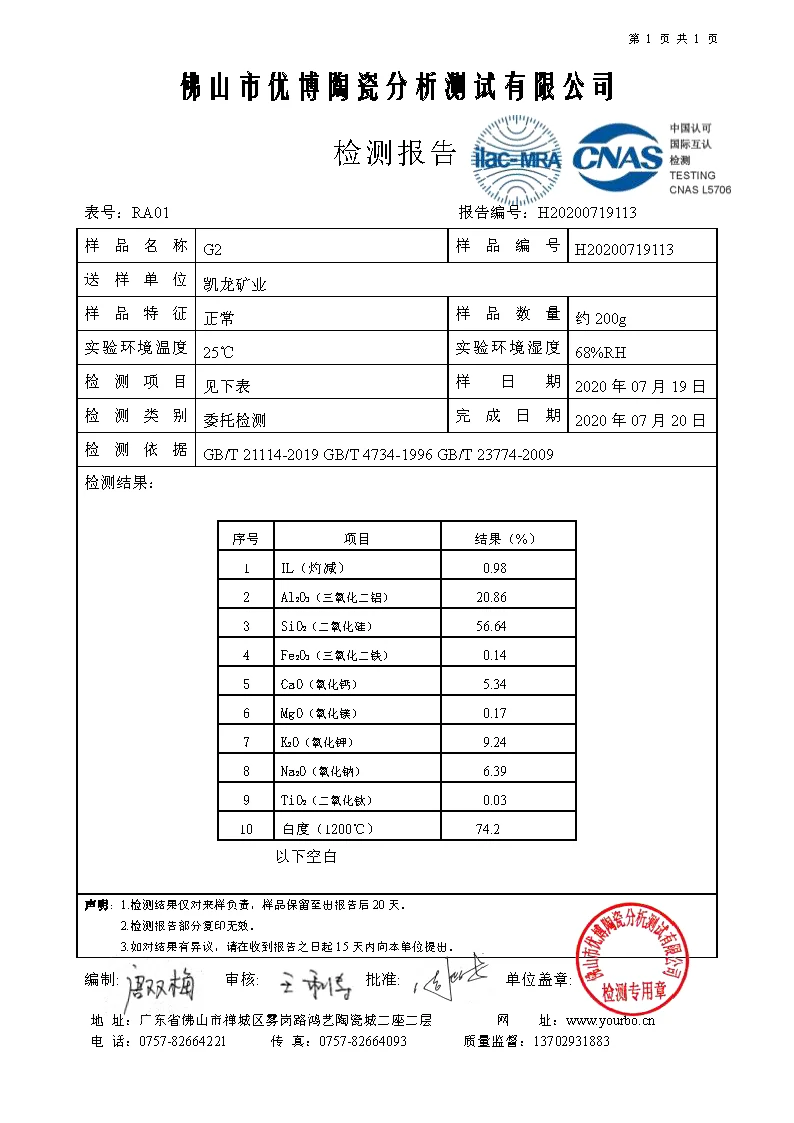
Values from our published specification. Every shipment carries a batch-specific Certificate of Analysis with the actual numbers.
| Property | Value |
|---|---|
| Fe2O3 | 0.14% |
| SiO2 | 56.64% |
| Al2O3 | 20.86% |
| K2O | 9.24% |
| Na2O | 6.39% |
| CaO | 5.34% |
| MgO | 0.17% |
| TiO2 | 0.03% |
| Total alkali | 15.63% K2O + Na2O |
| Process | Wet milling + magnetic separation |
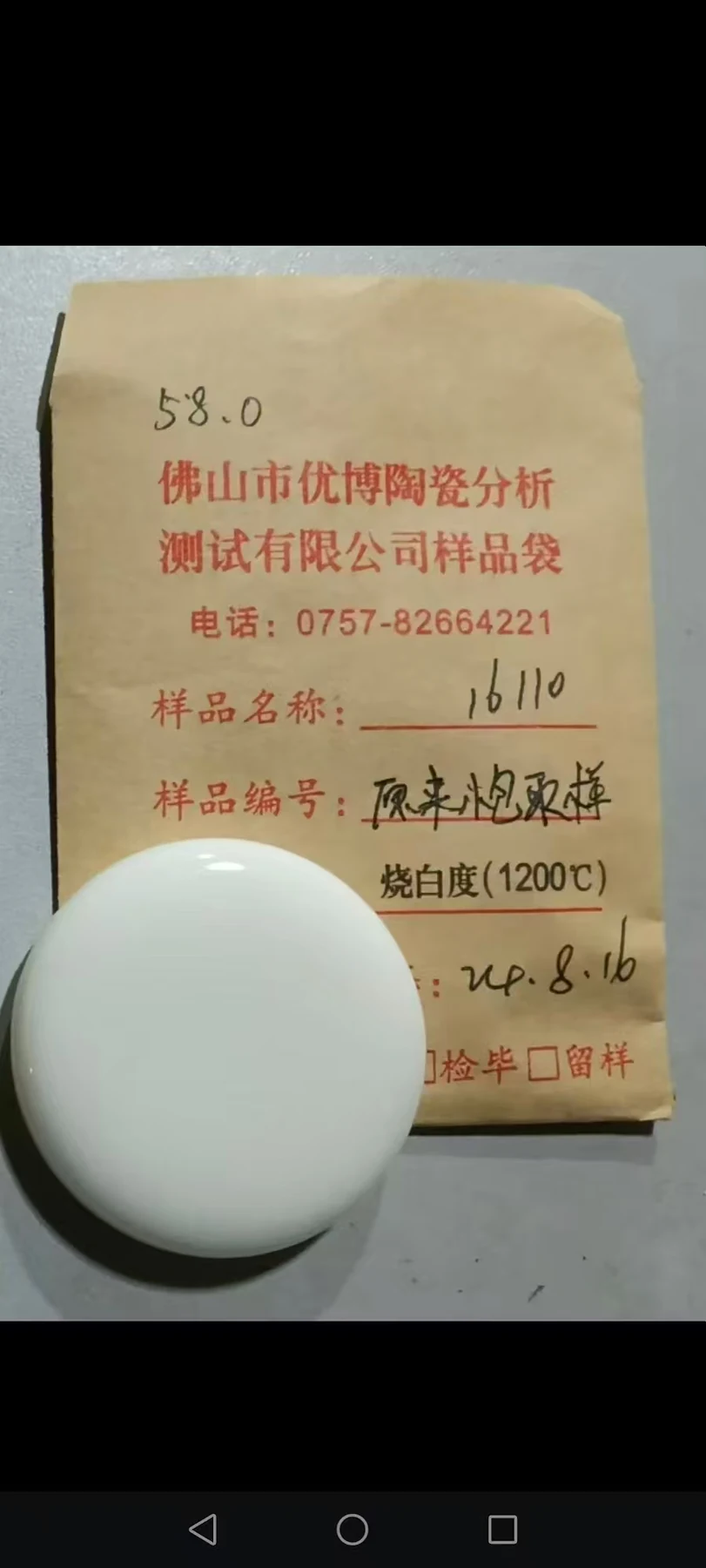
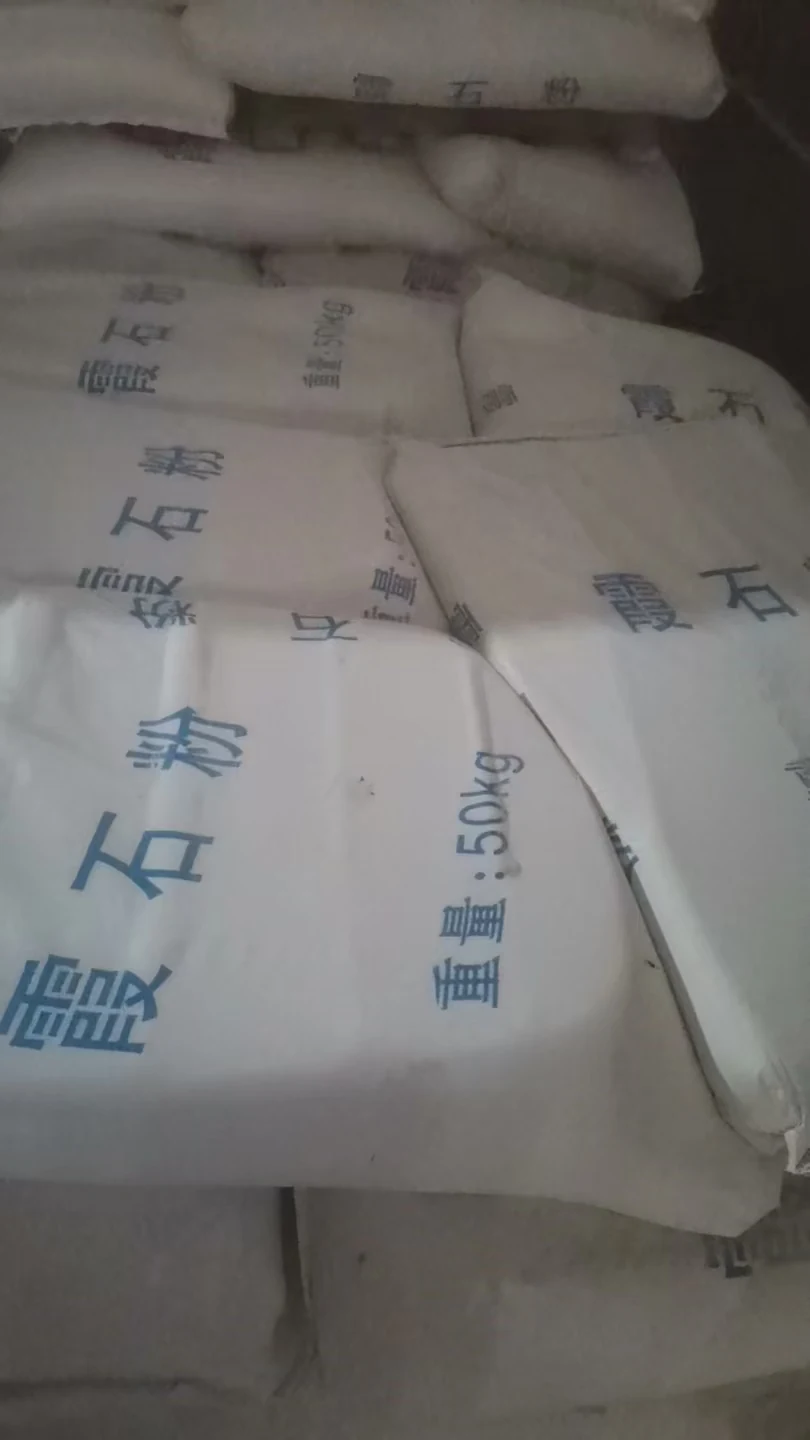
Analysis by XRF. Fired whiteness measured on pressed discs at 1200 degrees C. Independent verification available from Foshan Youbo Ceramic Analysis & Testing Co., Ltd..
What You Get From This Grade
Matte surfaces you can repeat
CaO 5.34% drives controlled crystallisation on cooling, so the matte comes from chemistry rather than from underfiring.
Five useful oxides from one raw material
Fewer batch components in frit production means fewer weighing errors and less handling.
Strongest flux in the range
15.63% total alkali does more melting work per kilogram than either feldspar or our other nepheline grades.
Clean colour
TiO2 at 0.03% and Fe2O3 at 0.14% keep the melt from picking up a yellow tint in transparent and polished glazes.
Why Customers Switch to GP20
Matte glaze comes out patchy or dry
Uncontrolled crystallisation is usually a calcium and alkali balance problem; GP20 was made for that balance.
Frit batch has too many components
One material covering five oxides removes weighing steps and a source of batch error.
Glaze and body expansion do not match
The high-expansion chemistry gives formulators a lever to move expansion without changing the whole recipe.
Typical Buyers
- Glaze houses formulating matte and satin surfaces
- Full-polished glaze (FPG) tile producers
- Frit manufacturers looking to consolidate batch components
- Art pottery and studio glaze suppliers
- Body formulators matching thermal expansion between body and glaze
Where It Is Used
- Matte glazes
- Full-polished glaze (FPG)
- Frit production
- Ceramic tile bodies
- Thermal expansion matching
- Art pottery glazes
How GP20 Is Made and Shipped
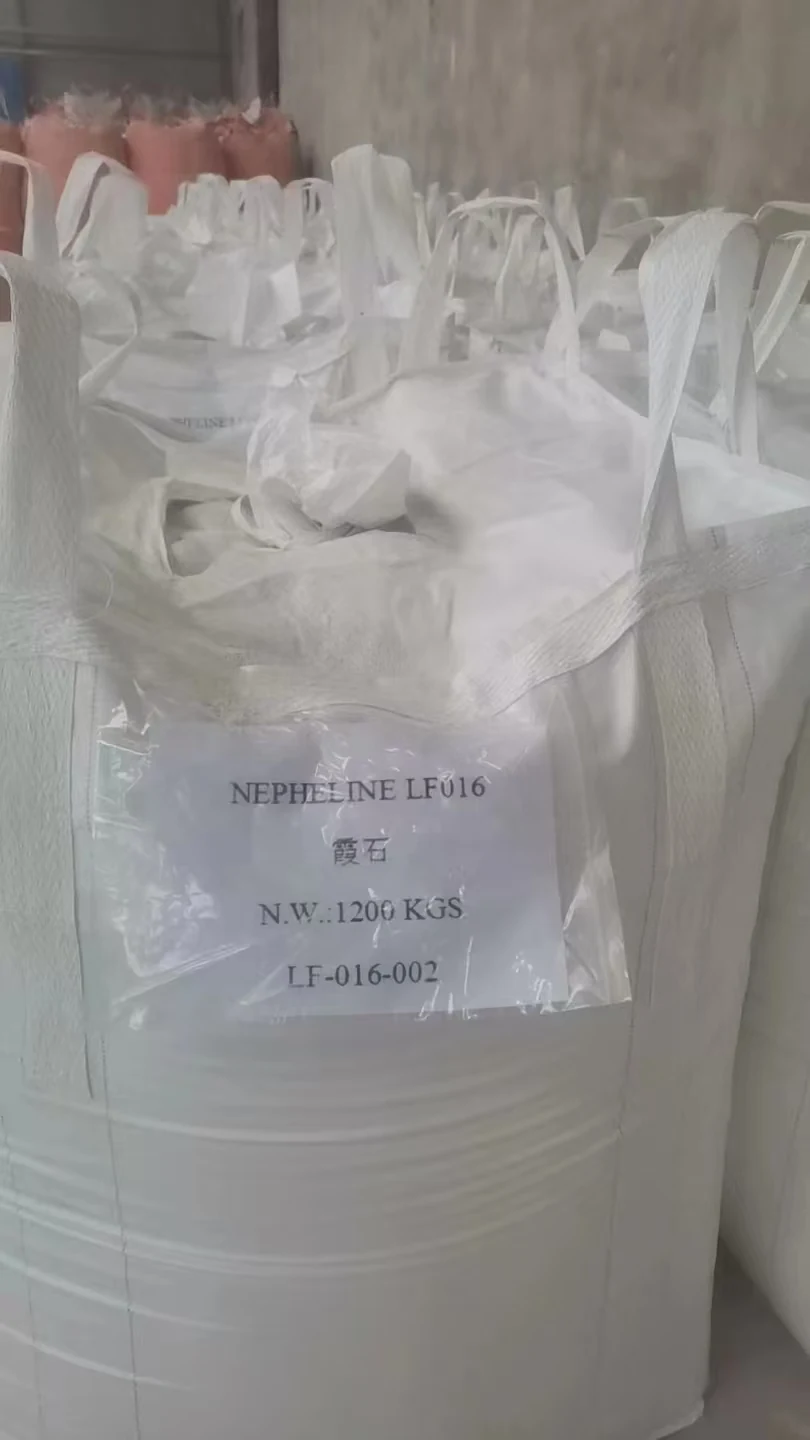
Packaging
1200 kg FIBC jumbo bags as standard, or 50 kg PP woven bags. Bags are labelled with product name, grade, batch number and weight. Private labelling available.
Loading
A 20ft container takes about 24 tons, roughly 20 jumbo bags. Loading photos on request and a numbered security seal on every container.
Against the Alternatives
Where K200 is about whiteness and K100 about cost, GP20 is about chemistry — nothing else in the range brings 5.34% CaO. Against a separate calcium source plus a feldspar, GP20 does both jobs in one addition.
How to Trial It
Ceramic technicians typically run GP20 at 15-25% of matte glaze formulation weight. Combine with zinc oxide where a stronger matte is wanted, and control cooling rate deliberately — the crystal growth that creates the matte happens on the way down, not at peak.
Other Grades in the Range
K200Nepheline Powder K200 Ultra White
The lowest iron grade we produce, for bodies that have to fire white
 K100
K100Nepheline Powder K100 Standard
The volume grade — the same deposit, ground coarser, priced for tonnage
 TX101
TX101Potassium Feldspar TX101 Ultra White
K-feldspar taken through an extra purification stage for whiteness-critical work
Articles That Mention GP20
Annual Volume Discount Program
200t+ annual: 3-8% tiered pricing
Country and Market GuidesNepheline & Feldspar Supplier for Egypt
Africa's largest producer, Alexandria
Application GuidesFeldspar & Nepheline for Art Pottery & Studio Ceramics
Studio ceramic bodies and experimental glazes
Country and Market GuidesNepheline & Feldspar Supplier for Brazil
Latin America's largest, Santos port
Country and Market GuidesNepheline & Feldspar Supplier for Thailand
Quality focus, Laem Chabang
Buyer and Procurement GuidesFirst Order Guide: Buying Nepheline from Ceramic Minerals
From sample request to container delivery
Questions About GP20
What is the typical chemistry of GP20?
Published typical values are Fe2O3 0.14%, SiO2 56.64%, Al2O3 20.86%, K2O 9.24%. Every shipment carries a batch-specific Certificate of Analysis with the actual measured numbers.
Can I get samples before ordering?
Yes. We ship 1-5 kg of each grade by DHL or FedEx at our expense. Samples reach most international destinations in 5-7 days and each one includes a Certificate of Analysis.
What is the minimum order quantity?
One 20ft container, which is about 24 tons — roughly 20 FIBC jumbo bags. Samples of 1-5 kg per grade are available before that for laboratory evaluation.
What is the lead time?
Production runs 7-14 days from order confirmation. Standard grades are normally held in stock, so container loading often starts within 3-5 working days.
Test GP20 in Your Own Laboratory
We ship 1-5 kg by courier at our expense, with the Certificate of Analysis, so you can compare our numbers against yours.