
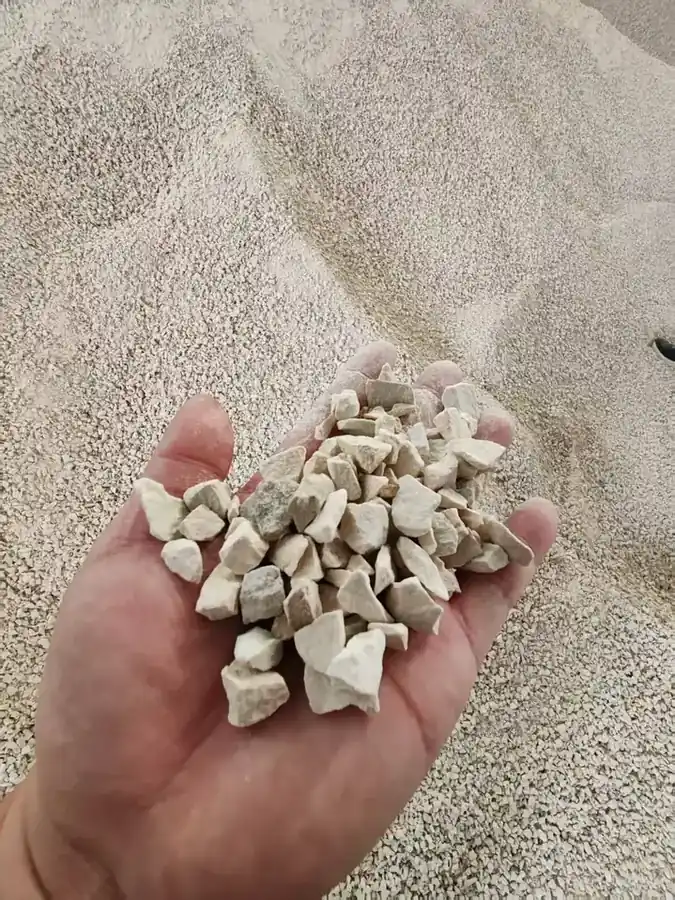
Potassium Feldspar SY101 High K+Na
Flotation feldspar for bodies that have to hold their shape
What SY101 Is
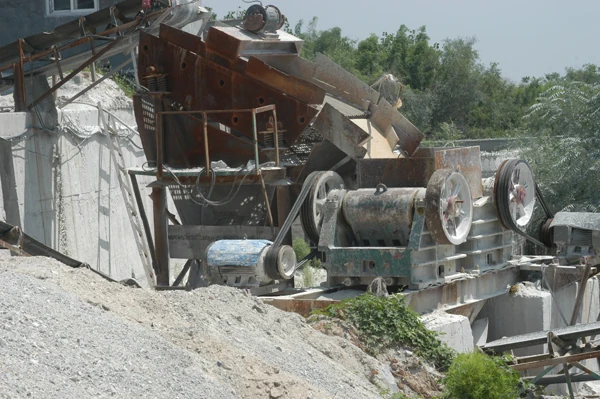
SY101 is produced by flotation beneficiation rather than simple crush-and-grind. Flotation selectively separates feldspar from the gangue minerals, which is why the concentrate carries noticeably higher alkali than a milled run-of-mine feldspar.
The practical difference shows up at peak temperature. Potassium feldspar produces a more viscous melt than sodium feldspar, and that viscosity is what stops a complex shape from slumping — the reason sanitary ware and electrical porcelain plants ask for K-feldspar by name.
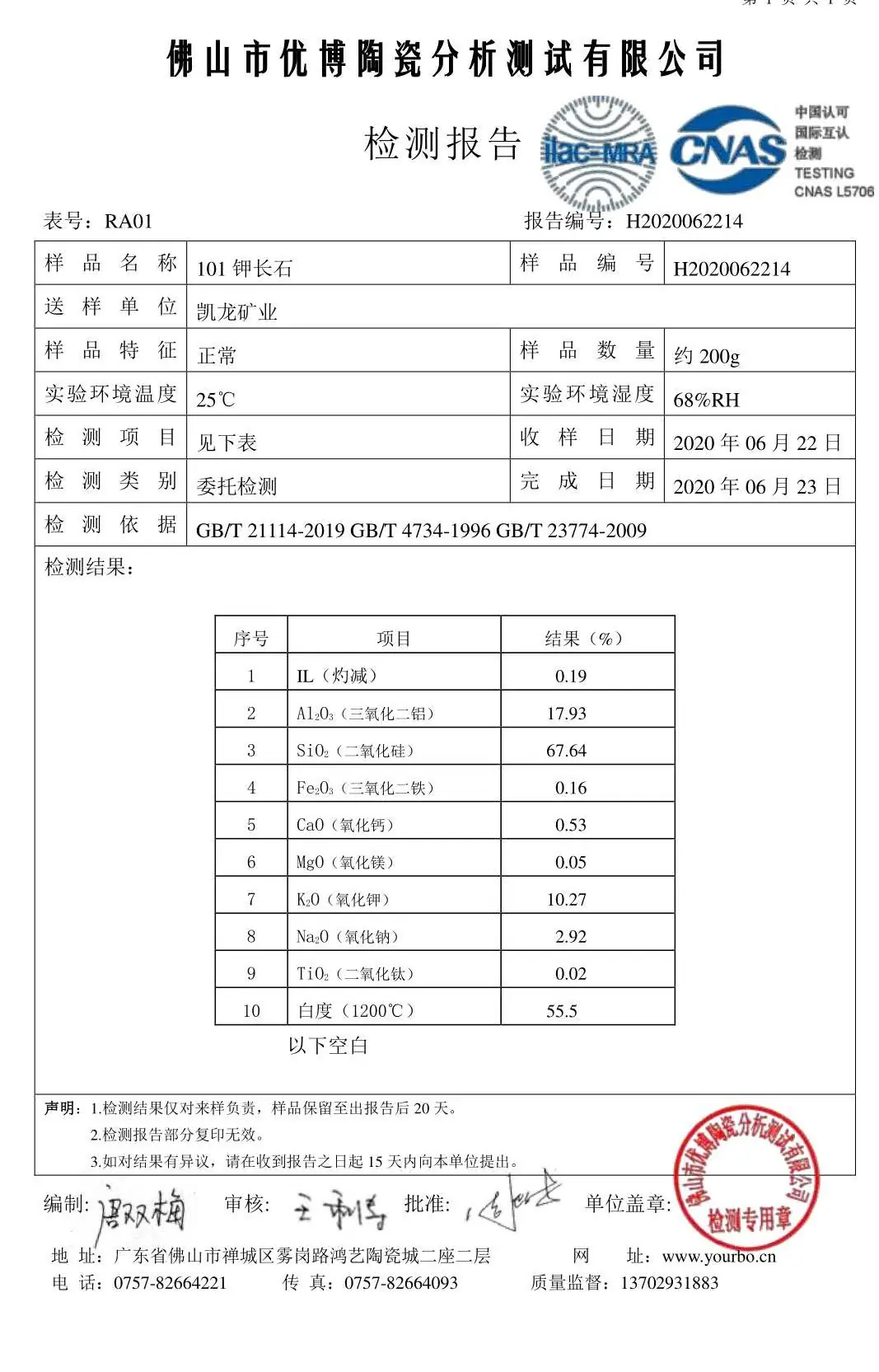
Batch chemistry is issued on the Certificate of Analysis with each shipment rather than published as a single headline figure, because flotation concentrate moves within a band and we would rather send you the actual numbers.
Typical Chemistry and Processing
Values from our published specification. Every shipment carries a batch-specific Certificate of Analysis with the actual numbers.
| Property | Value |
|---|---|
| Type | High K+Na potassium feldspar |
| Process | Flotation beneficiation |
| K2O | High — batch value on COA |
| Na2O | High — batch value on COA |
| Origin | Henan, China |
| Consistency | Stable, single beneficiation route |
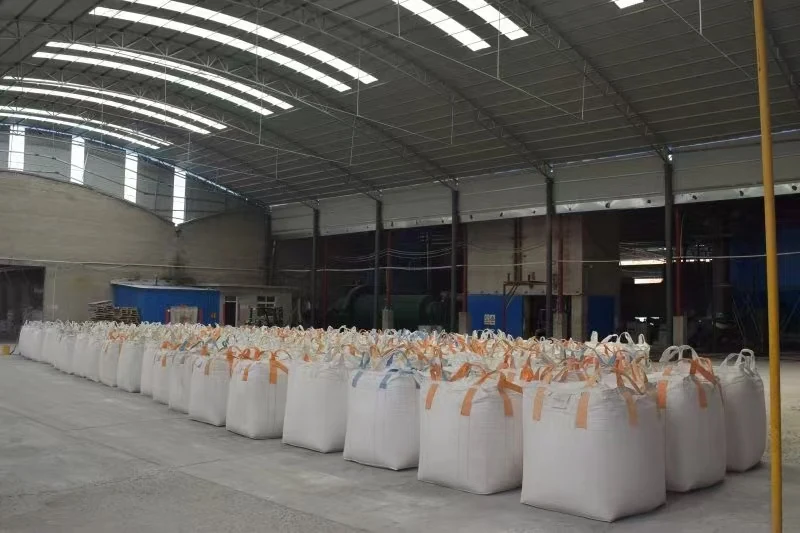
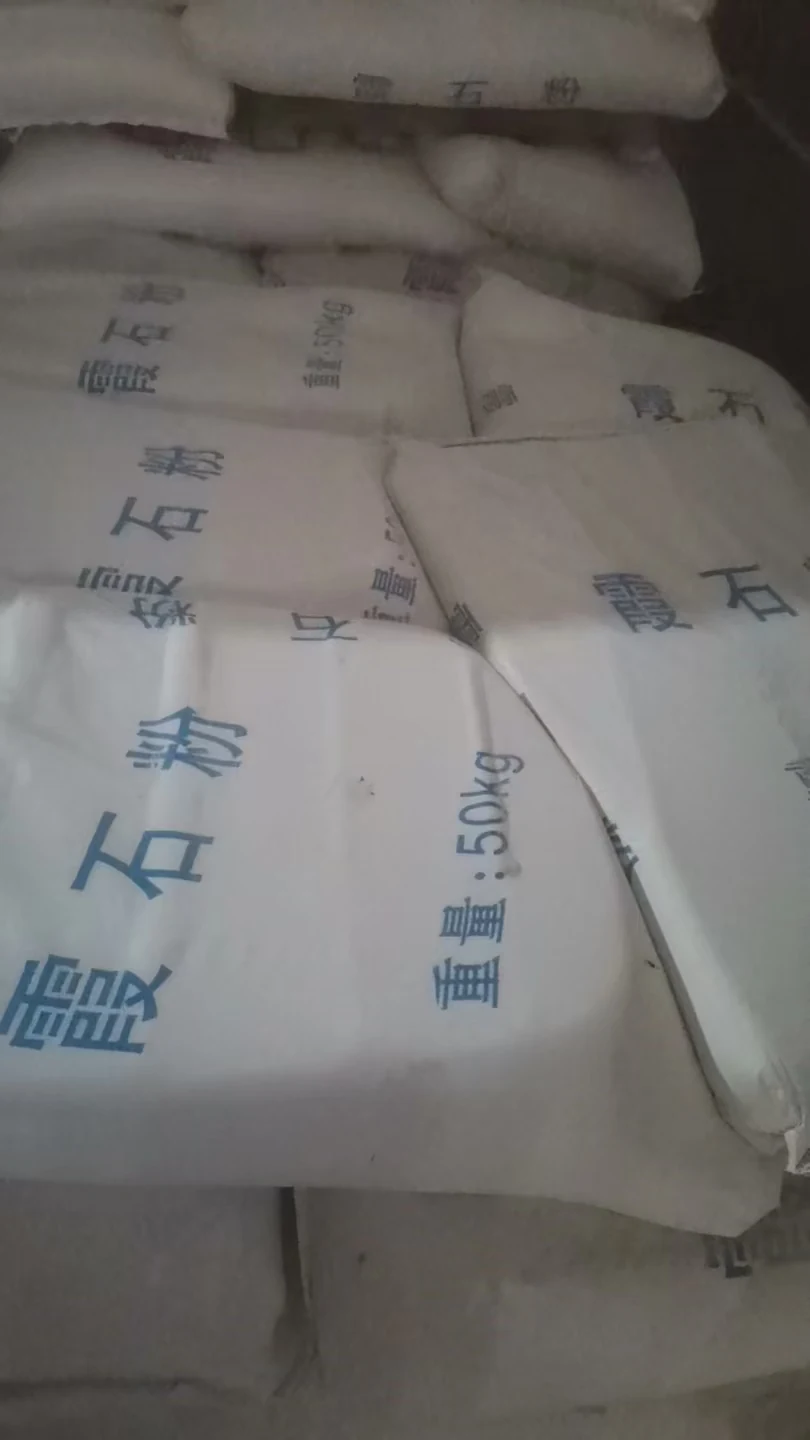
| Packaging | 1200 kg FIBC or 50 kg PP woven bags |
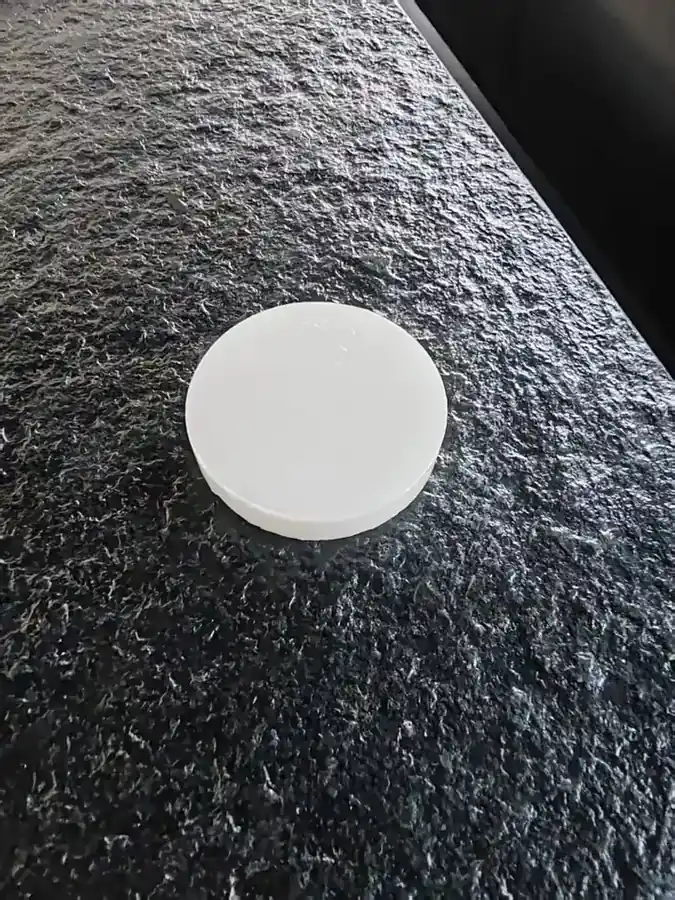
Analysis by XRF. Fired whiteness measured on pressed discs at 1200 degrees C. Independent verification available from Foshan Youbo Ceramic Analysis & Testing Co., Ltd..
What You Get From This Grade
Melt viscosity that holds geometry
A K-feldspar melt resists flow at peak, so rims, traps and thin sections keep their dimensions through firing.
Higher alkali than milled feldspar
Flotation removes gangue instead of just grinding it finer, so more of each tonne is doing flux work.
One beneficiation route, one specification
The same plant and the same process every batch, rather than blended purchases from several pits.
Documented on arrival
XRF chemistry on the COA, with third-party verification available for export shipments.
Why Customers Switch to SY101
Complex shapes deform at peak temperature
Swapping part of the sodium flux for a potassium feldspar raises melt viscosity and shape retention.
Feldspar chemistry moves between shipments
Flotation concentrate from one plant is a narrower target than ore blended from several sources.
No paperwork to hand to your own QC
Every shipment carries a COA; independent lab verification is available where the buyer requires it.
Typical Buyers
- Sanitary ware plants firing complex 3D shapes
- Electrical porcelain and insulator producers
- Glass batch houses needing a potassium source
- Enamel and abrasive manufacturers
- Tile bodies where a viscous melt is preferred to a fluid one
Where It Is Used
- Ceramic tile bodies
- Sanitary ware
- Electrical porcelain
- Glass manufacturing
- Enamel coatings
- Abrasive products
How SY101 Is Made and Shipped
Packaging
1200 kg FIBC jumbo bags as standard, or 50 kg PP woven bags. Bags are labelled with product name, grade, batch number and weight. Private labelling available.
Loading
A 20ft container takes about 24 tons, roughly 20 jumbo bags. Loading photos on request and a numbered security seal on every container.
Against the Alternatives
Against sodium feldspar, SY101 melts higher and stays more viscous — worse if you want maximum fluxing at low temperature, better if you want shape retention. Against nepheline syenite it brings less total alkali and less alumina per tonne, but a stiffer melt.
How to Trial It
Ask for the current COA before you fix a formulation, and request a 1-5 kg sample for your own XRF and firing trial. Where a body needs both whiteness and shape stability, plants commonly run K200 for the body and SY101 for the viscosity contribution.
Other Grades in the Range
TX101Potassium Feldspar TX101 Ultra White
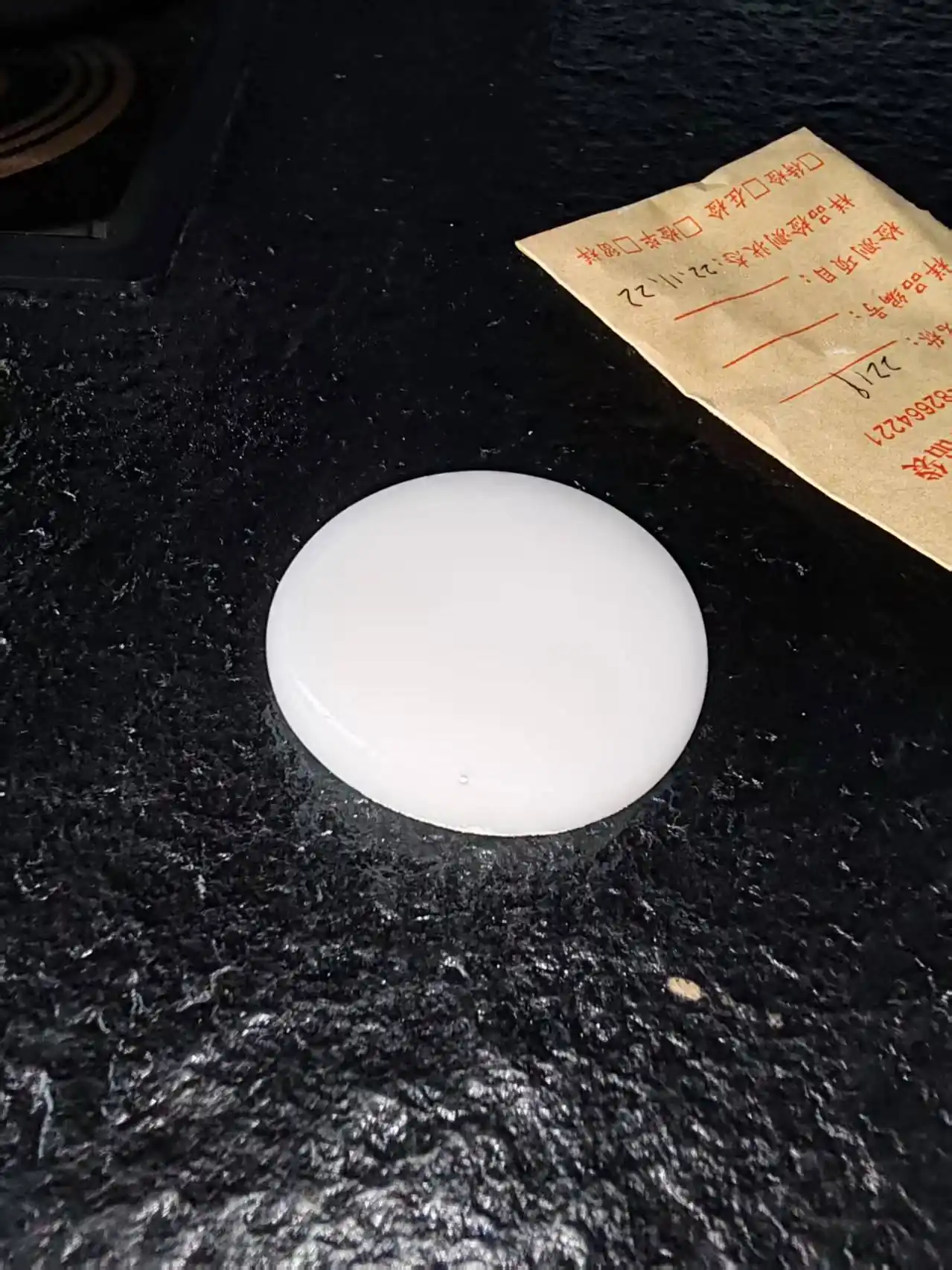
K-feldspar taken through an extra purification stage for whiteness-critical work
 K200
K200Nepheline Powder K200 Ultra White
The lowest iron grade we produce, for bodies that have to fire white
 K100
K100Nepheline Powder K100 Standard
The volume grade — the same deposit, ground coarser, priced for tonnage
Articles That Mention SY101
Ceramic Crazing: How Flux Selection Prevents Glaze Cracking
Fix with nepheline in body + K-feldspar in glaze
Country and Market GuidesNepheline & Feldspar Supplier for Pakistan
Growing sector, Karachi port
Defect TroubleshootingShape Deformation in Sanitary Ware: Controlling Melt Viscosity with Flux
SY101 high-viscosity melt prevents slumping
Country and Market GuidesNepheline & Feldspar Supplier for Algeria
Expanding capacity, Algiers
Application GuidesFeldspar for Electrical Porcelain Insulators
K-feldspar high viscosity for shape retention
Formulation and Technical GuidesFeldspar for High Temperature Porcelain (1280-1400C)
K-feldspar for 1280-1400°C traditional and technical ceramics
Questions About SY101
What is the typical chemistry of SY101?
Published typical values are Type High K+Na potassium feldspar, Process Flotation beneficiation, K2O High — batch value on COA, Na2O High — batch value on COA. Every shipment carries a batch-specific Certificate of Analysis with the actual measured numbers.
Can I get samples before ordering?
Yes. We ship 1-5 kg of each grade by DHL or FedEx at our expense. Samples reach most international destinations in 5-7 days and each one includes a Certificate of Analysis.
What is the minimum order quantity?
One 20ft container, which is about 24 tons — roughly 20 FIBC jumbo bags. Samples of 1-5 kg per grade are available before that for laboratory evaluation.
What is the lead time?
Production runs 7-14 days from order confirmation. Standard grades are normally held in stock, so container loading often starts within 3-5 working days.
Test SY101 in Your Own Laboratory
We ship 1-5 kg by courier at our expense, with the Certificate of Analysis, so you can compare our numbers against yours.