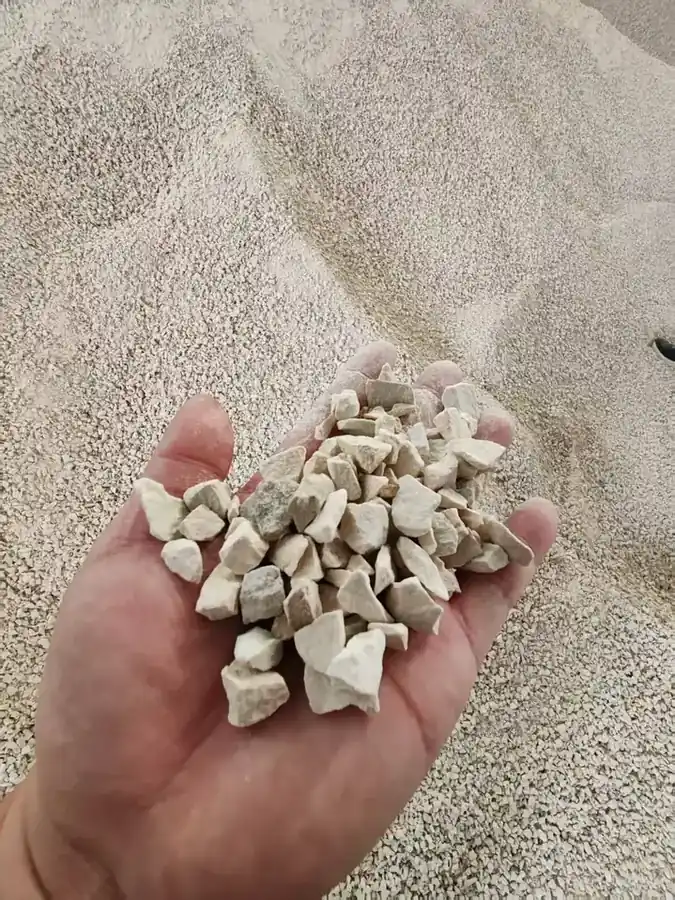
Mine-owned nepheline syenite and feldspar since 2007
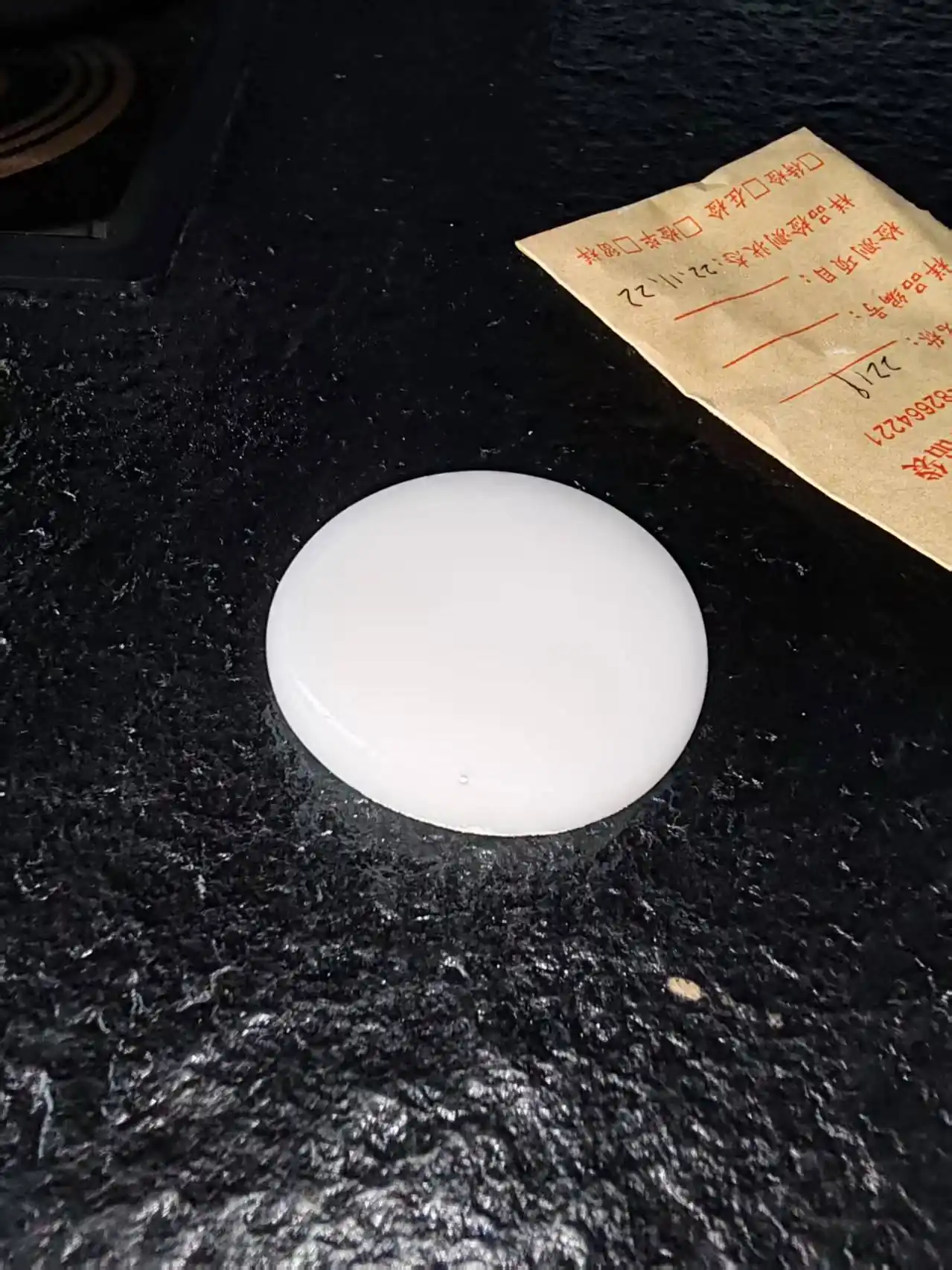
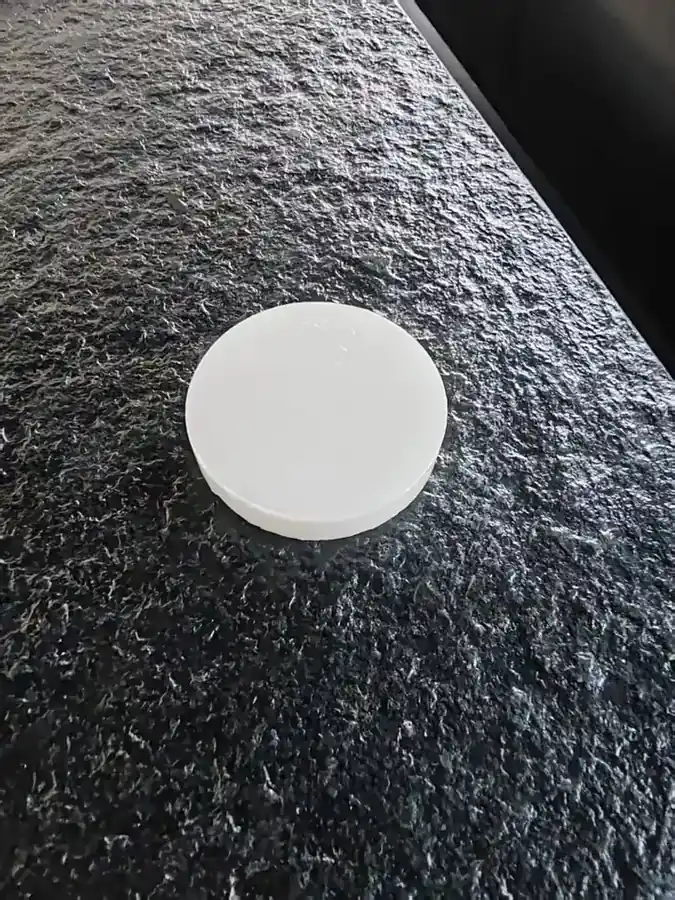
Fired whiteness disc pressed from potassium feldspar
Defect Troubleshooting

Shape Deformation in Sanitary Ware: Controlling Melt Viscosity with Flux

When toilets and washbasins distort during firing — use K-feldspar viscous melt to prevent shape slumping.

Sanitary ware products (toilets, washbasins, bidets) have complex 3D geometries that must maintain precise dimensional accuracy through firing at 1200-1280 degrees C.

Understanding This Defect

Shape deformation — slumping, warping, or distortion — occurs when the glass phase becomes too fluid at peak temperature, allowing gravity to pull the heavy body into an unintended shape. The flux material directly controls melt viscosity: Na2O-rich fluxes (like pure nepheline) produce more fluid melts, while K2O-rich fluxes (like K-feldspar) produce more viscous melts. For sanitary ware, the solution is to use K-feldspar (SY101) as the primary flux for its high-viscosity potassium glass phase, supplemented with moderate nepheline (K200, 10-15%) for additional alumina that further increases viscosity and for whiteness. A typical sanitary ware body: 25-30% ball clay, 15-20% kaolin, 10-15% nepheline K200, 10-15% K-feldspar SY101, 15-20% quartz. The dual-flux approach provides both vitrification (from nepheline) and shape stability (from K-feldspar)..

Solution & Prevention
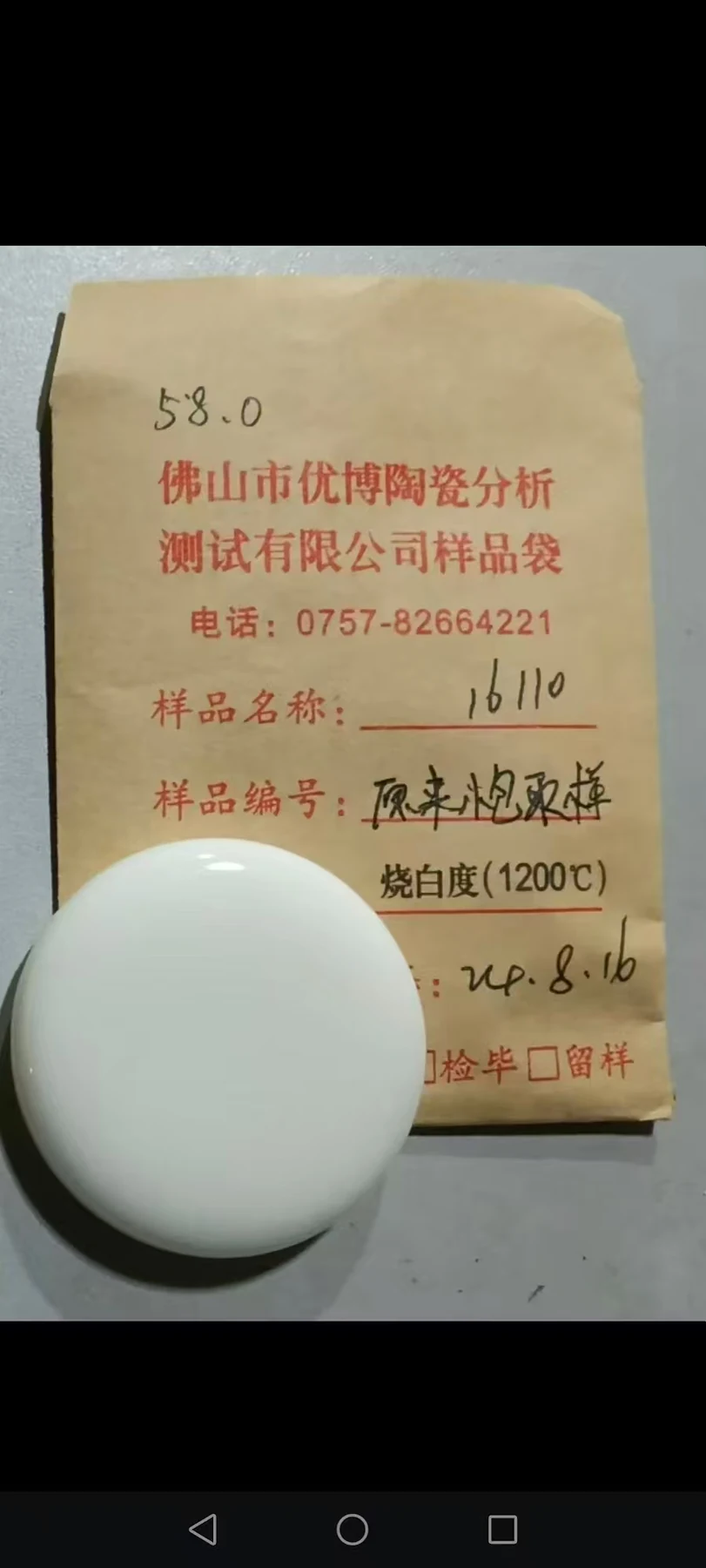
Fired test disc beside its laboratory test report
FAQ

Questions on This Topic

What does Shape Deformation in Sanitary Ware: Controlling Melt Viscosity with Flux cover?

Sanitary ware products (toilets, washbasins, bidets) have complex 3D geometries that must maintain precise dimensional accuracy through firing at 1200-1280 degrees C.

What are your payment terms?

Standard terms are T/T with a 30% deposit on pro-forma invoice confirmation and 70% against a copy of the Bill of Lading. Letter of credit is accepted for orders above USD 50,000.

What is the minimum order quantity?

One 20ft container, which is about 24 tons — roughly 20 FIBC jumbo bags. Samples of 1-5 kg per grade are available before that for laboratory evaluation.

Take It From Reading to Testing

Send your current specification and the problem you are chasing. Samples follow within a week.