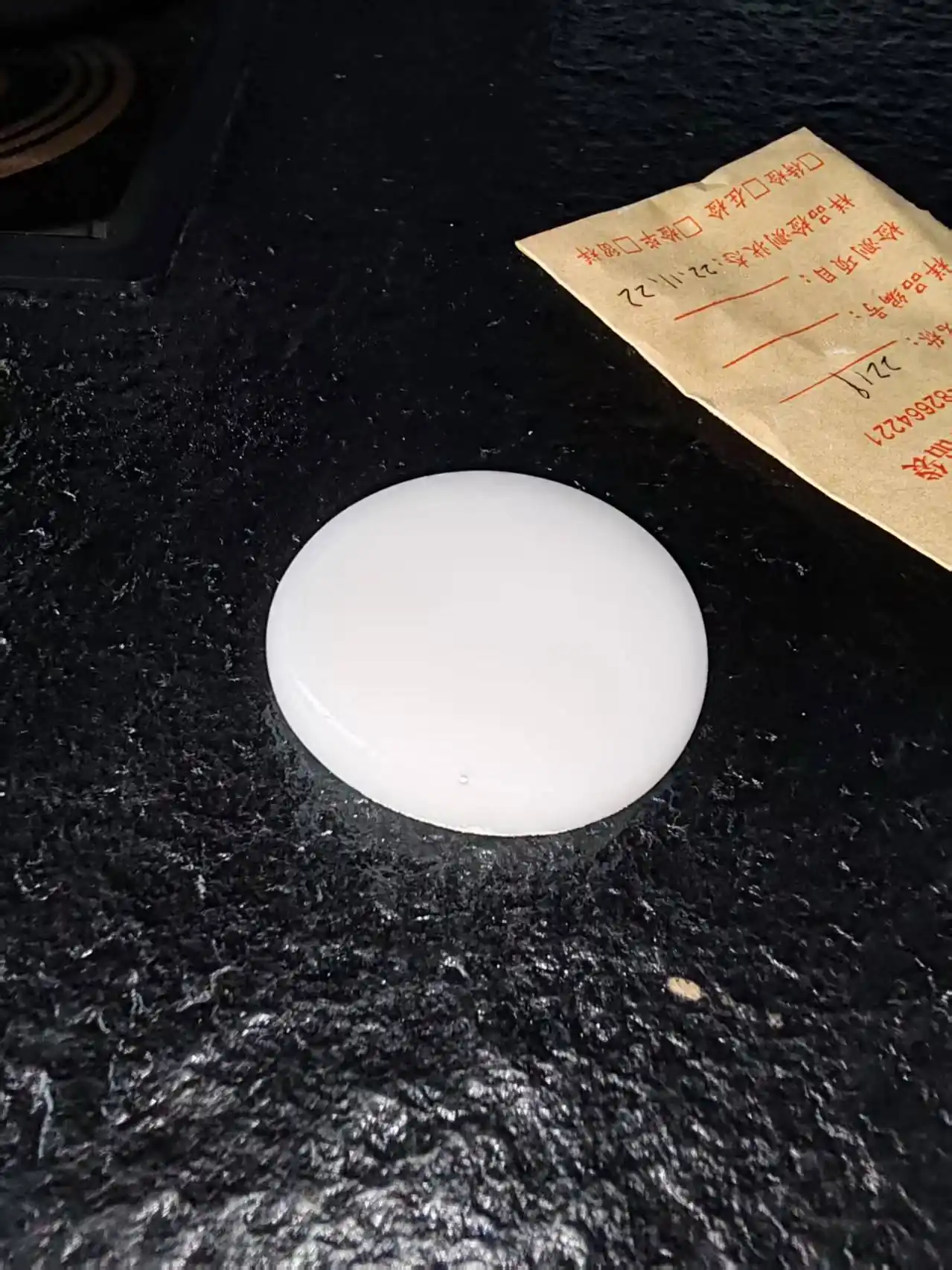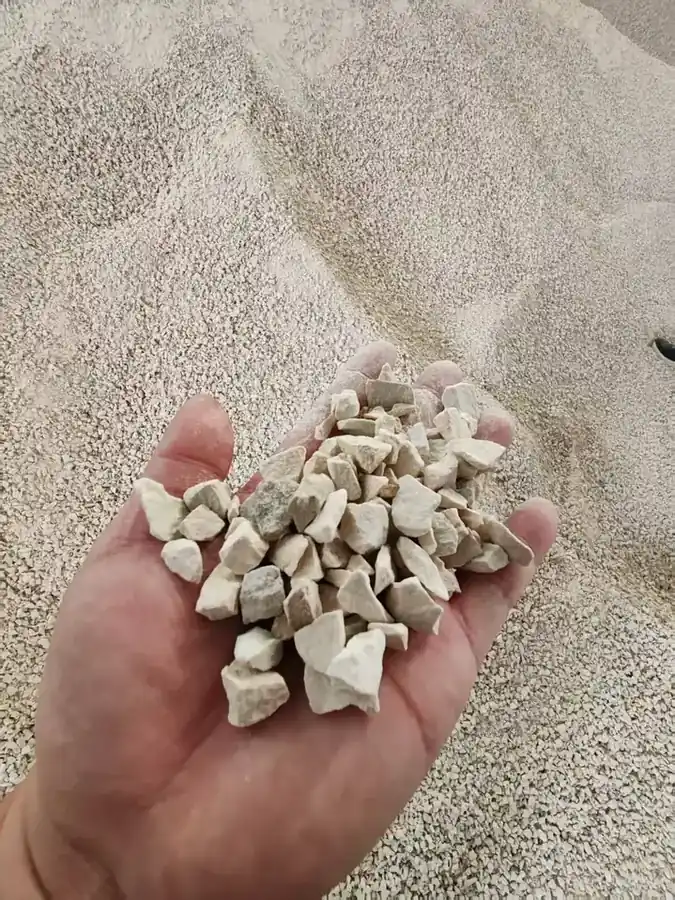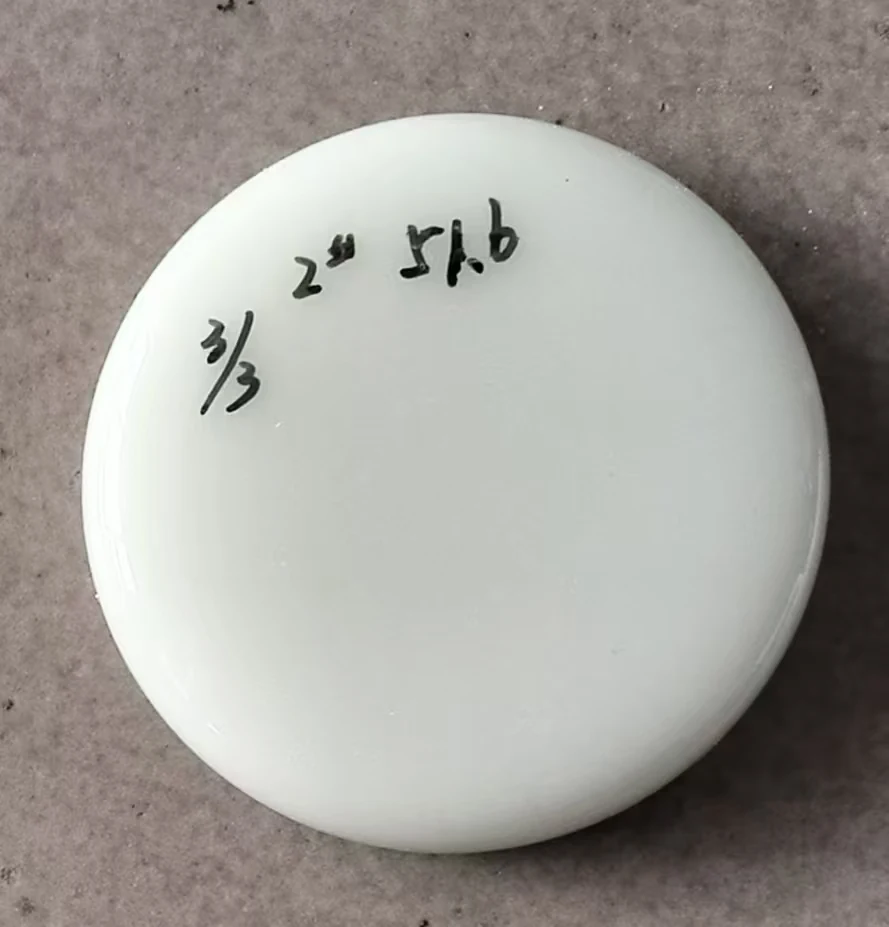
Selecting the right flux material is one of the most consequential decisions in ceramic body and glaze formulation. The flux controls your firing temperature, fired body strength, water absorption, whiteness, thermal expansion, and production cost. Yet many ceramic manufacturers simply continue using whatever feldspar their predecessors used, without evaluating whether a better option exists. This guide helps you systematically evaluate flux options for your specific application.
What Does a Flux Do in Ceramics?
A flux is a raw material that lowers the temperature at which ceramic bodies and glazes melt and vitrify. In technical terms, fluxes provide alkali and alkaline earth oxides (Na2O, K2O, CaO, MgO, Li2O) that break the strong Si-O-Si bonds in the ceramic matrix, creating a liquid glass phase at temperatures achievable in industrial kilns (1050-1250 degrees C). Without flux, pure clay and quartz would require temperatures above 1600 degrees C to vitrify — impractical for commercial production. The type and amount of flux determines: the firing temperature range, the degree of vitrification (and therefore water absorption), the glass phase composition (and therefore mechanical strength and chemical durability), the thermal expansion coefficient (and therefore glaze fit), and the fired color (through iron and titanium impurity levels).
Flux Options Compared
| Material | Key Oxide | Flux Power | Best For | Our Grade |
|---|---|---|---|---|
| Nepheline syenite | Na2O+K2O 12-16% | Highest | Porcelain, floor tiles, frit | K200/K100 |
| K-Feldspar | K2O 10-14% | High | Sanitary ware, glazes | SY101 |
| Na-Feldspar | Na2O 8-12% | Medium-High | Wall tile glazes, glass | Na-Feldspar |
| Talc | MgO 30-32% | Medium | Wall tiles, stoneware | — |
| Wollastonite | CaO 45-48% | Medium | Fast-firing, low shrinkage | — |
| Calcium carbonate | CaO 56% | Low-Medium | Earthenware, wall tiles | — |
Decision Framework
Need the lowest firing temperature? Use nepheline syenite — it provides the highest alkali content per ton, enabling the most aggressive fluxing at the lowest temperature. Our K200 or K100 grades. Need shape retention at high temperature? Use K-feldspar (SY101) — potassium produces a more viscous melt than sodium, keeping complex shapes stable during firing. Critical for sanitary ware and electrical porcelain. Need the widest firing range? Use nepheline syenite — the combination of multiple alkali types (both Na2O and K2O) plus high alumina creates a broader temperature window between initial vitrification and over-firing. Need the whitest body? Use wet-processed nepheline (K200, Fe2O3 0.08%) — the lowest iron content in our range delivers the highest firing whiteness. Need the lowest glaze expansion? Use Na-feldspar or K-feldspar in the glaze rather than nepheline — their higher SiO2 content produces a lower-expansion glass that resists crazing. Most cost-effective general solution? K100 nepheline in the body + SY101 feldspar in the glaze — this combination covers most standard ceramic tile production at optimal cost.