
Nepheline Powder K100 Standard
The volume grade — the same deposit, ground coarser, priced for tonnage
What K100 Is
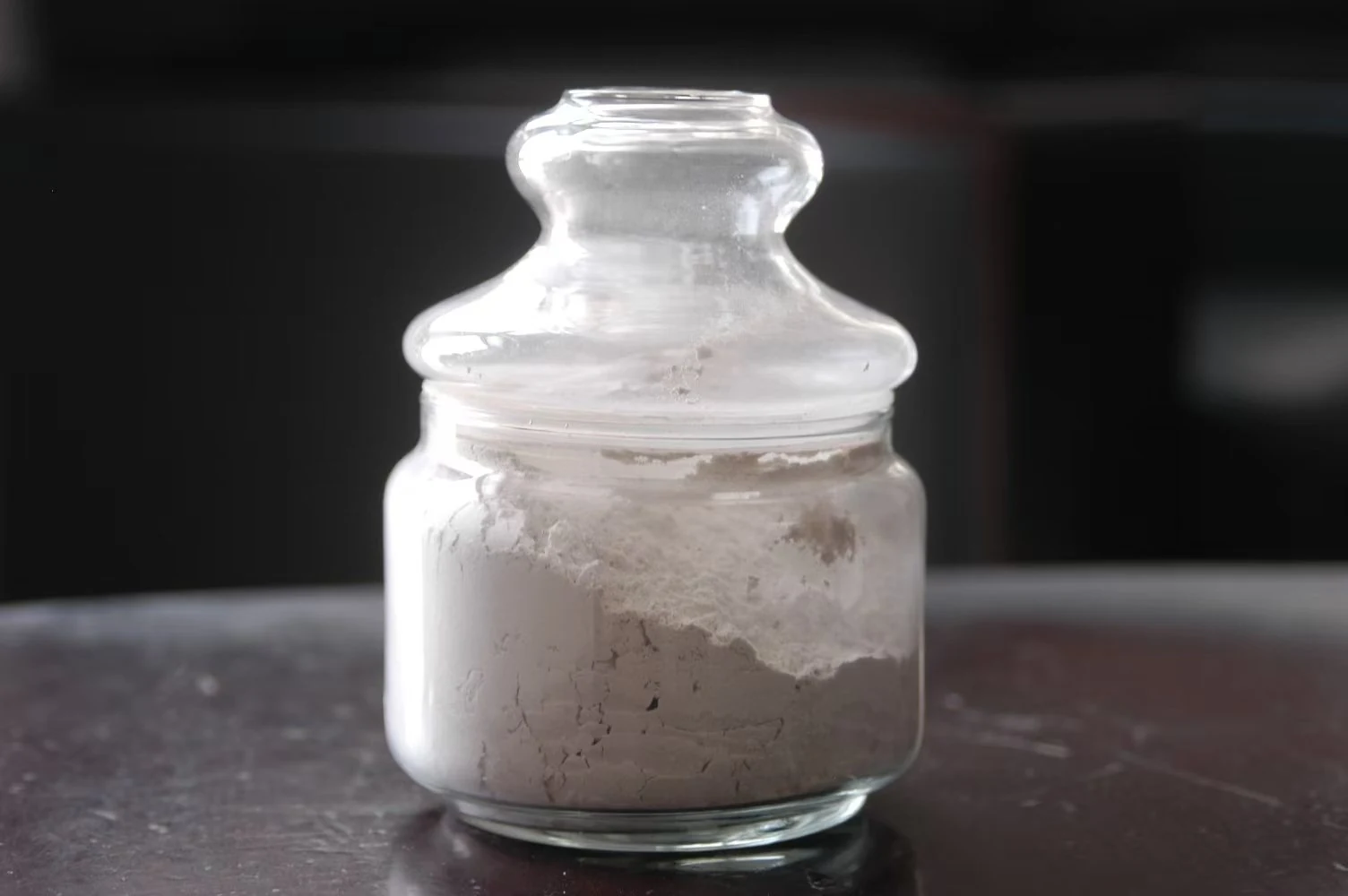
K100 is our highest-volume product and the grade most buyers start with. The chemistry tracks K200 closely: 21.02% Al2O3, 14.18% combined alkali, 0.12% Fe2O3. The differences are a coarser 100-mesh grind and marginally more iron.
In a standard floor or wall tile body that difference is not visible in the fired product. It is visible in the price, which is why K100 carries most of the tonnage we ship.
Because it is the volume grade we hold stock of it year-round. Most K100 orders load within 3-5 working days of order confirmation instead of waiting on a production slot.
Typical Chemistry and Processing
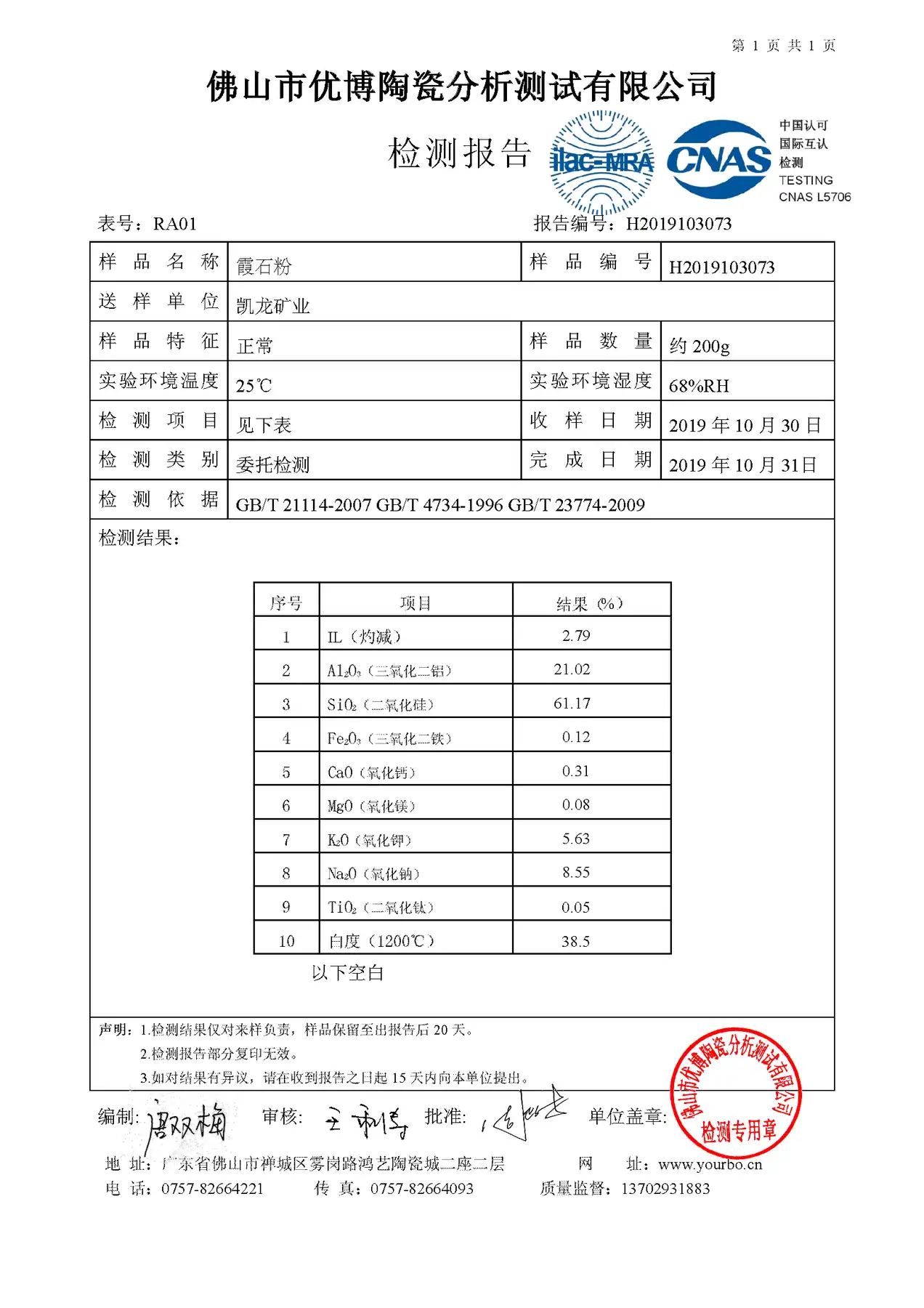
Values from our published specification. Every shipment carries a batch-specific Certificate of Analysis with the actual numbers.
| Property | Value |
|---|---|
| Fe2O3 | 0.12% |
| SiO2 | 61.17% |
| Al2O3 | 21.02% |
| K2O | 5.63% |
| Na2O | 8.55% |
| CaO | 0.31% |
| MgO | 0.08% |
| TiO2 | 0.05% |
| Fineness | 100 mesh (about 150 microns) |
| Process | Wet milling + magnetic separation |
Analysis by XRF. Fired whiteness measured on pressed discs at 1200 degrees C. Independent verification available from Foshan Youbo Ceramic Analysis & Testing Co., Ltd..
What You Get From This Grade
Best cost per unit of flux in the range
14.18% total alkali at the lowest price point we offer means fewer kilograms of flux per tonne of body.
Still well below feldspar on iron
0.12% Fe2O3 is lower than most commercial feldspar, so you gain whiteness headroom even on a value grade.
Available from stock
Standard grades are held in the enclosed warehouse; container loading typically starts 3-5 working days after confirmation.
Drops into an existing feldspar body
Same substitution arithmetic as the rest of the range, so trials do not require a new formulation.
Why Customers Switch to K100
Flux cost is eating the body cost
More alkali per tonne means less flux per tonne of body, and the lower firing temperature shows up on the gas bill.
Multi-source feldspar keeps moving on you
One deposit, one plant, batch-by-batch XRF — the chemistry does not change because a trader changed suppliers.
Lead times break the production plan
Stock availability on the standard grade is what keeps a 3-5 day loading window realistic.
Typical Buyers
- Floor and wall tile plants running high monthly tonnage
- Producers in cost-sensitive markets who still need consistent chemistry
- Glass batch houses using nepheline as an alumina and alkali source
- Buyers running a first trial before committing to a finer grade
Where It Is Used
- Ceramic floor tiles
- Wall tiles
- Standard ceramic bodies
- Industrial ceramics
- Container and flat glass batches
- High-volume production lines
How K100 Is Made and Shipped
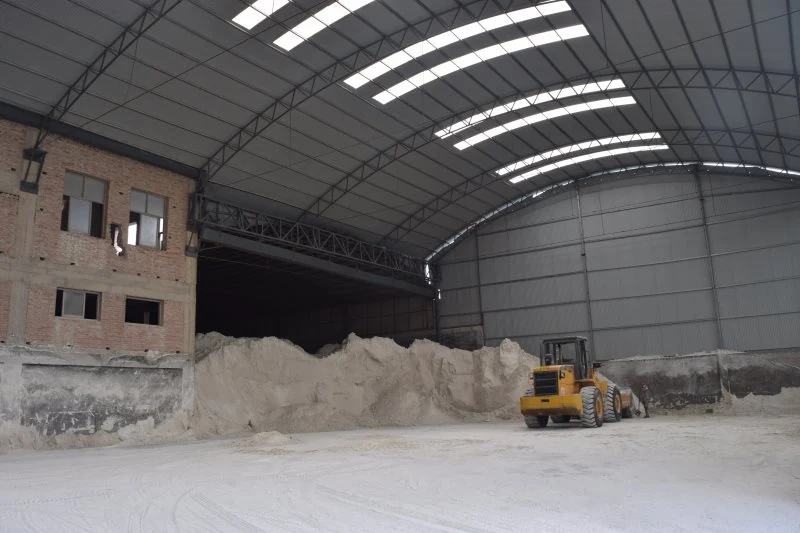
Packaging
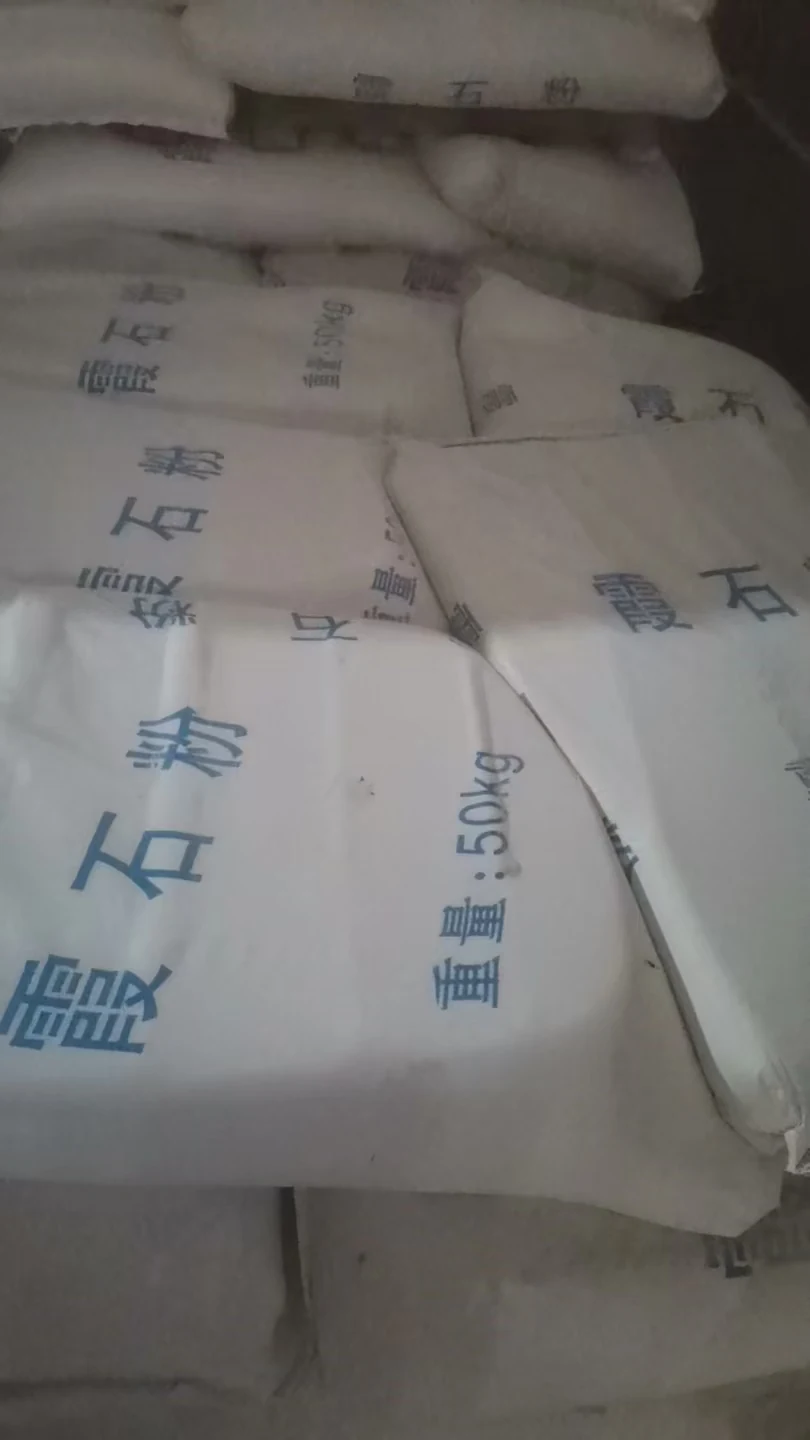
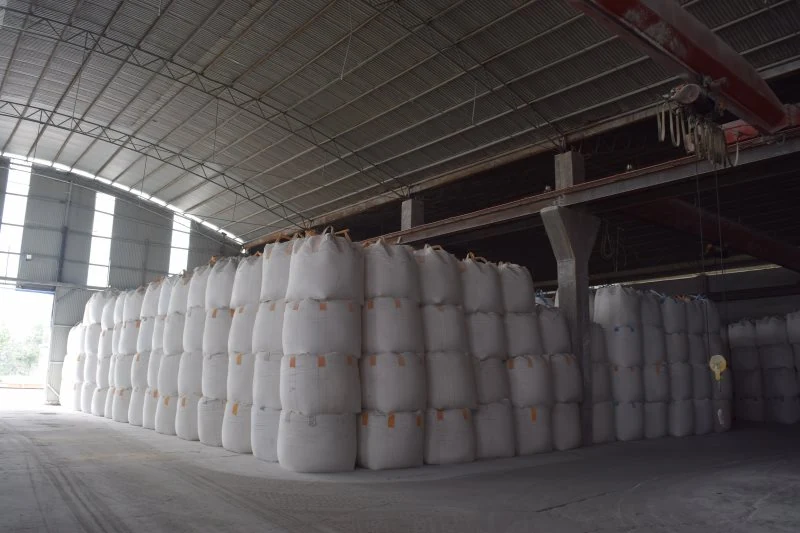
1200 kg FIBC jumbo bags as standard, or 50 kg PP woven bags. Bags are labelled with product name, grade, batch number and weight. Private labelling available.
Loading
A 20ft container takes about 24 tons, roughly 20 jumbo bags. Loading photos on request and a numbered security seal on every container.
Against the Alternatives
K100 versus K200 is a question of grind and iron, not of chemistry — if your body does not sell on whiteness, K100 does the same fluxing work for less. Against feldspar, K100 brings more alumina and more alkali per tonne with no free silica.
How to Trial It
Substitute for feldspar at roughly 0.82 kg of K100 per 1 kg of feldspar, hold your firing curve for the first trial, then take the peak temperature down in 10 degree C steps while watching absorption. Store bags off the floor; moisture ships below 1.0%.
Other Grades in the Range
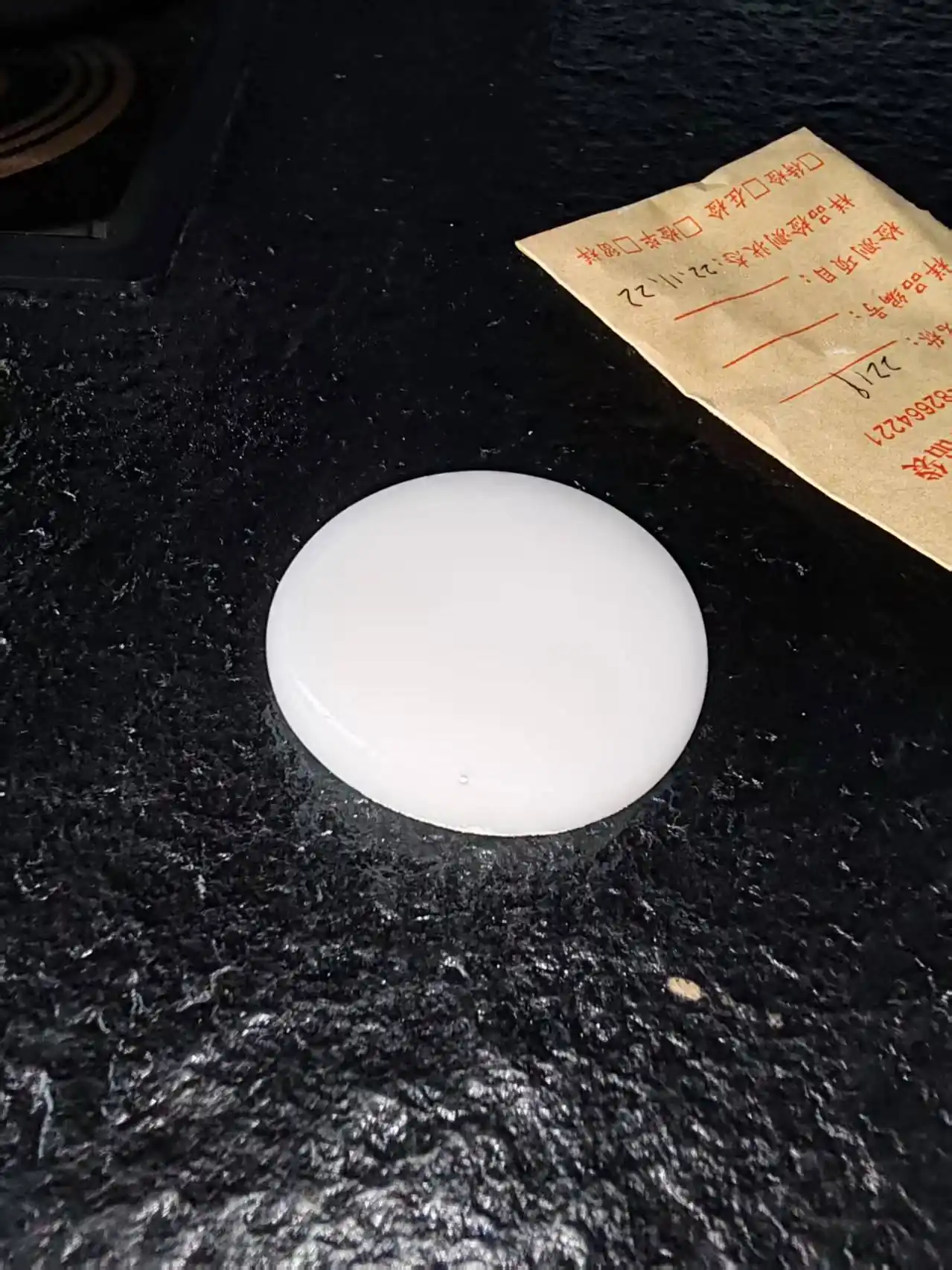 K200
K200Nepheline Powder K200 Ultra White
The lowest iron grade we produce, for bodies that have to fire white
GP20Nepheline Powder GP20 High Expansion
A glaze-maker's nepheline — high calcium, highest total alkali in the range
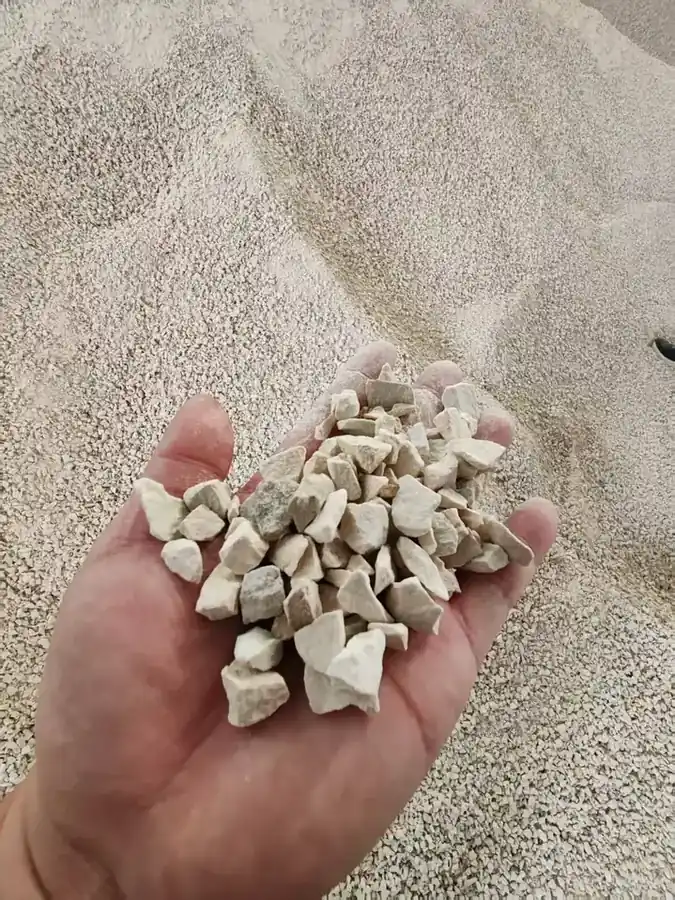 SY101
SY101Potassium Feldspar SY101 High K+Na
Flotation feldspar for bodies that have to hold their shape
Articles That Mention K100
Annual Volume Discount Program
200t+ annual: 3-8% tiered pricing
Defect TroubleshootingBlack Specks in Ceramics: Iron Contamination from Raw Materials
Wet processing eliminates steel grinding contamination
Country and Market GuidesNepheline & Feldspar Supplier for Egypt
Africa's largest producer, Alexandria
Country and Market GuidesNepheline & Feldspar Supplier for Pakistan
Growing sector, Karachi port
Country and Market GuidesNepheline & Feldspar Supplier for Peru
Pacific route, Callao
Material and Supplier ComparisonsChinese Feldspar vs Indian Feldspar for Ceramic Production
Consistency advantage for Morbi manufacturers
Questions About K100
What is the typical chemistry of K100?
Published typical values are Fe2O3 0.12%, SiO2 61.17%, Al2O3 21.02%, K2O 5.63%. Every shipment carries a batch-specific Certificate of Analysis with the actual measured numbers.
Can I get samples before ordering?
Yes. We ship 1-5 kg of each grade by DHL or FedEx at our expense. Samples reach most international destinations in 5-7 days and each one includes a Certificate of Analysis.
What is the minimum order quantity?
One 20ft container, which is about 24 tons — roughly 20 FIBC jumbo bags. Samples of 1-5 kg per grade are available before that for laboratory evaluation.
What is the lead time?
Production runs 7-14 days from order confirmation. Standard grades are normally held in stock, so container loading often starts within 3-5 working days.
Test K100 in Your Own Laboratory
We ship 1-5 kg by courier at our expense, with the Certificate of Analysis, so you can compare our numbers against yours.