“How to find a supplier” is one of the most common questions new importers ask, and for sourcing from China the options can feel overwhelming: B2B marketplaces, directories, trade fairs, agents, referrals. In practice they fall into three routes. This guide compares them, then walks through a supplier selection process that works whichever route you choose.
Route 1: Supplier directories and B2B platforms
Directories and B2B platforms let you search by product and contact many suppliers quickly. Large marketplaces list huge numbers of sellers, including many trading companies. Curated directories are smaller but record more context about each company.
On the weisourcing directory, for example, each listing records the supplier’s own domain and published product scope, grouped by industry — so you can shortlist by capability (say, “plastic injection moulding” or “CNC turning”) rather than by keyword alone. Listings are compiled from what suppliers publish, so they are a starting point for verification, not a substitute for it.
Best for: buyers who know their specification and can manage supplier communication themselves.
Route 2: Trade shows
Trade fairs such as the Canton Fair in Guangzhou let you handle samples and meet sales teams in person, and compare dozens of suppliers in a few days. The cost is travel and time, and exhibitor lists mix manufacturers with traders. If you go, prepare properly — our Canton Fair exhibitor vetting checklist covers what to do before, during and after the show.
Best for: buyers developing a new product range who benefit from seeing many options physically.
Route 3: A China sourcing agent
A China sourcing agent — an individual or company acting as your agent in China — finds suppliers, negotiates, follows production and often arranges inspection and shipping. A good agent adds language skills, local presence and supplier knowledge. The risks are cost and conflicts of interest: some agents take undisclosed commissions from factories, which can steer supplier choice.
Best for: buyers without time or staff to manage suppliers, complex multi-supplier orders, or categories where local presence matters. CifyChina has a detailed guide to sourcing agent fee models and contract clauses if you are considering one.
Which route fits you?
| Factor | Directory / platform | Trade show | Sourcing agent |
|---|---|---|---|
| Upfront cost | Low | Travel and time | Fees or commission |
| Speed to first quotes | Fast | Tied to fair dates | Depends on agent |
| Your workload | High | High for a short period | Lower |
| Main risk | Trading companies posing as factories | Decisions rushed at the booth | Hidden commissions |
| Verification still needed? | Yes | Yes | Yes — verify the agent too |
Many experienced buyers combine routes: a directory to build a long list, a trade show or video calls to meet the best candidates, and an inspection company or agent for on-the-ground checks.
A supplier selection process that works for any route
Step 1: Write the brief first
One page: product, drawing or reference photo, material, quantity for the first order and per year, destination market, required certifications, target price if you have one. Suppliers quote faster and more accurately against a clear brief.
Step 2: Build a long list of 10–15
Use industry categories rather than generic keywords — see the category lists on the directory homepage. Include companies that publish the relevant process in-house.
Step 3: Screen to 3–5 with written questions
Ask: which processes are done in-house, what is the MOQ and why, what export markets and certificates, lead time for samples and production. Response speed and quality are part of the evaluation.
Step 4: Verify
- Business licence — company name matches invoice and bank account
- Factory address — confirmed by visit, video call walk-through or third-party audit
- Certificates — issued to the same company, checked with the issuing body
- References or export history where available
Step 5: Sample, then small first order
Test samples against your specification, then place a first order sized to limit risk, with inspection and payment terms agreed. Our guide to OEM vs ODM, MOQ and AQL lists what to put in writing.
Red flags during supplier selection
Prices far below every other quote; a bank account in a different company name; refusal of any video call or visit; certificates that cannot be found in the issuer’s database; pressure to pay the full amount upfront.
Using the directory to shortlist: a practical walkthrough
Here is how a buyer might use the weisourcing directory in practice. Say you need custom silicone parts. Open the relevant industry list from the homepage, read each listing’s published scope and skip any company whose scope is a broad mix of unrelated products. For the remaining candidates, open the supplier’s own website from the listing and look for production photos, equipment lists and certificates. Then check the product guides and inquiry articles for your category — they show which specification details suppliers need to quote accurately.
At this point you have a long list you understand, which makes the written screening step much faster. The directory will not tell you whether a supplier is reliable — only testing, verification and a first order can — but it helps you avoid spending those steps on companies that were never a fit.
How to find a manufacturer in China vs a trading company
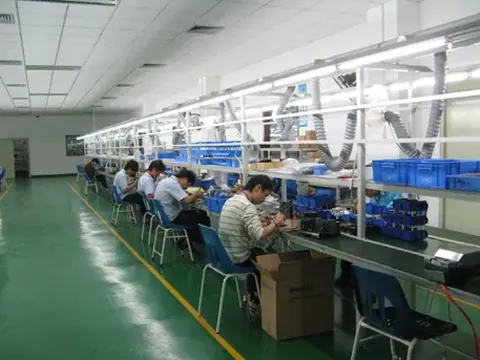
If you specifically need a manufacturer, look for focused product scope, visible production equipment and the ability to modify a product to your drawing. Trading companies are useful for mixed orders and small quantities, but know which you are paying for. Our article on tracing the real factory behind a Made in PRC label goes deeper into telling them apart.
Once your supplier is chosen, the pre-shipment checklist for shipping from China to the USA takes you through the logistics. For real examples of how orders were scoped, browse our inquiry articles.
Start with a free shortlist
Send a drawing, a spec sheet or a photo of the product. We will match it against the manufacturers on weisourcing and tell you which ones actually run that process.
Send your request on WhatsAppBrowse the supplier directoryFrequently asked questions
What is the best way to find a supplier in China?
Do I need a China sourcing agent?
How do I verify a Chinese supplier?
How many suppliers should I contact?
How can I tell a factory from a trading company?
More sourcing guides on the weisourcing blog
← All blog articles · Product buyer's guides · Real inquiry articles