
Work Rolls Combining High Wear Resistance and Dimensional Precision
Roll change frequency is one of the largest hidden costs on a rolling or levelling line. These work rolls combine wear resistance with geometric precision so campaigns run longer and strip quality does not drift between changes.
- Premium alloy steel with proprietary heat treatment
- Precision ground for dimensional and geometric accuracy
- Designed for extended campaigns
- Consistent strip flatness and surface finish
Key Benefits
Three measurable outcomes.
Fewer Roll Changes
A dramatic reduction in roll change frequency lowers unplanned downtime and the total cost of ownership per tonne.
Consistent Strip Quality
Precision grinding keeps flatness and surface finish consistent from the first coil of a campaign to the last.
More Mill Uptime
Longer campaigns mean the mill spends more hours rolling and fewer hours in roll change.
Where It Is Used
Where these rolls run.
- Rolling mill work roll positions
- Tension levelling and straightening machines
- Strip processing lines with long campaigns
- Lines where surface finish is a delivery specification
Who It Is For
- Mills tracking cost per tonne on roll consumption
- Maintenance teams planning roll campaigns
- Plants with frequent unplanned roll changes
- Buyers comparing roll suppliers on service life
Problems It Solves
- Frequent roll changes interrupting production
- Strip quality drifting through a campaign
- High total cost of ownership on roll consumables
- Roll wear that is uneven across the barrel
Technical Features
Where the performance comes from.
Material And Heat Treatment Together
Wear resistance comes from the combination of advanced material composition and the heat treatment process applied to it.
Geometric Precision
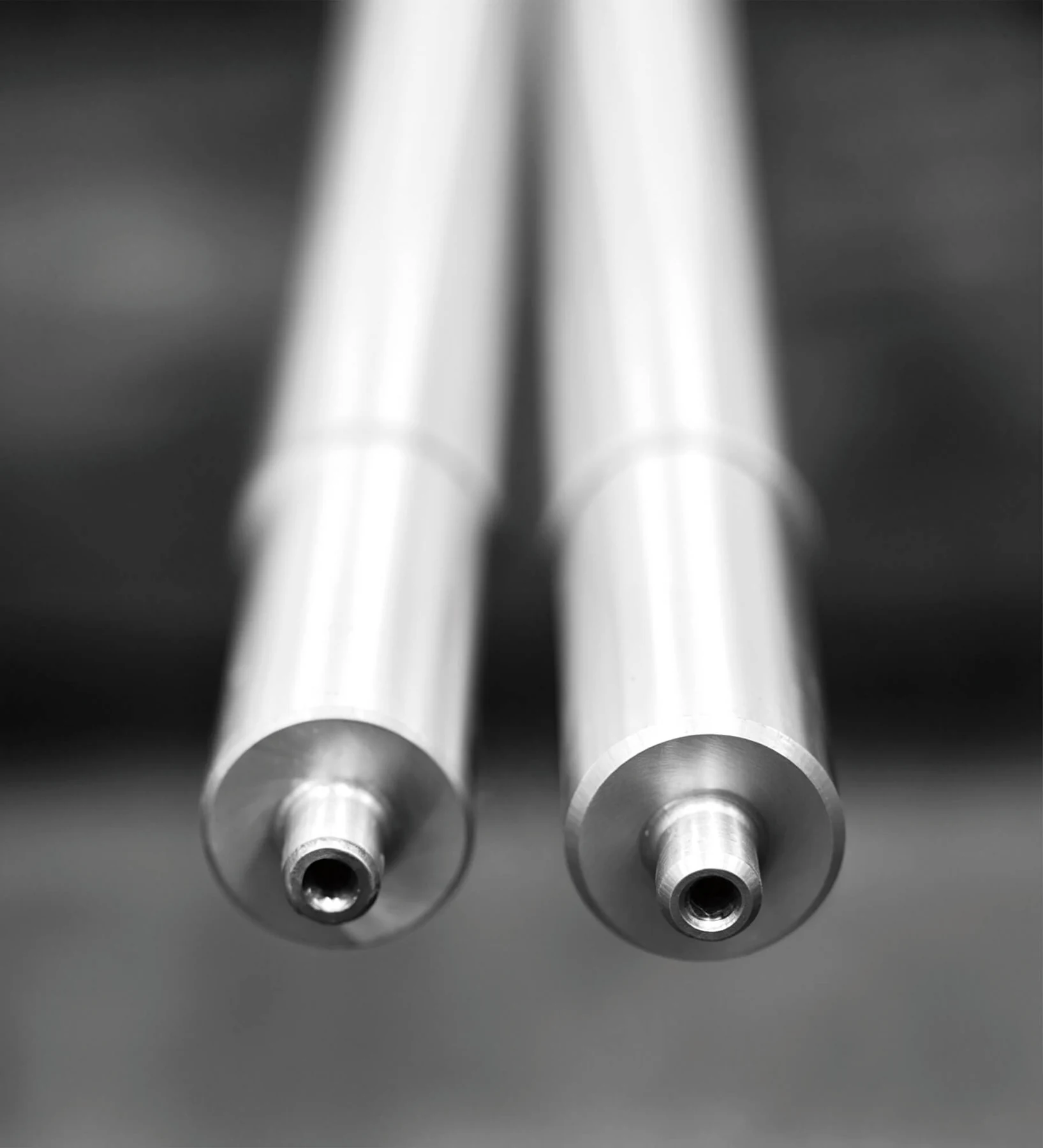
Dimensional and geometric precision are held so the roll supports flatness rather than working against it.
Finish For Surface Quality
Precision grinding produces the surface condition that gives the strip its finish.
Specifications
Dimensions are produced to your machine drawing.
| Material | Premium alloy steel |
|---|---|
| Heat Treatment | Controlled process for wear resistance |
| Finishing | Precision grinding |
| Design Targets | Extended campaigns, strip flatness, surface finish |
| Dimensions | Made to customer drawing |
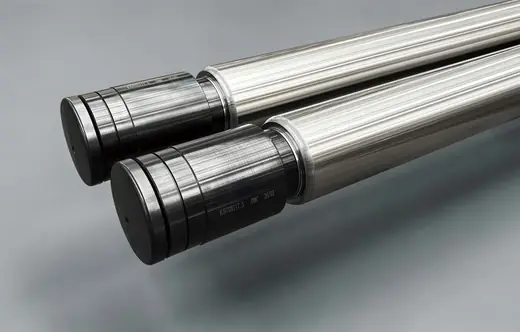
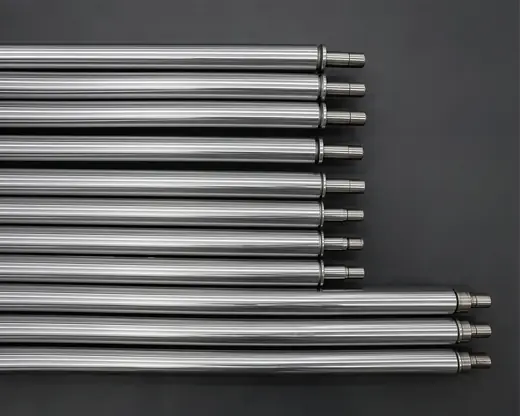
| Supply | Individually or as matched sets |
Materials
- Premium alloy steel
- Heat treated working surface
- Precision ground finish
Manufacturing Process
Drawing And Duty Review
Roll dimensions, machine type, strip material and campaign length are reviewed.
Machining
The roll is turned with heat treatment allowance.
Heat Treatment
Hardness and wear resistance are developed through the working layer.
Precision Grinding
Barrel and journals are ground to the drawing and inspected.
Quality Control
- Hardness testing on the barrel
- Dimensional and geometric inspection
- Surface roughness measurement
- Runout verification before packing
Customization Options
- Dimensions and profile to your machine
- Hardness matched to strip material and load
- Surface finish to your product requirement
- Matched sets with consistent diameters
Use Guide
- Plan regrinds by tonnage rather than by calendar
- Replace rolls as a set to keep the gap consistent
- Record surface finish at the start of each campaign
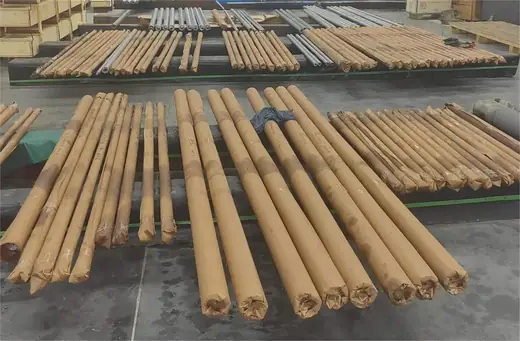
- Protect ground surfaces during handling and storage
How It Compares
Against standard replacement rolls.
| Standard alloy rolls | Material composition combined with controlled heat treatment extends campaign length rather than only raising surface hardness. |
|---|---|
| Rolls without precision grinding | Geometric precision is what keeps flatness and surface finish consistent across the campaign. |
| Running rolls beyond the regrind limit | A fresh set restores quality instead of accepting a gradual decline through the campaign. |
Related Products
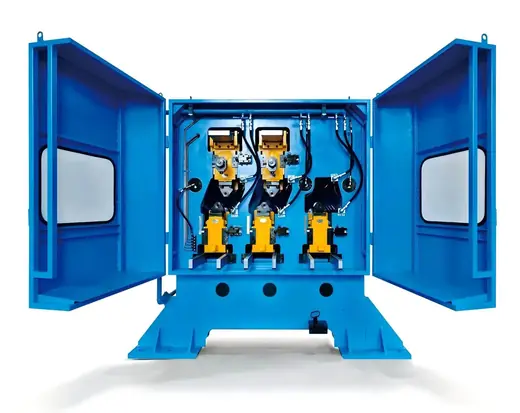
Tension Leveler Working Rolls
Hard chrome plated working rolls with HRC 63-65 surface hardness for tension leveling lines.
View Details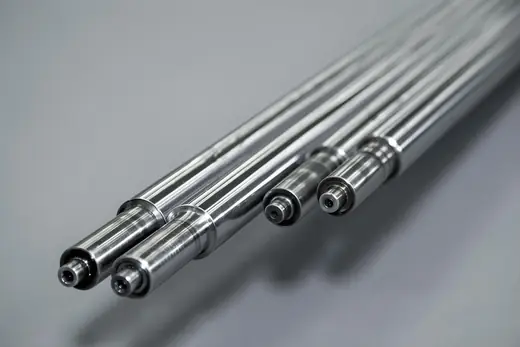
Chrome Plated Working Roll for 1450 mm Tension Leveler
Consumable work roll for 1450 mm galvanizing line tension levelers, chrome plated 0.05 mm.
View Details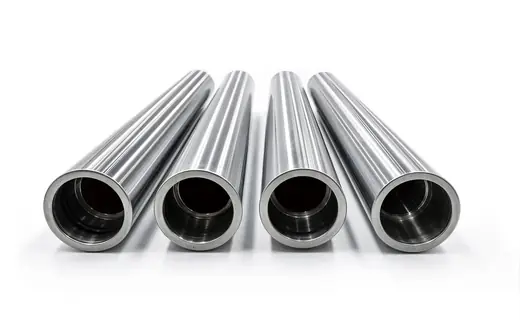
Leveling Cassette Working Roll Sleeves
Roll sleeves in 30, 45 and 70 mm diameters at HRC 58-62 for cassette style levelling equipment.
View Details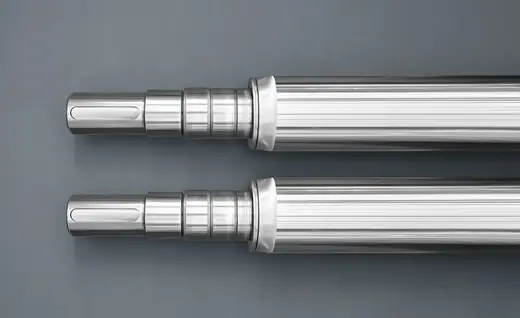
High Precision Straightening Rolls
Precision ground alloy steel straightening rolls for longer runs between roll changes.
View Details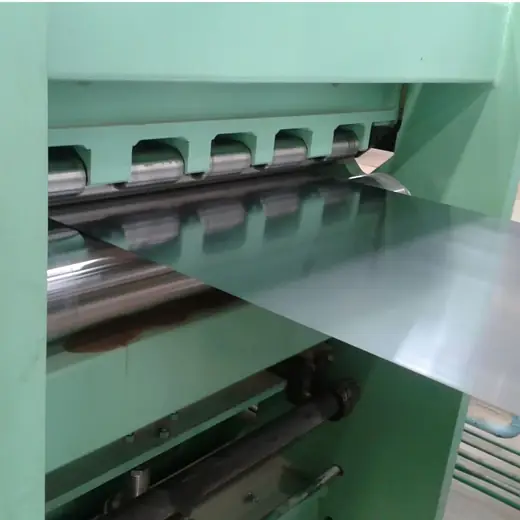
Related Technical Articles
Tension Leveler Spare Parts Planning For AHSS Galvanizing Lines
What to stock, when to replace and why advanced high strength steel changes the roll wear calculation.
Read MoreHow Hard Chrome Plated Working Rolls Improve Tension Leveler Stability
Wear resistance, friction and rigidity, and the numbers behind each of them on a 16 to 68 mm roll.
Read More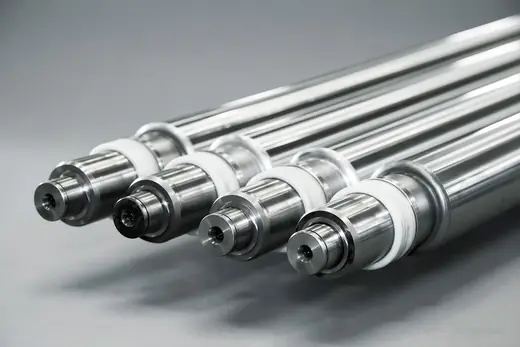
The Role Of Leveling Line Rolls In Finished Strip Qualification Rate
Roll deflection, hardness and bending adjustment are the three levers that decide how much of your output passes inspection.
Read MoreWork Roll With High Wear Resistance FAQ
How much longer will these rolls last?
Service life depends on strip material, load and tonnage. The gain comes from material composition and heat treatment together, and we can advise expected campaign length once we know your duty.
Can you match our existing rolls?
Yes. Send the roll drawing or a sample with the machine details and strip programme.
Do the rolls affect surface finish?
Directly. Precision grinding produces the roll surface condition that the strip takes on during processing.
Are matched sets available?
Yes, and we recommend them so the roll gap stays consistent across the set.
What information do you need?
Roll drawing or sample dimensions, machine type, strip material and width, and annual roll consumption.
Do you support regrinding?
We state the regrind allowance for each drawing so your workshop can plan regrinds within limit.
Cut Your Roll Change Frequency
Send your roll drawing and campaign data and we come back with a specification and price.