
Tension Leveler Working Rolls for Galvanizing and Coating Lines
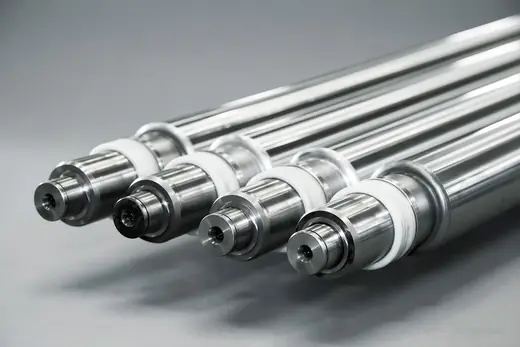
Working rolls are the parts of a tension leveler that touch the strip on every pass, so their hardness and surface finish decide the flatness and surface quality your line can hold. Ascon supplies replacement working rolls with a deep quenched layer and hard chrome plating, dimensioned to the cassette you already run.
- Surface quenching hardness HRC 63-65
- Hardened layer depth 3-5 mm through the roll body
- Hard chrome plating 0.03-0.05 mm
- Supplied against your existing roll drawing or sample
Key Benefits
What changes on the line when the working rolls are right.
Flatness You Can Repeat
Uniform hardness across the barrel keeps elongation even from edge to edge, so the same leveler recipe gives the same flatness result on the next coil.
Less Deflection Under Load
The roll neck and barrel are dimensioned for high load work, restraining deflection and bending that would otherwise print shape defects back into the strip.
Longer Runs Between Changes
The deep hardened layer and chrome plating resist wear and peeling, so roll changes follow your maintenance plan instead of interrupting production.
Where It Is Used
Where these rolls are installed.
- Continuous hot dip galvanizing lines after the annealing furnace
- Colour coating lines ahead of the coater
- Cut to length and slitting lines processing cold rolled coil
- Tension leveling lines for automotive and appliance grade sheet
Who It Is For
- Maintenance teams of galvanizing and coating lines holding roll stock
- Steel service centres running cut to length and slitting lines
- Equipment builders sourcing roll sets for new leveler cassettes
- Buyers replacing imported rolls with an equivalent made to drawing
Problems It Solves
- Edge wave and centre buckle returning after a few hundred tonnes
- Roll surface peeling that marks the strip surface
- Roll deformation under long term tension work
- Long lead times when the original supplier no longer stocks the size
Technical Features
How the roll is built.
Quenched Body HRC 63-65
Surface quenching hardness of HRC 63-65 with a hardened layer 3-5 mm deep, so the roll keeps its profile as it is reground.
Hard Chrome Surface
Hard chrome plating 0.03-0.05 mm thick gives the low friction contact surface that protects strip finish.
Bending Compatible Design
Rolls are made to work with positive and negative roll bending, so the operator can trim thickness uniformity and flatness from the desk.
Specifications
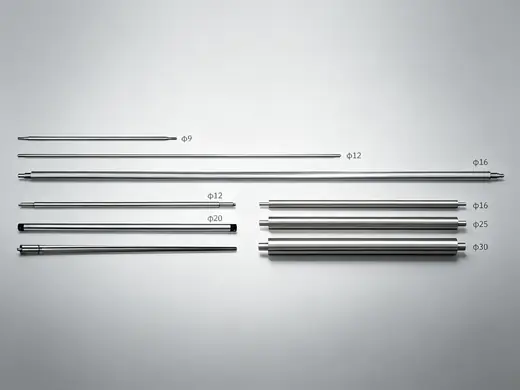
Values below are the standard build. Diameter, barrel length and neck dimensions are made to your drawing.
| Surface Quenching Hardness | HRC 63-65 |
|---|---|
| Hardened Layer Depth | 3-5 mm |
| Surface Treatment | Hard chrome plating |
| Chrome Plating Thickness | 0.03-0.05 mm |
| Material | High quality carbon steel or stainless steel |
| Dimensions | Made to customer drawing or sample |
| Regrinding | Supported, regrind allowance confirmed per drawing |
Materials
- High quality carbon steel for standard leveling duty
- Stainless steel where the line environment is wet or acidic
- Hard chrome plated contact surface
Manufacturing Process
Bar Preparation
Forged or rolled bar is rough turned and stress relieved before the profile is cut.
Heat Treatment
Surface quenching builds the HRC 63-65 layer to a depth of 3-5 mm.
Grinding
The barrel is ground to the drawing profile and surface roughness before plating.
Hard Chrome Plating
Chrome is deposited to 0.03-0.05 mm and finish ground to the final diameter.
Quality Control
- Hardness testing on the barrel and at the neck transition
- Dimensional check of diameter, barrel length and neck against drawing
- Surface roughness and plating thickness measurement
- Straightness and runout check before packing
Customization Options
- Roll diameter and barrel length to your cassette
- Neck and bearing seat detail to match existing housings
- Plating thickness adjusted for your strip material
- Marking and packing per set or per cassette position
Use Guide
- Install as a matched set so diameters stay within the cassette tolerance
- Keep bending settings within the range given for the roll diameter
- Regrind before the chrome layer breaks through, not after
- Store rolls oiled and horizontally supported to protect straightness
How It Compares
How chrome plated working rolls compare with the alternatives buyers consider.
| Uncoated hardened rolls | Chrome plating lowers friction against the strip and resists pickup, so the strip surface stays clean for longer. |
|---|---|
| Nitrided rolls | The 3-5 mm quenched layer allows more regrinds over the roll life than a thin nitrided case. |
| Imported original spare rolls | Made to the same drawing with documented hardness and plating, usually at shorter lead time. |
Related Products
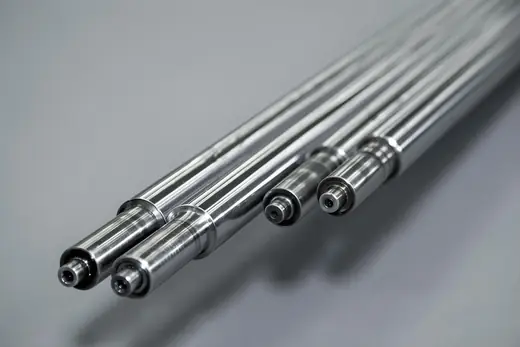
Chrome Plated Working Roll for 1450 mm Tension Leveler
Consumable work roll for 1450 mm galvanizing line tension levelers, chrome plated 0.05 mm.
View Details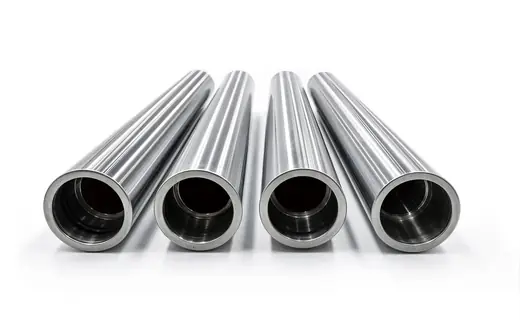
Leveling Cassette Working Roll Sleeves
Roll sleeves in 30, 45 and 70 mm diameters at HRC 58-62 for cassette style levelling equipment.
View Details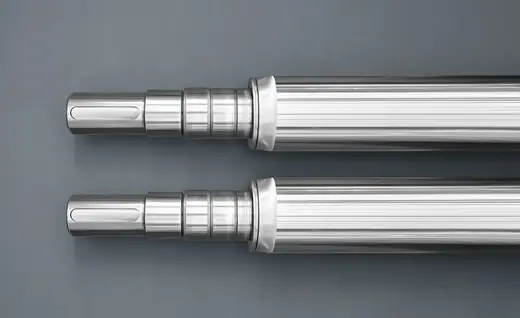
High Precision Straightening Rolls
Precision ground alloy steel straightening rolls for longer runs between roll changes.
View DetailsPrecision Leveling Line Rolls
Leveling line rolls with uniform high hardness and a deep integral hardened layer.
View Details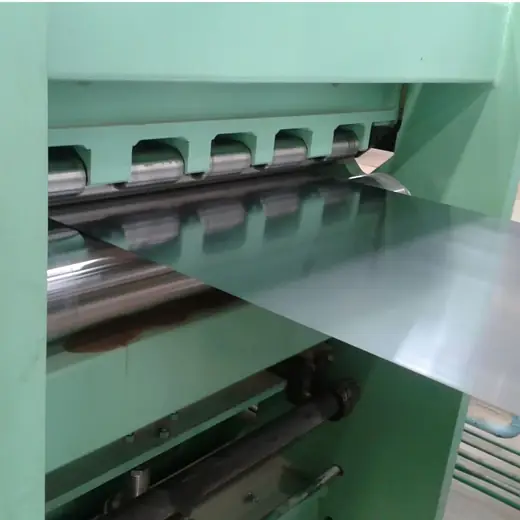
Related Technical Articles
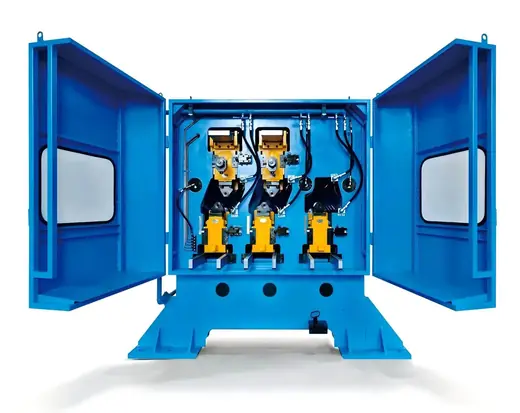
Tension Leveler Spare Parts Planning For AHSS Galvanizing Lines
What to stock, when to replace and why advanced high strength steel changes the roll wear calculation.
Read More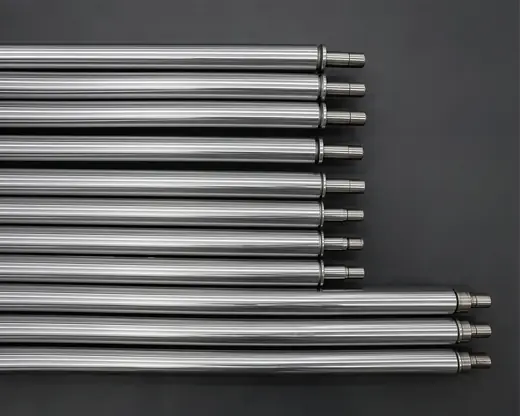
How Hard Chrome Plated Working Rolls Improve Tension Leveler Stability
Wear resistance, friction and rigidity, and the numbers behind each of them on a 16 to 68 mm roll.
Read MoreThe Role Of Leveling Line Rolls In Finished Strip Qualification Rate
Roll deflection, hardness and bending adjustment are the three levers that decide how much of your output passes inspection.
Read MoreTension Leveler Working Rolls FAQ
Can you make rolls from our old drawing?
Yes. Send the drawing or a worn sample with the cassette position, and we quote against those dimensions. Where the drawing is missing we can measure a sample and confirm the dimensions with you before cutting metal.
What hardness do the rolls reach?
Surface quenching hardness is HRC 63-65 with a hardened layer 3-5 mm deep, which is the standard build for tension leveler working rolls.
How thick is the chrome layer?
Hard chrome plating is 0.03-0.05 mm, then finish ground to the final diameter so the plated surface is concentric with the necks.
Can the rolls be reground?
Yes. Regrind before the chrome layer is worn through. The usable regrind allowance depends on your drawing and we confirm it on the quotation.
Do you supply a full cassette set?
Yes. Working rolls, intermediate rolls, back up rolls and roll end supports can be supplied as a matched set so the whole cassette is replaced in one shutdown.
What do you need to quote?
Roll drawing or sample dimensions, line width, strip thickness and material grade, and the quantity per year so we can plan production and packing.
Send Your Roll Drawing For A Quotation
Message our engineers with the drawing or a photo of the worn roll and we come back with dimensions, hardness plan and lead time.