
Leveller Rolls for Leveling Lines in Metal Processing
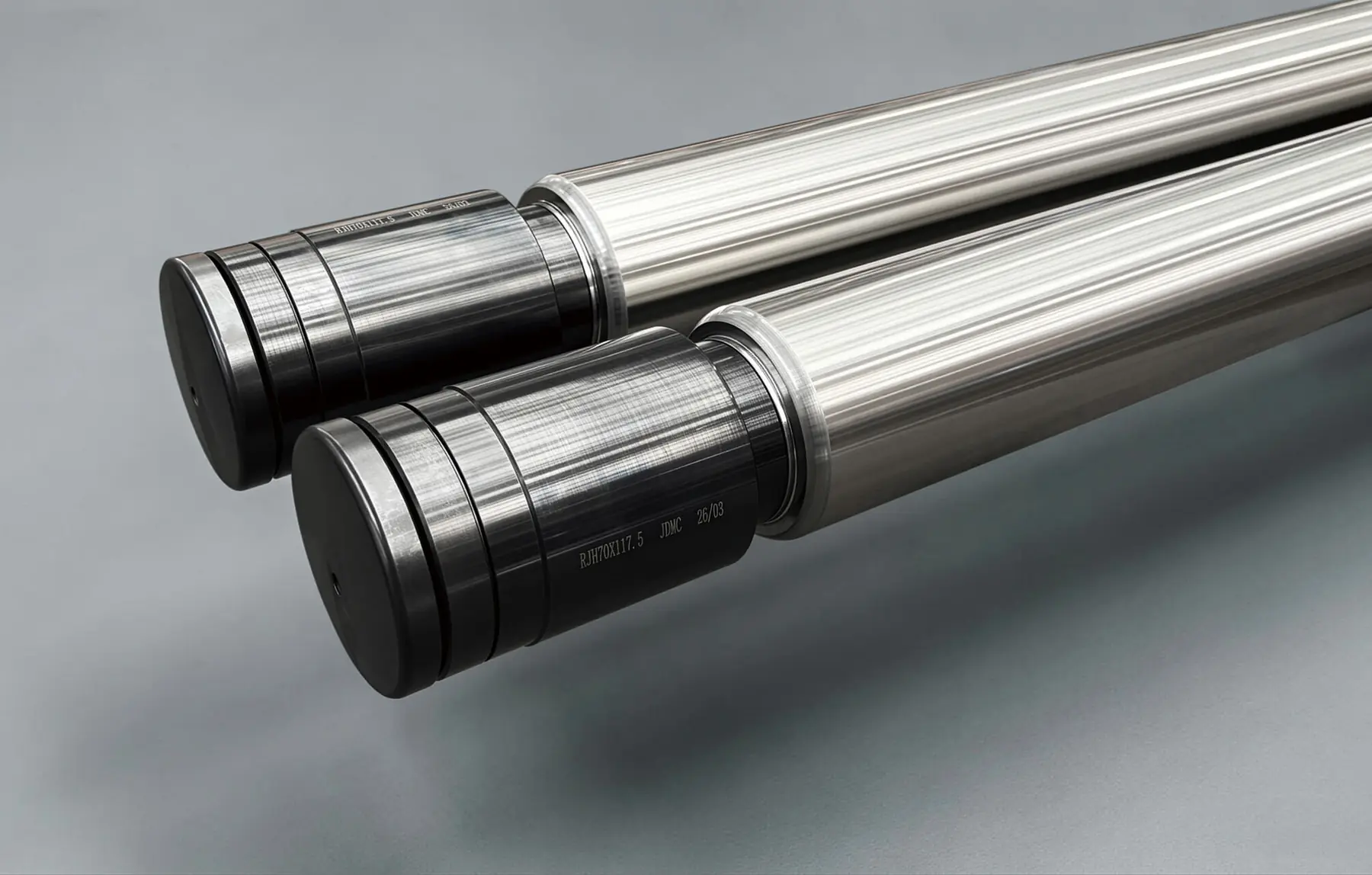
Leveller rolls support the work roll or intermediate roll to prevent deflection and deformation, and that support is what protects the output and quality of the plate or strip. Their performance and quality therefore feed straight into the final product.
- Stainless steel or carbon steel construction
- High surface hardness with good uniformity
- Deep hardening layer through the roll body
- Chrome plating around 0.05 mm where specified
Key Benefits
What the rolls contribute.
Work Roll Deflection Prevented
Their main job is to support the work roll or intermediate roll so deflection and deformation do not reduce output and quality.
Accident Resistance
Good strength and toughness in neck and body, with spalling resistance, allow the roll to survive the incidents that happen on a real line.
Suited To High Speed Straighteners
The property combination is what makes these rolls work in high speed, large scale, high precision straighteners.
Where It Is Used
Industries using them.
- Automotive part production lines
- Home appliance panel manufacturing
- Construction sheet processing
- General metal processing leveling lines
Who It Is For
- Plants running tension levelers
- Maintenance stores holding roll spares
- Processors serving automotive and appliance customers
- Buyers replacing rolls that spall or deform
Problems It Solves
- Work roll deflection reducing plate quality
- Roll spalling after incidents on the line
- Output loss when rolls deform
- Roll material unsuited to wet or corrosive environments
Technical Features
Roll quality characteristics.
Hardness With Uniformity
High surface hardness together with good hardness uniformity keeps support even along the barrel.
Deep Hardening Layer
A deep hardening layer in the roll body supports repeat regrinding through the roll life.
Strength And Toughness Balance
Roll neck and body are balanced for strength and toughness, which is what gives accident resistance.
Specifications
Dimensions follow your machine drawing. Material options are listed below.
| Materials | Stainless steel or carbon steel |
|---|---|
| Surface Hardness | High with good uniformity |
| Hardened Layer | Deep, around 5 mm |
| Surface Treatment | Chrome plating around 0.05 mm where specified |
| Key Properties | Wear resistance, spalling resistance, accident resistance |
| Industries | Automotive, home appliance, construction |
Materials
- Stainless steel for wet or corrosive line areas
- Carbon steel for standard duty
- Chrome plated contact surface where required
Manufacturing Process
Material Selection
Line environment and duty decide between stainless and carbon steel.
Machining
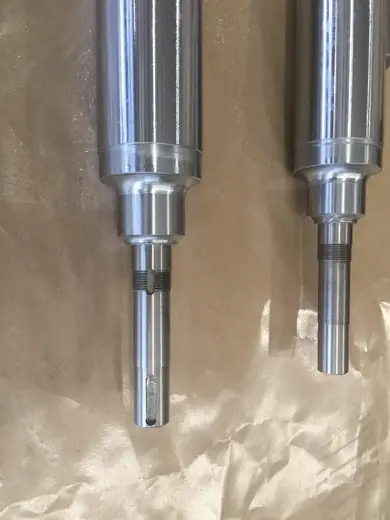
The roll body, neck and journals are turned to drawing.
Heat Treatment
The deep hardening layer is developed with uniform hardness.
Grinding And Plating
The barrel is ground and plated where the specification calls for it.
Quality Control
- Hardness uniformity testing along the barrel
- Hardened layer depth verification
- Dimensional and runout inspection
- Surface finish check before packing
Customization Options
- Stainless or carbon steel by line environment
- Dimensions to your leveler drawing
- Plated or unplated surfaces
- Matched sets per machine
Use Guide
- Replace rolls as a set for even support
- Check for spalling after any strip jam
- Select stainless where the roll sits in a wet section
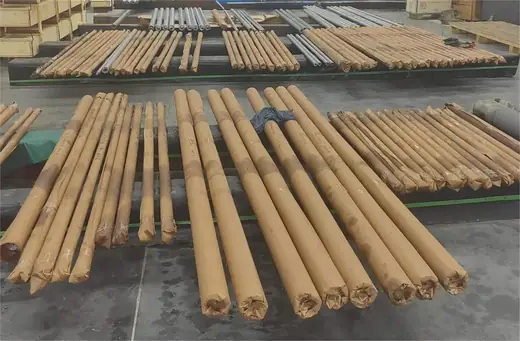
- Keep rolls oiled and supported in storage
How It Compares
Material and specification choices.
| Carbon steel rolls | Cost effective for dry line positions with standard duty. |
|---|---|
| Stainless steel rolls | Chosen where moisture or process chemicals would corrode carbon steel. |
| Rolls without deep hardening | A deep hardening layer supports more regrinds and resists spalling after incidents. |
Related Products
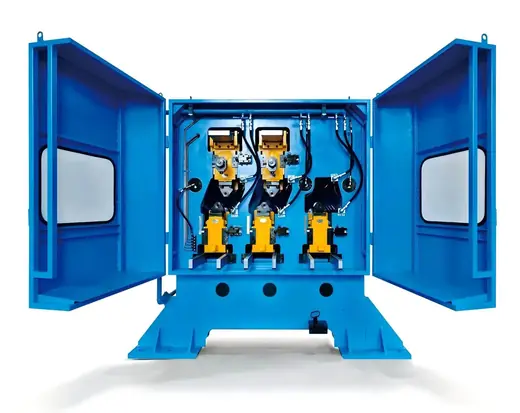
Tension Leveler Working Rolls
Hard chrome plated working rolls with HRC 63-65 surface hardness for tension leveling lines.
View Details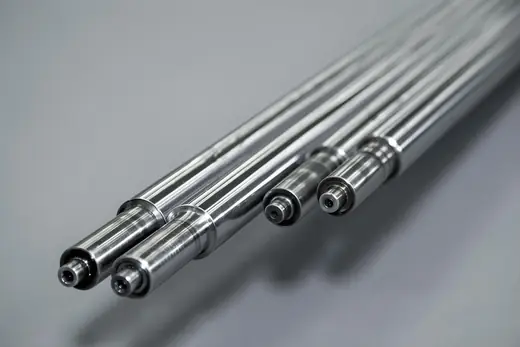
Chrome Plated Working Roll for 1450 mm Tension Leveler
Consumable work roll for 1450 mm galvanizing line tension levelers, chrome plated 0.05 mm.
View Details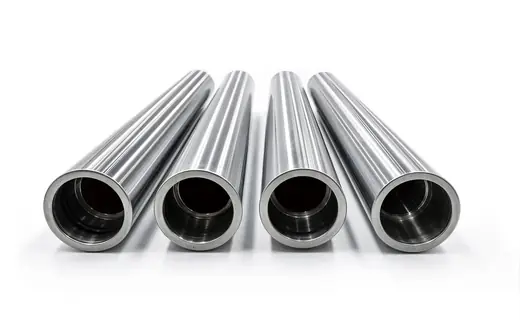
Leveling Cassette Working Roll Sleeves
Roll sleeves in 30, 45 and 70 mm diameters at HRC 58-62 for cassette style levelling equipment.
View Details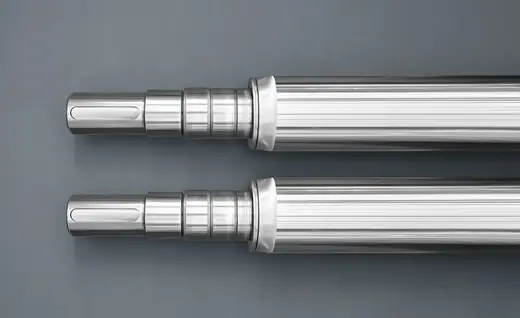
High Precision Straightening Rolls
Precision ground alloy steel straightening rolls for longer runs between roll changes.
View Details
Related Technical Articles
Tension Leveler Spare Parts Planning For AHSS Galvanizing Lines
What to stock, when to replace and why advanced high strength steel changes the roll wear calculation.
Read More
How Hard Chrome Plated Working Rolls Improve Tension Leveler Stability
Wear resistance, friction and rigidity, and the numbers behind each of them on a 16 to 68 mm roll.
Read More
The Role Of Leveling Line Rolls In Finished Strip Qualification Rate
Roll deflection, hardness and bending adjustment are the three levers that decide how much of your output passes inspection.
Read MoreLeveller Rolls for Leveling Lines FAQ
What material should we choose?
Stainless steel where the roll sits in a wet or corrosive part of the line, carbon steel for standard dry duty. Tell us the position and we will advise.
What is the main function of these rolls?
To support the work roll or intermediate roll and prevent deflection and deformation, which would otherwise affect output and plate quality.
Which industries use them?
Automotive, home appliance and construction among others, wherever tension levelers process sheet and strip.
Can you produce to our drawing?
Yes. Send the drawing or a sample roll with the machine details.
Are the rolls chrome plated?
Plating of around 0.05 mm is applied where the specification requires it. Unplated rolls are also supplied.
What do you need to quote?
Roll drawing or sample, machine type, line environment, strip material and quantity per set.
Order Leveller Rolls
Send your drawing and line details and we confirm material, hardness and lead time.