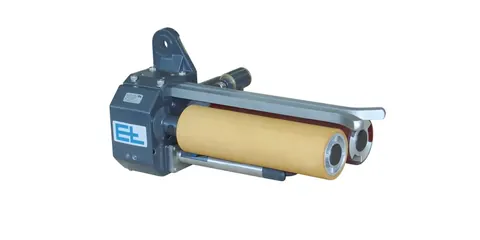
E+L ELSPREADER Pneumatic Selvedge Uncurler LPA 03
Air-powered selvedge spreader that opens curled edges just before pinning, without touching the cloth hard.
View Details
By Machine Brand
By Part Type
Wear Parts and Equipment
Mechanical types use physical contact, pneumatic types are contactless, and roller types come in two, three and four finger designs.
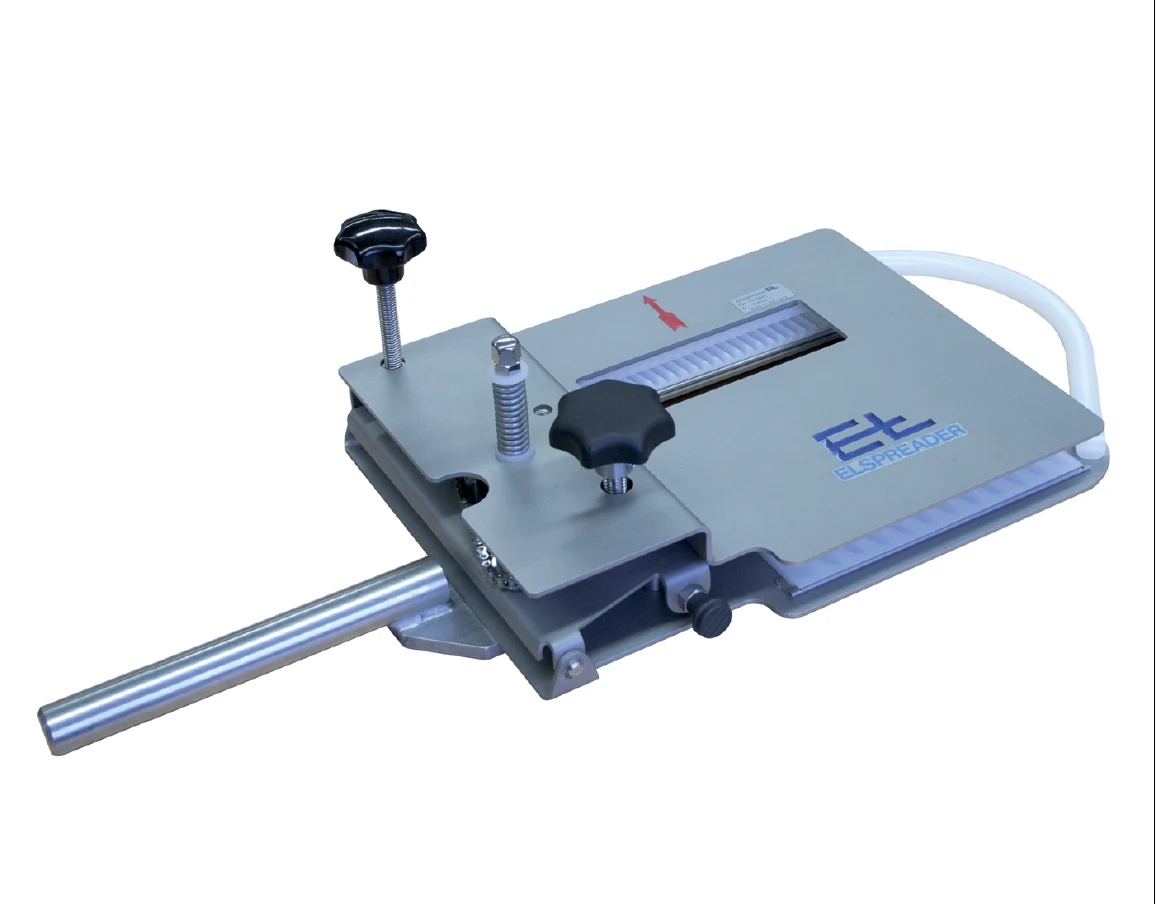
A selvedge uncurler is a specialised device used in the textile industry to properly open and flatten the edges of fabrics, particularly during processes like dyeing, finishing or printing.
Selvedge uncurlers are designed to mechanically or pneumatically open the selvedge of fabrics, ensuring smooth and damage-free processing. They are commonly used in textile machinery such as stenters, pre-shrinking machines and printing machines, to prevent fabric curling or edge damage during high-speed operations.
Mechanical (M). Uses physical contact to uncurl the fabric edges. Simple, cheap and effective on most cloth, but it does touch the fabric.
Pneumatic (P). Contactless operation, ideal for delicate fabrics. This is the type for ultra-delicate elastic knits, jersey, spandex blends and lightweight wovens that curl the moment tension drops.
Roller type. Includes two-finger, three-finger and four-finger designs, suitable for different fabric weights and speeds.
Finger count is not about coverage, it is about how gradually the edge is opened. Four fingers open the edge across a longer zone in stages, which is what a heavy or strongly curling edge needs. Three fingers give a shorter zone, suit medium-weight woven work, and fit where mounting space is tight.
Forcing a stubborn edge open in one step does not flatten it; it creases it, and the crease then runs the length of the roll.
On delicate or lightweight fabrics a metal guide can damage the edge. High-wear nylon is non-abrasive, reducing friction and edge damage, and it is resistant to heat and to the chemicals used in finishing processes. Nylon uncurlers are normally adjustable in height and angle for different fabric types.
Fitting one new uncurler against one worn one gives asymmetric edge behaviour and different wear rates on the two sides. Fit both, set them symmetrically, and record the settings per article so changeovers stop depending on who is on shift.
Mechanical uses physical contact to uncurl the edges and is adequate on most cloth. Pneumatic is contactless and is the choice for delicate fabrics, including elastane blends and fine jersey.
Two-finger, three-finger and four-finger designs, suitable for different fabric weights and speeds.
Metal guides can damage the edge on delicate or lightweight fabrics. Nylon is non-abrasive and resists the heat and chemicals used in finishing processes.
Stenters, pre-shrinking machines and printing machines, wherever a curled edge would cause damage or a defect at high speed.
Air-powered selvedge spreader that opens curled edges just before pinning, without touching the cloth hard.
View Details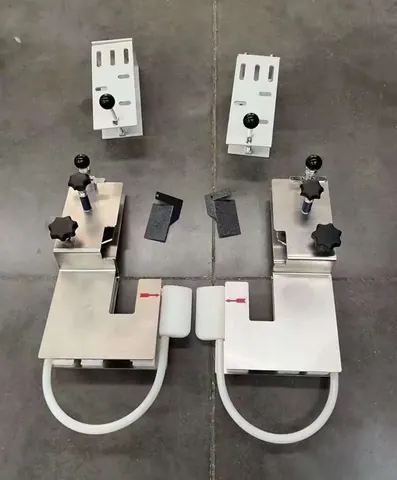
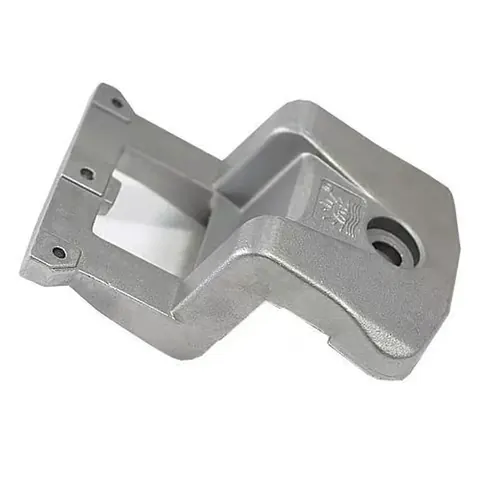
Non-abrasive nylon guide that flattens fabric edges without the damage a metal guide causes.
View Details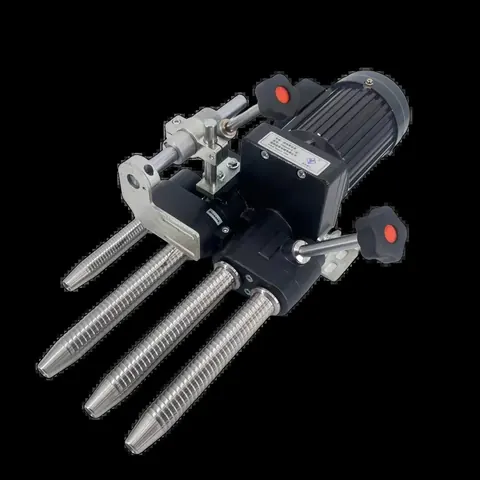
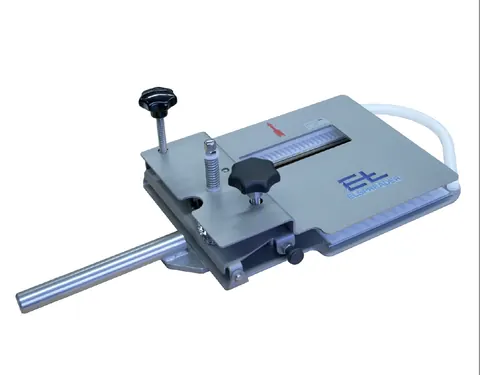
Four adjustable fingers giving a longer, more progressive edge opening zone at the infeed.
View Details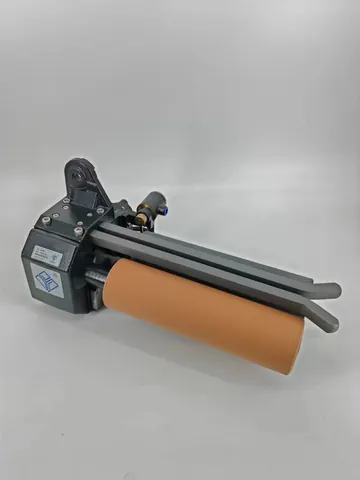
Replacement PEEK roller for roller-type selvedge uncurlers on stenters, pre-shrinking and printing machines.
View DetailsThe stenter heat-sets and dries fabric by stretching it to width and holding it there under controlled heat.
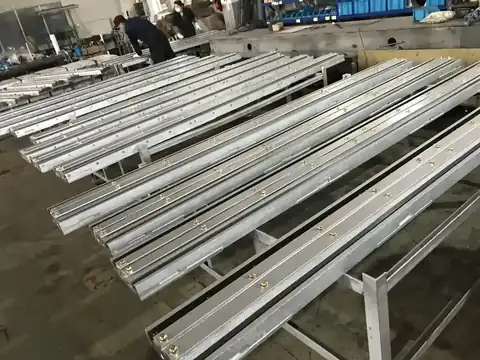
Entry section, clip or pin chains, rails, heating chambers, exhaust, blowers, temperature control, width adjustment and weft straightener.
Clips leave no pin marks and suit thicker fabrics; pins hold more tension and run faster, to 100 m per minute.
Send the machine brand and a photo of the part. We identify the specification and quote it, usually the same day.