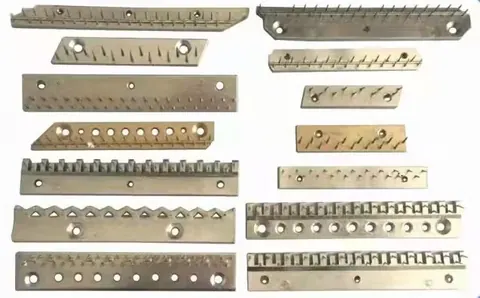
Pin Plate For Stenter Machines
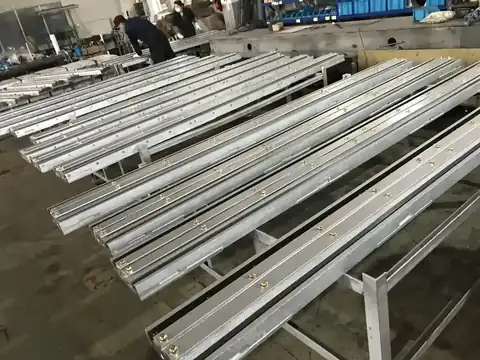
The standard pin plate: two rows of roughly 5 mm pins at 3 to 4 pins per cm on a hardened base plate.
View Details
By Machine Brand
By Part Type
Wear Parts and Equipment
Research, credentials, a factory visit, references, samples and a clear contract, in that order.
Identify the type of product you want to source and the region you want to source it from. Online directories such as Alibaba or Global Sources will find factories producing what you need, and trade associations or government agencies can add information about factories in a particular region.
For stenter parts specifically, the region matters. Shaoxing and the wider Keqiao district in Zhejiang is one of the largest textile manufacturing clusters in the world, which is why the machinery parts supply chain sits there.
Check whether the factory is registered with local authorities and has the necessary licences to operate. Certification against international standards such as ISO or CE gives an idea of a factory's commitment to quality and compliance.
Ask specifically what the certification covers. A certificate that applies to a different product line is not evidence about the part you are buying.
Visiting the factory in person gives a better understanding of capabilities and processes, and it builds a relationship. During a visit, ask to see the production line, the quality control processes and sample products, and meet the management team to discuss your requirements and expectations.
Ask for references from existing customers and contact them about quality, delivery times and overall customer service. That gives a picture of reputation and reliability that no certificate provides.
On machinery parts, a sample is worth more than any document. Send a worn part, get a first article back, fit it, and only then commit to a full bed or a full chain run.
This is the step most buyers compress, and it is the one that catches a misread dimension while it is still cheap to fix.
Negotiate price, payment terms, delivery time, packaging and any other relevant details, and make sure a written contract sets out all of them. For wear parts, add the specification reference, so a repeat order is placed against a recorded dimension rather than against a memory.
Registration and licences, certification against international standards, references from existing customers, and above all a first article made from your own sample part.
It is not always possible, but it gives the clearest picture of capability and it builds the relationship. Where a visit is not possible, a trial order serves a similar purpose more slowly.
A trial section rather than a full bed. Confirm fit on the machine before committing.
Price, payment terms, delivery time, packaging, and the specification reference for the part, so repeat orders are placed against a recorded dimension.
The standard pin plate: two rows of roughly 5 mm pins at 3 to 4 pins per cm on a hardened base plate.
View Details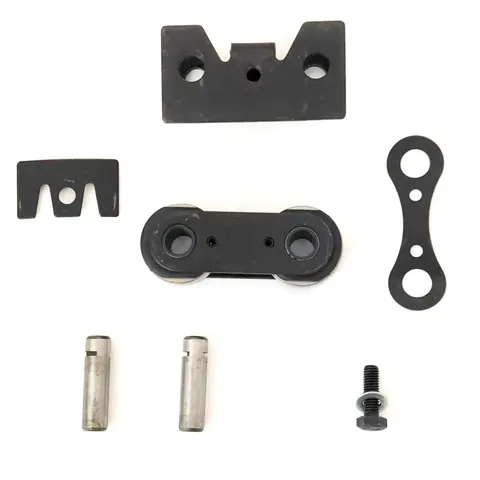
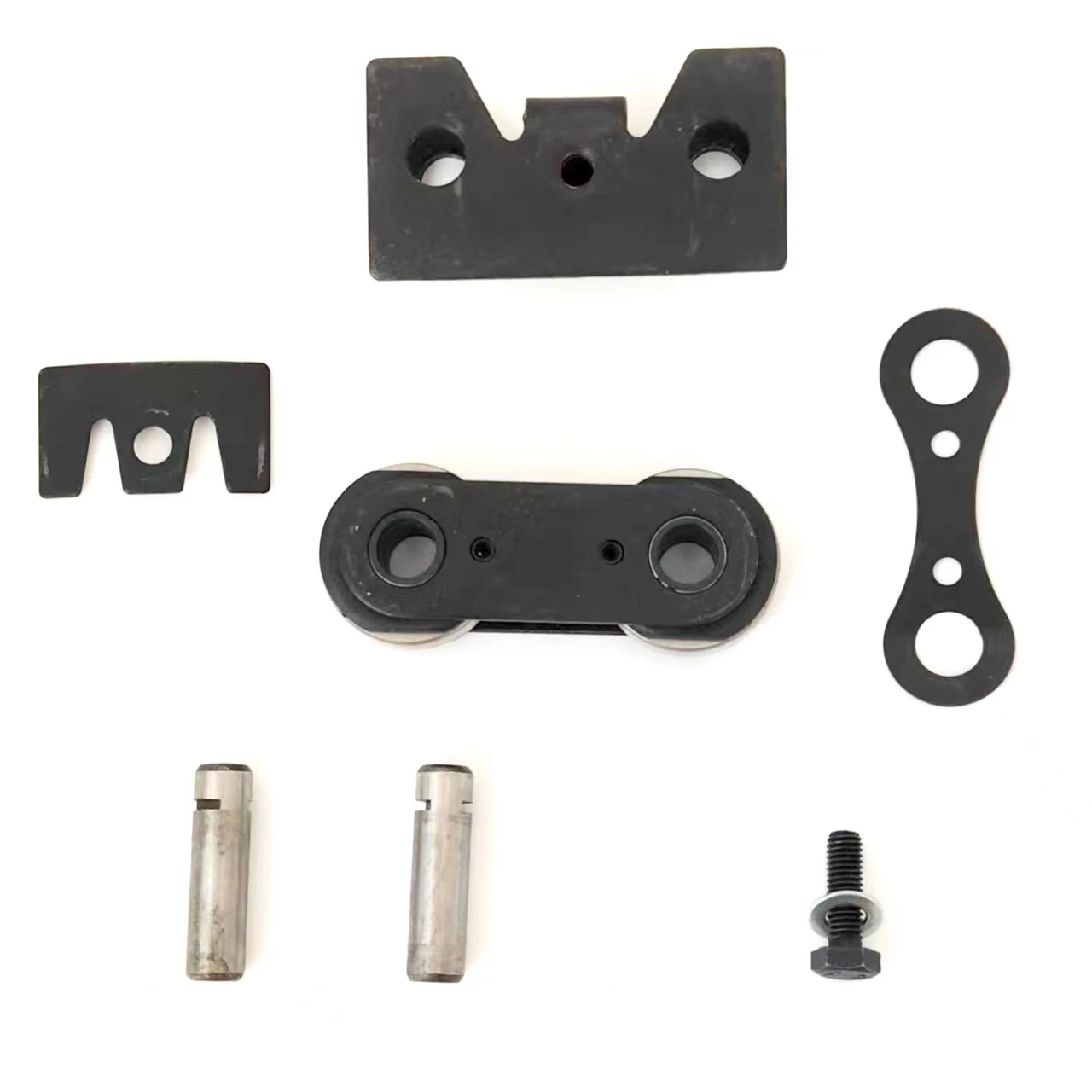
Loose chain components for Monforts oil-free guide frames: connectors, pins, PEEK bushes, dust covers and wear sleeves.
View DetailsThe stenter heat-sets and dries fabric by stretching it to width and holding it there under controlled heat.
Entry section, clip or pin chains, rails, heating chambers, exhaust, blowers, temperature control, width adjustment and weft straightener.
Clips leave no pin marks and suit thicker fabrics; pins hold more tension and run faster, to 100 m per minute.
Send the machine brand and a photo of the part. We identify the specification and quote it, usually the same day.