
Stenter Machine Guides and Reference
17 guides on choosing, measuring, fitting and troubleshooting stenter parts, written from the enquiries mills send us. Covering Buying Guide, Comparison Guide, Industry Article, Industry Guide, Machine Guide, Maintenance Guide, Material Guide, Process Guide, Product Guide, Reference and Troubleshooting Guide.
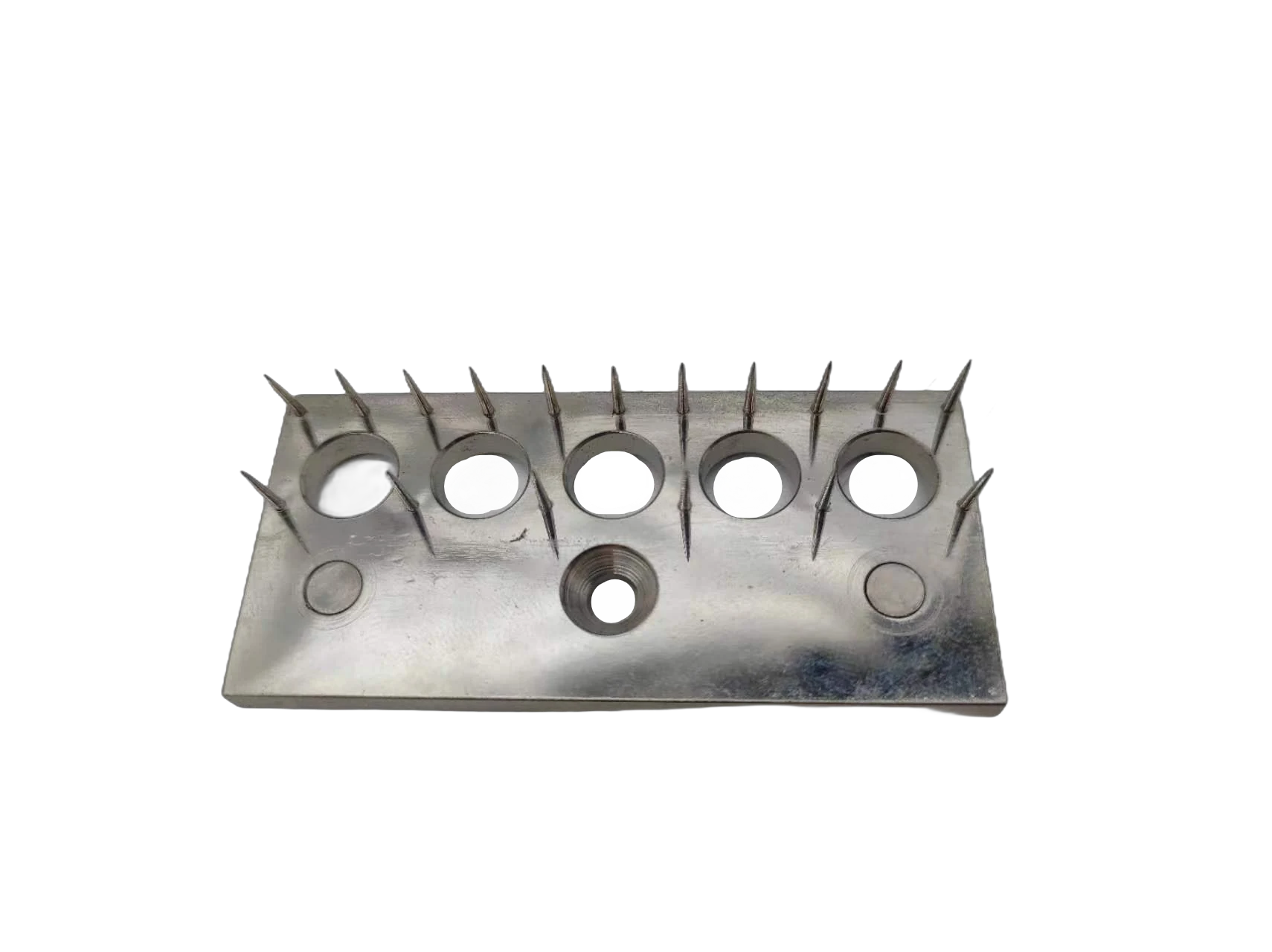
The Major Textile Machinery Exhibitions Around the World
ITMA, ITME India, ITMA ASIA, Techtextil, SIMATEX and SaigonTex. Where the finishing industry meets, and what a spare parts buyer actually gets out of going.
Read Guide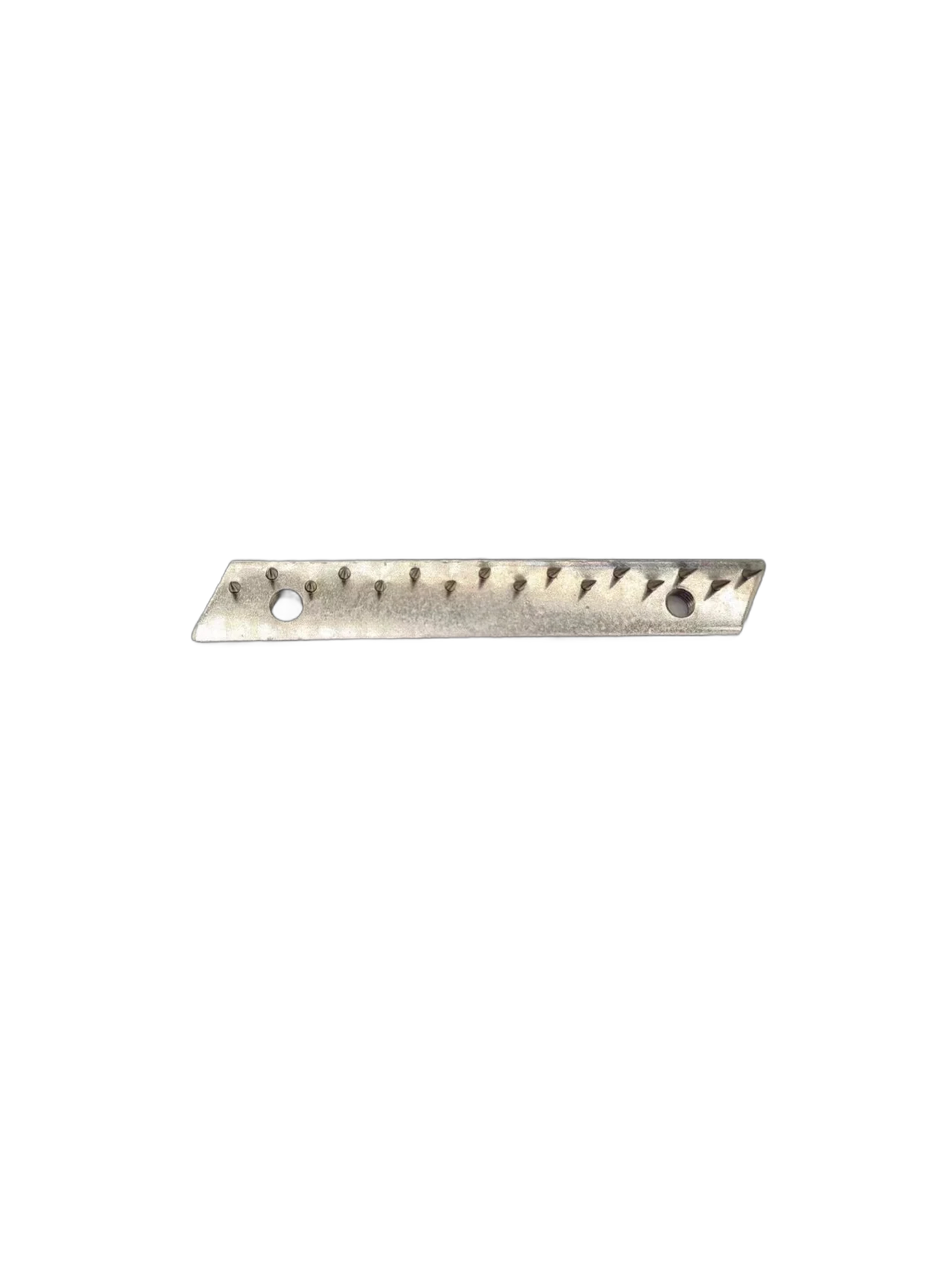
How to Choose a Stenter Spare Parts Factory
What to ask a supplier before the first order, from material specification to how they pack a rail set, and which answers should make you walk away.
Read Guide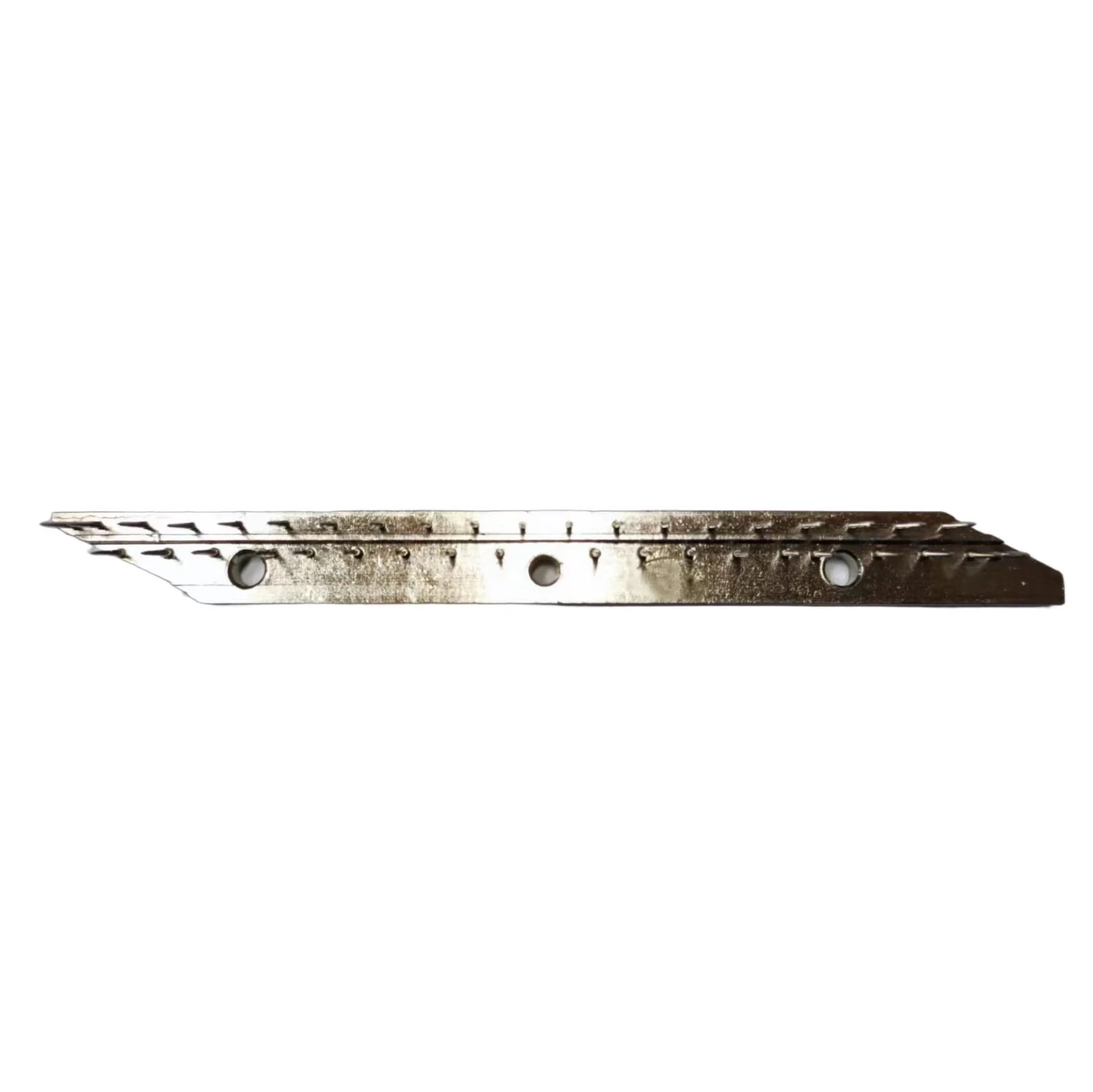
How to Import Stenter Spare Parts From China
Identifying parts without part numbers, proving the fit before a batch, and what a 7 day lead time does and does not mean.
Read Guide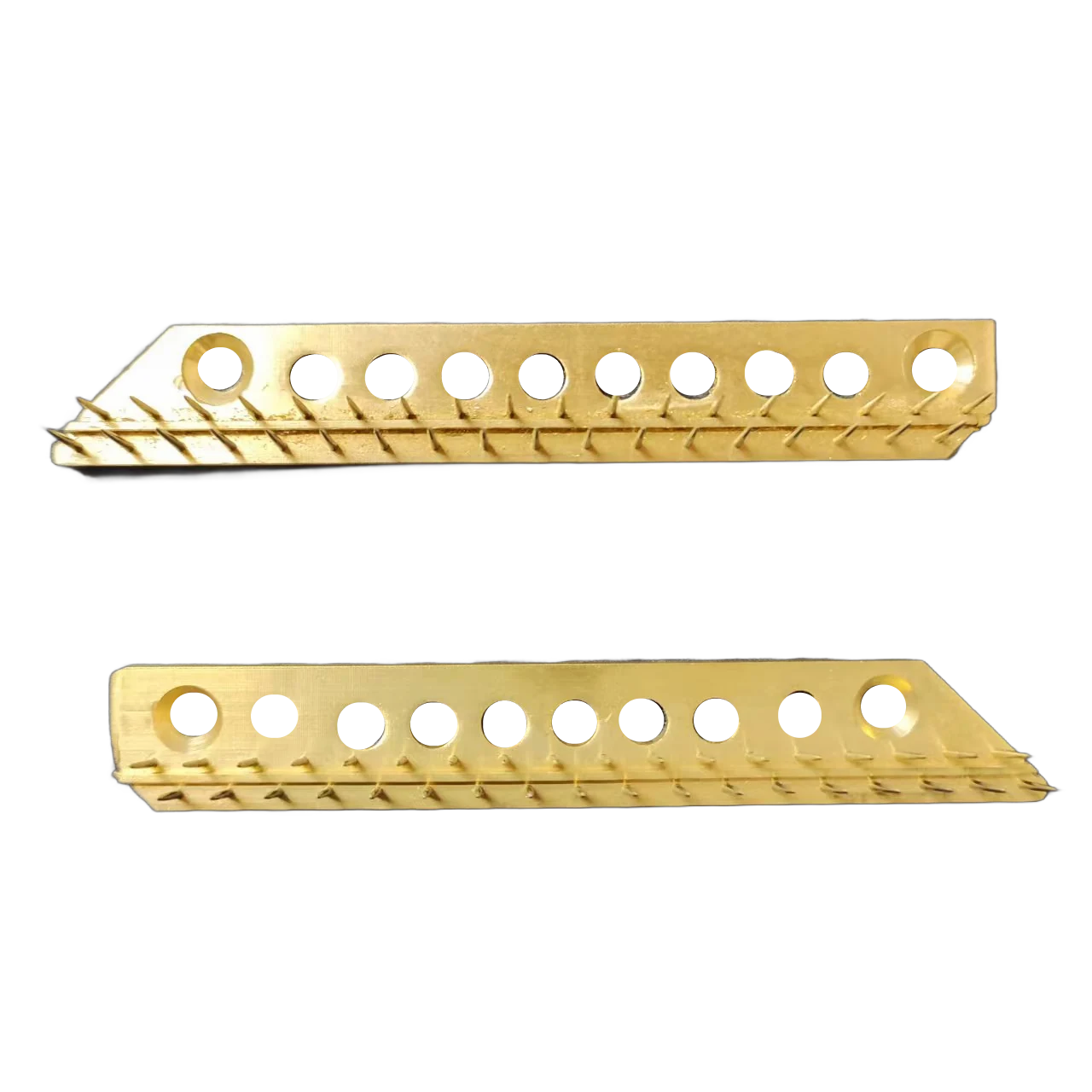
Stenter Pin Plate and Brush Wheel Size Reference
A working reference of the plate dimensions, hole centres and brush wheel sizes we hold, with the measurements to take before you order.
Read Guide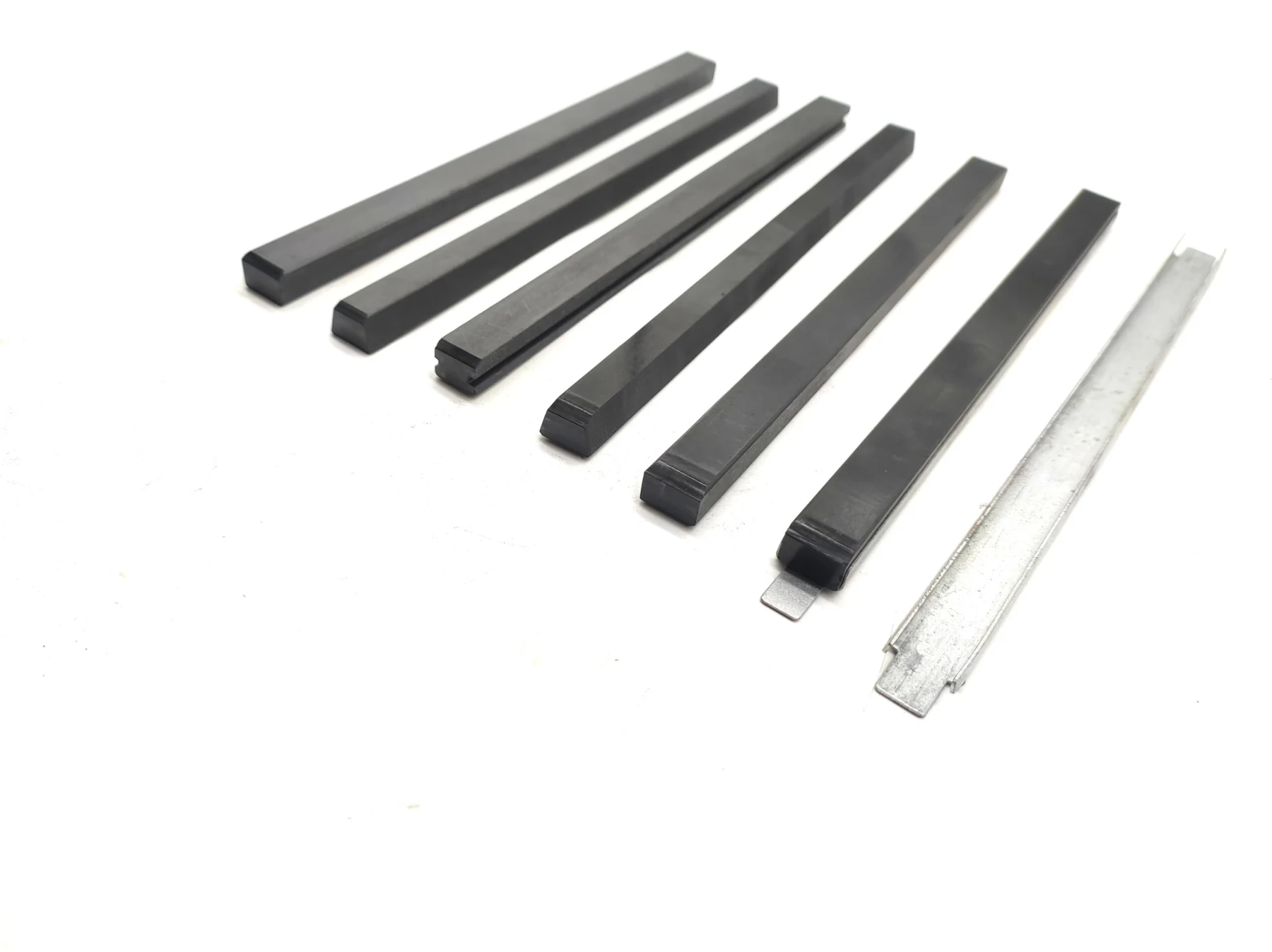
Oil-Free or Lubricated Stenter Guides
An oil-free guide keeps lubricant away from the fabric using graphite strips and PEEK sliders. A lubricated guide uses a grease film. The chain is different for each, and mixing them is a costly mistake.
Read Guide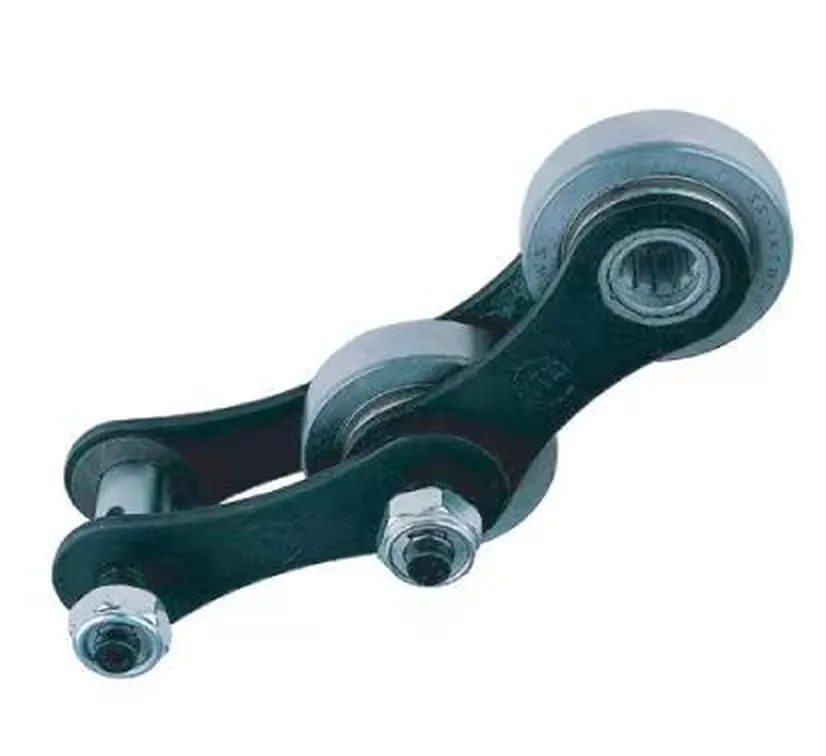
The Main Stenter Machine Brands and Where They Are Built
Bruckner, Monforts, LK, IL SUNG, Mamata, Harish, Babcock, Shaoyang, Artos, Stentex and Unitech, and what each one means for your spare parts list.
Read Guide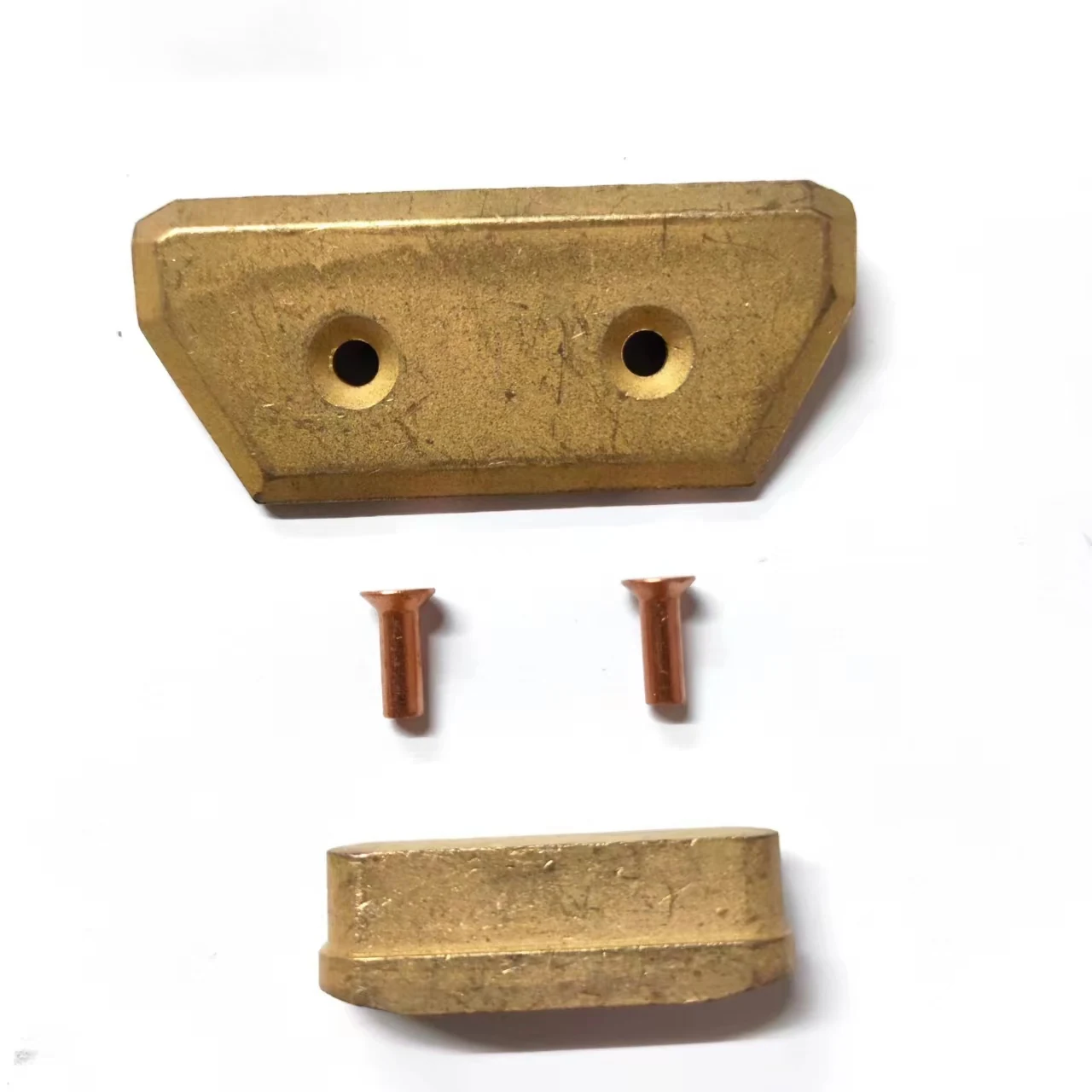
Artos Stenter Frames and Their Spare Parts
What an Artos stenter does, the fabrics it runs, and how to keep one in production once OEM parts support has thinned out.
Read Guide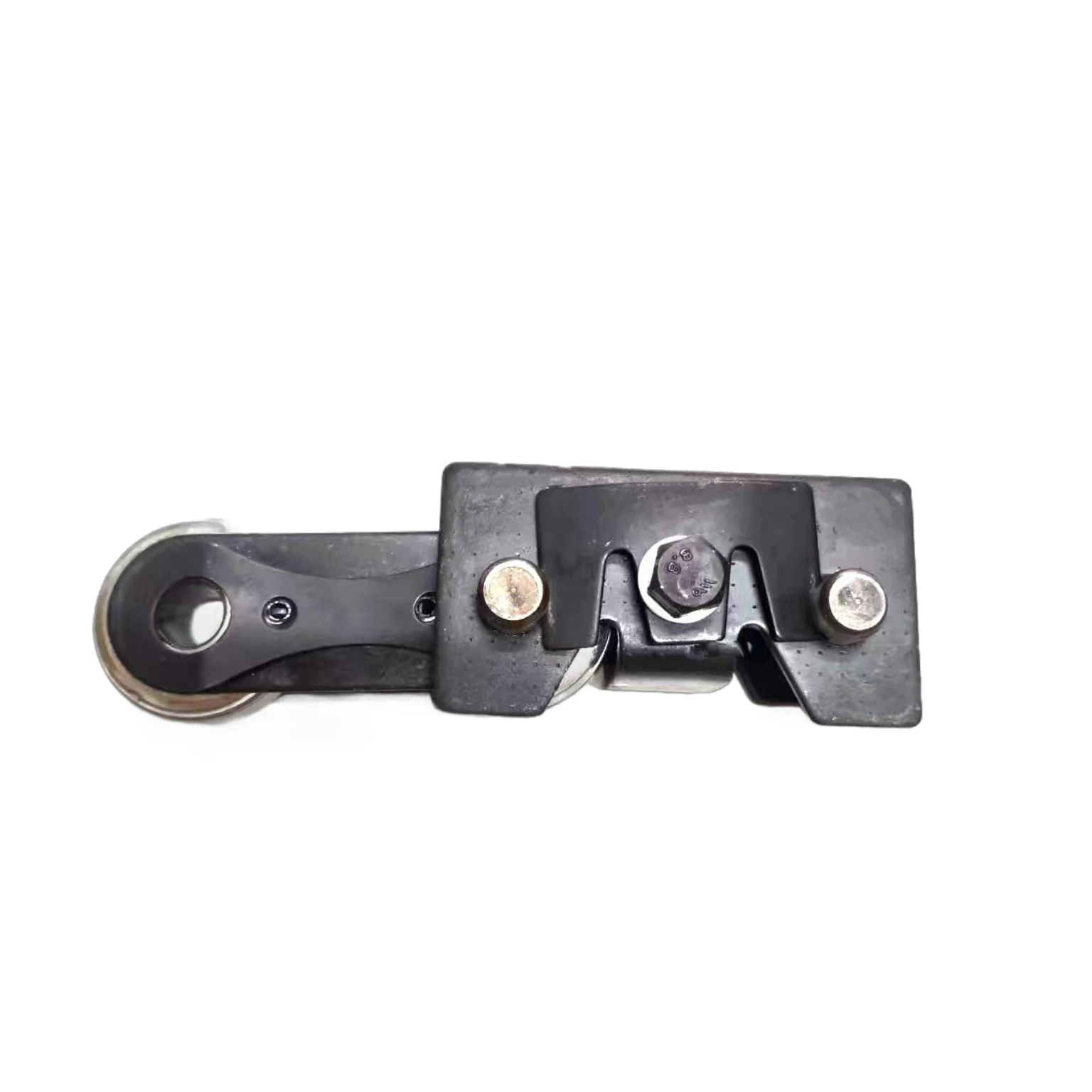
Monforts Stenter Machines and Their Wear Parts
TwinAir, ECO Booster, the Montex model range and the horizontal chain system. What makes a Monforts stenter, and which parts you will be reordering.
Read Guide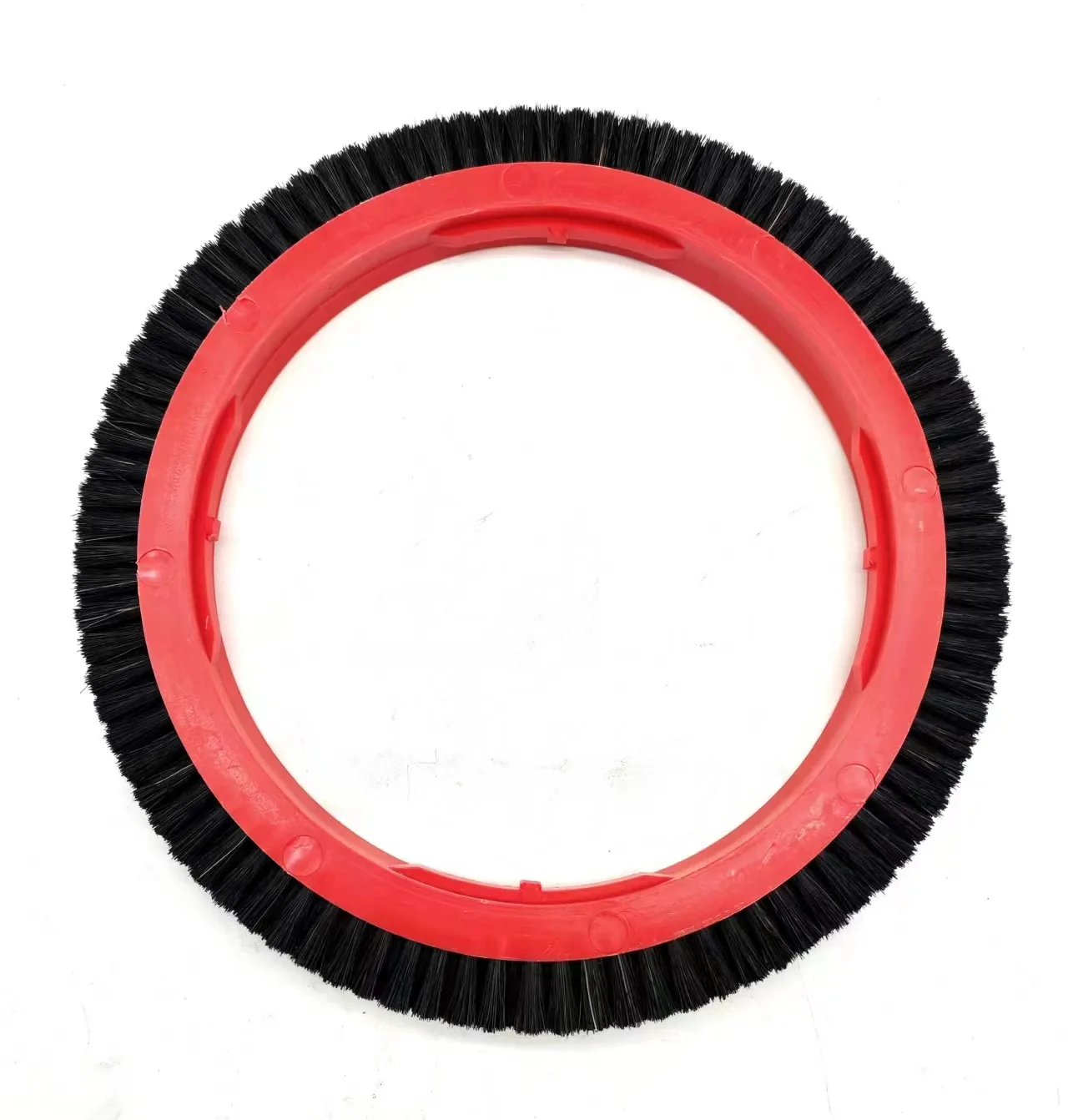
Why Fabric Leaves the Stenter Narrower Than It Should
Width loss is almost always a grip problem, not a setting problem. Work through the rail in order: brush, pins or clips, holders, chain, guide.
Read Guide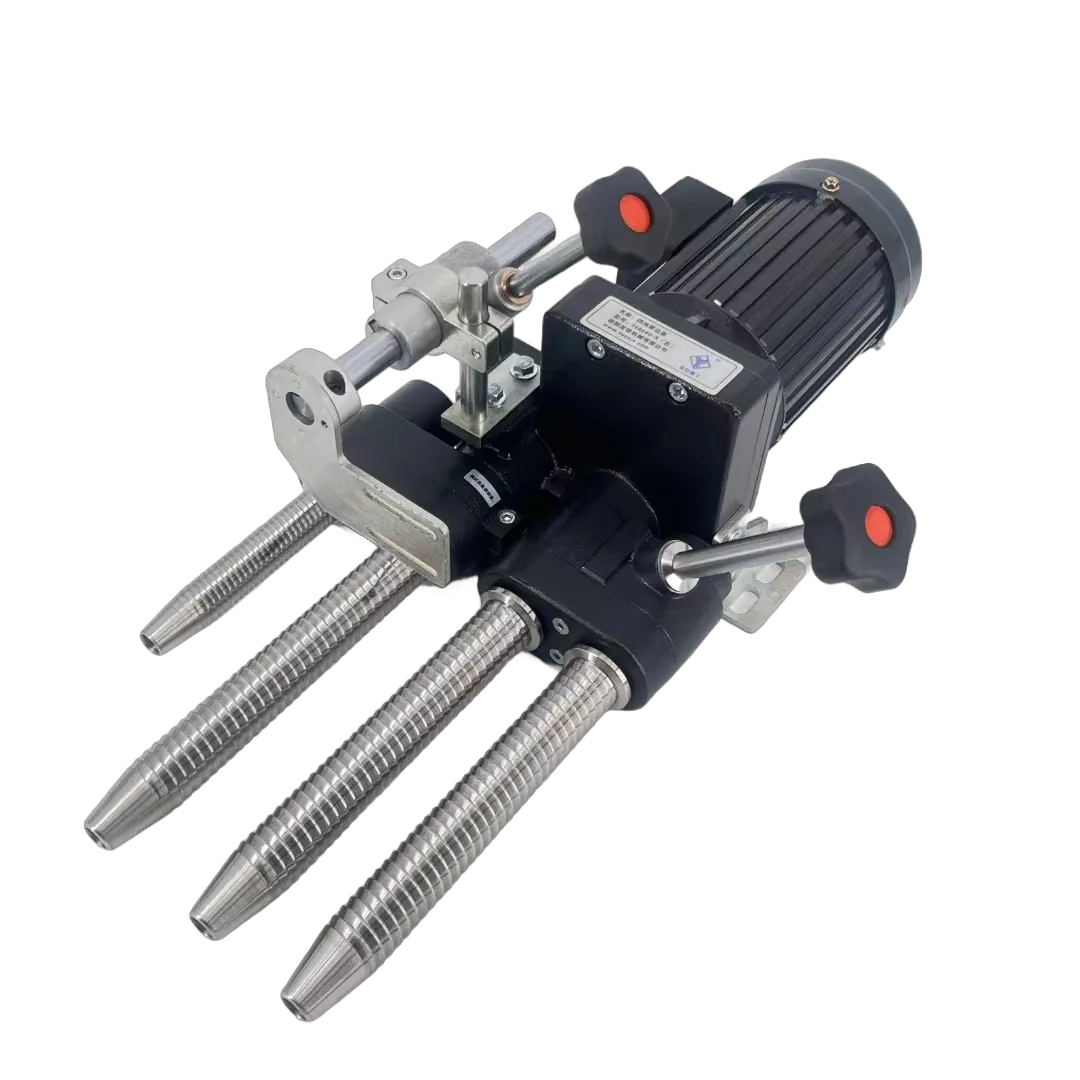
How to Choose a Selvedge Uncurler
Flat nylon, three finger, four finger or pneumatic. Match the device to how hard your fabric actually curls, and fit it at the infeed before the pinning point.
Read Guide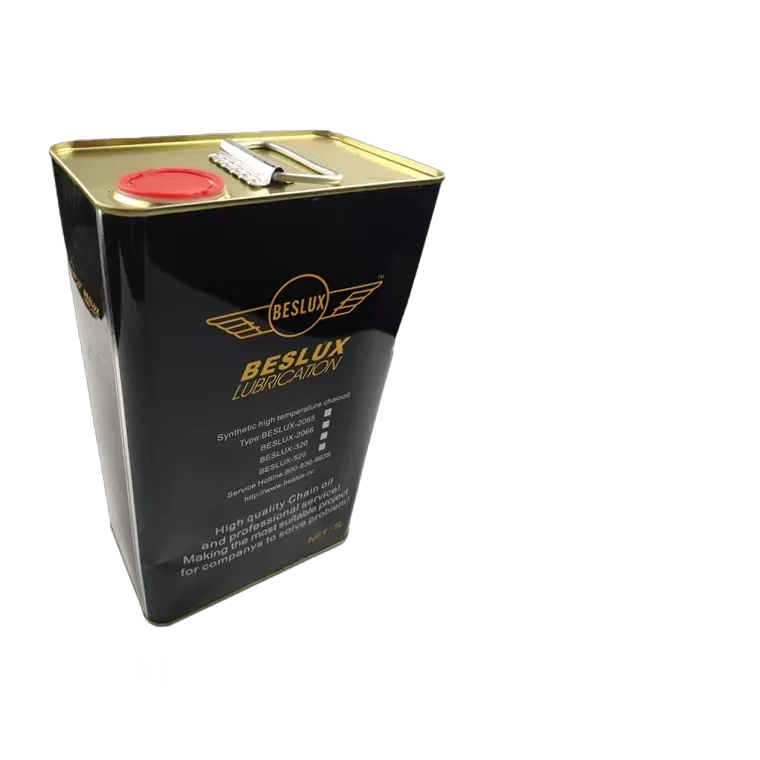
Stenter Chain Maintenance and Lubrication
Clean the guide and chain at least once a year, use a high temperature grease, and measure pitch over ten links before you decide to replace anything.
Read Guide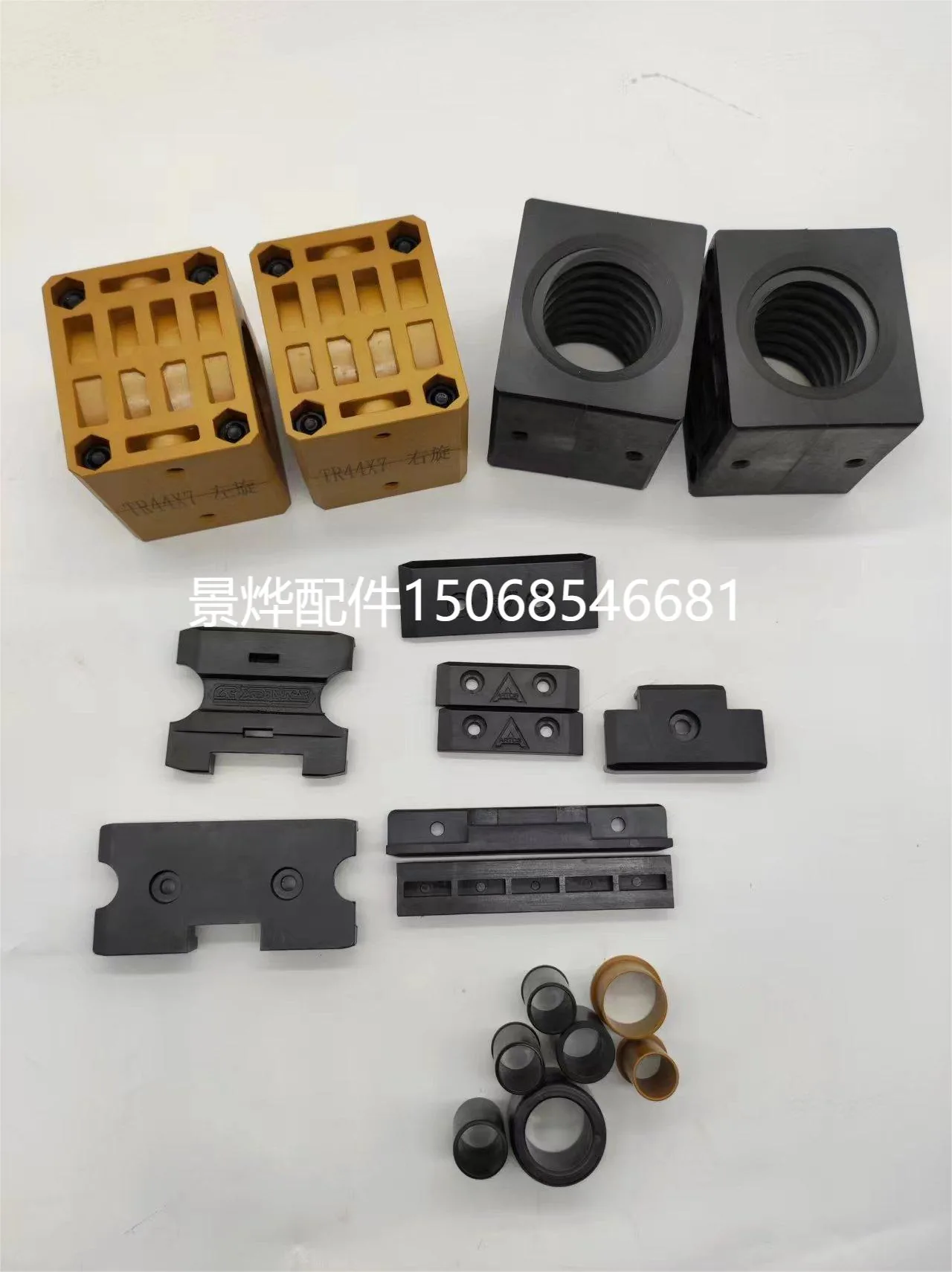
PEEK or Copper in a Stenter Chain
PEEK is self-lubricating and runs light and quiet. Copper carries more load. Where each belongs in a chain, and why PEEK replaced the copper mesh bush.
Read Guide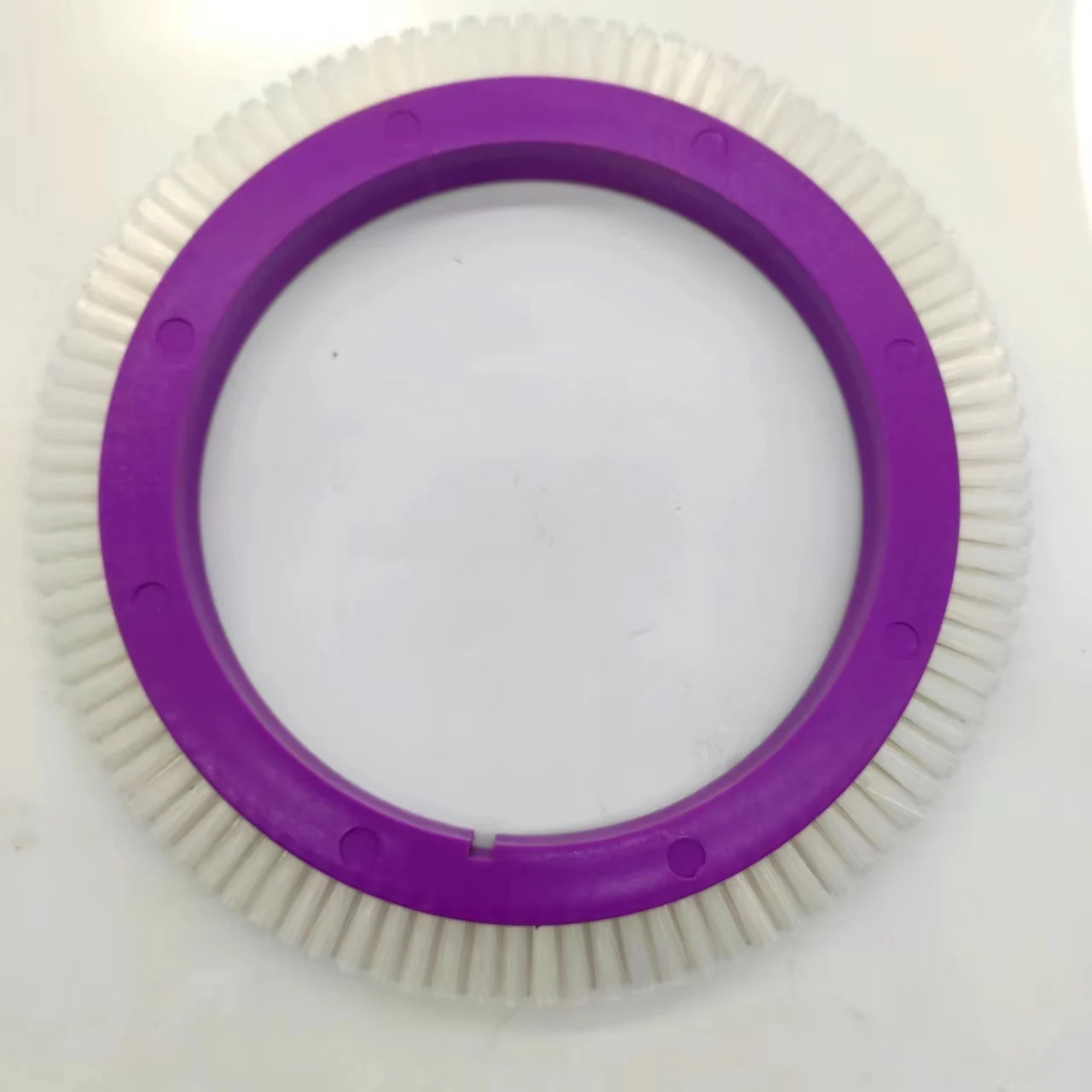
Choosing Brush Wheel Bristle for a Stenter Rail
PBT, pig hair, goat hair, horse hair or hard hair with glue. Six bristle types, what each one is for, and why wheel size has to be measured on body width as well as diameter.
Read Guide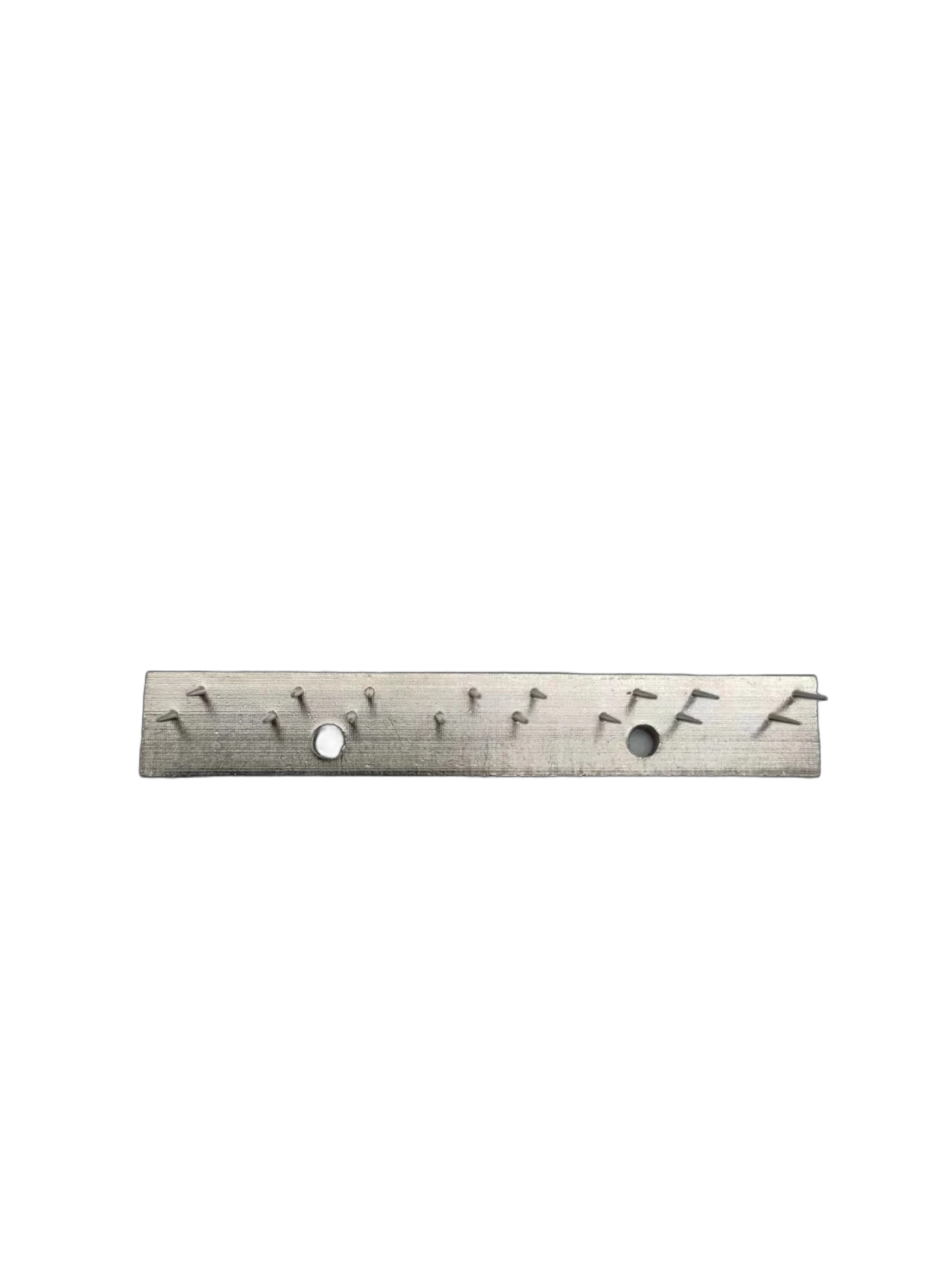
How to Choose and Order a Stenter Pin Plate
Order on hole centres and plate length, not on the machine brand. What to measure, which material to specify and why plates should be replaced in matched sets.
Read Guide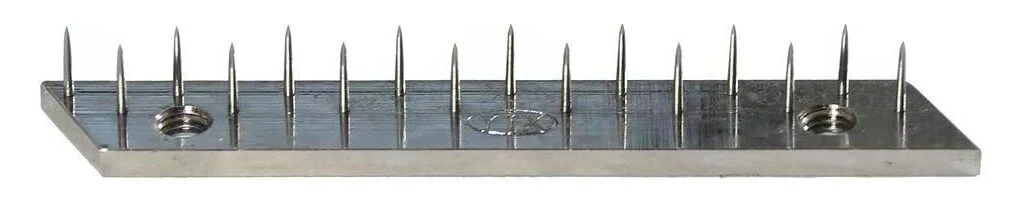
Pin Plate or Clip Which Stenter Rail Suits Your Fabric
Pins hold more tension and run faster but mark the selvedge. Clips leave the edge clean but need a real selvedge to grip. Here is how to decide, and what to do when you need both.
Read Guide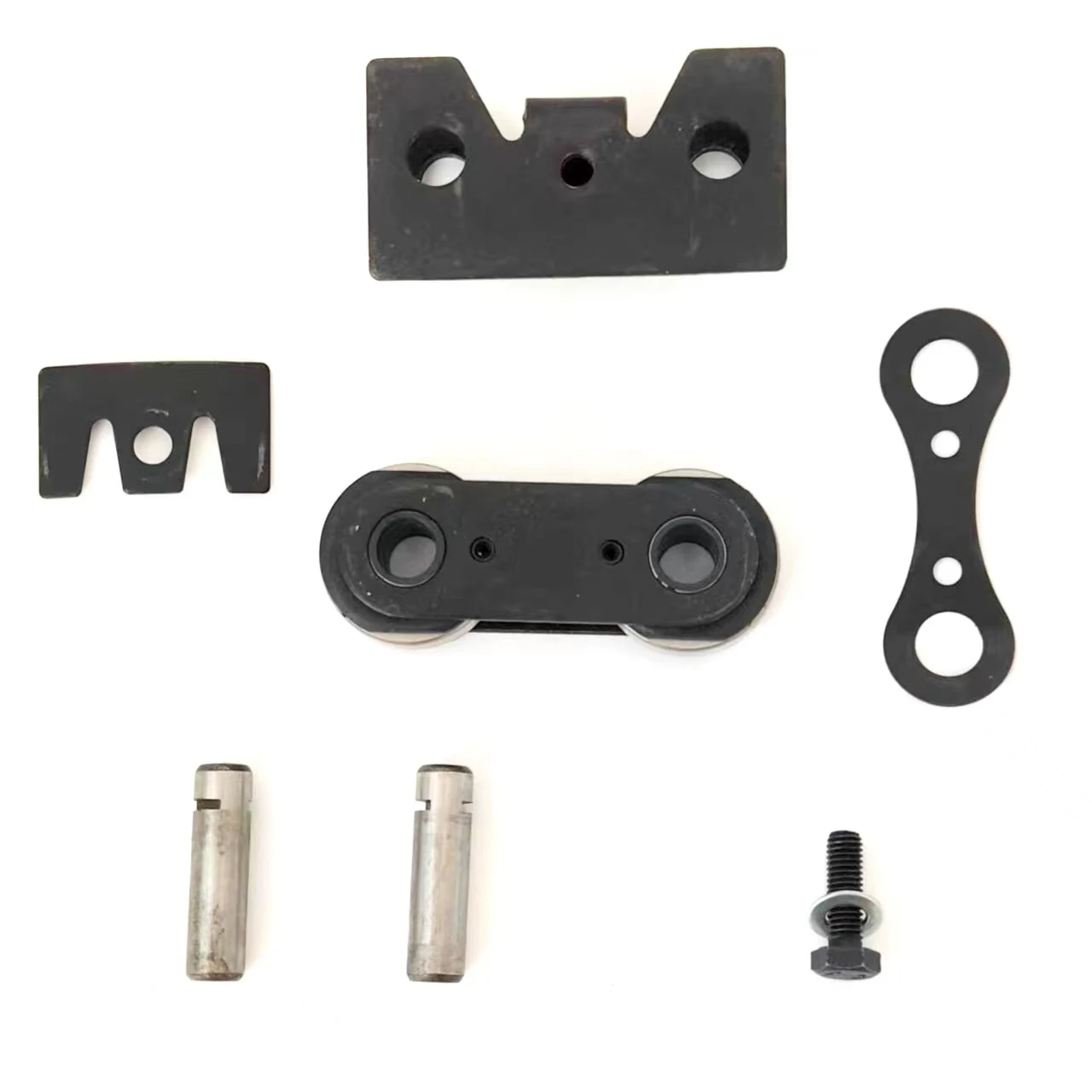
Key Parts of a Stenter Machine
Entry section, clip or pin chains, rail system, heating chambers, blowers, weft straightener, cooling and exit. What each part does and which ones you will be buying again.
Read Guide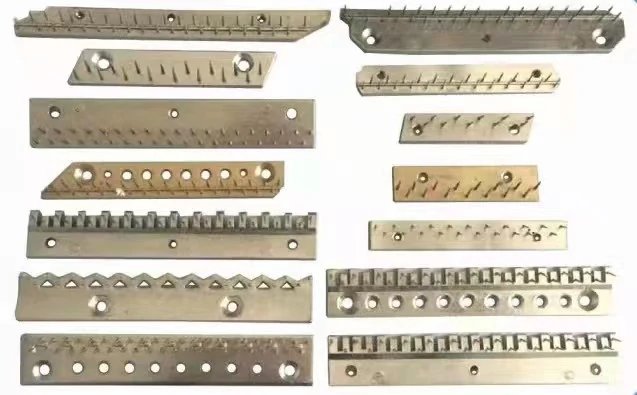
What Is a Stenter Machine and How Does It Work
A stenter heat sets and dries fabric by holding it at a controlled width while hot air passes through it. This guide walks through the process and names the parts that do the work.
Read GuideAbout These Guides
Who writes these guides?
We do, from the questions mills actually send us. Every dimension, material and process figure in them comes from the parts we make or from the machines our customers run.
Can I use these guides to identify my part?
That is what the size reference guide is for. It lists the plate dimensions, hole centres and brush wheel sizes we hold, and the measurements to take before you order.
I have a question none of these answer.
Send it to [email protected] or message us on WhatsApp. If it turns out other mills are asking the same thing, it becomes the next guide.
Still Not Sure Which Part You Need
Describe the symptom rather than the part. Cloth leaving the machine narrow, a frayed selvedge, a chain that snatches. We will tell you where to look first.