
How to Choose a Selvedge Uncurler
Flat nylon, three finger, four finger or pneumatic. Match the device to how hard your fabric actually curls, and fit it at the infeed before the pinning point.
· Yehang Stenter Parts
On This Page
Why the Edge Has to Be Open
A selvedge uncurler opens and flattens the edges of fabric during dyeing, finishing or printing. On a stenter it does one specific job: it makes sure the edge arrives at the pinning point flat instead of rolled.
An edge that arrives rolled gets gripped double. The pins go through two thicknesses, the fabric tears at the selvedge, and the width control the machine exists to provide is gone. Rolled or curled selvedges also cause uneven stretching and defects further down the line.
Related: Stenter Entry Section Equipment
Four Options in Order of Gentleness
Uncurlers work either mechanically, by physical contact, or pneumatically, which is contactless and suits delicate fabrics such as denim. Roller types come in two, three and four finger designs.
In practice you are choosing between four things. A flat nylon guide is the gentlest passive option. A three finger uncurler gives more positive control for moderate curl. A four finger uncurler spreads the flattening over a longer length for edges that roll hard. And a pneumatic spreader is the gentlest of all, for elastic knits and spandex blends that mechanical contact would ladder.
Flat Nylon for Delicate Goods
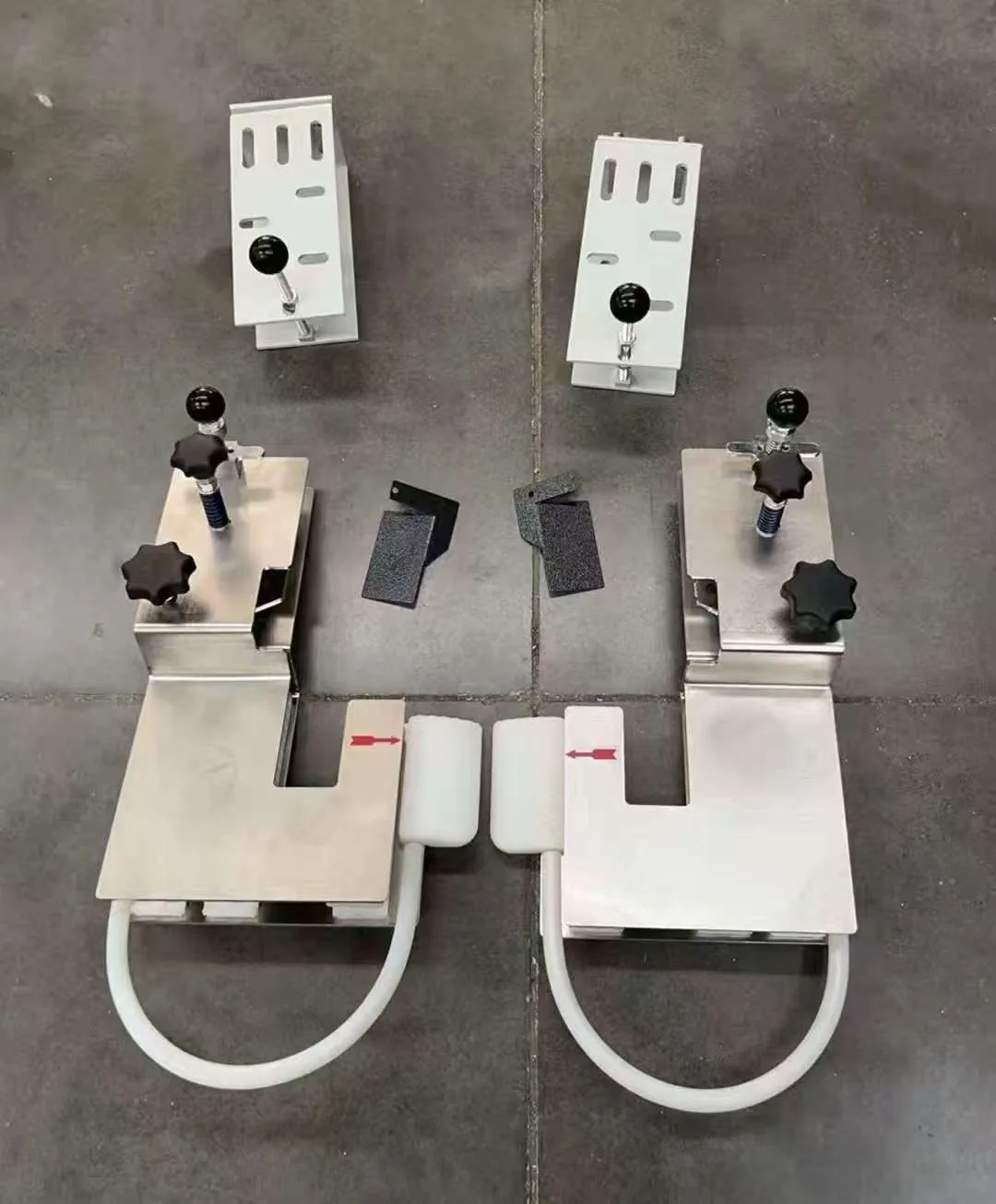
A flat nylon selvedge uncurler is made from high-wear nylon or polymer, so it handles fabric smoothly. It is non-abrasive, which reduces friction and edge damage, and it resists the heat and chemicals used in finishing.
The profile is flat or slightly curved so it opens the edge gently, and it is usually adjustable in height and angle for different fabric types. It can replace a metal uncurler anywhere softer handling is needed.
Related: Flat Nylon Selvedge Uncurler
Fingers for Positive Control
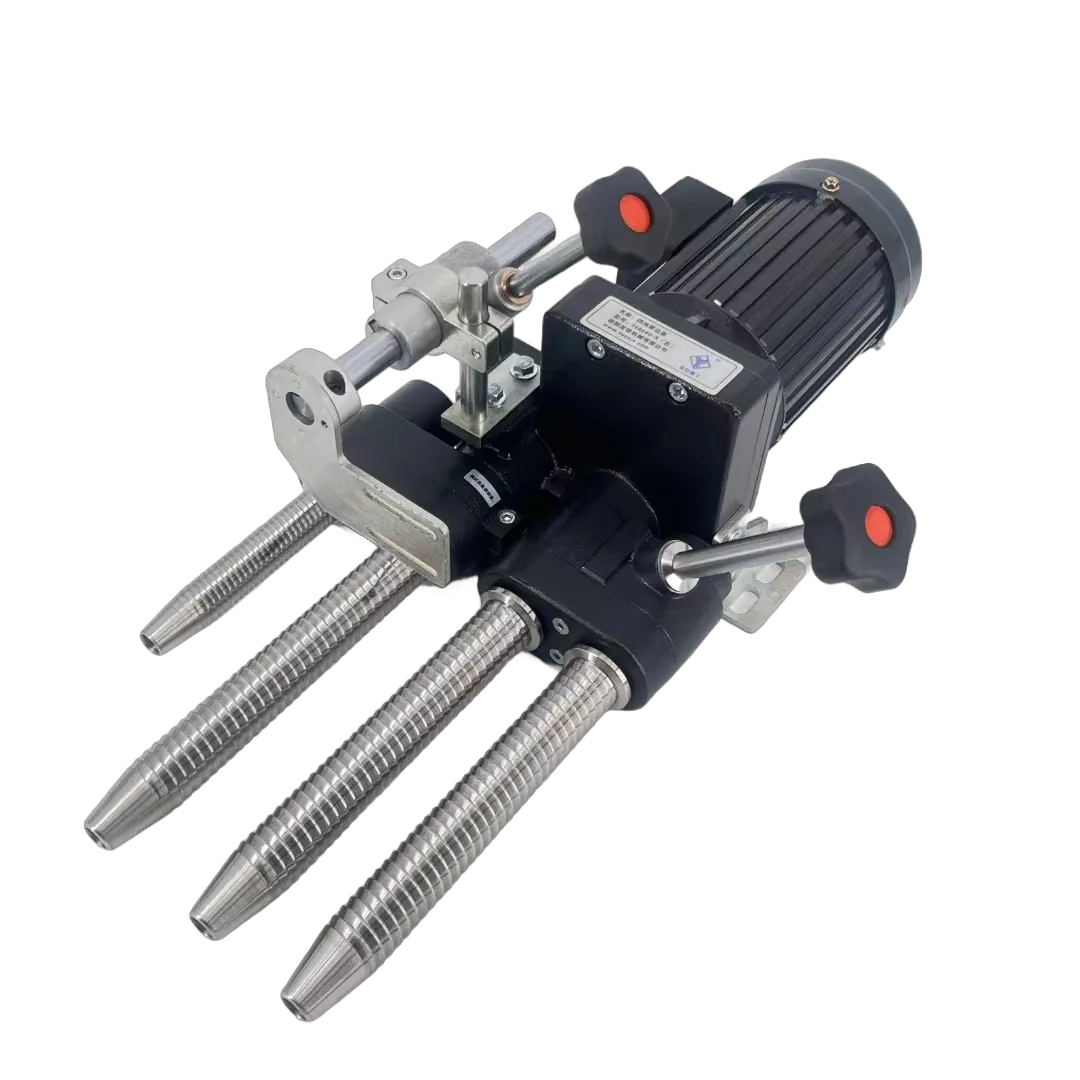
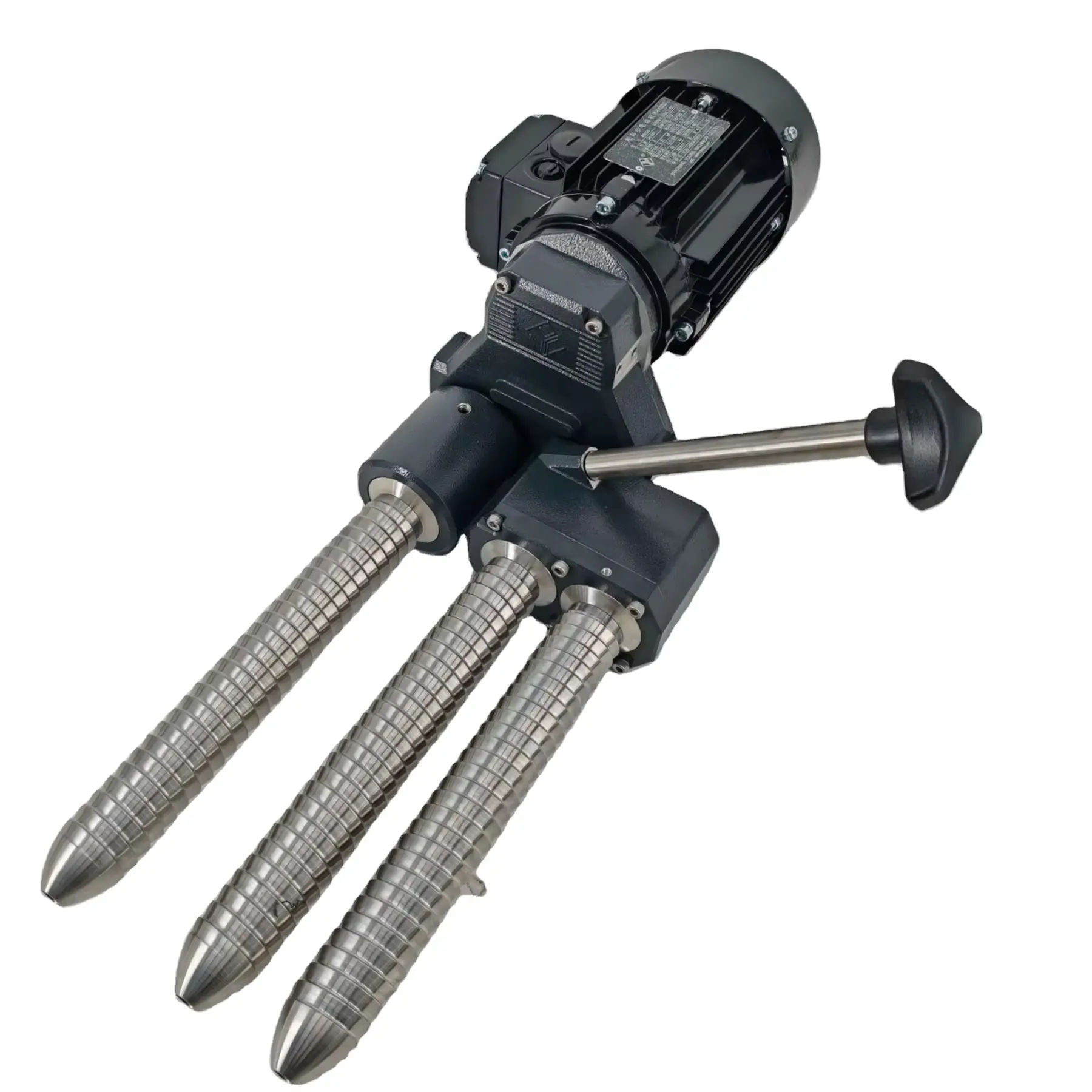
A finger uncurler has adjustable fingers that flatten the fabric edges as they enter the stenter. The fingers can be moved horizontally or vertically to suit different fabric types and widths, which is what makes them useful on a machine taking varied work.
Three fingers suit moderate curl. Four fingers spread the contact over a longer length of edge, which is what heavily curling knitted goods need. Both keep the fabric width consistent and the edge properly aligned into the chain clips or pins.
Pneumatic for Elastic Knits
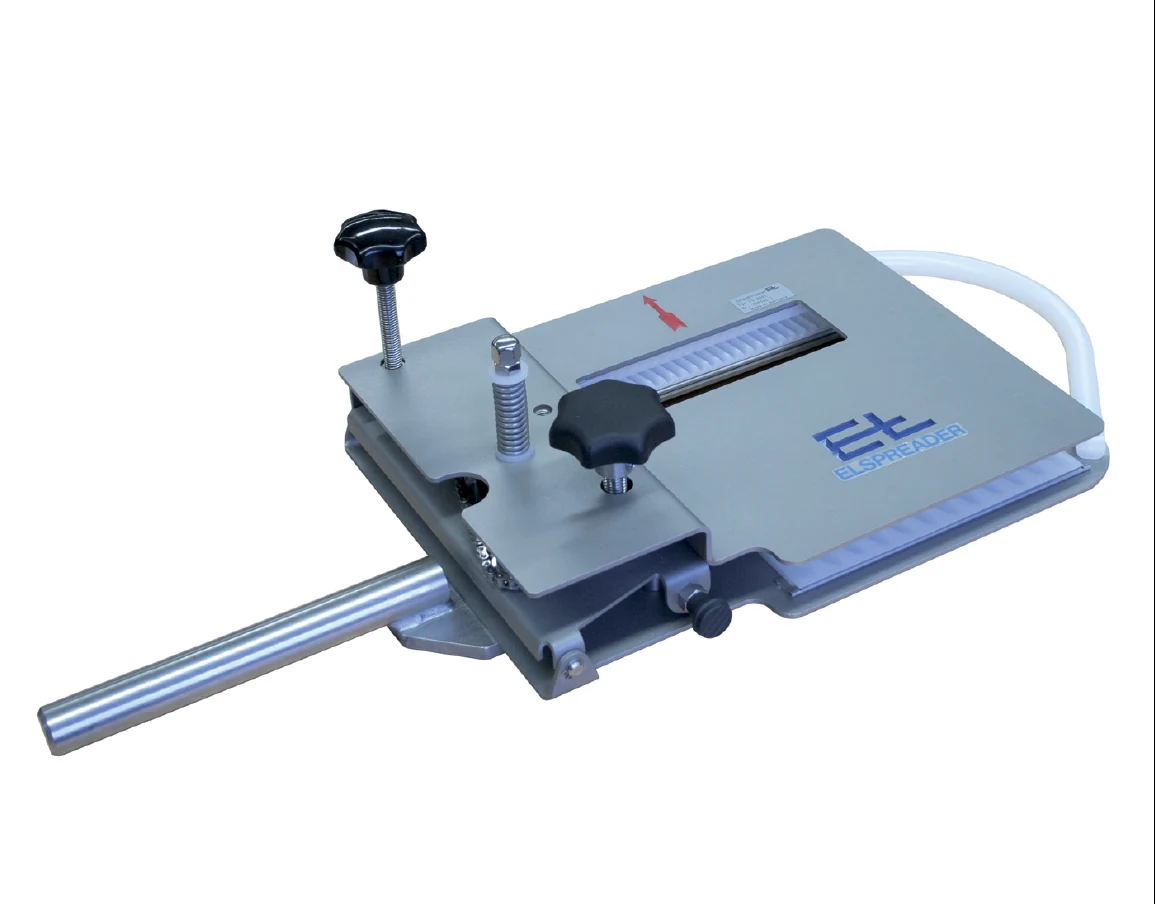
The E+L ELSPREADER LPA 03 is a pneumatic selvedge spreading device from Erhardt+Leimer of Germany. It flattens, uncurls and smooths curled, folded or frayed selvedges right before pinning on stenter frames, sanforizing lines and finishing ranges.
Being air powered, the edge opening is gentle, which is what ultra-delicate elastic knits, jersey, spandex blends and lightweight wovens need. It costs far more than a passive uncurler, and on the fabrics it is made for it earns the difference.
Look After the Rollers
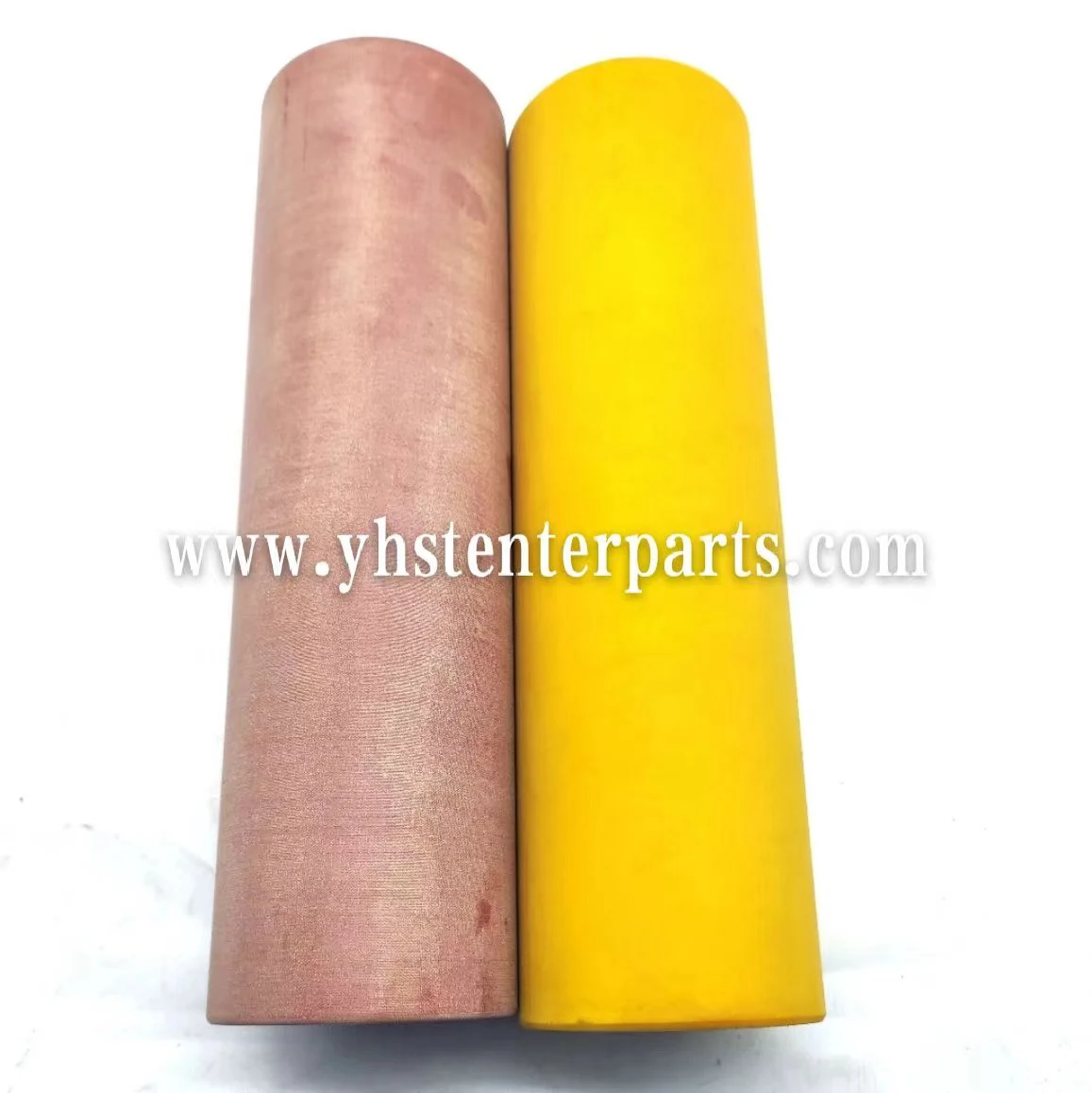
Whatever device you choose, the part that touches the fabric is a wear part. PEEK rollers are the usual choice because PEEK is self-lubricating, so the roller turns freely against the edge without grease anywhere near the cloth.
Inspect the working surface at every service. Once it has grooved, it stops turning cleanly and starts marking the fabric it was fitted to protect.
Related: PEEK Roller for Selvedge Uncurlers
Related Categories Industries and Solutions
More From the Knowledge Centre
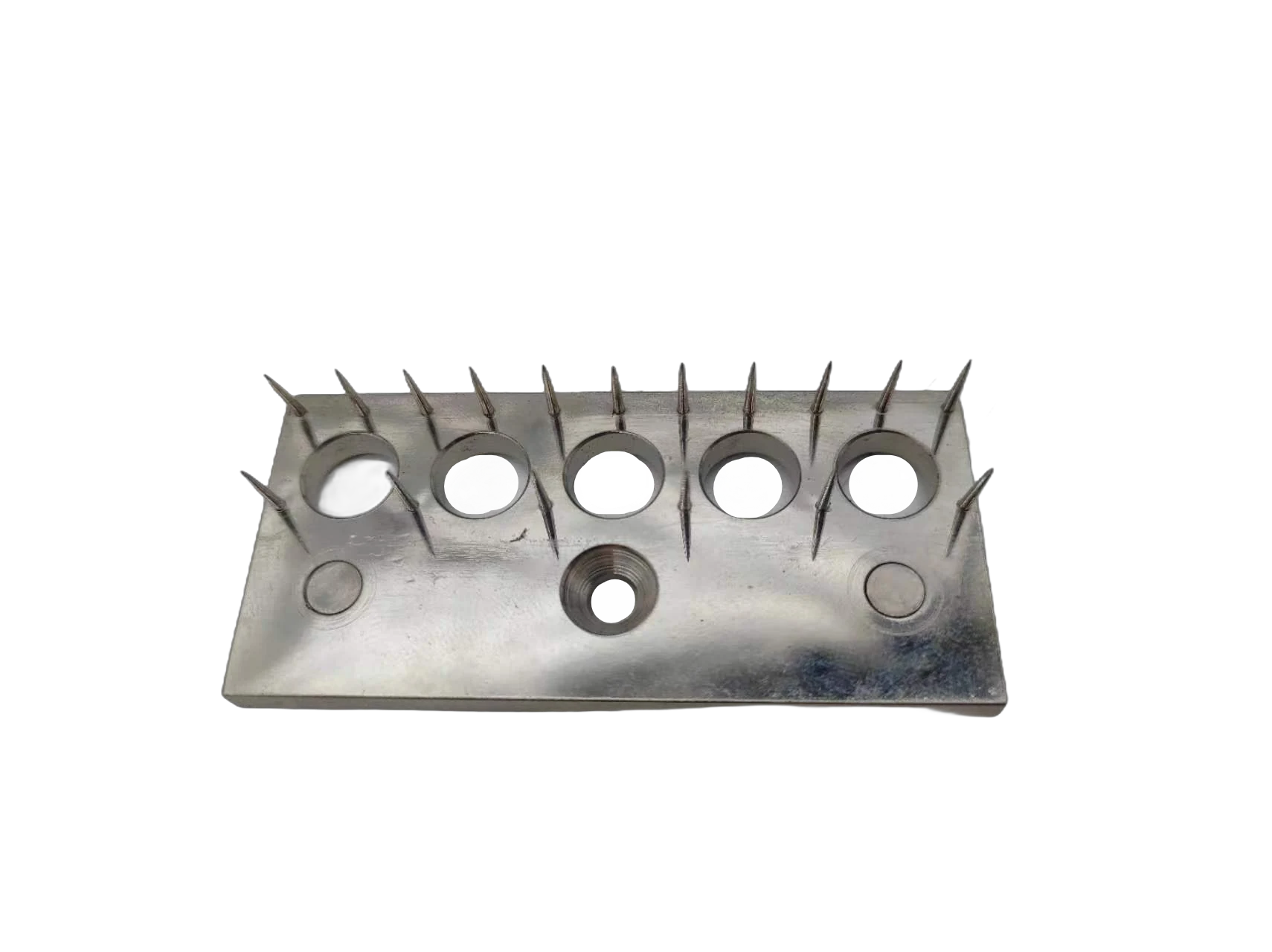
The Major Textile Machinery Exhibitions Around the World
ITMA, ITME India, ITMA ASIA, Techtextil, SIMATEX and SaigonTex. Where the finishing industry meets, and what a spare parts buyer actually gets out of going.
Read Guide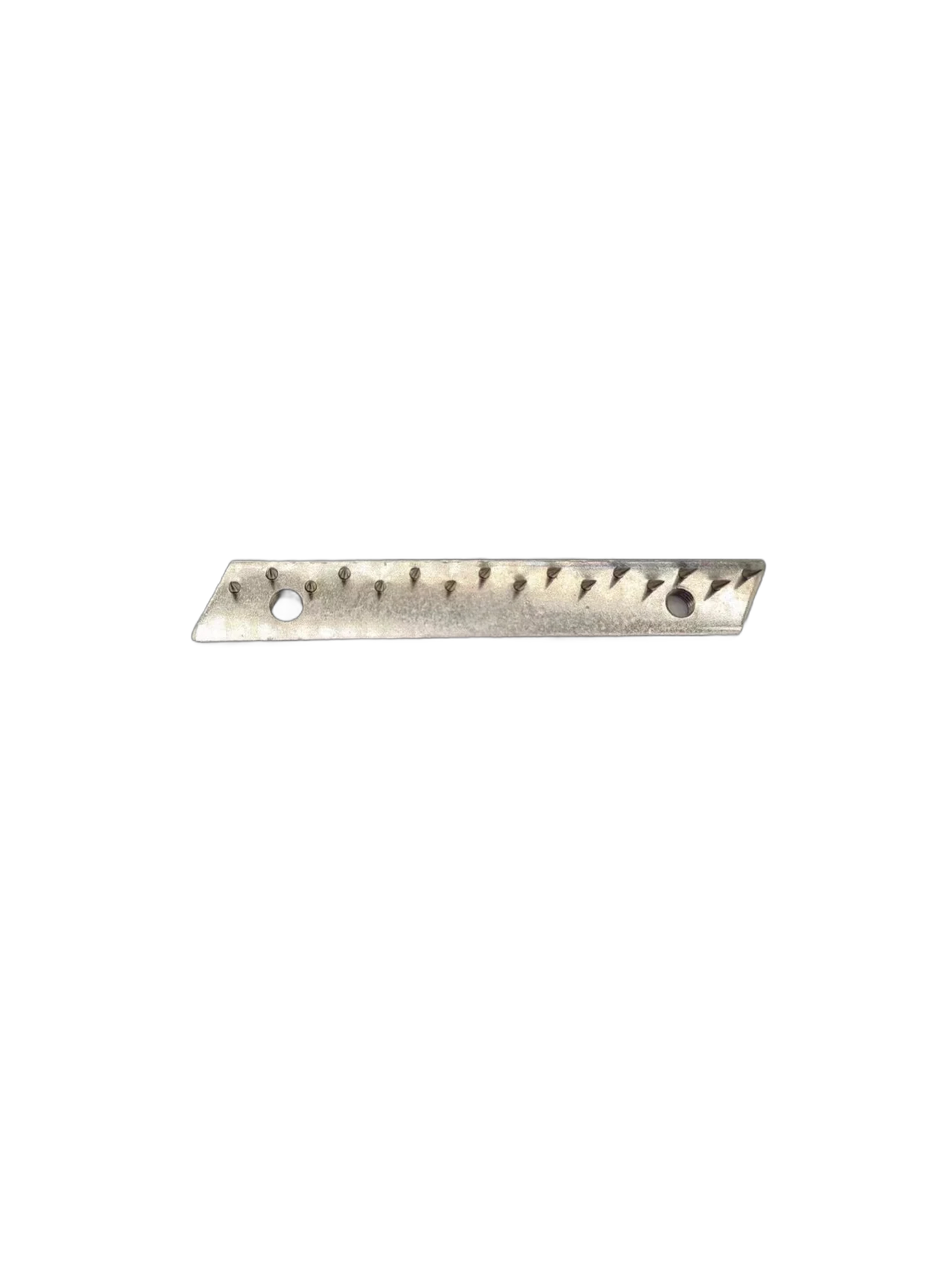
How to Choose a Stenter Spare Parts Factory
What to ask a supplier before the first order, from material specification to how they pack a rail set, and which answers should make you walk away.
Read Guide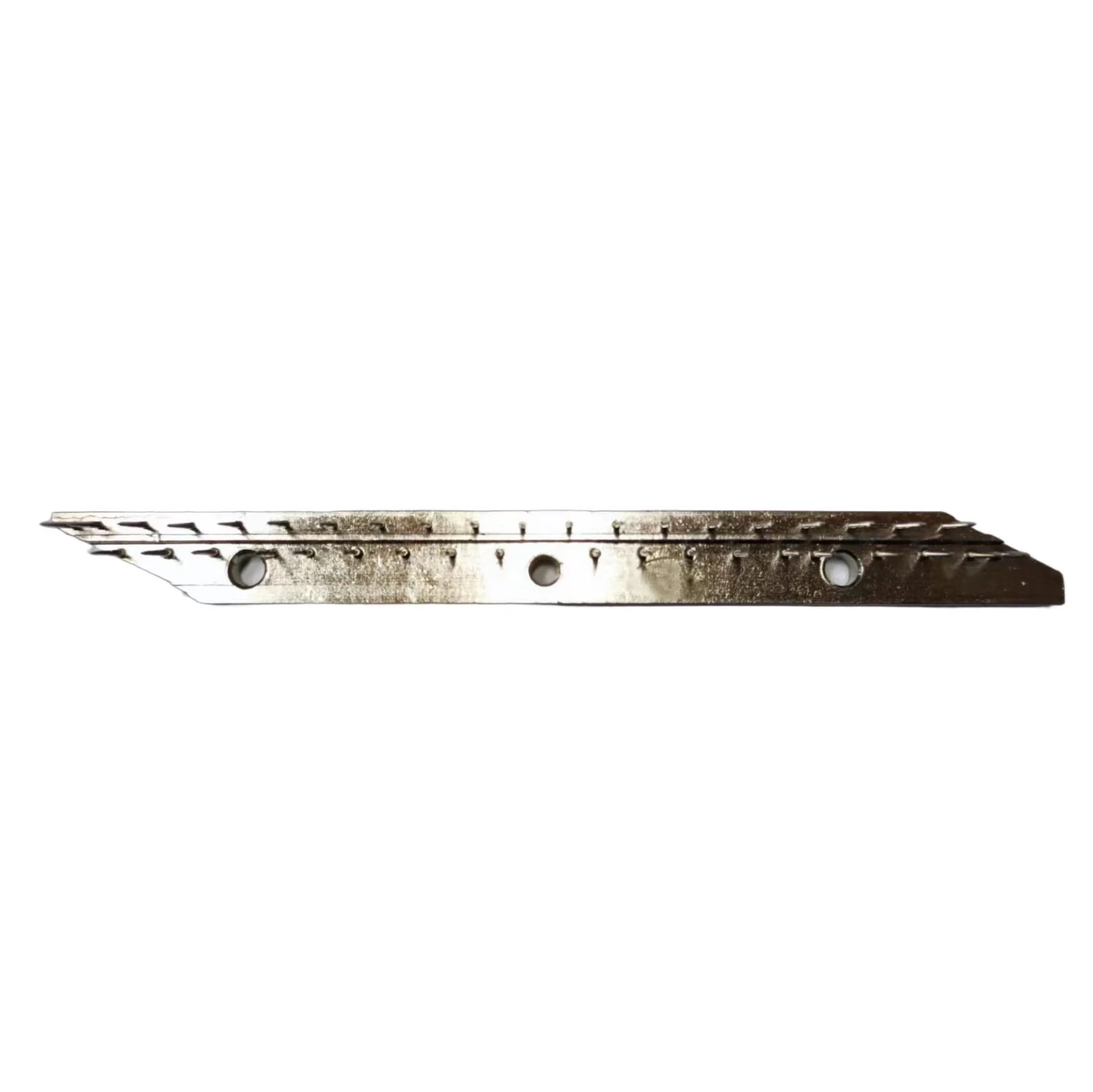
How to Import Stenter Spare Parts From China
Identifying parts without part numbers, proving the fit before a batch, and what a 7 day lead time does and does not mean.
Read GuideQuestions About This Guide
Where should an uncurler be fitted?
At the infeed section of the stenter, just before the pinning or clipping point, so the edge is flat when the pins or clips take it.
Three fingers or four?
Three for moderate curl and lighter fabric. Four when the edge rolls hard, typically on knitted goods, because the extra finger spreads contact over a longer length.
Is a pneumatic spreader worth the price?
On elastic knits, jersey and spandex blends, yes. Contactless operation is what stops a mechanical device laddering the edge.
Can nylon uncurlers replace metal ones?
Yes, wherever softer handling is needed. Nylon is non-abrasive and reduces friction and edge damage.
Put This Into Practice
Send a photo of the part with a ruler across the mounting and we will tell you what you are looking at and what it will cost to replace.