
Key Parts of a Stenter Machine
Entry section, clip or pin chains, rail system, heating chambers, blowers, weft straightener, cooling and exit. What each part does and which ones you will be buying again.
· Yehang Stenter Parts
On This Page
Entry Section
This is where the fabric is fed into the machine. It passes through guide rollers that make the entry smooth and aligned, which is what lets the processing stay consistent further down.
The entry section is also where edge problems get fixed or ignored. Selvedge uncurlers open a curled edge flat, and web guiders hold the opened edge in the right lateral position. Everything wrong at the entry gets worse at the rail.
Related: Stenter Entry Section Equipment
Clip Chains or Pin Chains
Clip chains or pin chains run down both sides of the machine and hold the edges of the fabric as it moves through. Depending on the fabric type, clips or pins grip the cloth without damaging it, and the chains are what keep the fabric's width and stop it distorting during stretching and heat setting.
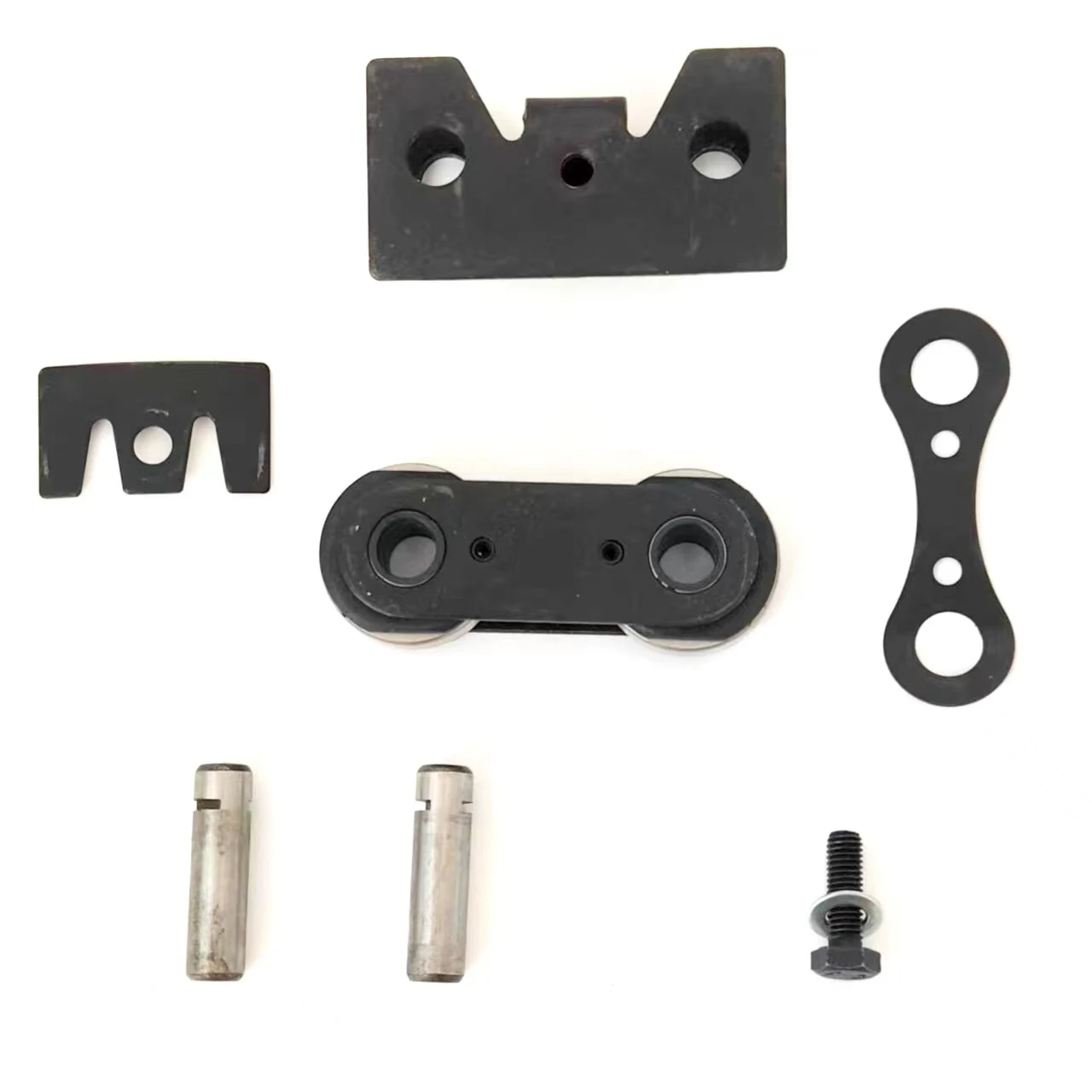
These are the parts a finishing mill buys most often. A chain is built from connectors, U-shaped connectors, pins, bush, dust cover, screws and wear sleeves, and every one of those is a wear item.
Related: Stenter Chains and Chain Parts
Rail System
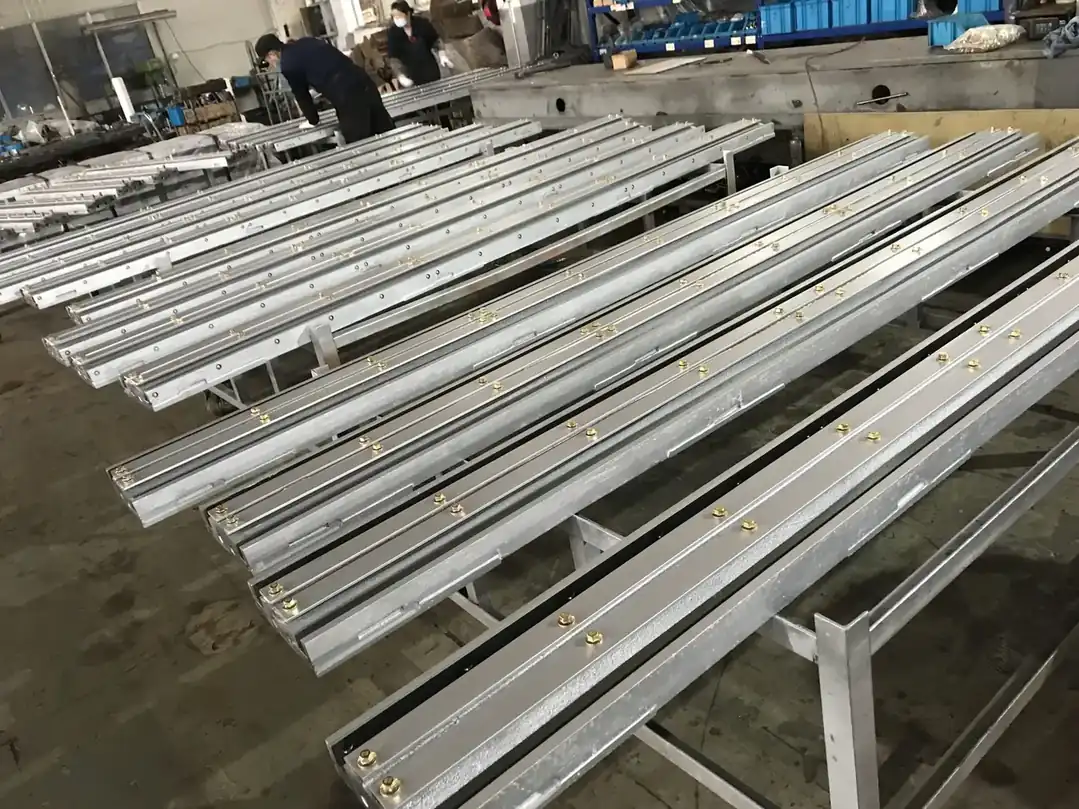
The rails guide the clip chains along the length of the machine. Adjustable rails give control over the fabric width, so the material is stretched to the dimensions you want as it travels.
Rail alignment matters as much as the rail itself. Proper alignment is what prevents fabric distortion and keeps tension even across the width. A perfect rail badly aligned still gives you distorted cloth.
Related: LK Stenter Machine Spare Parts
Heating Chambers Exhaust and Blowers
The heating chambers are the heart of the machine, using hot air or steam to dry and heat set the fabric, with temperature control systems holding precise heat levels for each fabric.
The exhaust system pulls moisture and fumes out of the chamber to keep the drying environment efficient and stop unwanted particles building up. Blower fans circulate the hot air so heat is spread evenly across the fabric surface.
Temperature Control and Width Adjustment
The temperature control system maintains precise heat settings inside the chambers, regulating air temperature so the fabric is treated consistently for its material and process.
The width adjusting device stretches the fabric to the width you want, working together with the clip or pin chains and the rail system. On many machines the adjustable nut on the lead rod is what physically widens the rail, and that nut is a wear part in its own right.
Related: PEEK Nuts Sliders and Bushes
Weft Straightener Cooling and Exit
The weft straightener corrects distortions in the weave before the fabric enters the heat chambers, keeping the weft threads at a right angle to the warp so the cloth does not skew or twist.
After the heating chambers the fabric enters the cooling section, where it is cooled to stabilise its dimensions and prevent shrinkage after the process. At the exit section it passes through additional rollers that smooth and fold it, and some machines have a plaiting device that folds the fabric automatically.
Drive System and Control Panel
The drive system powers the machine, moving the clip or pin chains along the rails and keeping fabric flow smooth and continuous. The control panel is the operator's interface for temperature, speed, chain adjustment and fabric tension, and modern machines use digital touchscreens and automated control.
Understanding these components is how you tell a chain problem from a control problem. Fabric leaving the machine narrow is almost never a control setting. It is usually a stretched chain or a worn pin plate.
Related Categories Industries and Solutions
More From the Knowledge Centre
The Major Textile Machinery Exhibitions Around the World
ITMA, ITME India, ITMA ASIA, Techtextil, SIMATEX and SaigonTex. Where the finishing industry meets, and what a spare parts buyer actually gets out of going.
Read Guide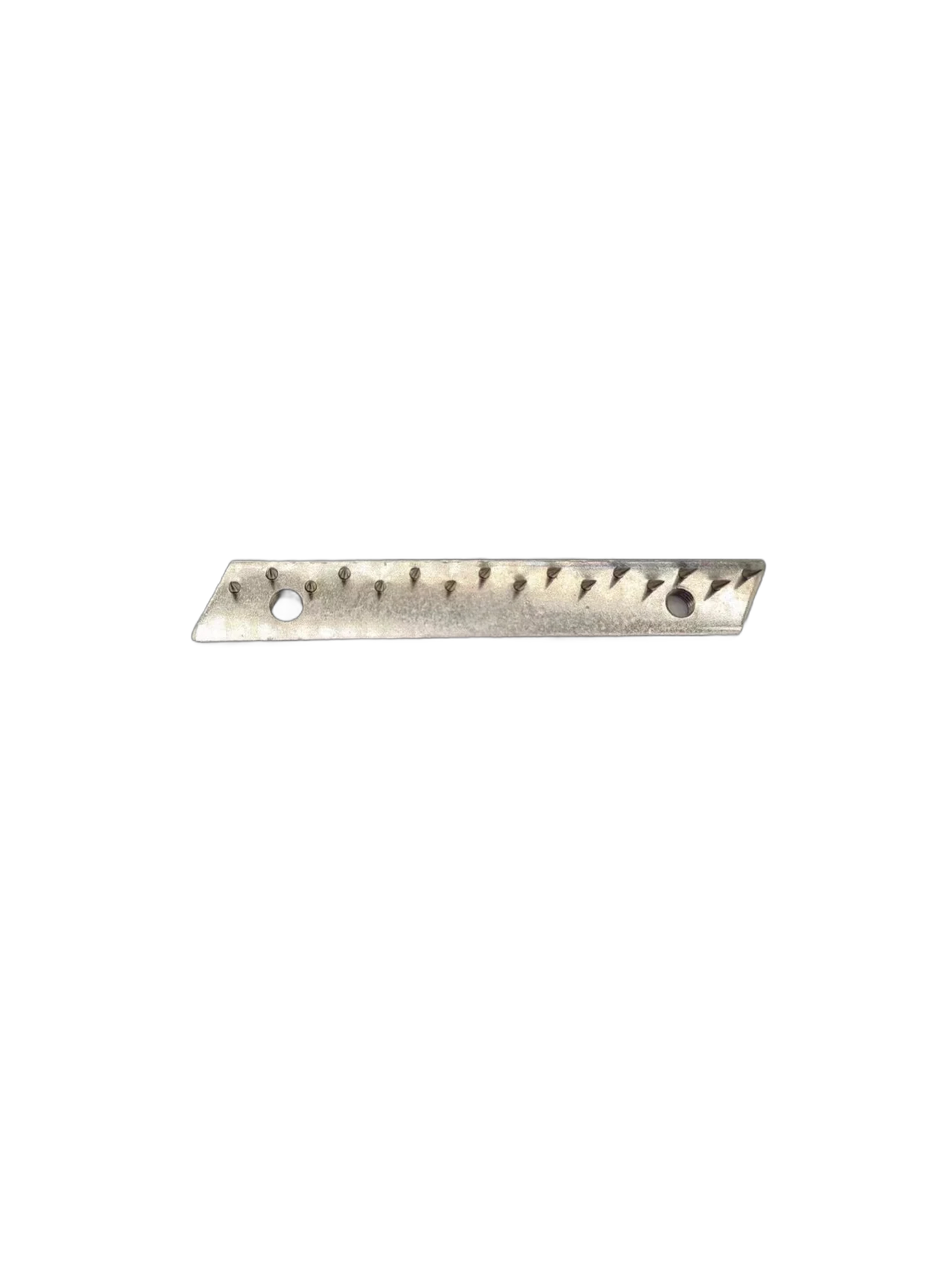
How to Choose a Stenter Spare Parts Factory
What to ask a supplier before the first order, from material specification to how they pack a rail set, and which answers should make you walk away.
Read Guide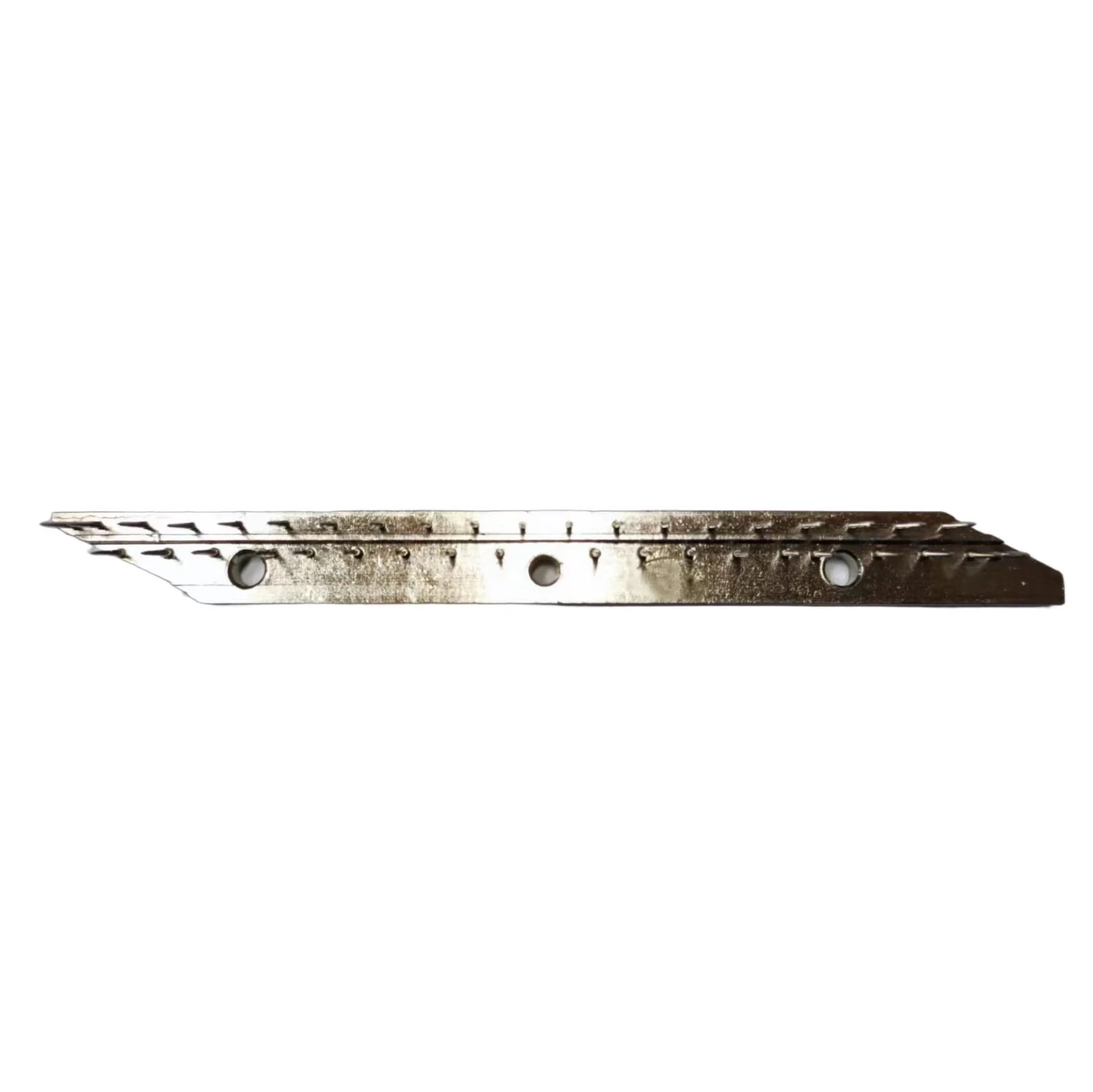
How to Import Stenter Spare Parts From China
Identifying parts without part numbers, proving the fit before a batch, and what a 7 day lead time does and does not mean.
Read GuideQuestions About This Guide
Which stenter parts are consumables?
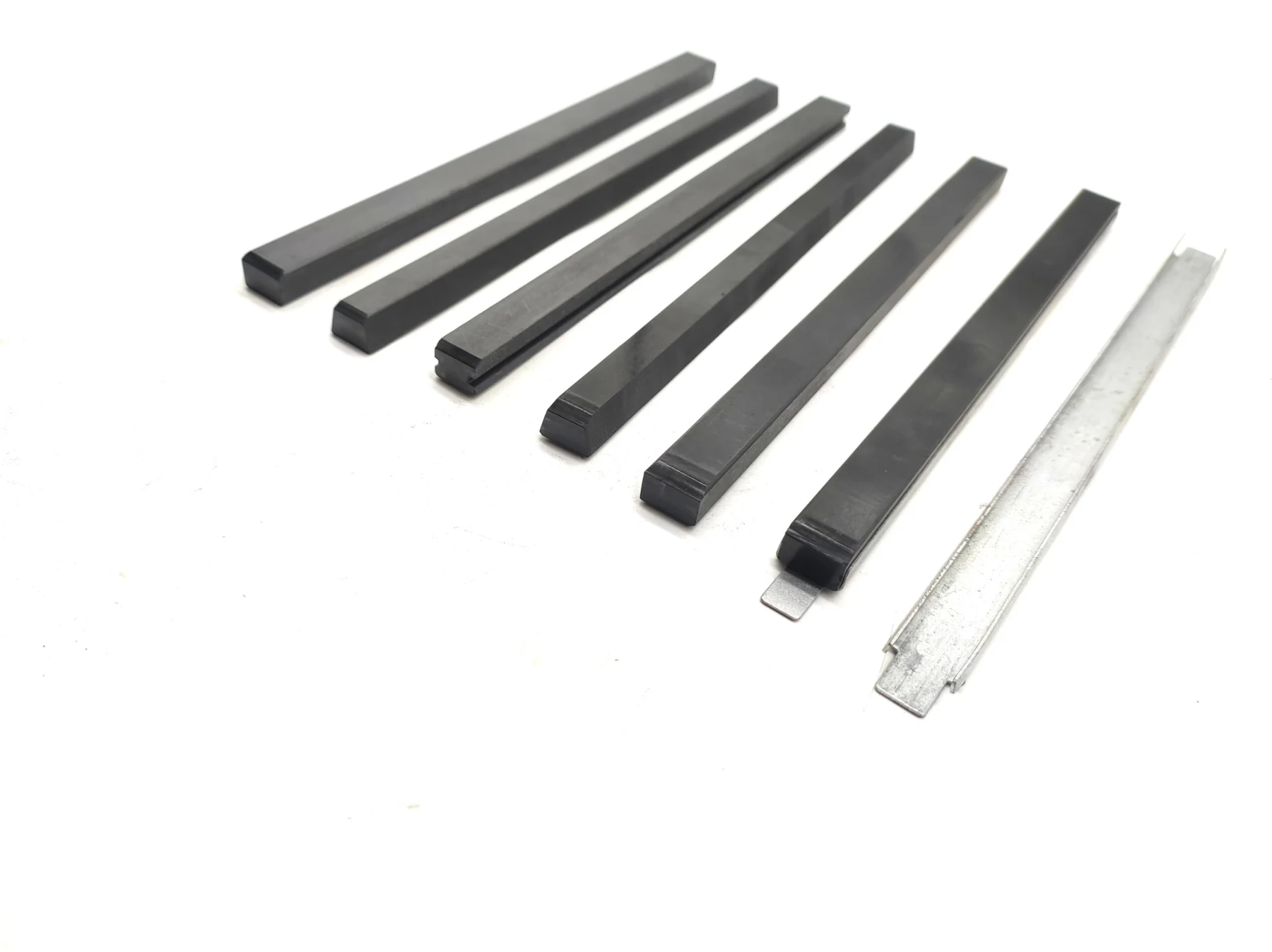
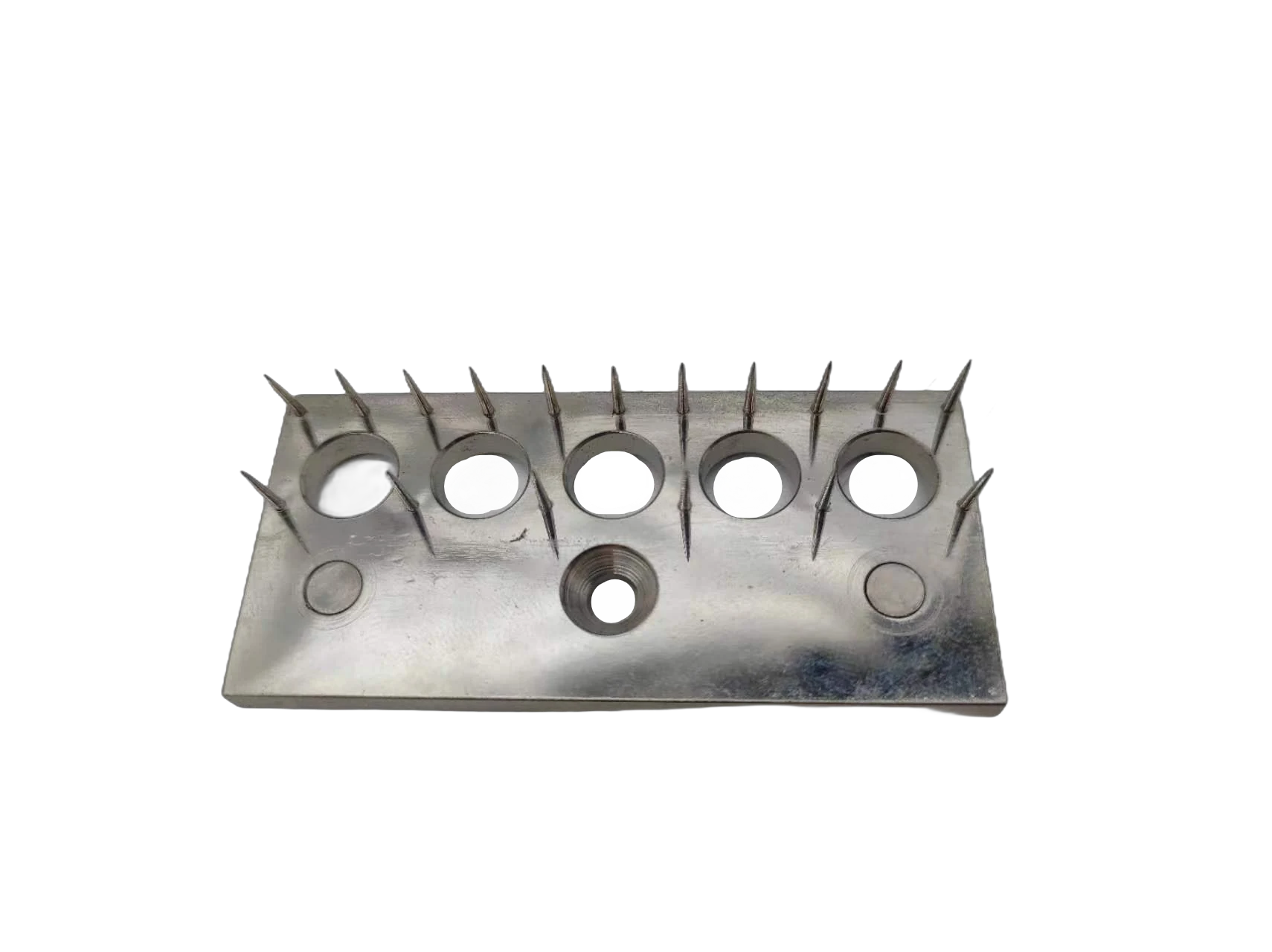
Pin plates or clips, brush wheels, chain bushes and sliders, guide strips and cutting blades. Plan them as annual service items rather than breakdown items.
What does the weft straightener do?
It corrects distortion in the weave before the fabric enters the heat chambers, keeping weft threads at a right angle to the warp so the cloth does not skew.
Why does the fabric need a cooling section?
To stabilise its dimensions after heat setting and prevent shrinkage once it leaves the machine.
What is the rail system for?
It guides the chains along the machine and, being adjustable, sets the width the fabric is stretched to.
Put This Into Practice
Send a photo of the part with a ruler across the mounting and we will tell you what you are looking at and what it will cost to replace.