
What Is a Stenter Machine and How Does It Work
A stenter heat sets and dries fabric by holding it at a controlled width while hot air passes through it. This guide walks through the process and names the parts that do the work.
· Yehang Stenter Parts
On This Page
What a Stenter Machine Does
A stenter is used primarily for heat setting and drying fabric. It stretches the material to the width you want and then sets it there with controlled heat, so the cloth comes out uniform in width and texture and ready for dyeing, printing or coating.
Four jobs happen inside one machine. Heat setting adjusts the fabric's dimensions by exposing it to high temperature so the fibres set in their proper shape. Drying brings fabric back to a controlled moisture level after washing or dyeing, at the correct width throughout. Stretching recovers the width that dyeing pulled out of the cloth. Finishing applies treatments such as softeners or water repellents while the fabric is already under control.
How the Fabric Travels Through
The fabric enters on an entry roller and is held on both sides by clip chains or pin chains. As it moves through the heated chambers it is exposed to hot air or steam at a controlled temperature. The adjustable chains on either side stretch the fabric to the required width, and it leaves the machine dried and heat set.
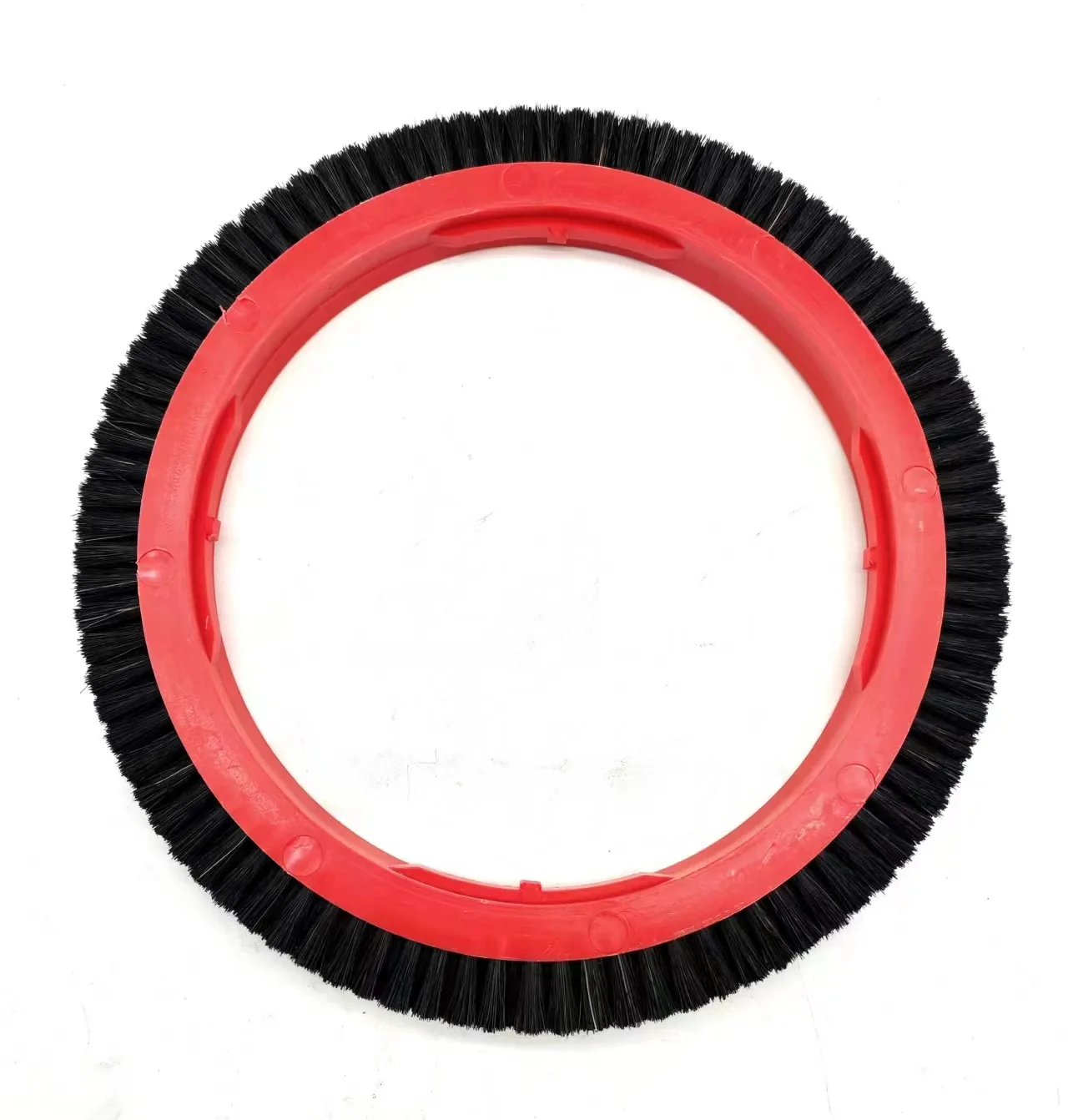
That description hides the part that costs mills the most money. The fabric is only under control while the edge is gripped. Everything on a stenter parts list exists to keep that grip: the pins or clips that hold the selvedge, the chain that carries them, the rail the chain runs on and the brush wheel that presses the edge onto the pins in the first place.
Related: Stenter Pin Plates and Pin Holders
Pins or Clips
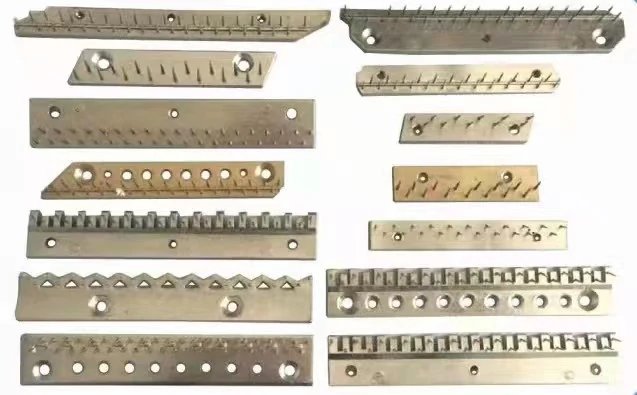
There are two ways of holding the fabric, and the choice shapes the whole parts list. Pin stenters run pins about 5 mm long, mounted in two rows at 3 to 4 pins per cm along a base plate. The pins are thicker near the base so the fabric never touches the hot base plate directly. Clip stenters close a knife onto the selvedge instead.
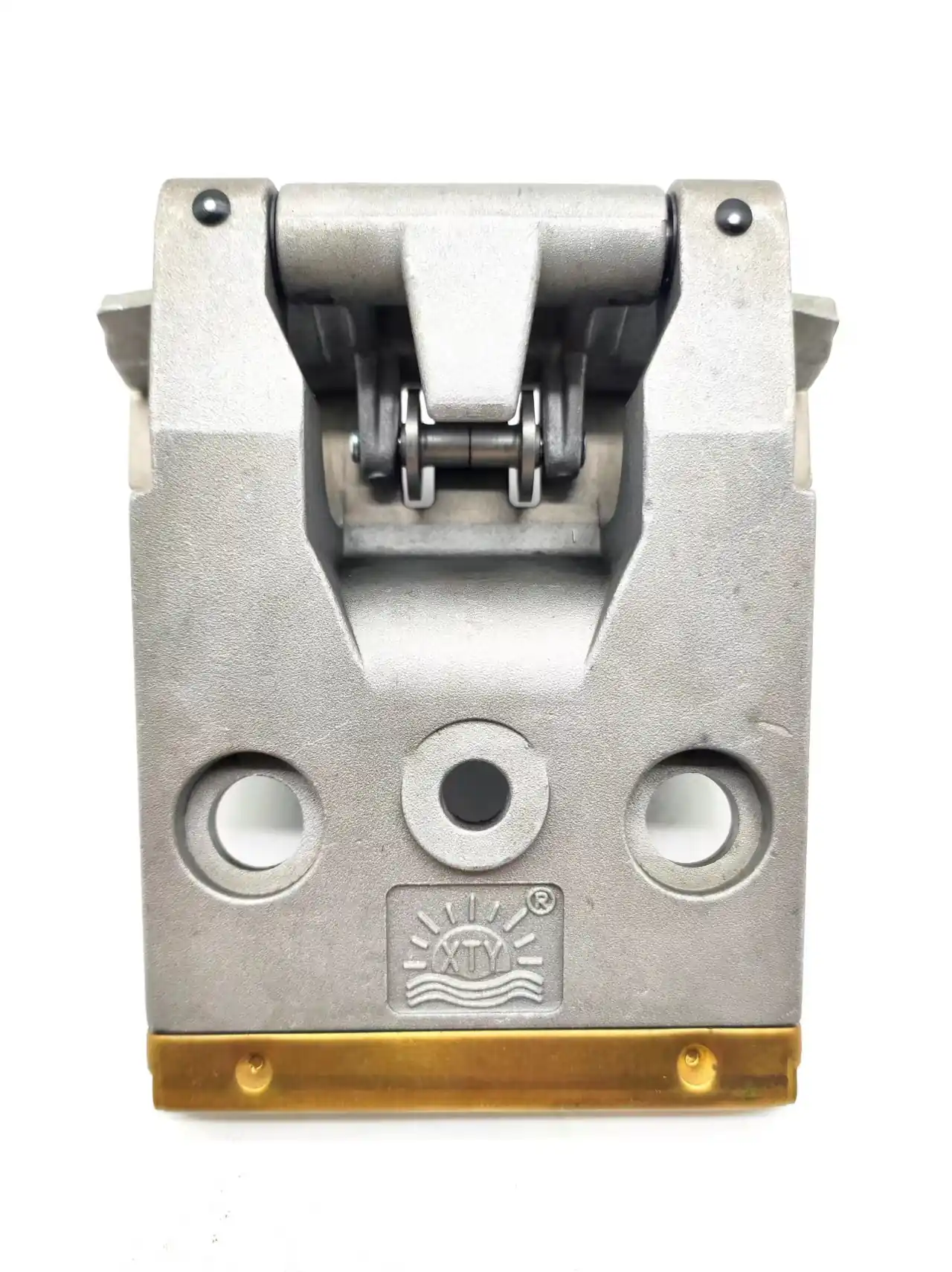
Clip stenters leave no pin marks in the selvedge, but they need a definite edge to grip, preferably a real selvedge, so they are usually confined to woven fabrics. Pin stenters mark the selvedge with pinholes, which most mills accept because the edge is trimmed, and in exchange they hold higher tension and let the cloth run faster, up to 100 m/min.
Related: Stenter Clips
What You Gain From Running One Well
Consistent fabric width is the headline benefit, and it is the one buyers notice. Beyond that, the machine reduces creases and distortions, which improves the overall quality of the material, and it dries far faster and more predictably than any natural drying process.
All three of those depend on the edge staying gripped from entry to exit. A worn pin plate or a soft brush wheel does not announce itself with an alarm. It shows up as cloth that leaves the machine narrower than it went in.
Related Categories Industries and Solutions
More From the Knowledge Centre
The Major Textile Machinery Exhibitions Around the World
ITMA, ITME India, ITMA ASIA, Techtextil, SIMATEX and SaigonTex. Where the finishing industry meets, and what a spare parts buyer actually gets out of going.
Read Guide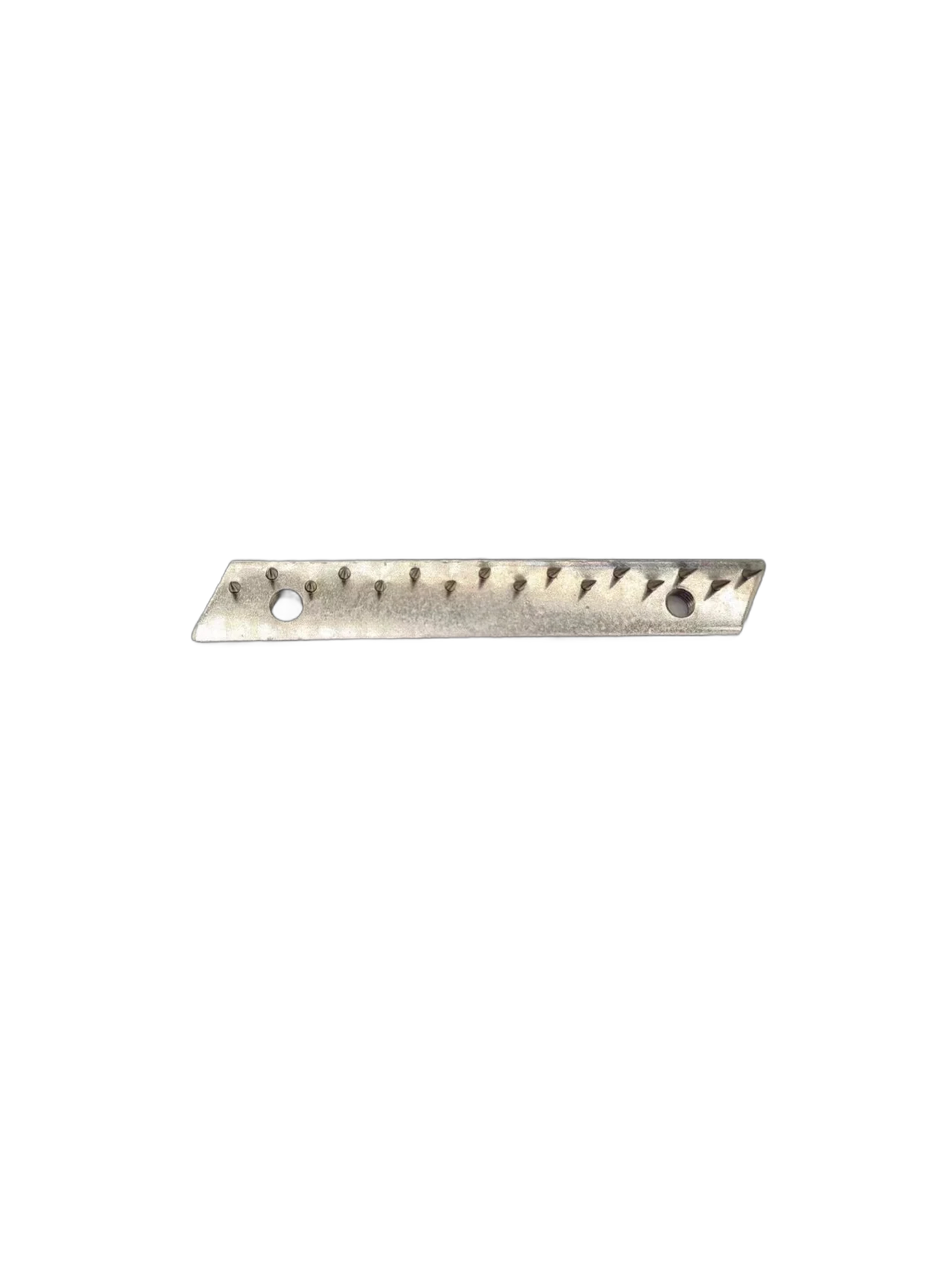
How to Choose a Stenter Spare Parts Factory
What to ask a supplier before the first order, from material specification to how they pack a rail set, and which answers should make you walk away.
Read Guide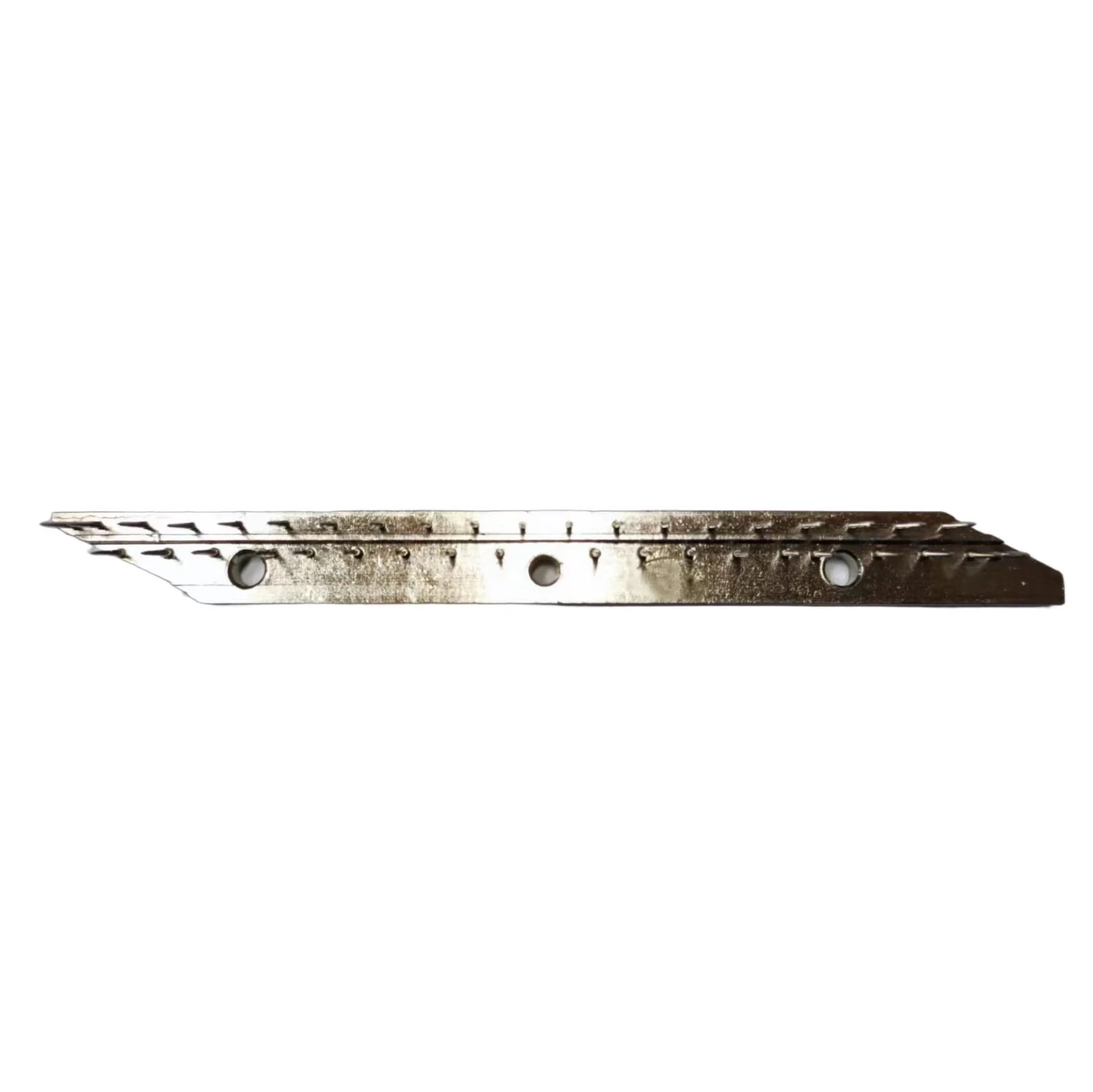
How to Import Stenter Spare Parts From China
Identifying parts without part numbers, proving the fit before a batch, and what a 7 day lead time does and does not mean.
Read GuideQuestions About This Guide
What is a stenter machine used for?
Heat setting and drying fabric while holding it at a controlled width, and applying finishing treatments such as softeners or water repellents at the same time.
How fast can a stenter run?
With a pin rail in good condition, up to 100 m/min. Pin plates increase the tension on the fabric, which is what allows the higher speed.
What is the difference between a stenter and a tenter?
They are the same machine. Tenter is the older English word, stenter the one the finishing industry mostly uses now.
Which parts wear out first?
The parts that touch the fabric and the rail: pin plates or clips, brush wheels, chain bushes and the guide strip. Plan them as annual service items.
Put This Into Practice
Send a photo of the part with a ruler across the mounting and we will tell you what you are looking at and what it will cost to replace.