
Why Fabric Leaves the Stenter Narrower Than It Should
Width loss is almost always a grip problem, not a setting problem. Work through the rail in order: brush, pins or clips, holders, chain, guide.
· Yehang Stenter Parts
On This Page
Start by Ruling Out the Control Panel
When cloth leaves a stenter narrower than the setting says it should, the first instinct is to check the width adjustment. Occasionally that is the answer, particularly if the adjustable nut on the lead rod has seized or broken so the rail cannot be widened at all.
Far more often the rail is set correctly and the fabric is escaping from it. Everything below is a grip problem, and they are worth checking in this order because that is roughly the order of cost.
Related: PEEK Nuts Sliders and Bushes
Check the Brush Wheel First
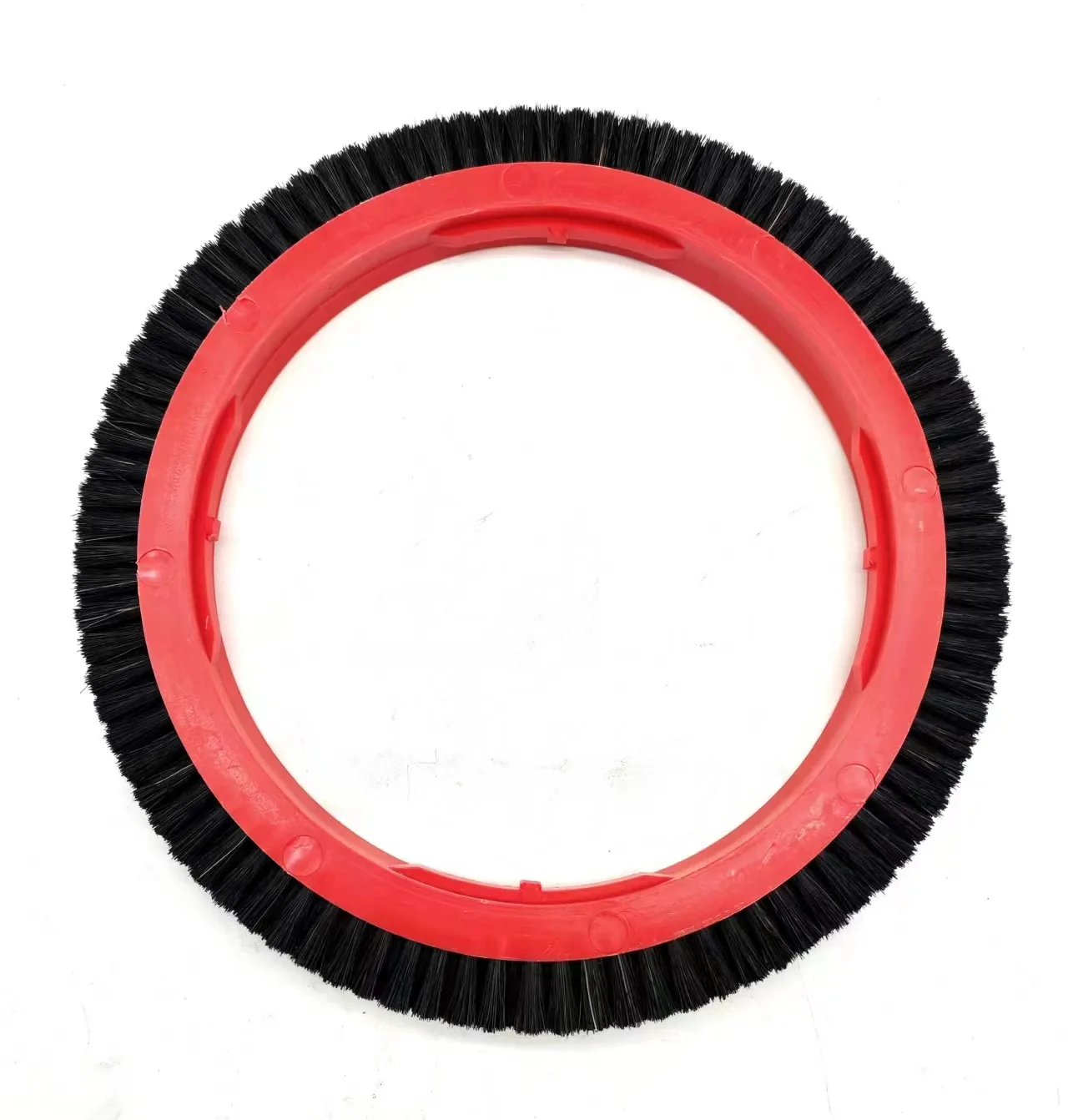
The brush wheel presses the selvedge onto the pins as the cloth enters. It is the cheapest part in the chain of causes and the one most often overlooked.
If the bristles are worn, or the grade is too soft for the fabric you have moved onto, the selvedge is never fully pushed onto the pins. The edge then releases somewhere inside the chamber rather than at the entry, which is why the fault looks like a tension problem rather than a brush problem.
Related: Stenter Brush Wheels
Then the Pins or Clips
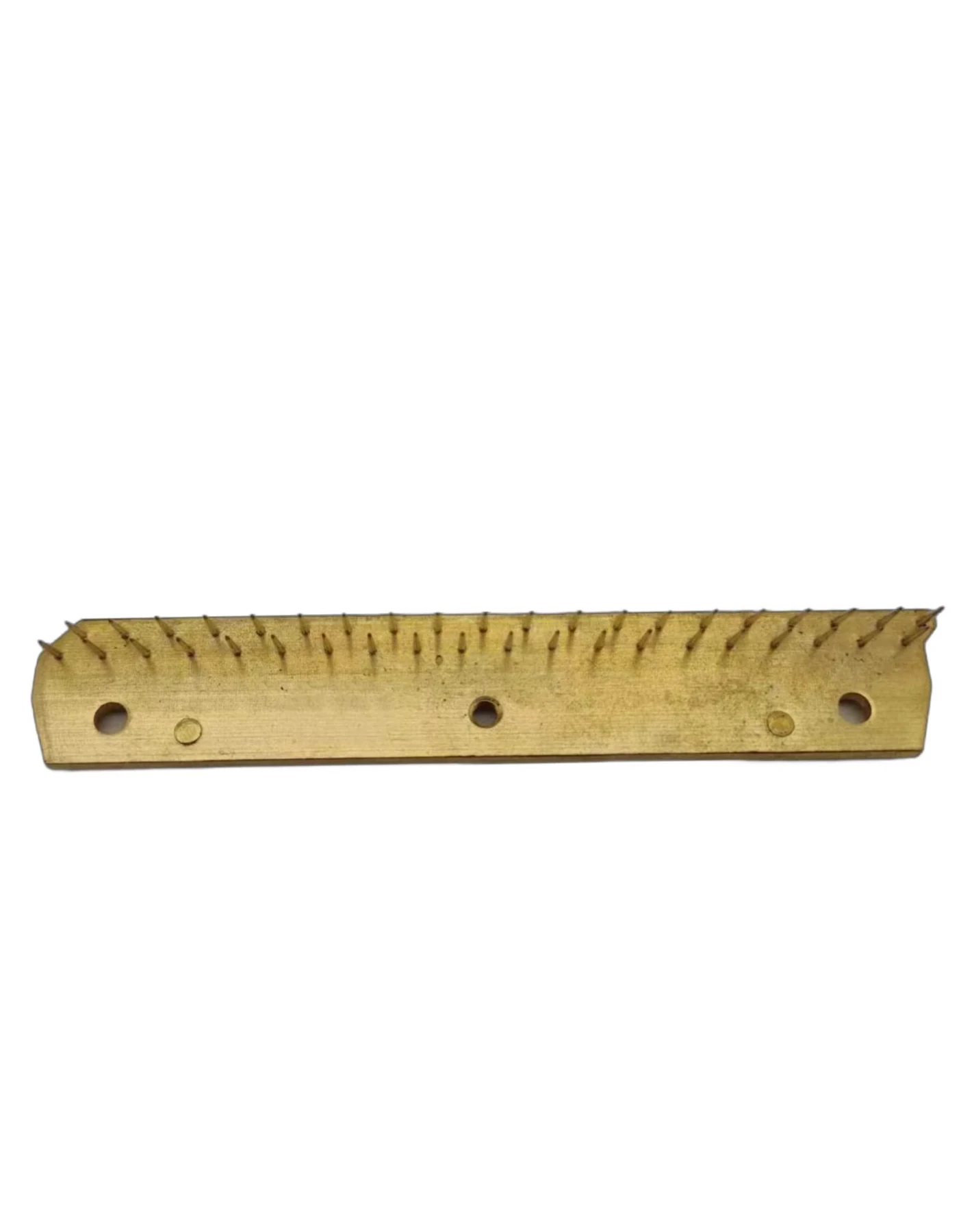
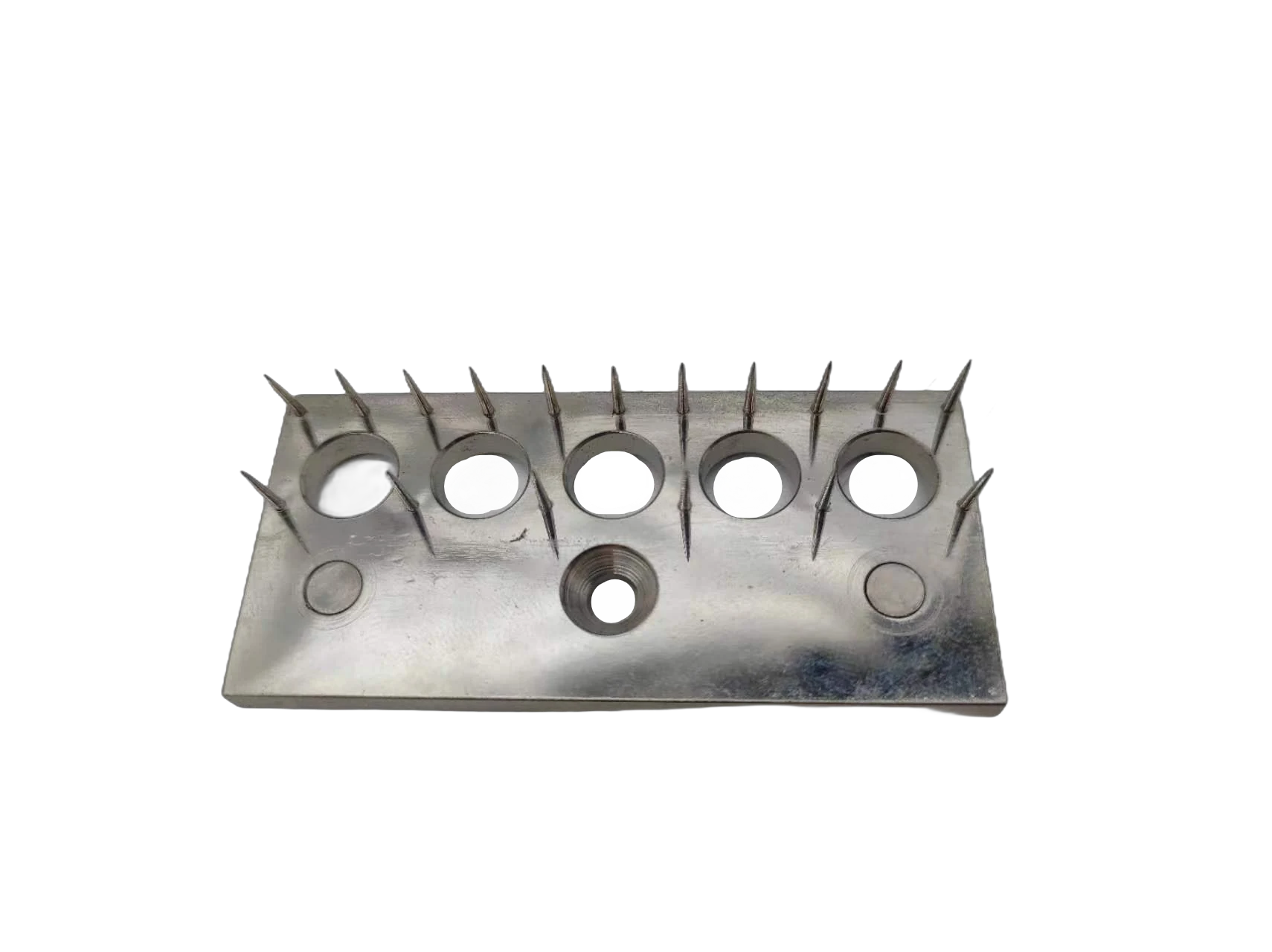
Worn or bent pins let the selvedge slip, so the fabric loses width and the edge frays. Run a hand along the pin row, with the machine stopped and cold, and look for flattened points and bent pins.
On a clip rail the equivalent check is whether the clips still close fully and reopen at the delivery end. A clip that no longer closes properly lets the selvedge slip; a worn knife edge frays it instead of gripping it.
Related: Stenter Pin Plates and Pin Holders
Check for Play in the Holders
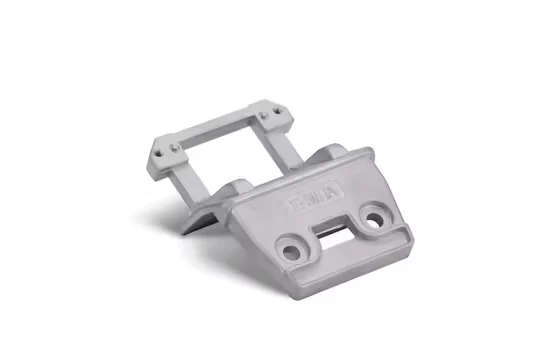
Grip a fitted pin plate and try to rock it. Any play at the holder mounting means the holder is worn, and the plate is tilting under load so one pin row grips harder than the other.
This is the fault that survives a plate replacement. Mills fit new plates, see the problem return within months, and conclude the plates were poor quality. The plates were fine; the holders underneath them had play.
Related: EHWHA Pin Plate Holder
Measure the Chain
A stretched chain drops fabric tension across the whole rail, and no amount of new plates will restore it. Measure the pitch over ten links against a new section, and check whether the take-up still has adjustment left.
If the chain has stretched, that is your answer, and the plate wear you were looking at is probably a symptom of the same age rather than the cause of the width loss.
Related: Stenter Chains and Chain Parts
Last Look at the Guide
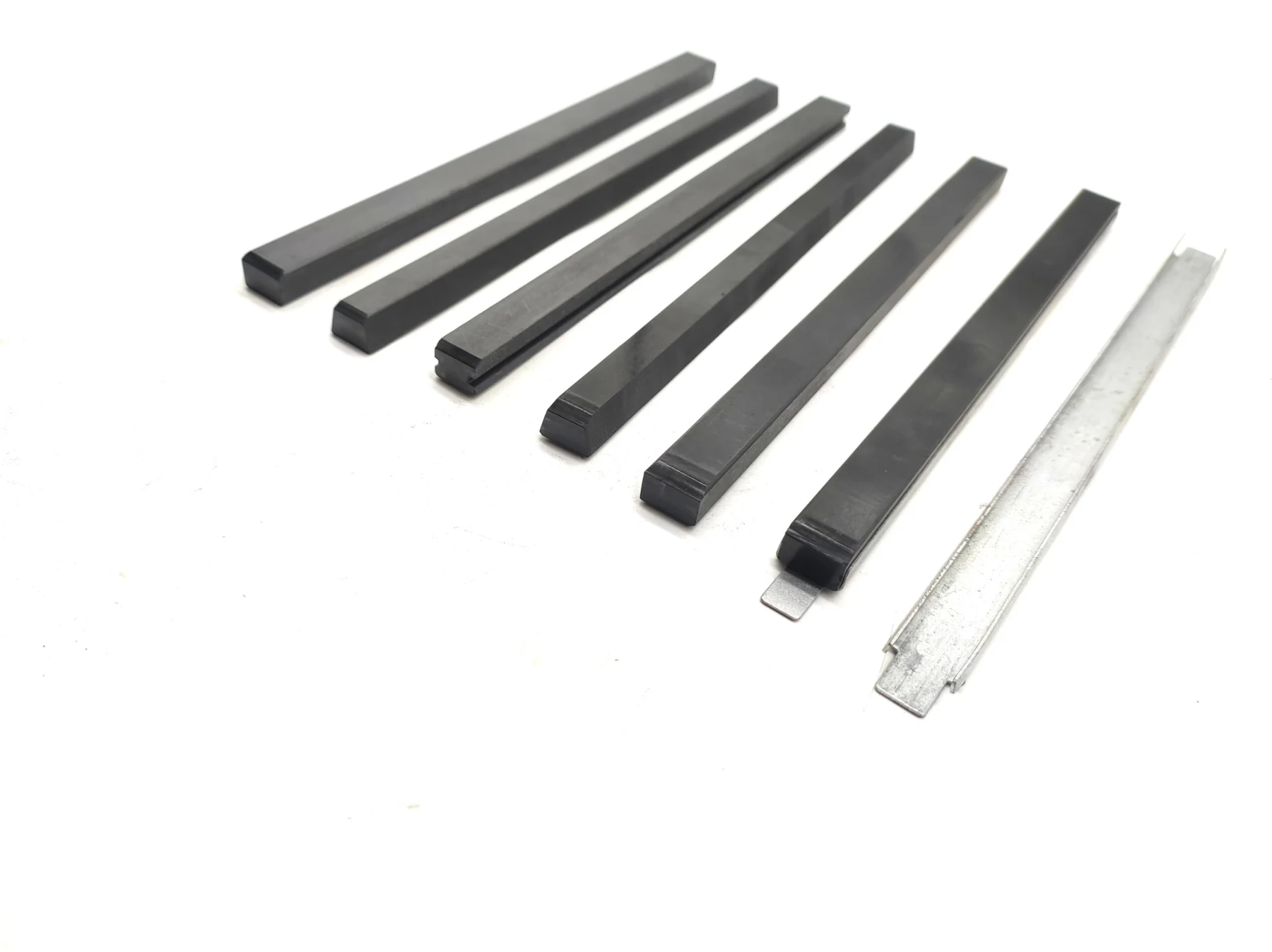
On an oil-free guide, check the carbon graphite strip. A strip worn through lets the chain run on the rail casting, which raises drag, wears the casting and eventually pulls the rail out of line.
And check rail alignment itself. Proper alignment is what prevents fabric distortion and keeps tension even across the width. A rail that has heat distorted will give uneven tension no matter what is bolted to the chain.
Related: Guide Rail for LK Stenter Machines
Fix Symmetrically
Whatever you find, fix it on both sides. Replacing one rail, or one side's plates, leaves the fabric under uneven tension across its width and trades one fault for another.
If two or three of these checks come up worn at once, that is the point to price a complete rail rebuild rather than another year of part-by-part repairs.
Related Categories Industries and Solutions
More From the Knowledge Centre
The Major Textile Machinery Exhibitions Around the World
ITMA, ITME India, ITMA ASIA, Techtextil, SIMATEX and SaigonTex. Where the finishing industry meets, and what a spare parts buyer actually gets out of going.
Read Guide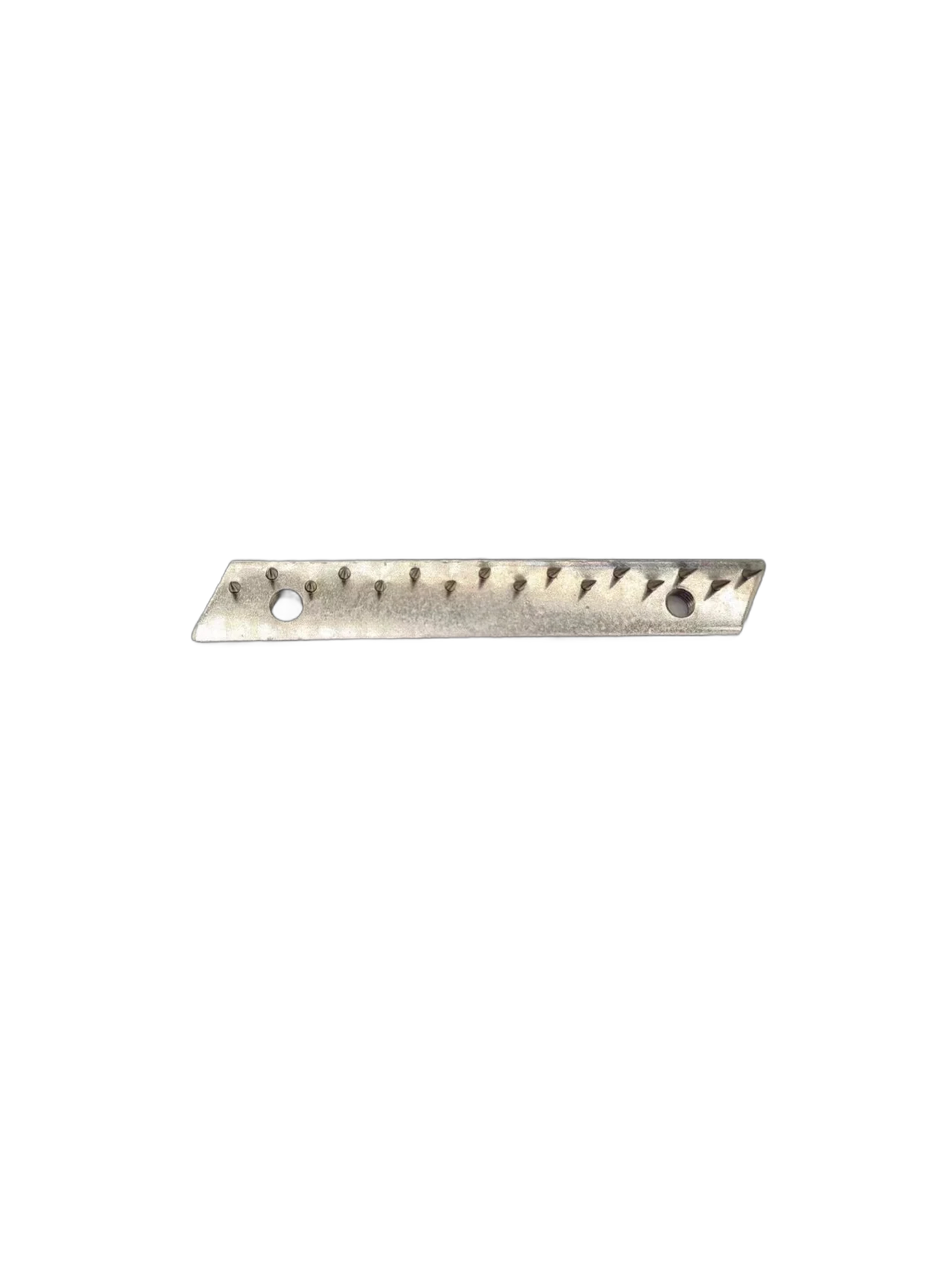
How to Choose a Stenter Spare Parts Factory
What to ask a supplier before the first order, from material specification to how they pack a rail set, and which answers should make you walk away.
Read Guide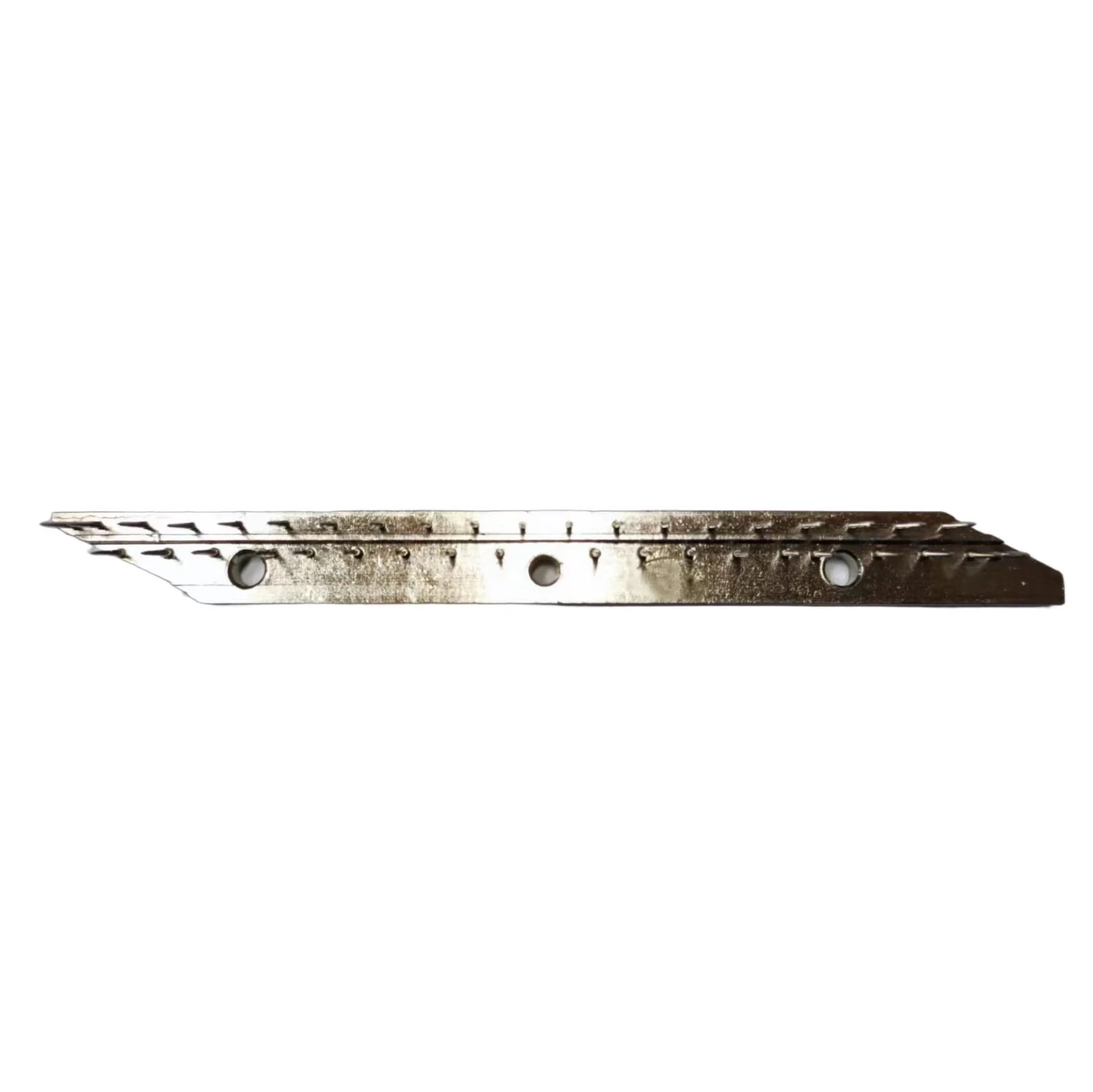
How to Import Stenter Spare Parts From China
Identifying parts without part numbers, proving the fit before a batch, and what a 7 day lead time does and does not mean.
Read GuideQuestions About This Guide
My cloth leaves the machine narrow. Where do I start?
With the brush wheel, because it is the cheapest cause. Then pins or clips, then holders, then chain pitch, then the guide.
I fitted new pin plates and the problem came back. Why?
Usually worn holders. A new plate on a holder with play still tilts, so one pin row grips harder than the other. Check for rocking play before blaming the plates.
Could it be the width adjustment?
Occasionally, particularly if the lead rod nut has seized or broken so the rail cannot be widened. Check it, but do not stop there.
When is a full rail rebuild the right answer?
When two or more of the checks above come up worn at the same time. Repairing one part at a time on a tired rail costs more over three years than rebuilding once.
Put This Into Practice
Send a photo of the part with a ruler across the mounting and we will tell you what you are looking at and what it will cost to replace.