
Stenter Chain Maintenance and Lubrication
Clean the guide and chain at least once a year, use a high temperature grease, and measure pitch over ten links before you decide to replace anything.
· Yehang Stenter Parts
On This Page
The Annual Minimum
Maintenance is essential to the service life of a stenter chain, and the baseline is straightforward: clean the guide and the chain at least once a year, and add high-temperature grease when you do. DuPont, Miller and Kluber grades are the ones our customers use.
A mill running fast, dusty or hot will need to do it more often than annually. A mill running slow, clean and cool can sometimes stretch it. Nobody should be doing it less than once a year.
Related: Stenter Chains and Chain Parts
Measure Pitch Before You Buy Anything
The question that decides a maintenance budget is whether the chain has stretched. Measure the pitch over ten links and compare it against a new section. If the pitch has grown and the take-up has run out of adjustment, the chain needs replacing.
This matters because a stretched chain drops fabric tension, and fitting new pin plates to a stretched chain does not fix it. Mills spend money on plates every year that should have gone on chain.
Rebuild Rather Than Replace Where You Can
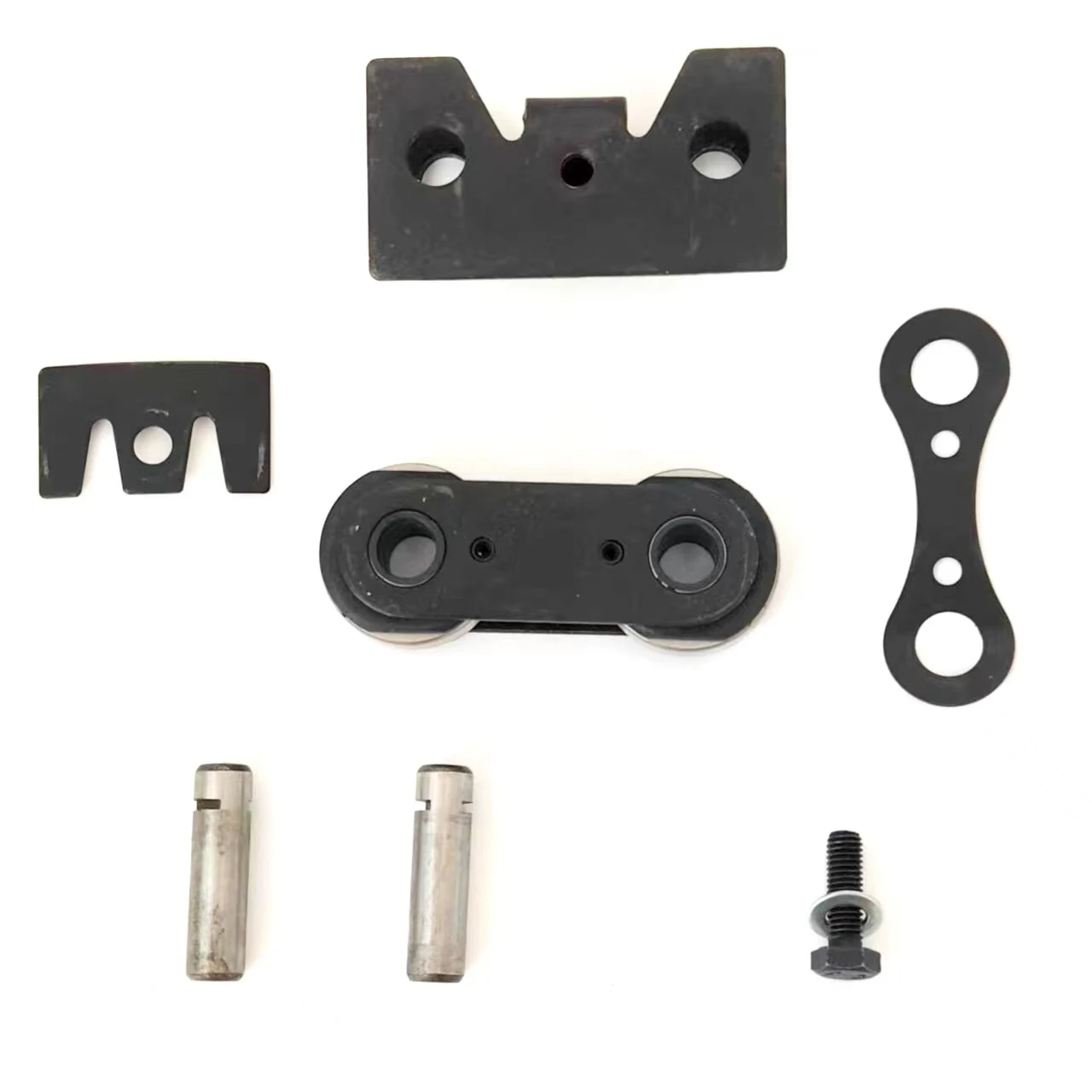
If the pitch is fine and the link plates are sound, the right move is a rebuild rather than a replacement. A chain is made of connectors, U-shaped connectors, pins, bush, dust cover, screws and wear sleeves, and all of those are available separately.
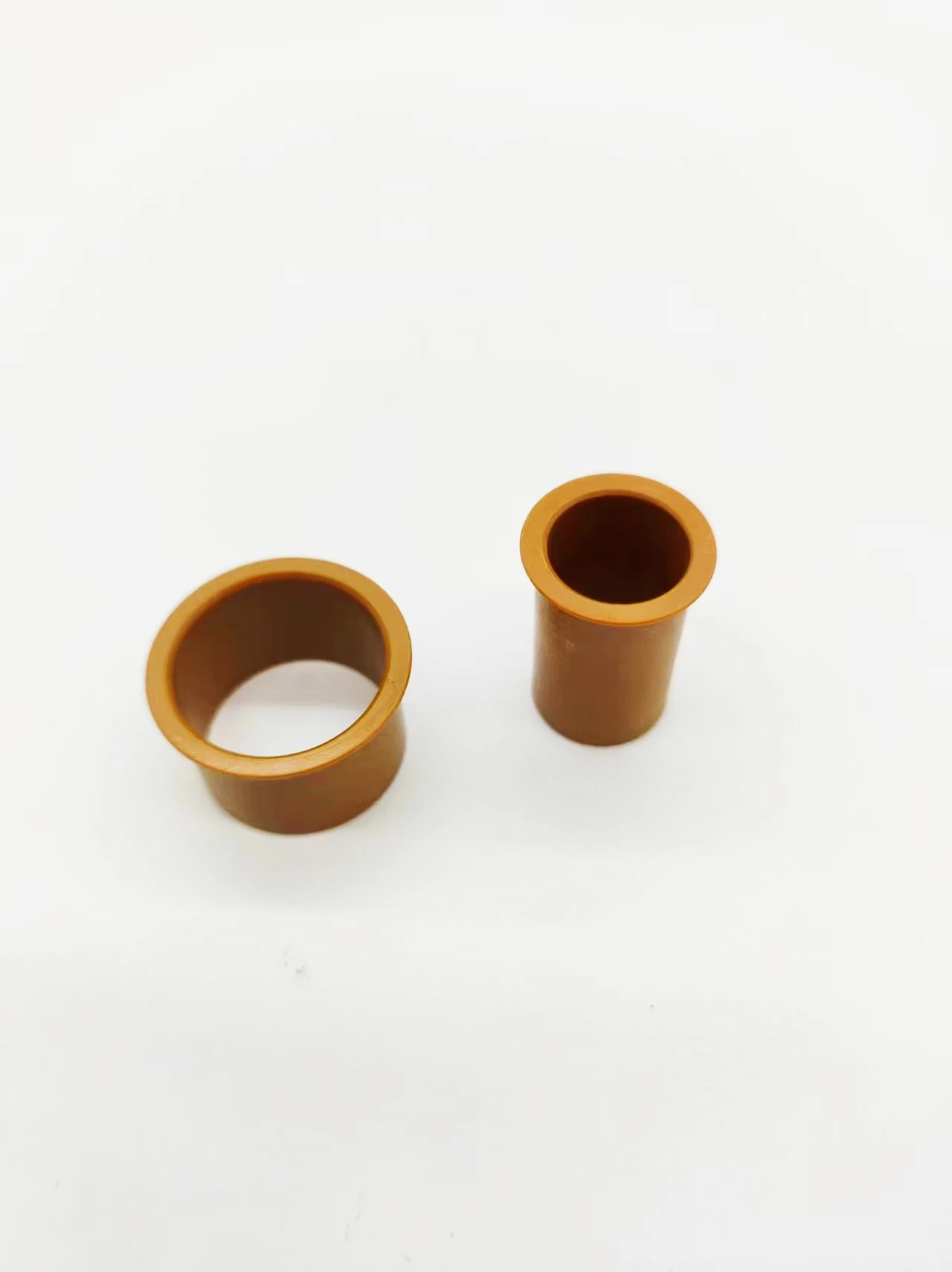
A bush change restores the bearing surface at a fraction of the cost of a chain. That is the single biggest saving available on a stenter parts budget, and it is the reason we sell the small parts separately rather than only as complete chains.
Related: PEEK Bush for Artos Stenter Chain
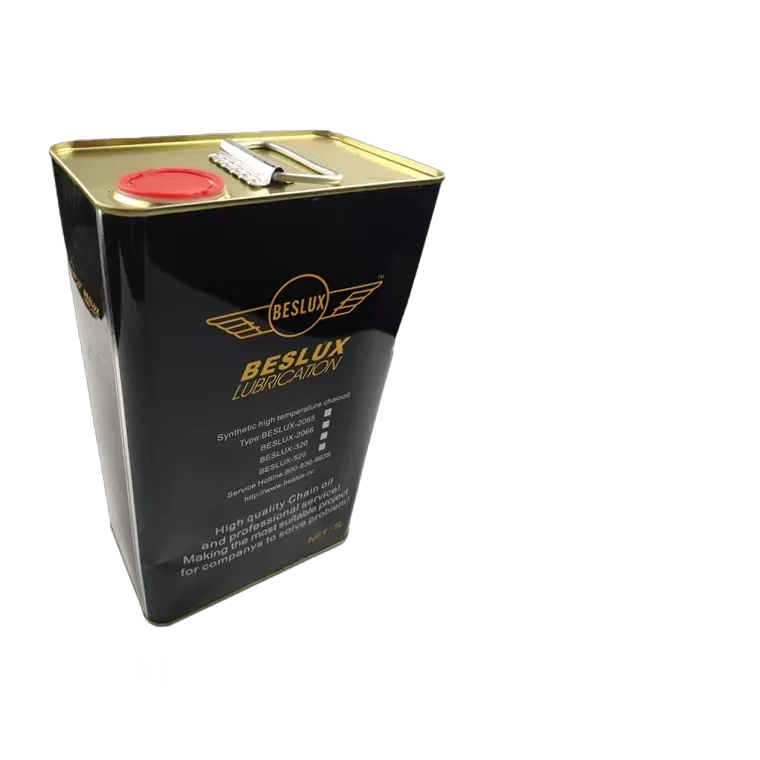
Choosing a Chain Lubricant
Four qualities matter in a chain oil. Viscosity and adhesion, so it stays on the chain and does not sling off at speed. High temperature stability, so it does not break down in the chamber. Anti-wear and anti-corrosion additives, which matter in humid mills. And low friction, which improves efficiency and extends chain life.
A general purpose chain oil fails on the first two. It slings off at line speed and carbonises in the chamber, leaving deposits that do more harm than running dry would have.
Do Not Forget the Rail Side
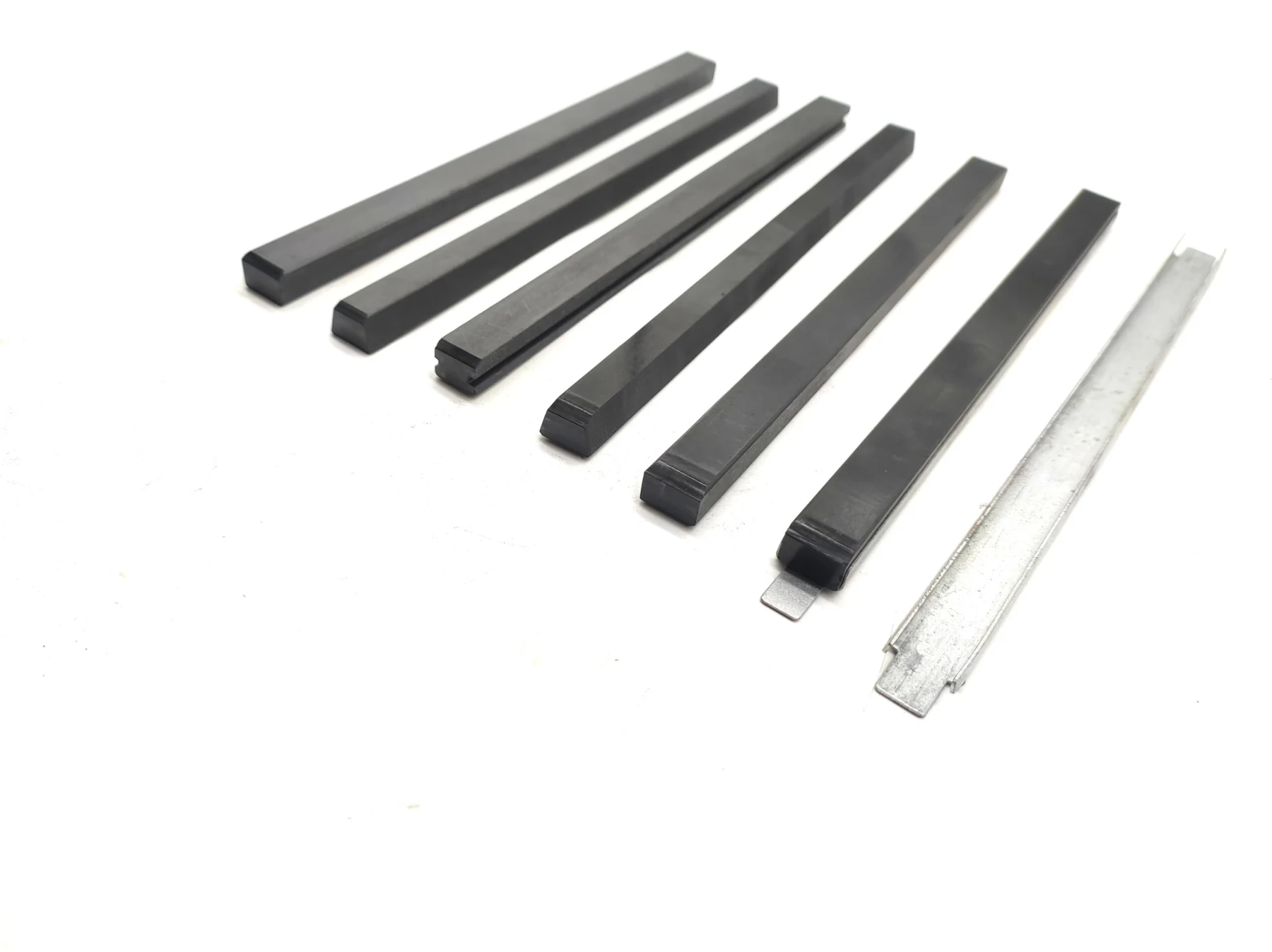
Half the wear in a guide is on the rail side, not the chain side. On an oil-free guide the carbon graphite strip is the sacrificial wear surface between the chain and the rail casting, and it is self-lubricating in its own right.
Inspect it at the annual service along with the chain. A strip worn through lets the chain run on the rail casting, and replacing a casting costs many times what the strip did.
Always Do Both Rails
Replace chain on both sides together. Replacing one side only leaves the fabric under uneven tension across the width, which produces exactly the bowed and skewed cloth the machine exists to prevent.
The same rule applies to pin plates, clips and brush wheels. Anything that grips the fabric should be renewed symmetrically.
Related Categories Industries and Solutions
More From the Knowledge Centre
The Major Textile Machinery Exhibitions Around the World
ITMA, ITME India, ITMA ASIA, Techtextil, SIMATEX and SaigonTex. Where the finishing industry meets, and what a spare parts buyer actually gets out of going.
Read Guide
How to Choose a Stenter Spare Parts Factory
What to ask a supplier before the first order, from material specification to how they pack a rail set, and which answers should make you walk away.
Read Guide
How to Import Stenter Spare Parts From China
Identifying parts without part numbers, proving the fit before a batch, and what a 7 day lead time does and does not mean.
Read GuideQuestions About This Guide
How often should a stenter chain be lubricated?
Clean the guide and the chain and add high-temperature grease at least once a year. Faster, hotter or dustier running needs it more often.
Which grease should I use?
A high-temperature grade. DuPont, Miller and Kluber are the brands our customers use.
How do I know the chain is stretched?
Measure the pitch over ten links against a new section. If the pitch has grown and the take-up is at its limit, replace the chain.
Can I replace just one rail?
We do not recommend it. One new rail and one worn rail puts uneven tension across the fabric width.
Put This Into Practice
Send a photo of the part with a ruler across the mounting and we will tell you what you are looking at and what it will cost to replace.