
How to Choose and Order a Stenter Pin Plate
Order on hole centres and plate length, not on the machine brand. What to measure, which material to specify and why plates should be replaced in matched sets.
· Yehang Stenter Parts
On This Page
Measure the Plate Not the Machine
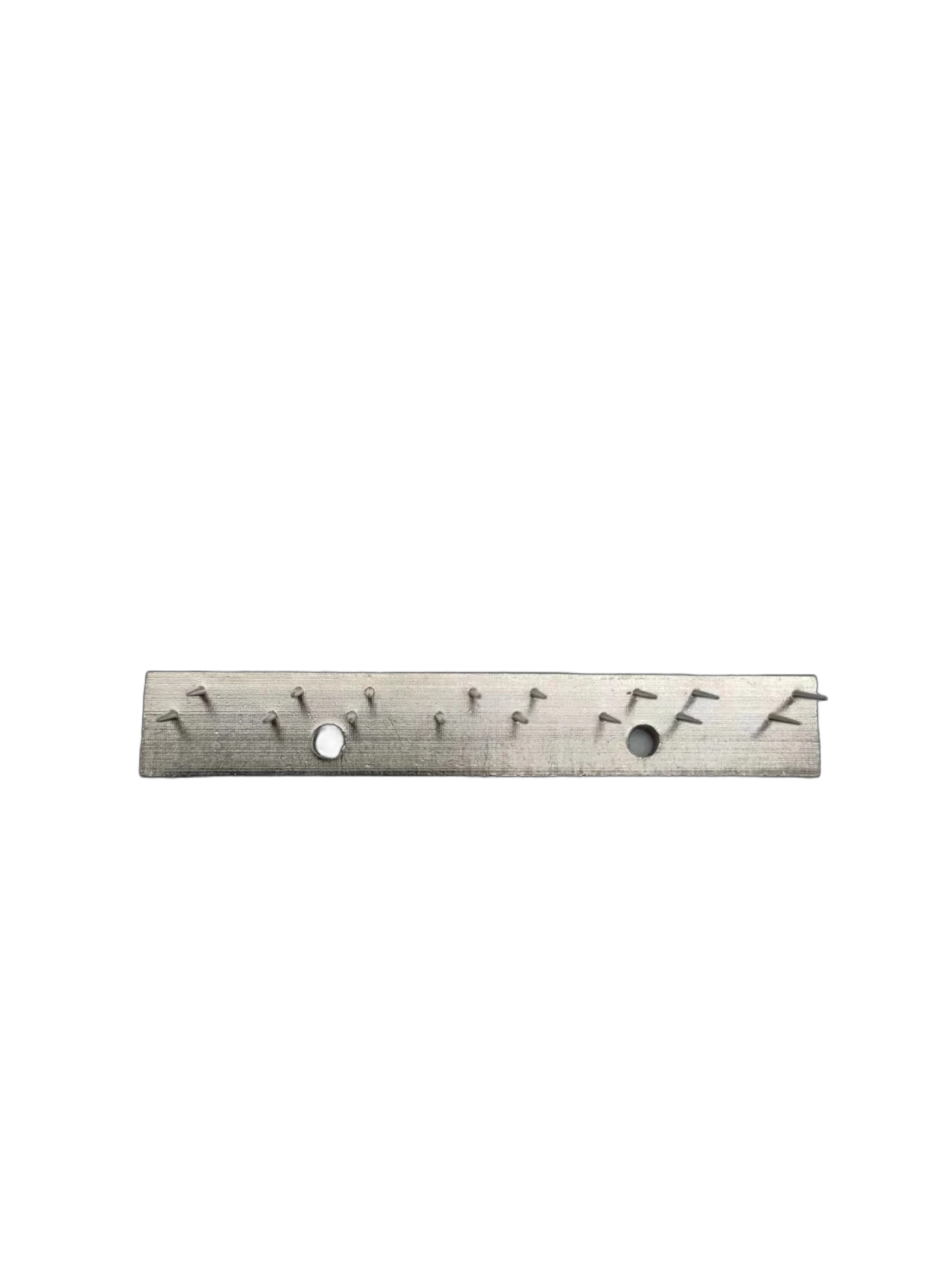
The single most common ordering mistake is asking for a plate by machine brand. Monforts alone has more than one plate pattern, Bruckner has two, Artos has two, and Krantz uses a plate that is shorter and on tighter centres than any of them.
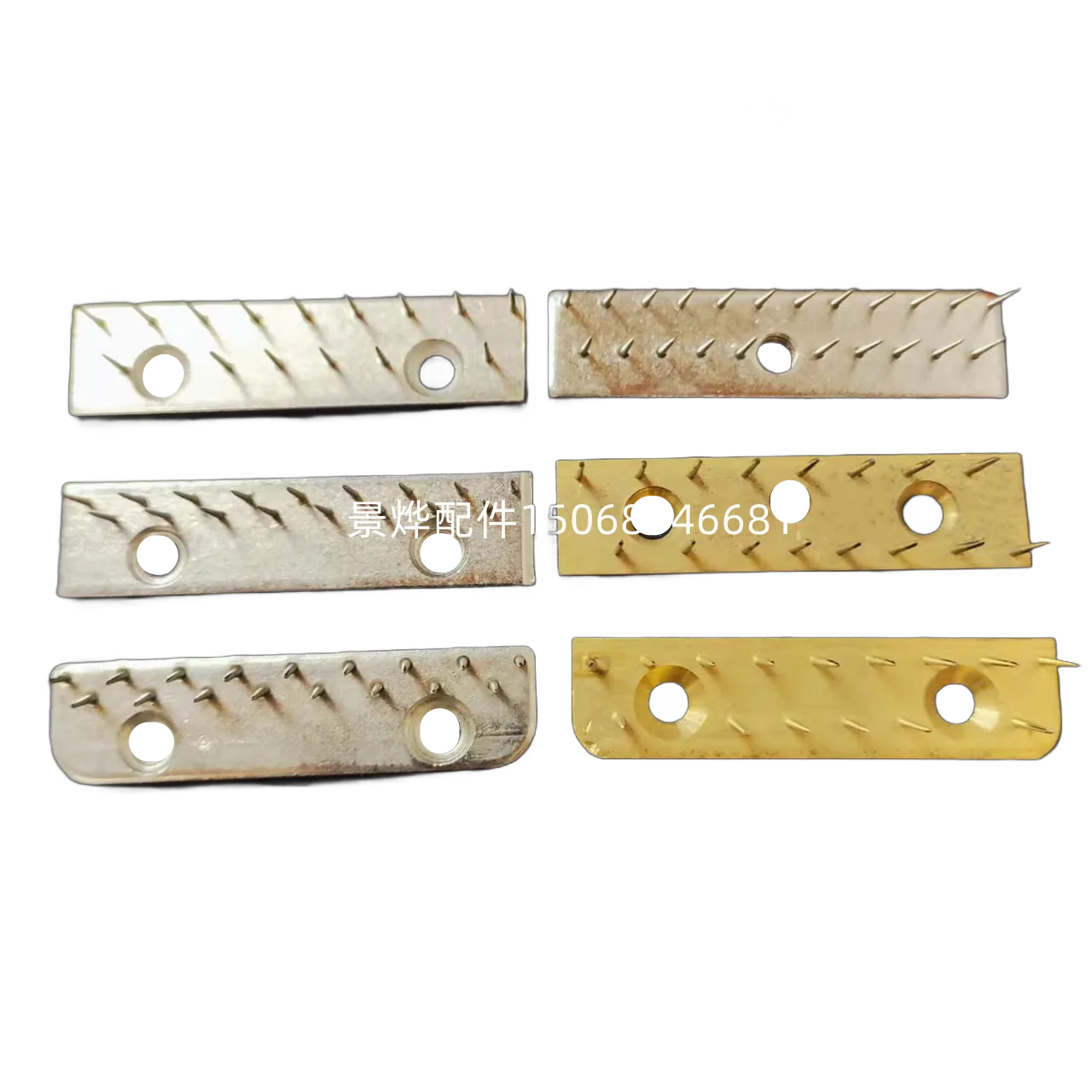
Three measurements decide everything. Hole to hole distance between the fixing holes. The diameter of those holes. And the overall plate length. Our Krantz plate, for example, is 4 x 12 x 77 mm with hole to hole 57 mm and 3 mm screws, while the common Monforts and Artos pattern is 4 x 130 x 12 mm with 4 mm holes on 76 mm centres. Neither will seat in the other's holder.
Related: Stenter Pin Plates and Pin Holders
Copper Plate With Steel Pins and Why
The standard construction is a copper plate body with carbon steel or stainless steel pins. Copper is there for heat conduction: it spreads chamber heat instead of holding it in one spot, which keeps the pin roots cooler and the pins straighter for longer.
The pins themselves are tapered, thicker at the root, so the fabric is held clear of the hot base plate. Carbon steel is the standard and holds a sharp point well. Specify stainless steel where the finishing chemistry attacks carbon steel.
When Copper Is the Wrong Choice
There is one application where a copper plate is a mistake, and that is polyimide film. A PI film tenter runs far hotter than a textile heat setting range, and copper softens and distorts at those temperatures. A distorted plate pulls the film out of flat.
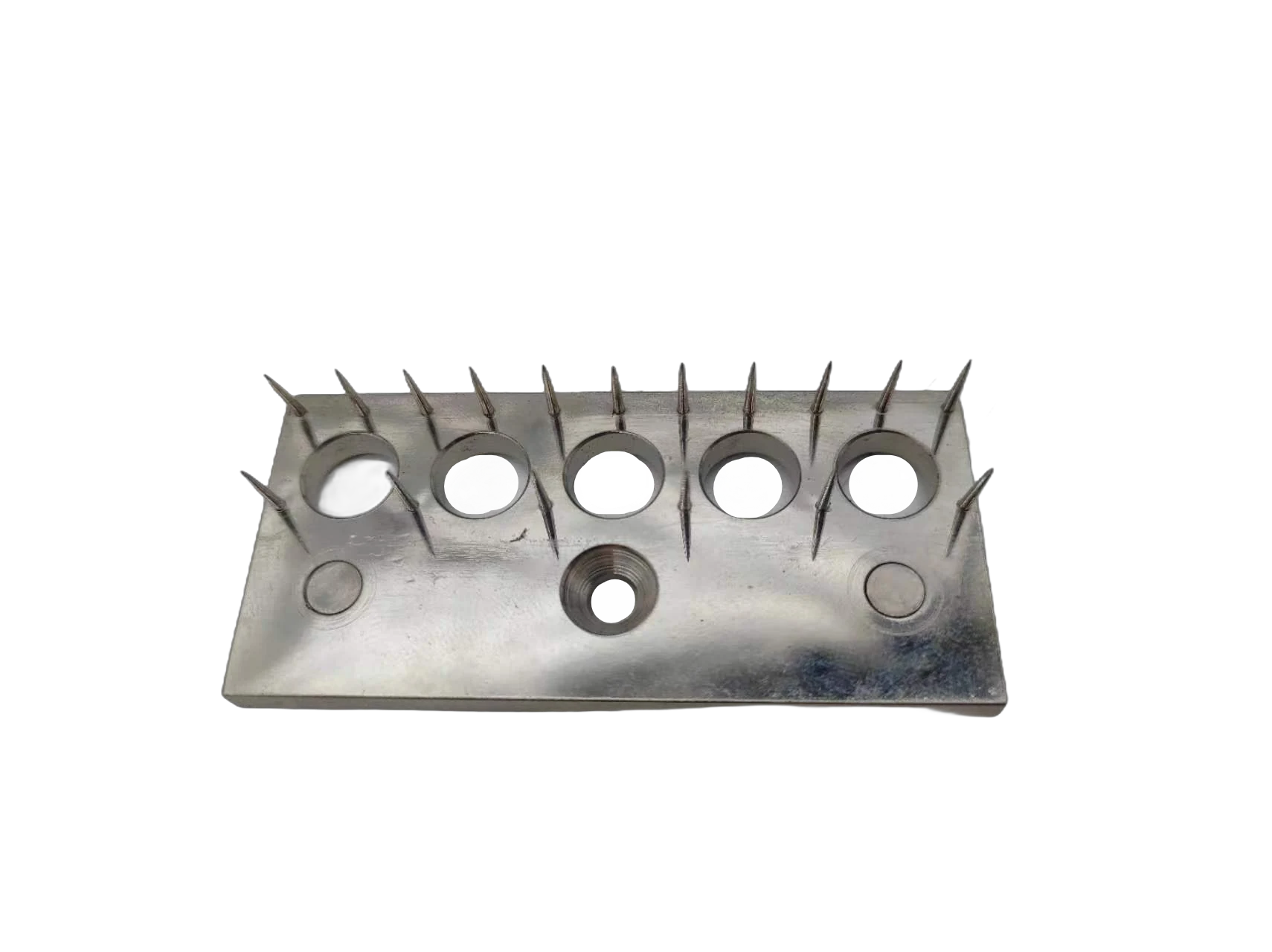
For film lines the plate is high-strength stainless steel throughout, heat resistant up to 800 degrees and corrosion resistant. That is a different part, not a variant of the fabric plate.
Buy in Matched Sets
Plates bought in small lots from different batches give uneven pin height along the rail, and uneven pin height shows up as uneven selvedge grip across the machine. It is one of the hardest faults to diagnose because nothing is obviously broken.
Order full-rail sets packed from one production batch. If budget forces a partial replacement, replace a whole rail section rather than scattering new plates among old ones.
Check the Holder Before You Blame the Plate
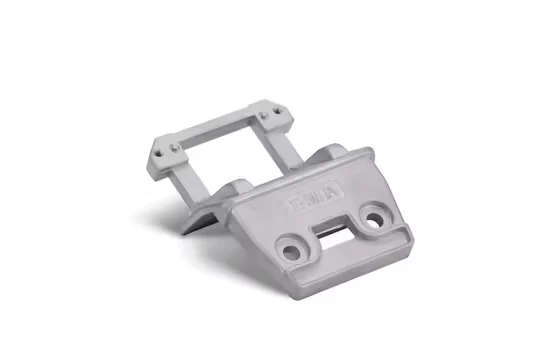
A pin plate can only be as square as the holder underneath it. Grip a fitted plate and try to rock it. Any play at the holder mounting means the holder is worn, and a new plate fitted to a worn holder will tilt exactly as the old one did.
Holders are made in specialised alloys that handle stenter frame temperatures, and they are sized to the chain mounting. Replace them with the chain at an overhaul.
Related: LK Pin Plate Holder 76 mm
Related Categories Industries and Solutions
More From the Knowledge Centre
The Major Textile Machinery Exhibitions Around the World
ITMA, ITME India, ITMA ASIA, Techtextil, SIMATEX and SaigonTex. Where the finishing industry meets, and what a spare parts buyer actually gets out of going.
Read Guide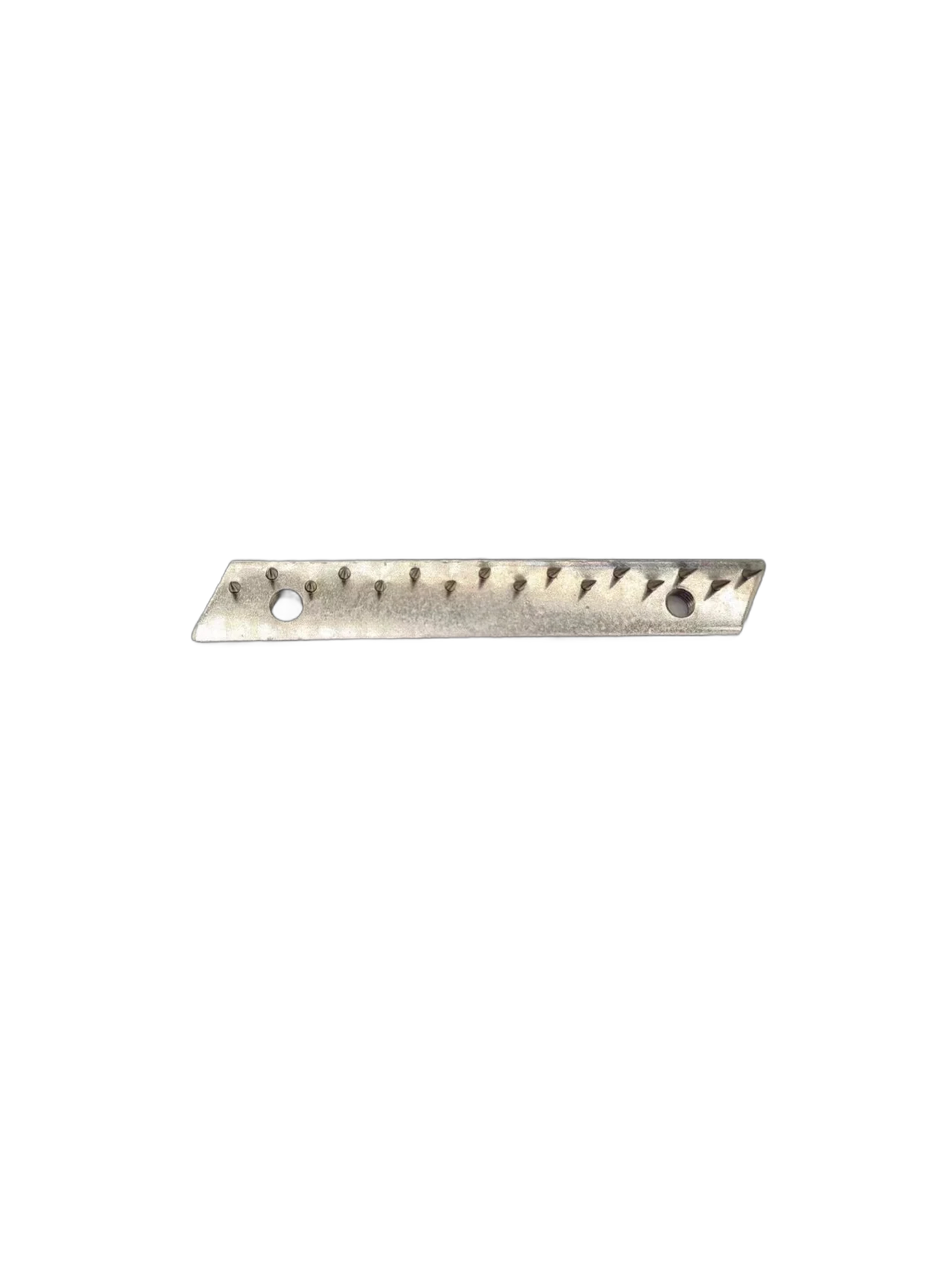
How to Choose a Stenter Spare Parts Factory
What to ask a supplier before the first order, from material specification to how they pack a rail set, and which answers should make you walk away.
Read Guide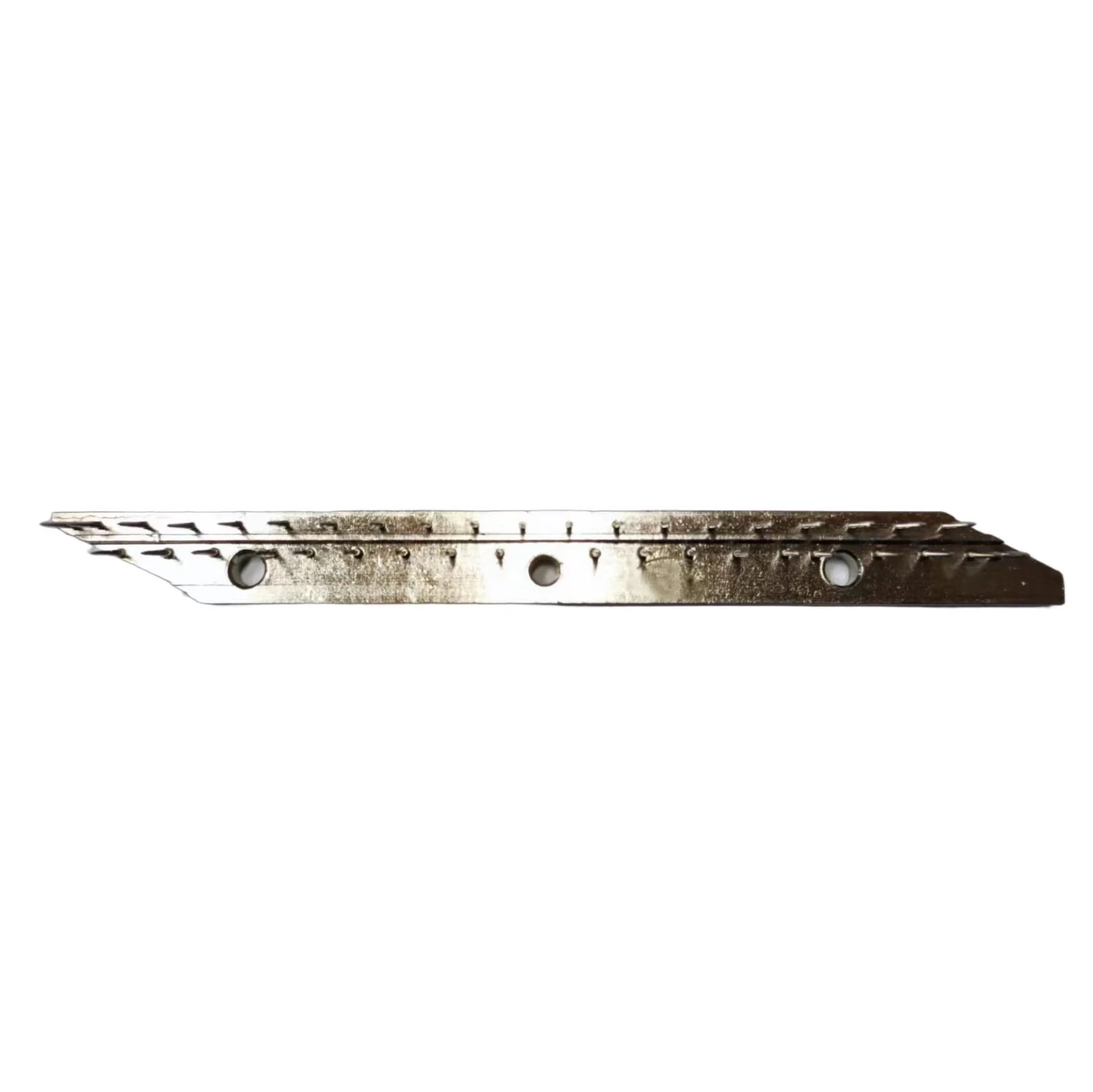
How to Import Stenter Spare Parts From China
Identifying parts without part numbers, proving the fit before a batch, and what a 7 day lead time does and does not mean.
Read GuideQuestions About This Guide
What do I need to measure before ordering?
Hole to hole distance, hole diameter and overall plate length. A photo with a ruler across the fixing holes is usually enough.
Carbon steel or stainless steel pins?
Carbon steel as standard, it holds a sharp point well. Stainless steel where the finishing chemistry is aggressive.
Can I mix new and old plates on one rail?
We do not recommend it. Mixed batches give uneven pin height, which shows up as uneven selvedge grip across the width.
What if I have no part number at all?
Post us one sample plate. That is better than a drawing because it carries the real mounting dimensions and the wear pattern.
Put This Into Practice
Send a photo of the part with a ruler across the mounting and we will tell you what you are looking at and what it will cost to replace.