
PEEK or Copper in a Stenter Chain
PEEK is self-lubricating and runs light and quiet. Copper carries more load. Where each belongs in a chain, and why PEEK replaced the copper mesh bush.
· Yehang Stenter Parts
On This Page
What PEEK Is
PEEK, polyether ether ketone, is a high-performance special thermoplastic. It combines high temperature resistance, wear resistance, self-lubrication, low noise, corrosion resistance and high strength, and that combination is why it has spread so widely through textile machinery.
Self-lubrication is the property that matters most on a stenter. A part that does not need an oil film is a part that cannot contaminate fabric, and that is worth a great deal on a finishing floor.
Related: PEEK Nuts Sliders and Bushes
The Bush Job PEEK Took Over
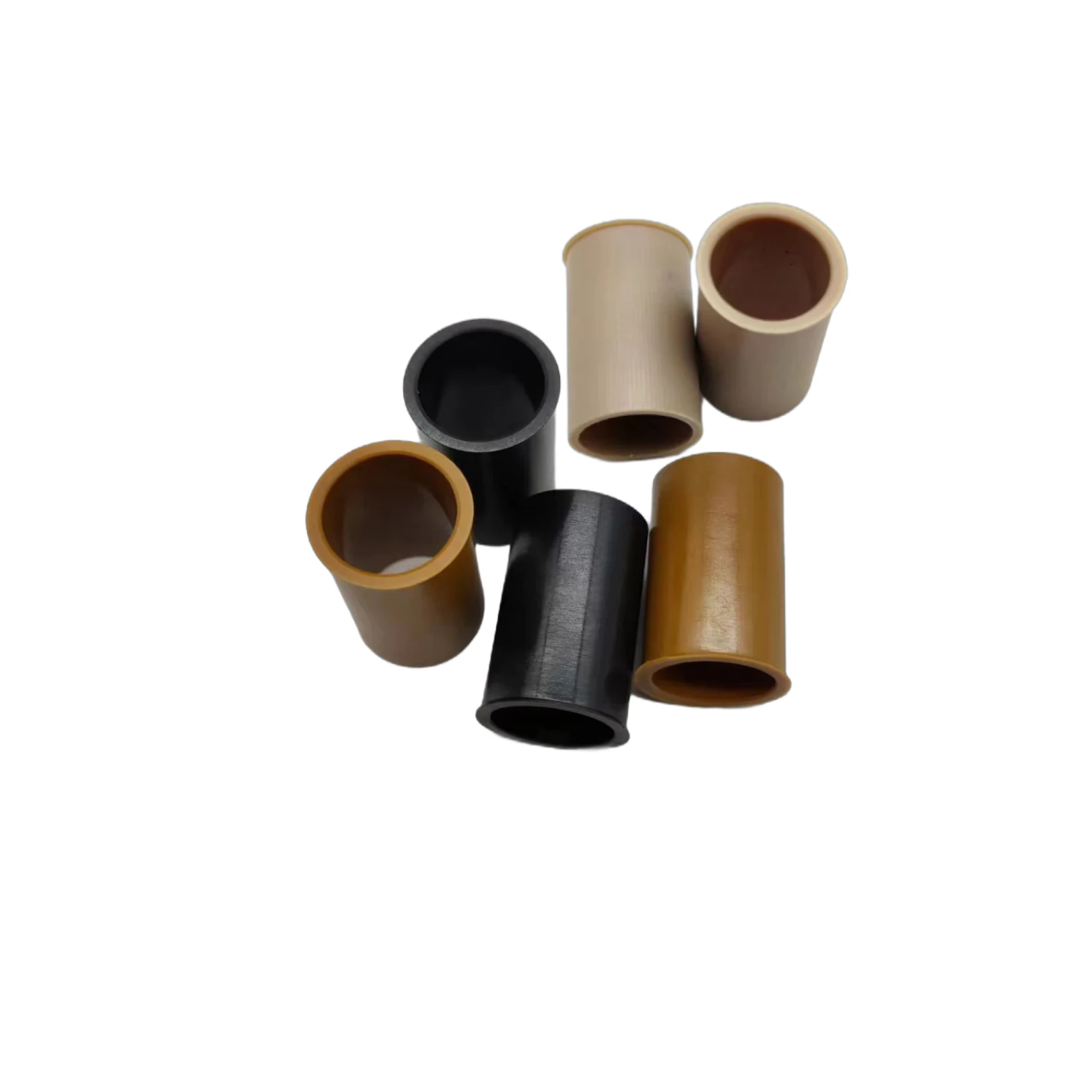
Inside a chain, the bush is the wear-resistant lining between the pin and the chain link. It used to be a copper mesh lining. PEEK replaced it because, being self-lubricating, it is more wear resistant and has a longer service life.
There is a second benefit that mills notice at overhaul time. The bush can be changed easily, so a chain body with sound link plates does not have to be scrapped when the bearing surfaces wear. That turns a chain replacement into a bush change.
Related: PEEK Bush for Monforts Stenter Chain
Slider Material Is a Real Choice
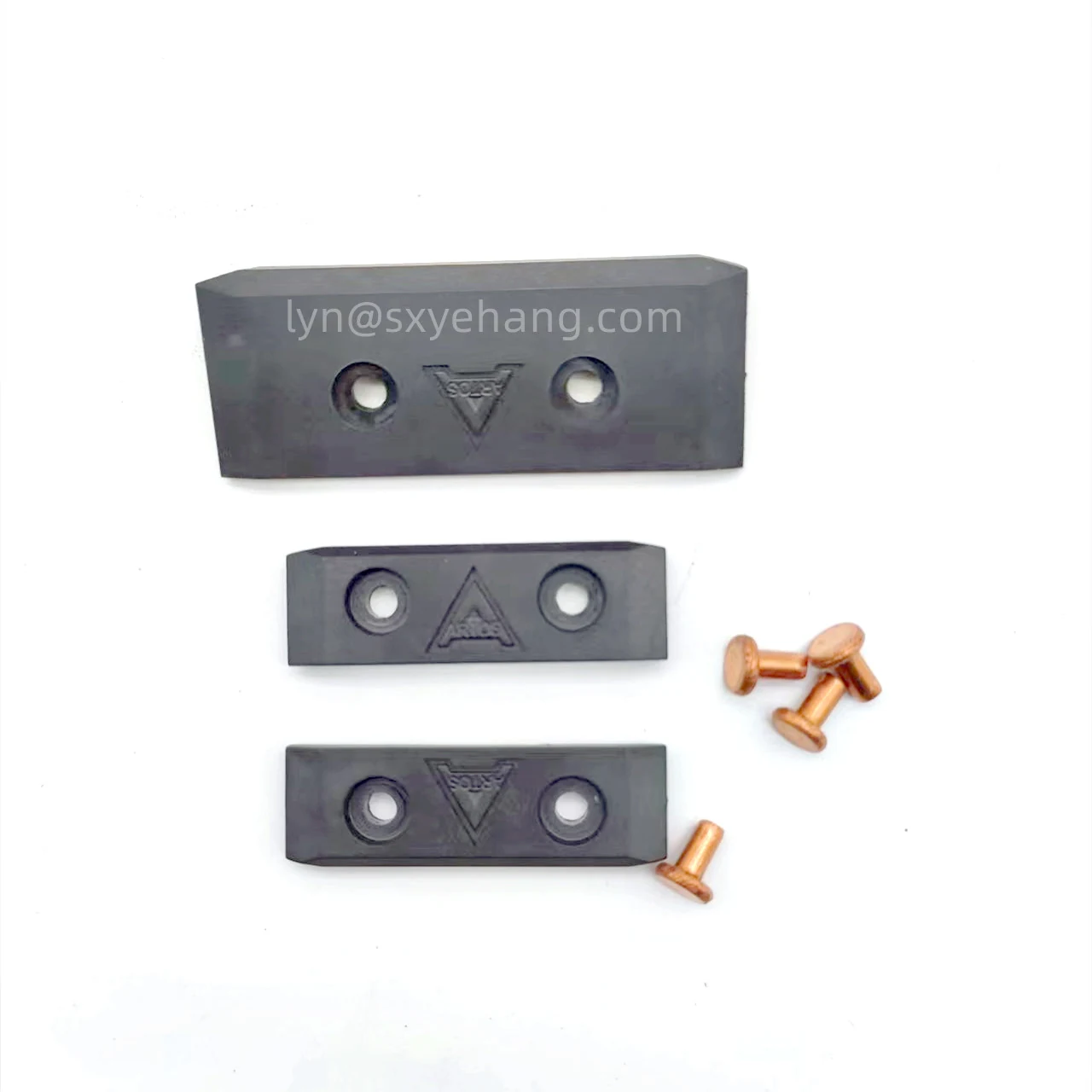
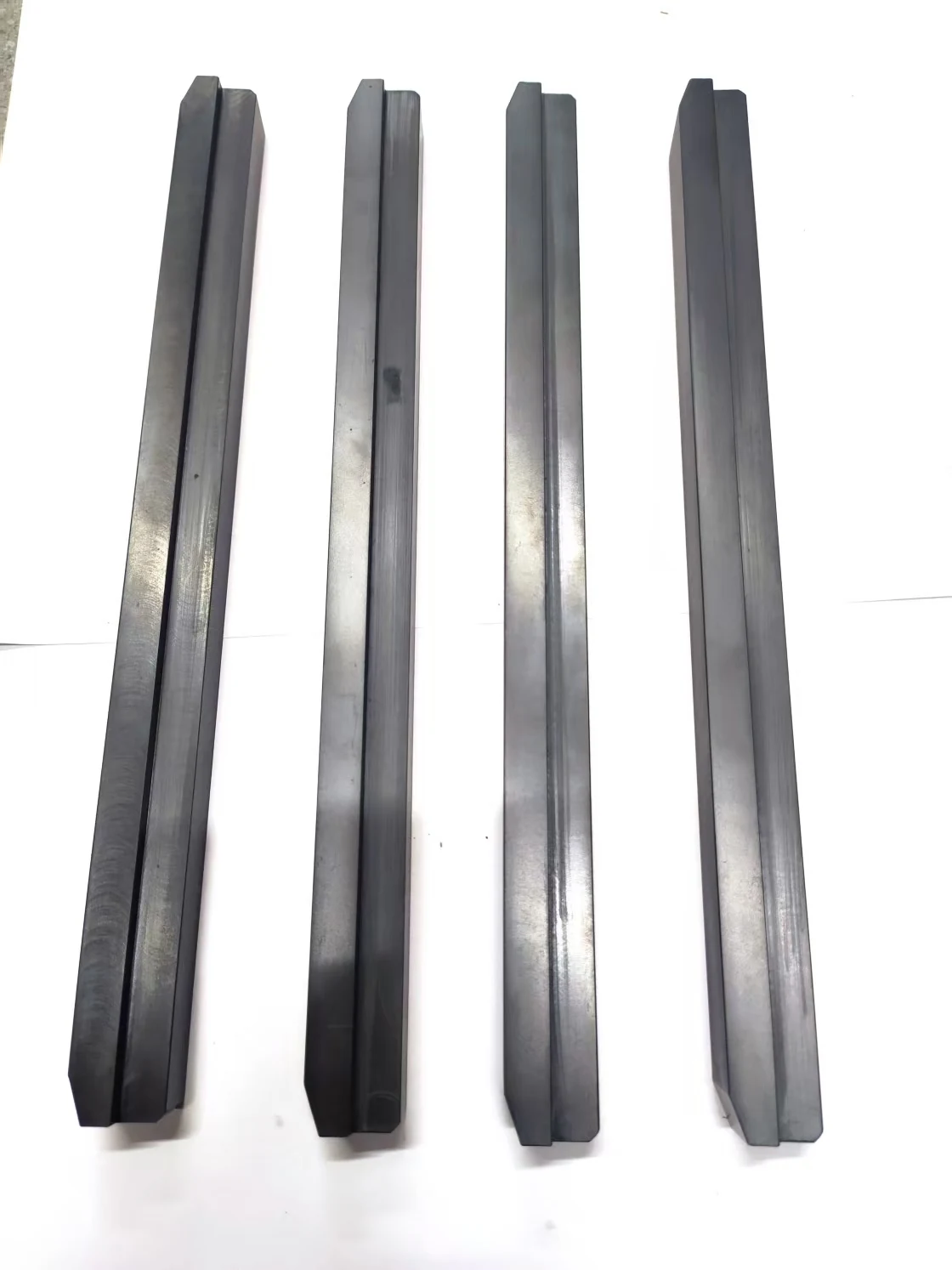
The slider is the part that runs against the guide rail and carries the drag of the whole chain. Here copper and PEEK are genuine alternatives rather than one replacing the other.
Copper takes higher load and is the traditional build. PEEK runs lighter and quieter, does not need the same grease film, and puts less drag on the rail. Heavy fabric at high tension favours copper. Lighter goods at high line speed favour PEEK, which is why the same Artos chain body is offered with either.
Related: PEEK Slider for Artos Stenter Chain
Dust Covers Are Where Chains Really Fail
In a dusty mill the bush is rarely the first thing to wear out. What happens is that fibre lint and finishing chemistry pack into the bearing surface and grind the pin.
A PEEK dust cover keeps that out. On Monforts chains it is the difference between a chain that reaches its overhaul interval and one that does not, and it is why the PEEK bush and dust cover build is worth its higher price anywhere fibre dust is heavy.
Where Else PEEK Turns Up
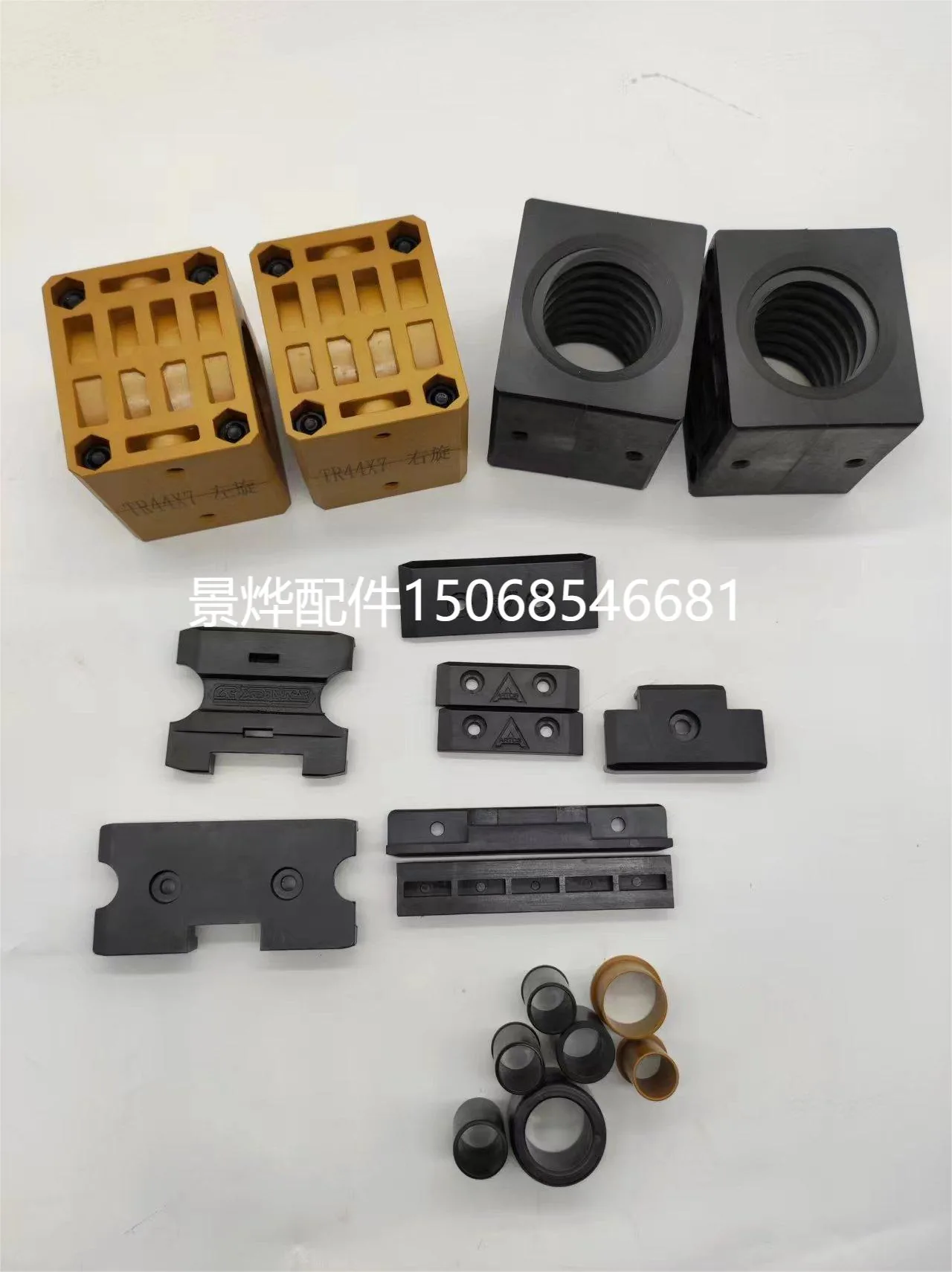
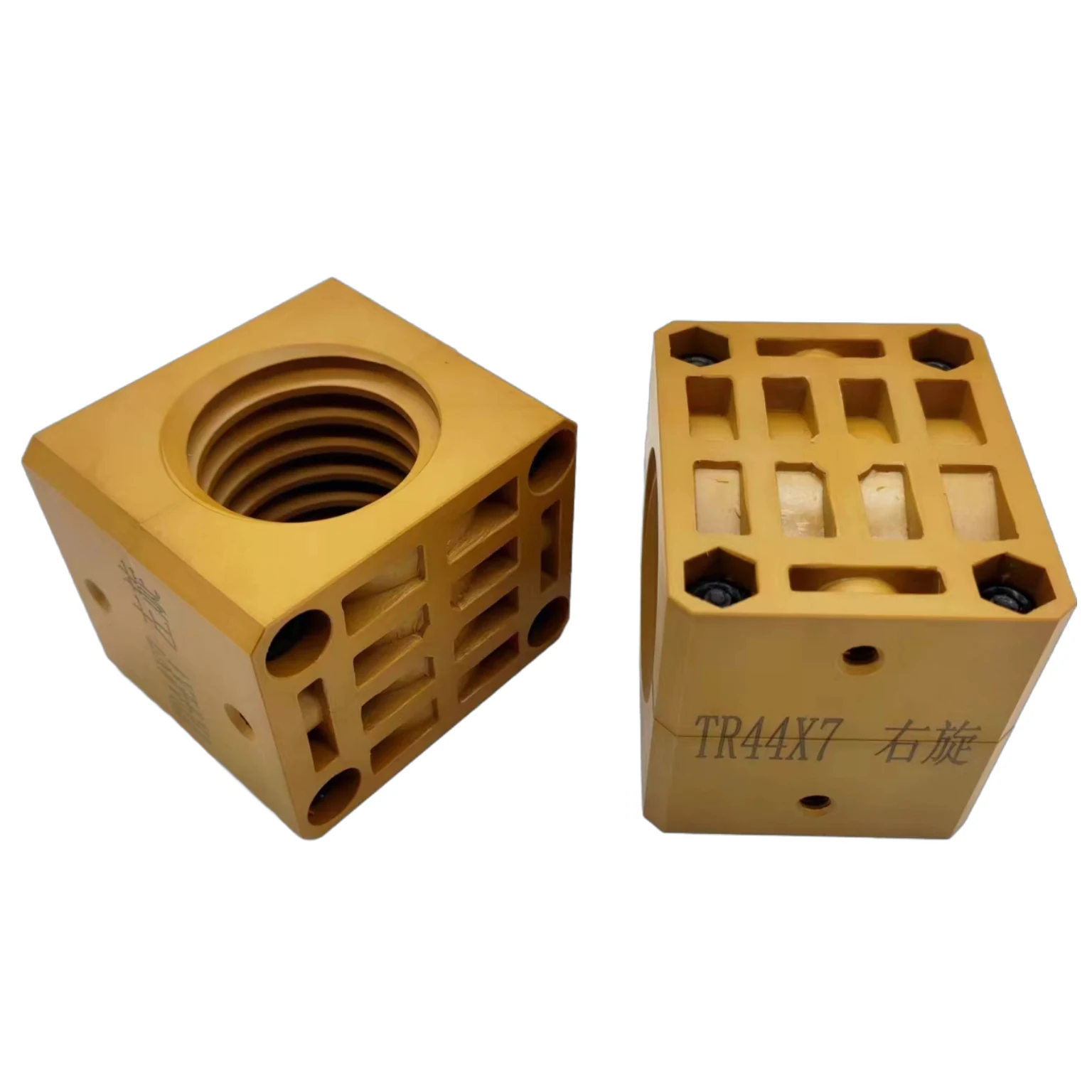
Two more places. The adjustable nut on the lead rod, the part that lets the guide rail be widened, is PEEK on modern machines because it is self-lubricating and needs no molybdenum disulfide, and because it is not easy to break under adjustment load.
And the buffer block in the chain path, where PEEK's high strength and low noise absorb impact without cracking at chamber temperature.
Related Categories Industries and Solutions
More From the Knowledge Centre
The Major Textile Machinery Exhibitions Around the World
ITMA, ITME India, ITMA ASIA, Techtextil, SIMATEX and SaigonTex. Where the finishing industry meets, and what a spare parts buyer actually gets out of going.
Read Guide
How to Choose a Stenter Spare Parts Factory
What to ask a supplier before the first order, from material specification to how they pack a rail set, and which answers should make you walk away.
Read Guide
How to Import Stenter Spare Parts From China
Identifying parts without part numbers, proving the fit before a batch, and what a 7 day lead time does and does not mean.
Read GuideQuestions About This Guide
Is PEEK better than copper?
For bushes, yes, it replaced copper mesh because it is more wear resistant and lasts longer. For sliders it depends: copper carries more load, PEEK runs lighter and quieter.
Does PEEK need grease?
It is self-lubricating, so it does not depend on an oil film. The chain still gets high-temperature grease at the annual service.
Can I retrofit PEEK bushes to my existing chain?
Often yes, if the pins and link plates are sound. Send us a sample link and we will confirm.
Why does a PEEK nut need no molybdenum disulfide?
Because PEEK is self-lubricating. That removes a grease from the lead rod that had no business migrating anywhere near fabric.
Put This Into Practice
Send a photo of the part with a ruler across the mounting and we will tell you what you are looking at and what it will cost to replace.