
Pin Plate or Clip Which Stenter Rail Suits Your Fabric
Pins hold more tension and run faster but mark the selvedge. Clips leave the edge clean but need a real selvedge to grip. Here is how to decide, and what to do when you need both.
· Yehang Stenter Parts
On This Page
The Trade Is Tension Against Marks
A tenter or stenter carries fabric from one point to another continuously in open width with precise width control. There are two ways of holding the cloth onto the chains, and the difference between them is the single biggest decision on a finishing floor.
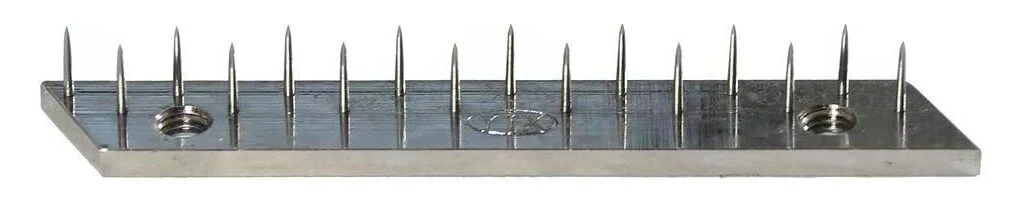
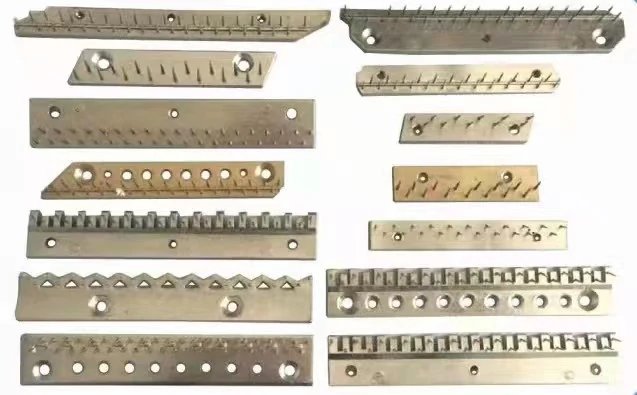
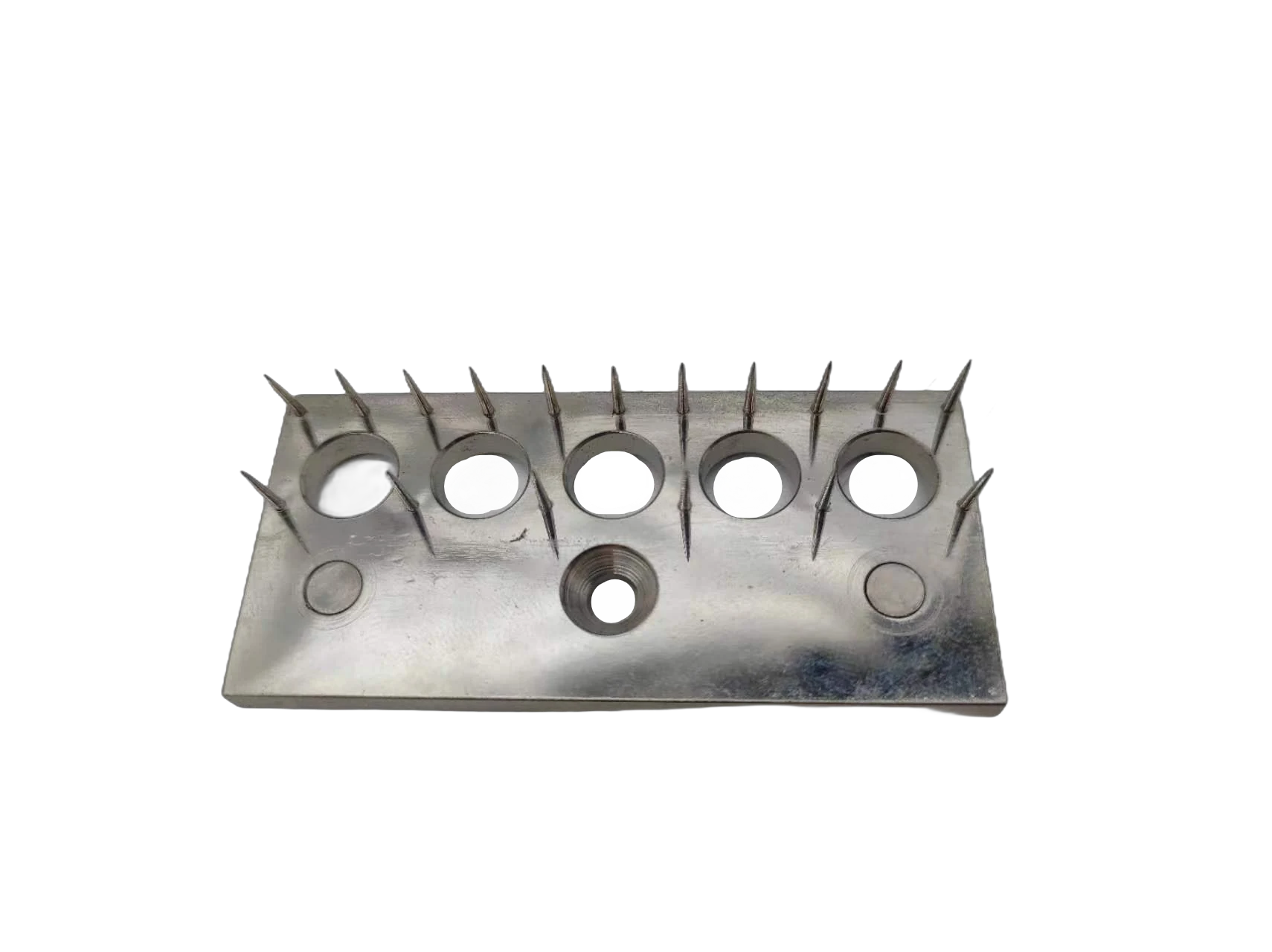
Pin stenters use pins about 5 mm long in two rows at 3 to 4 pins per cm along the base plate. The pins are thicker near the base so the fabric never touches the hot base plate. Clip stenters close a knife onto the selvedge instead. Clip stenters leave no pin marks in the selvedges, but customers will generally accept the pinholes a pin stenter leaves.
Why Pins Let You Run Faster
The advantage of a pin plate is that it increases the tension on the fabric. The cloth runs faster as a result, up to 100 m/min on a rail in good condition.
The mechanism is simple. The pin plate contacts the pin plate holder, the holder contacts the chain, and the press wheel pushes the fabric onto the pins so the fabric stays held. More pins gripping more firmly means more tension can be carried, and more tension means more speed.
Related: Stenter Pin Plates and Pin Holders
Why Clips Leave a Better Edge
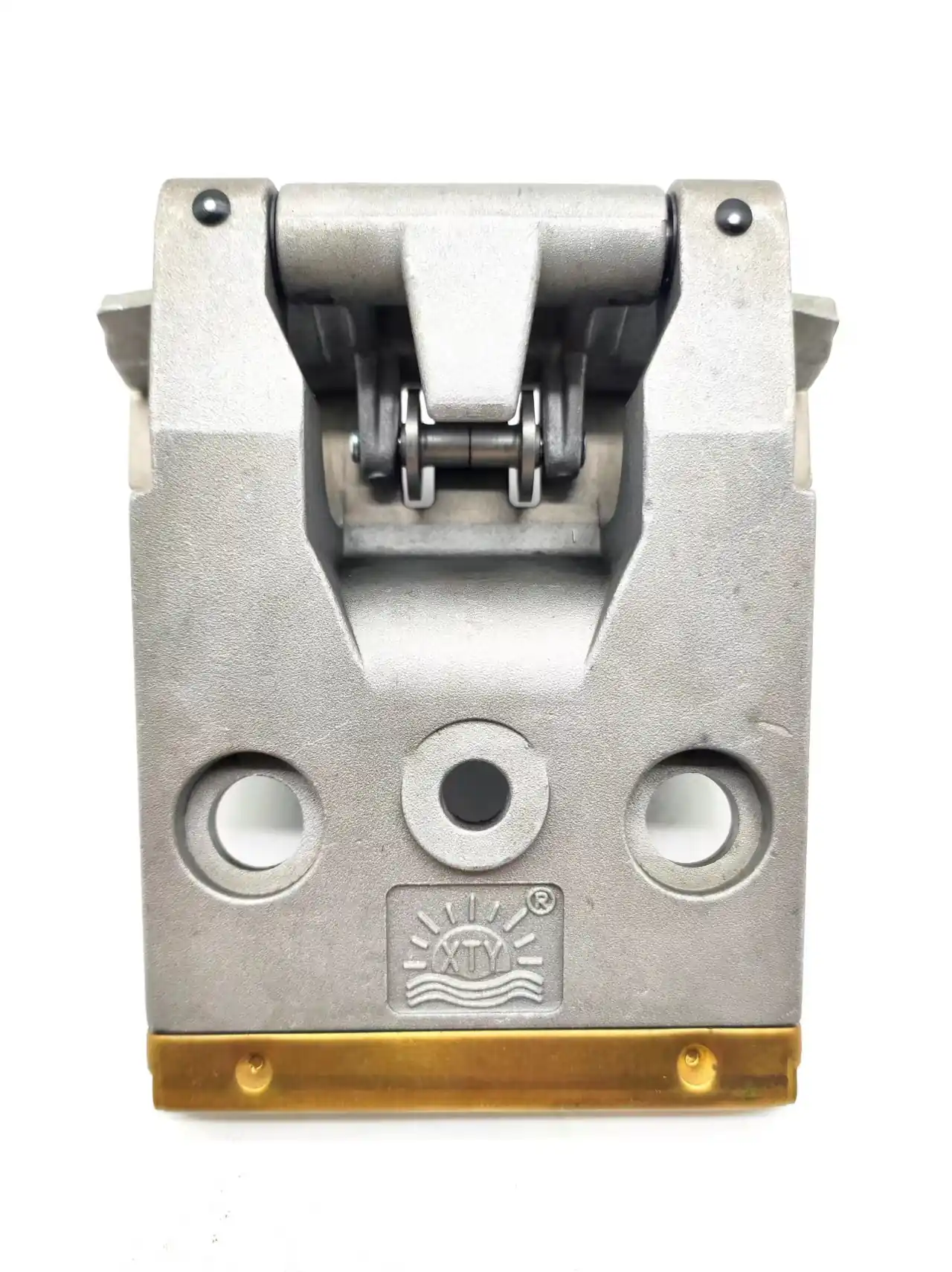
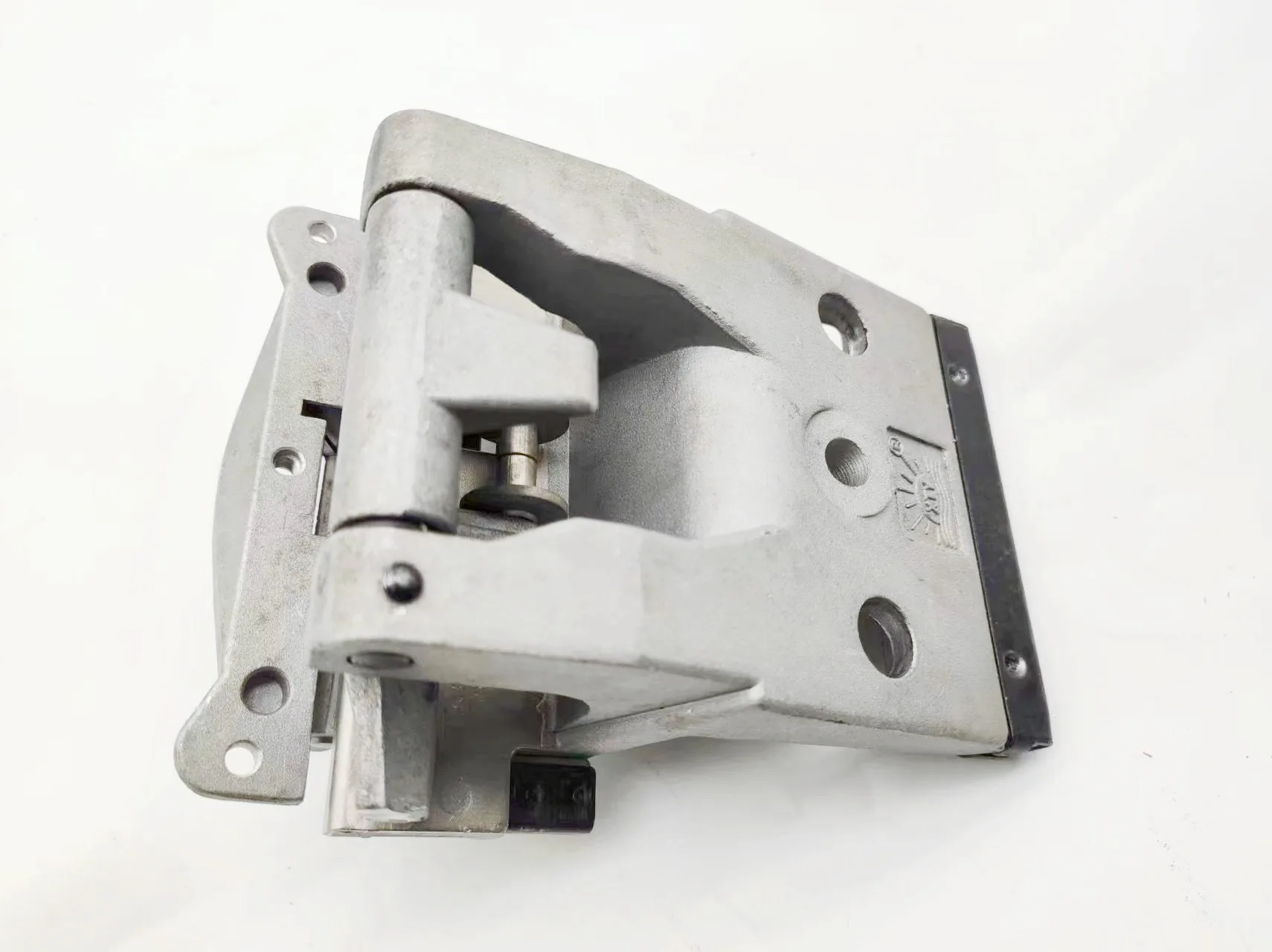
The advantage of using a clip is that the edges of the cloth are relatively flat, which suits thicker fabrics. A clip starts open; when the cloth enters, the knife of the clip closes and holds the cloth tightly; at the end of the machine the clip reopens.
The limit is that a clip stenter requires a specific edge to grip, preferably a selvedge, which is why clip rails are usually confined to woven fabrics. Knitted fabric with a rolling edge gives a clip nothing firm to close on.
Related: Stenter Clips
How to Decide
Ask two questions. Does the selvedge stay in the finished goods, or is it trimmed? And does the fabric have a firm edge at all?
If the selvedge is trimmed and the fabric is knitted, pins are the obvious answer. If the selvedge stays visible in the product and the fabric is a heavier woven, clips are worth the slower running. If your order book contains both, you are the mill a double use clip was designed for.
When You Need Both on One Machine
A clip and pin double use clip works as both a clip and a pin holder on the same rail. One machine then covers woven and knitted work without reconfiguring the whole rail between orders.
It is heavier than a standard clip, 0.76 kg against 0.65 kg, which is the cost of carrying both functions. For a contract finisher taking mixed work that weight is a good trade.
Related Categories Industries and Solutions
More From the Knowledge Centre
The Major Textile Machinery Exhibitions Around the World
ITMA, ITME India, ITMA ASIA, Techtextil, SIMATEX and SaigonTex. Where the finishing industry meets, and what a spare parts buyer actually gets out of going.
Read Guide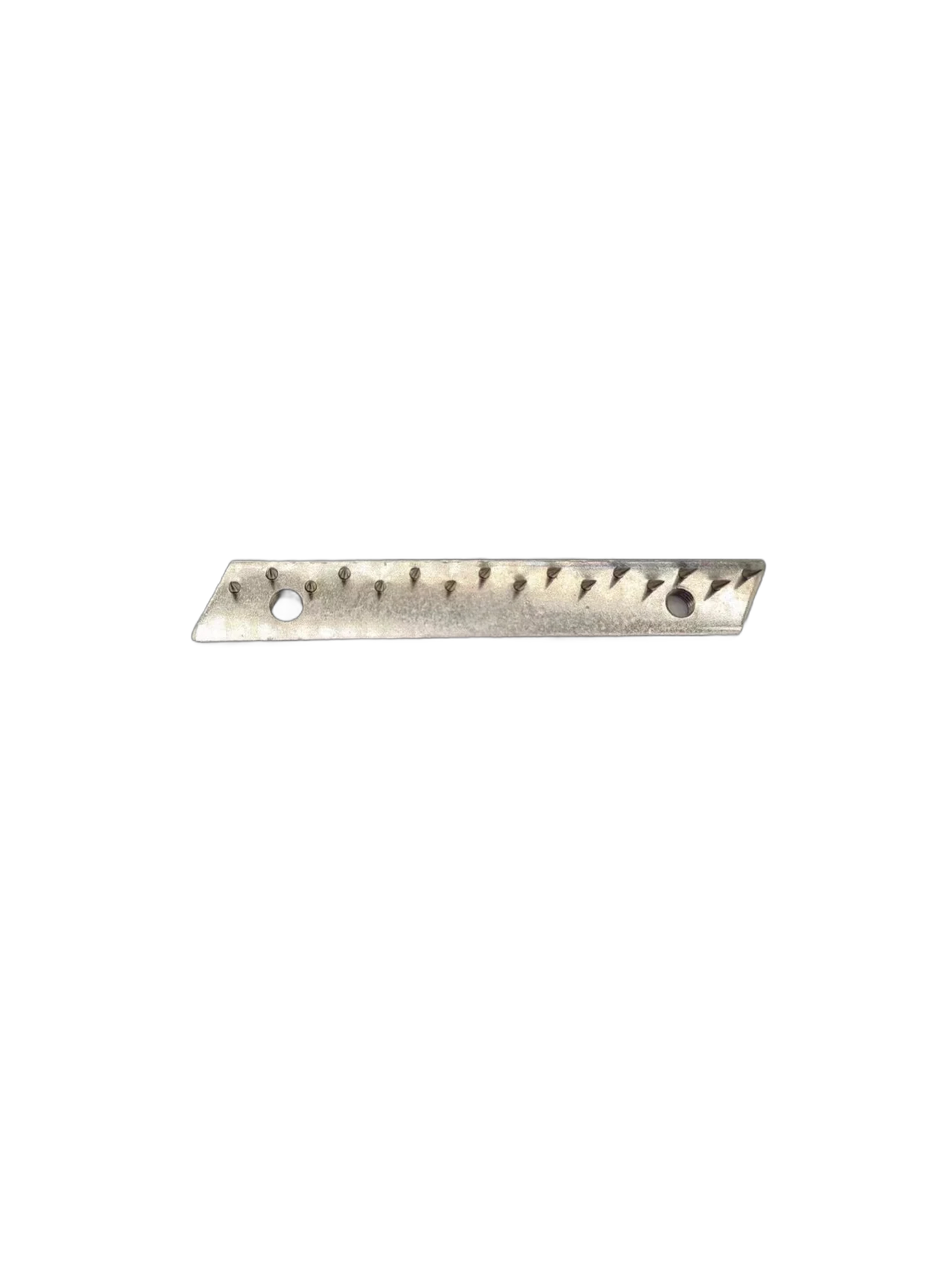
How to Choose a Stenter Spare Parts Factory
What to ask a supplier before the first order, from material specification to how they pack a rail set, and which answers should make you walk away.
Read Guide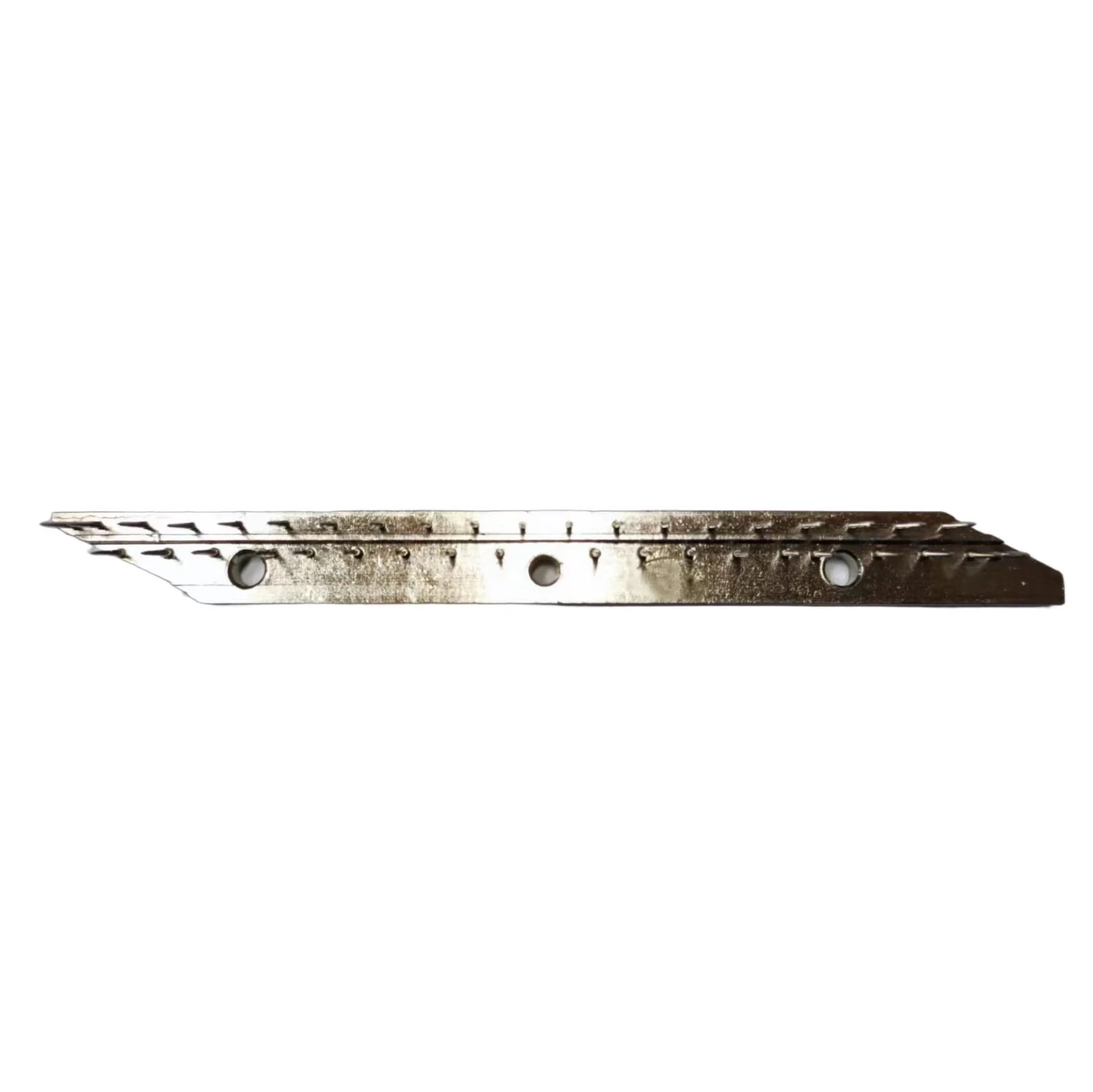
How to Import Stenter Spare Parts From China
Identifying parts without part numbers, proving the fit before a batch, and what a 7 day lead time does and does not mean.
Read GuideQuestions About This Guide
Do pin plates damage fabric?
They leave pinholes in the selvedge. Most mills accept that because the selvedge is trimmed off. Where the edge stays in the finished goods, use clips.
Can I run knitted fabric on a clip stenter?
Not reliably. A clip needs a definite edge to grip, preferably a selvedge, so clip rails are usually confined to woven fabrics.
How much faster is a pin rail?
Pin plates increase fabric tension and the cloth can run up to 100 m/min. The exact gain depends on the fabric and the machine.
Is there a part that does both?
Yes, a clip and pin double use clip. We make one for Monforts stenters.
Put This Into Practice
Send a photo of the part with a ruler across the mounting and we will tell you what you are looking at and what it will cost to replace.