
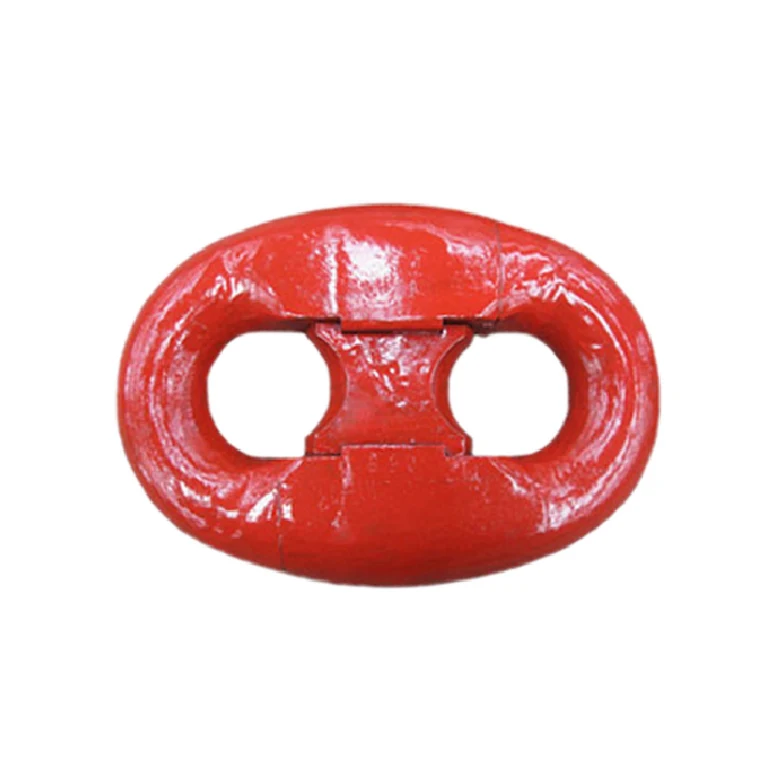
Chains
Marine Chains
The critical link in a vessel's anchoring, mooring, and towing systems. Kailipu supplies stud link and plain link marine chains in Grade 43, Grade 70, and Grade 80, covering anchor, mooring, towing, lashing, and buoy applications, so a marine outfitting buyer can source the full chain system from one supplier without splitting orders across multiple manufacturers.
All 9 Marine Chains
Every catalogued line in Marine Chains, nothing paginated
Lugless Joining Shackle - Kenter Link - End Shackle -Swivel Set
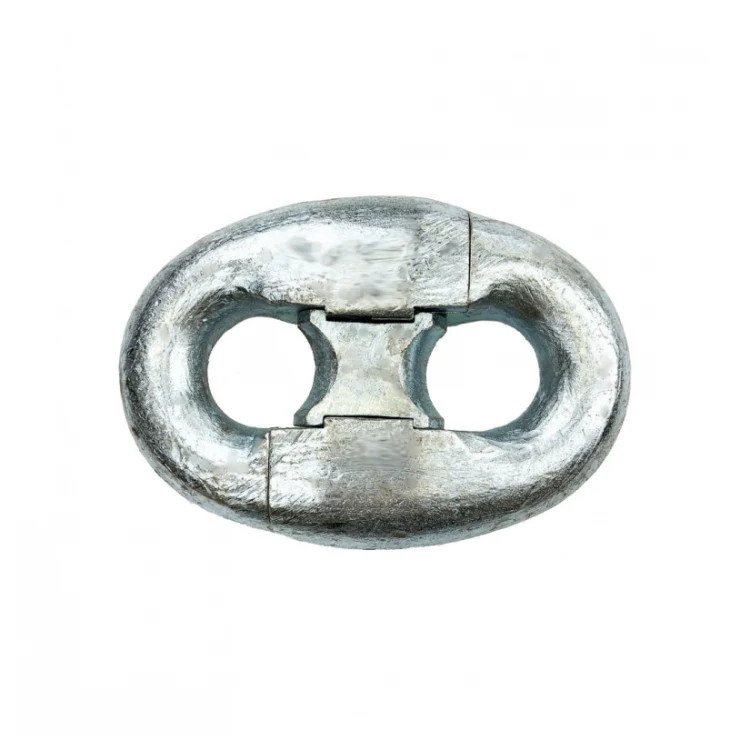 Kenter Link - Joining / End Shackle -Swivel Set
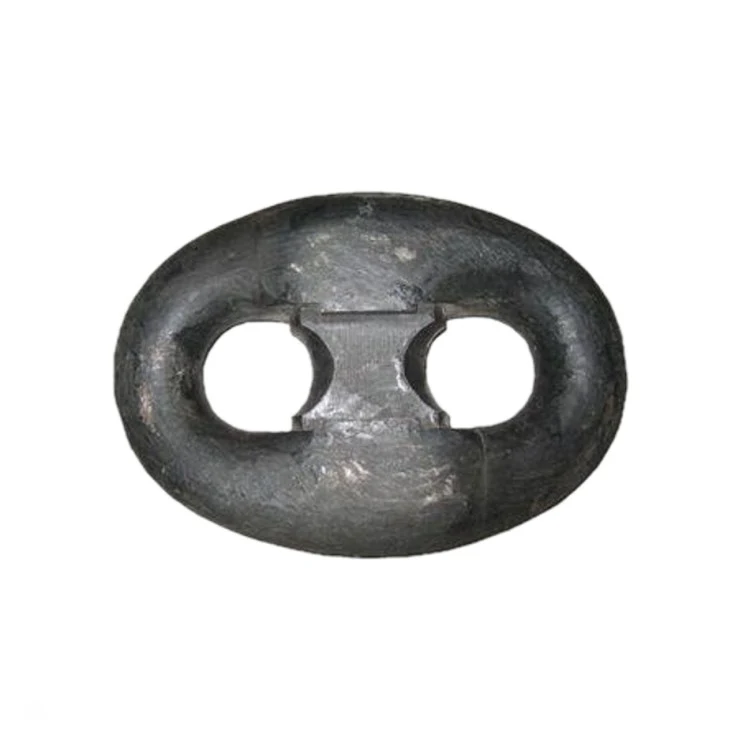 Kenter Shackle - Anchor Chain Fittings
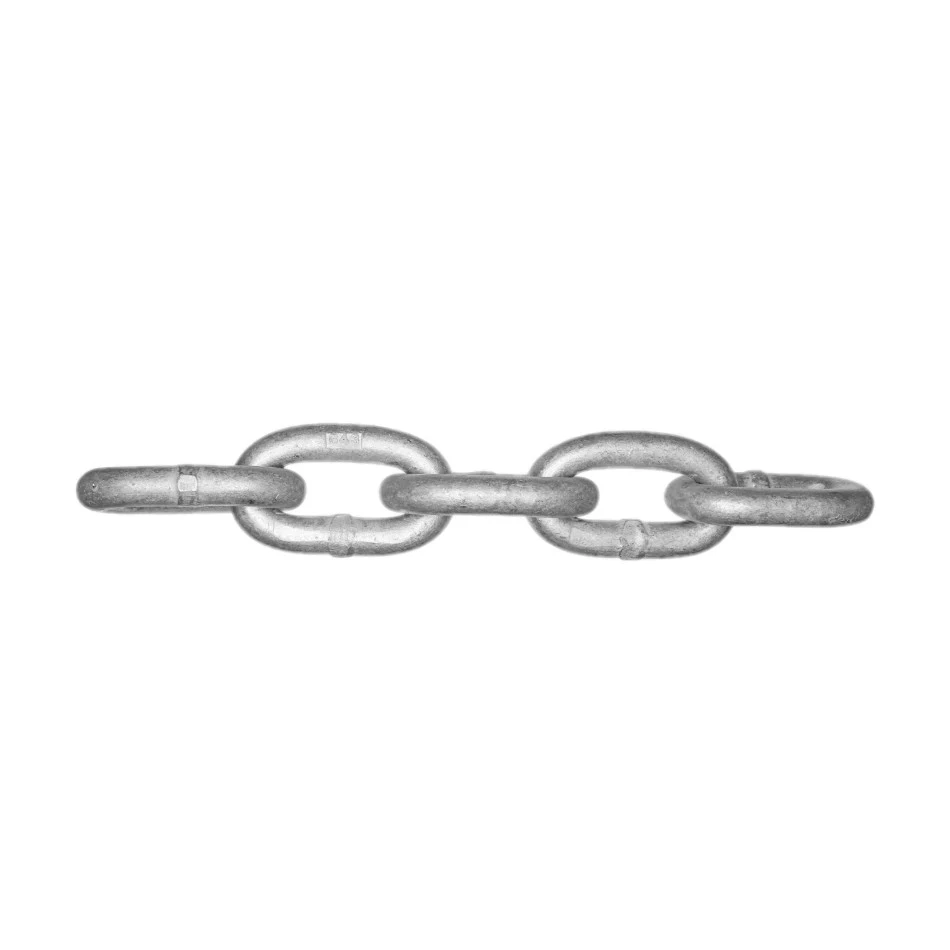 STUDLESS ANCHOR CHAIN
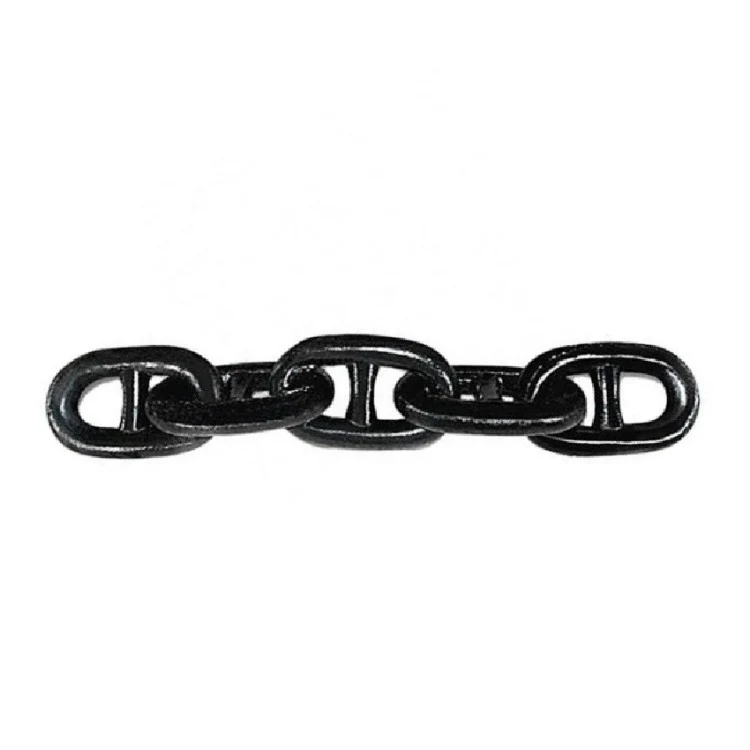 STUD LINK ANCHOR CHAIN
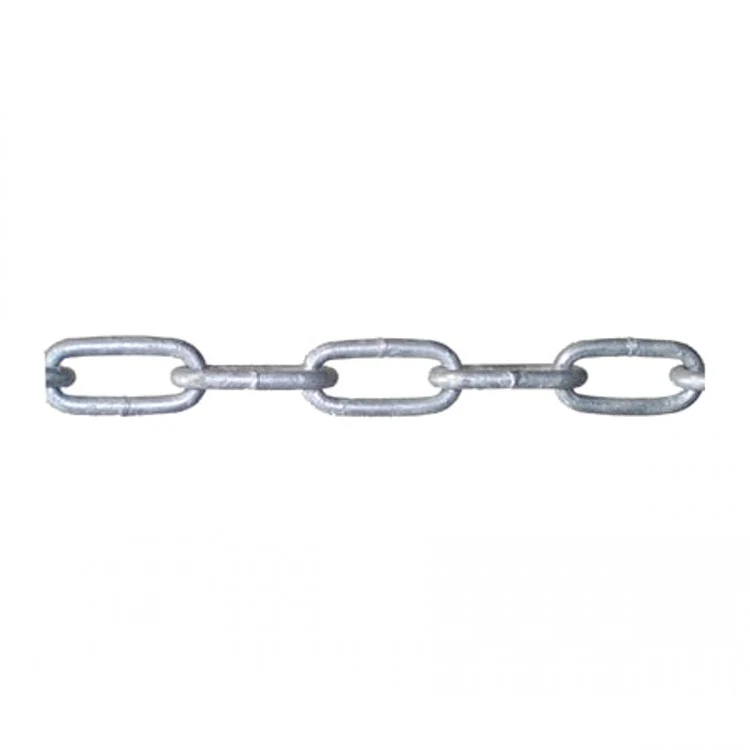 DIN763 LONG LINK CHAIN
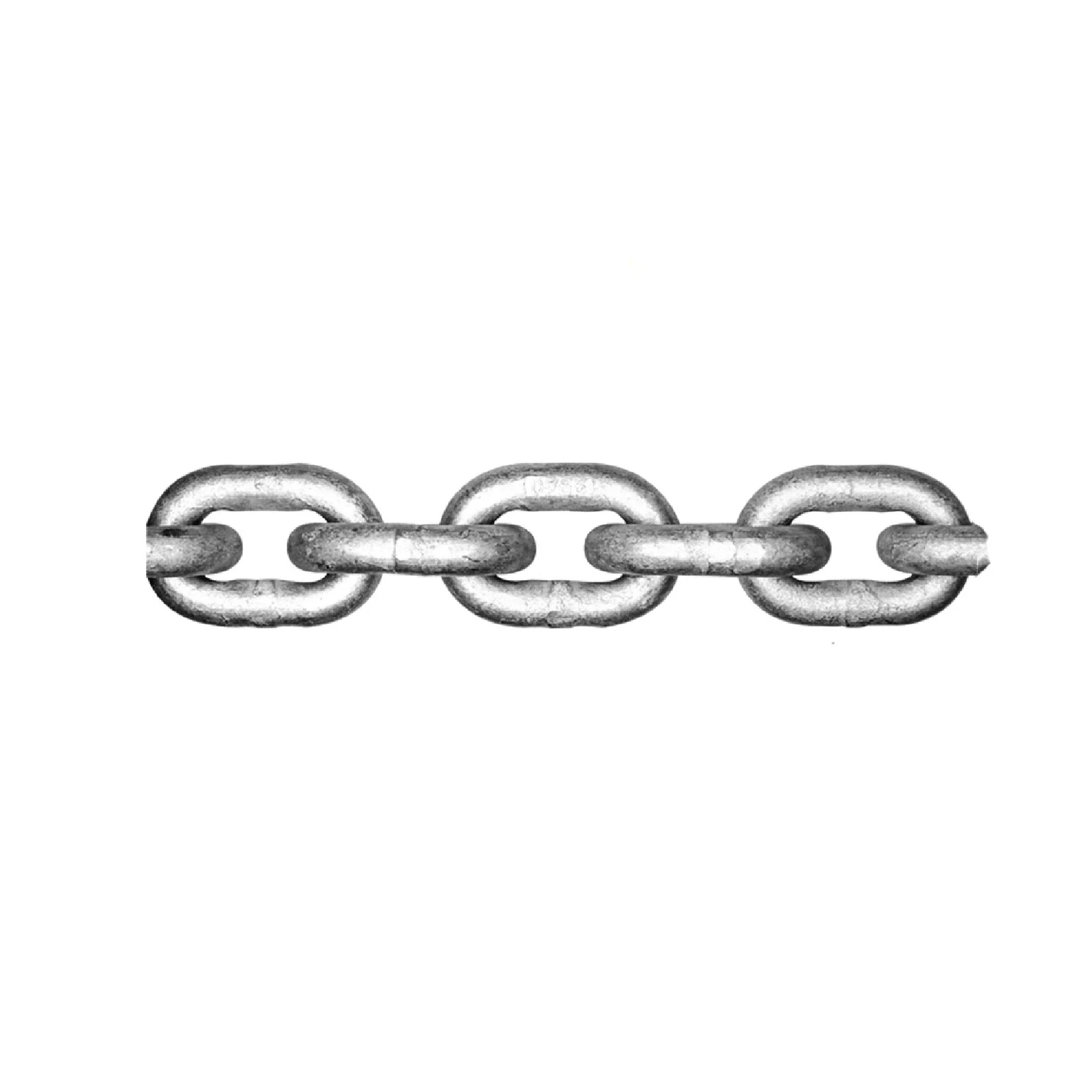 DIN 764 LINK CHAIN
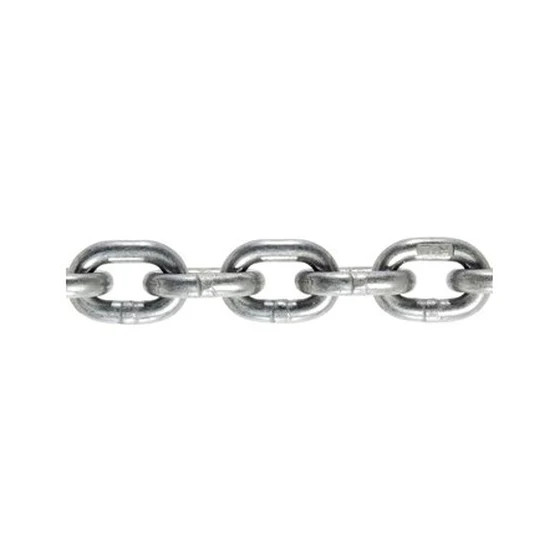 DIN766 SHORT LINK CHAIN GRADE 3
MOORING CHAIN HOT DIP GALVANIZED GRADE 43
DIN766 SHORT LINK CHAIN GRADE 3
MOORING CHAIN HOT DIP GALVANIZED GRADE 43
Who It Is For
Buyers Who Specify Marine Chains
- Marine and offshore contractors outfitting ships, platforms, and floating structures with complete chain systems
- Shipyards and repair yards needing Grade 70 and Grade 80 chains for newbuild and maintenance work
- Towing and salvage companies requiring high-strength lashing and towing chains for dynamic operations
- Port and terminal operators managing mooring and berthing systems with long-term chain exposure
- Marine equipment suppliers building integrated mooring kits and anchor packages for resale
- Classification society surveyors verifying chain compliance during vessel inspections
Problems Solved
What Marine Chains Solve on the Job
- A vessel’s mooring system fails because the chain grade does not match the design load, leading to a safety incident at sea
- Towing operations are delayed because the lashing chain lacks the required strength for the load and dynamic forces
- An anchor chain breaks during deployment due to a lack of proof load testing and material traceability
- A marine contractor cannot get a full chain system from one supplier, forcing them to source anchor chain from one factory and mooring chain from another
- No Material Test Certificate is available, so the chain cannot be signed into a vessel’s safety register or classification society file
- The chain finish does not suit the environment—electro-galvanised on a coastal vessel, or plain steel in saltwater exposure
Why Kailipu
Why Buy Marine Chains from Kailipu
- 9 catalogued marine chain types across anchor, mooring, towing, lashing, buoy, and stub link designs
- Available in Grade 43, Grade 70, and Grade 80 with stud link and plain link configurations
- Complies with DIN 741, EN 1492-1, and EN 1492-2 standards for marine chain strength and testing
- Proof load testing, dimensional tolerance checking, and breaking strength validation performed on every batch
- Material Test Certificate to EN 10204 3.1 issued with each order on request
- Working Load Limit and traceability marking stamped on each chain link
- Custom tonnage stamping, private label marking, and custom packing available
- Direct supply from the original manufacturer with no middleman layer, supporting small top-up orders
Applications
Where Marine Chains Are Used
- Securing a container ship at a deepwater berth using Grade 70 mooring chain with stud links to resist wave and tide forces
- Anchoring an offshore platform with Grade 80 stud link anchor chain designed to handle high dynamic loads from storms
- Towing a disabled vessel using a Grade 70 towing chain with a high-strength link design and hot dip galvanised finish
- Lashing cargo on a deck using Grade 43 lashing chain with stud links to prevent shifting during rough seas
- Installing a buoy system in a tidal zone using Grade 43 buoy chain with a corrosion-resistant finish and secure end fittings
- Replenishing a fleet’s mooring chain inventory with a mixed order of stud link and plain link chains in multiple grades
Industries That Use This Category
Related Product Families
Answers
Marine Chains FAQ
What grades are available for marine chains?
Grade 43, Grade 70, and Grade 80 are available. Grade 43 is for general service, Grade 70 for high-load mooring, and Grade 80 for offshore anchor applications. Each grade is tested to meet the required strength and safety standards.
Are your marine chains tested before shipment?
Yes. Every batch undergoes proof load testing, dimensional tolerance checking, and breaking strength validation. Records are kept and available for inspection. A Material Test Certificate to EN 10204 3.1 is issued on request.
What is the difference between stud link and plain link chains?
Stud link chains have a protrusion on each link that increases strength and wear resistance, making them ideal for anchor and mooring use. Plain link chains are used for lashing and towing where high strength is needed but stud wear is not a concern.
Do you supply Material Test Certificates?
Yes. A Material Test Certificate to EN 10204 3.1 is issued with each batch on request. It includes material composition, mechanical properties, and test results for proof load and breaking strength.
Can you custom stamp tonnage and branding?
Yes. Custom tonnage stamping, private label marking, and OEM branding are standard. Send the marking layout and pack format, and we will apply it during production.
What finish options are available?
Hot dip galvanised for marine and outdoor use, electro-galvanised for indoor or dry environments, and plain steel for applications where coating is added later. Powder coating and electrophoretic black are also available on request.
What is the smallest order you accept?
We accept small top-up orders as part of a mixed rigging order. The point of buying from Kailipu is to consolidate your entire chain system from one supplier, so we do not require container loads or minimum quantities.
Get a Quote on Marine Chains
Send the sizes, capacities and finish you need. We reply within 24 hours with prices and the stock position line by line.
We reply within 24 hours on WhatsApp or by email. Send a drawing, a photo or a bill of materials and we will quote it as it stands.