
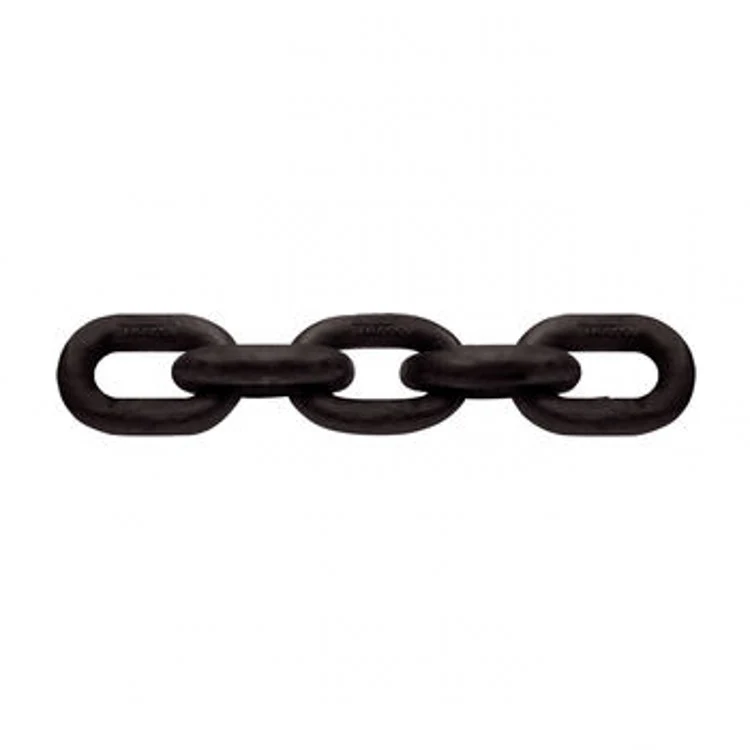
Chains
Lifting Chains
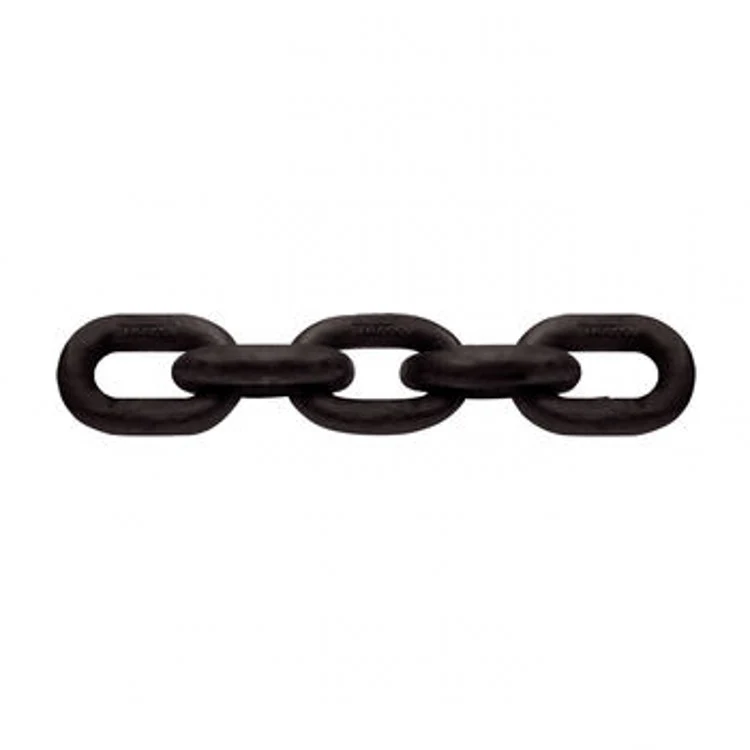
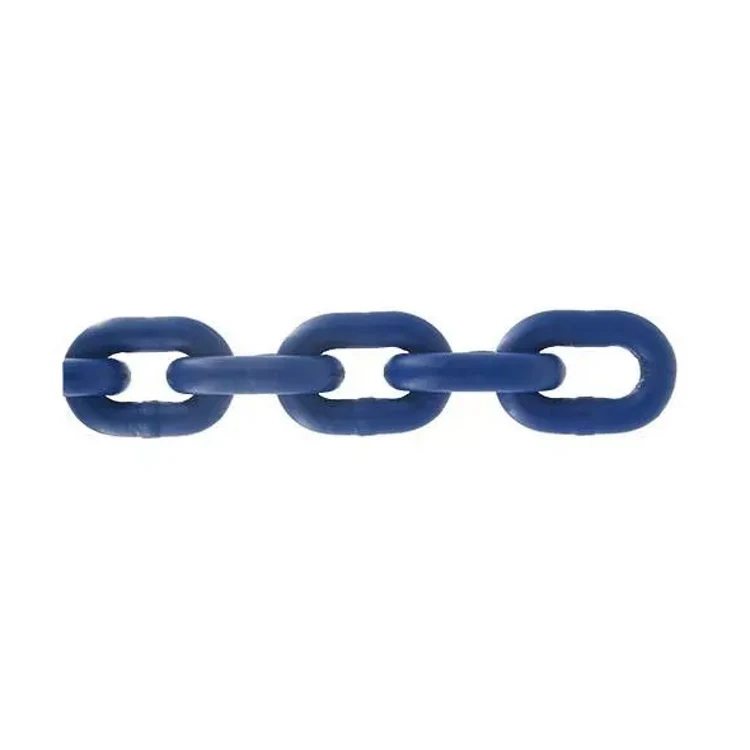
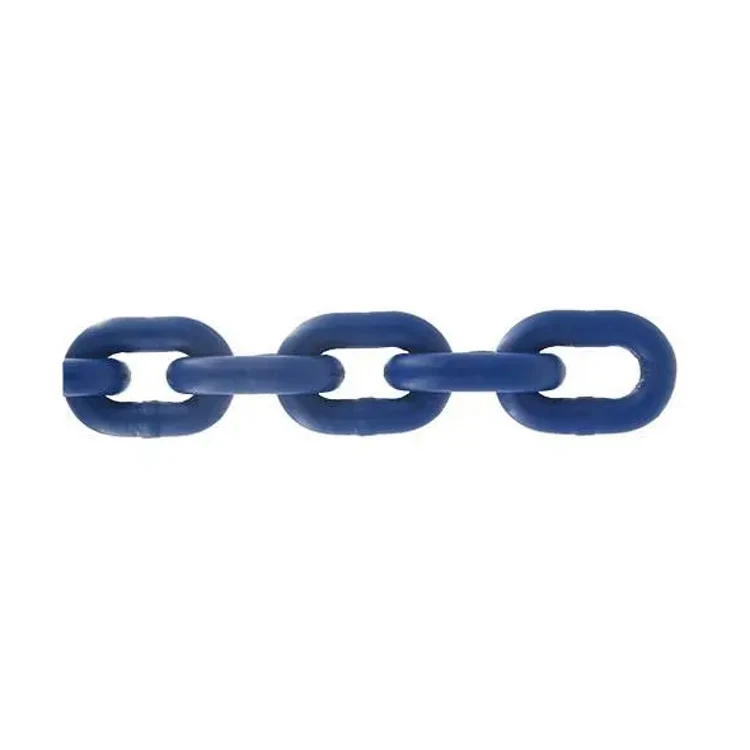
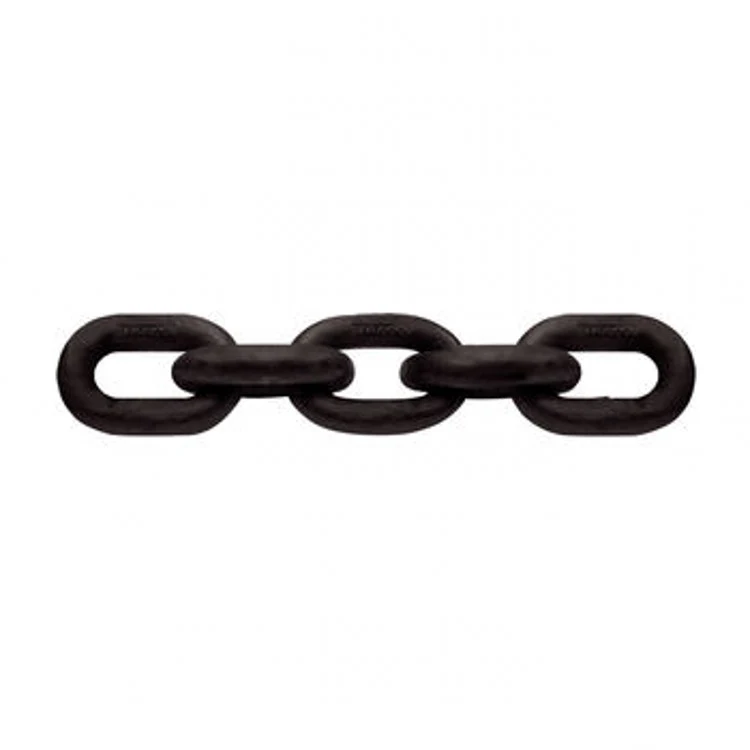
The load-bearing link in a lifting system, designed for overhead hoisting and heavy-duty rigging. Kailipu supplies 7 catalogued lifting chain lines in Grade 80 and Grade 100 alloy steel, covering EN818-2 EN818-7 AS2321 ASTM973 and NACM2010 standards, so a buyer can source a full chain range for a lifting project without splitting the order across multiple suppliers.
All 7 Lifting Chains
Every catalogued line in Lifting Chains, nothing paginated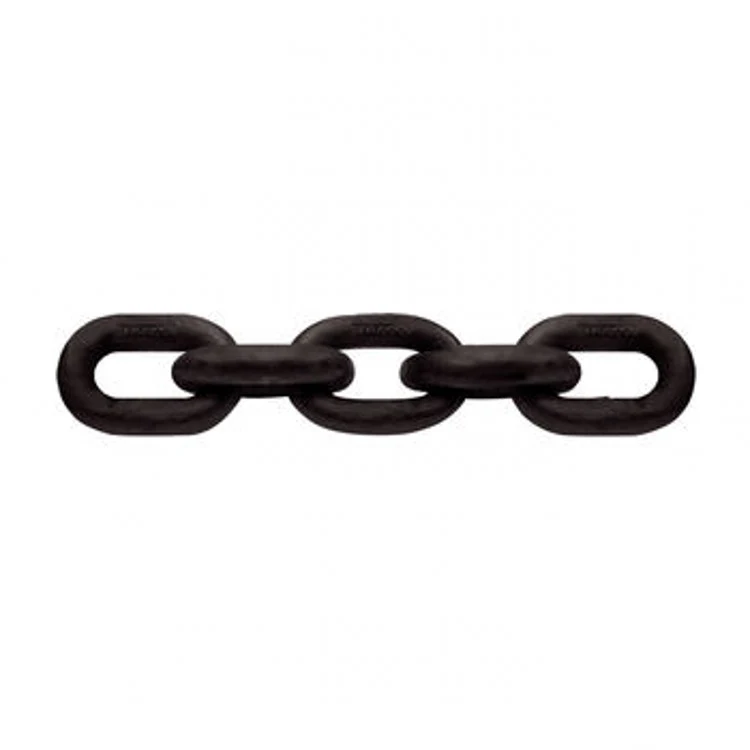
Who It Is For
Buyers Who Specify Lifting Chains
- Lifting service companies sourcing chains for crane and hoist systems across multiple projects
- Construction and infrastructure contractors needing Grade 80 and Grade 100 chains for structural lifting
- Marine and offshore contractors requiring chains that meet EN818-2 and NACM2010 for deck and mooring operations
- Manufacturers building lifting sets with chains integrated into rigging packages
- Industrial plants replacing chains in overhead crane systems where safety and traceability are critical
Problems Solved
What Lifting Chains Solve on the Job
- A lifting project delayed because the chain size and grade required are not available from the current supplier
- Chain arriving with a WLL stamped in kilograms when the job uses tonnes, causing confusion in load calculations
- Grade 80 chain used in an overhead lift where Grade 100 was required, risking failure under dynamic load
- No Material Test Certificate in the shipment, so the chain cannot be verified for compliance with EN 10204 3.1
- Chain with a finish that does not suit the environment, such as plain steel in a coastal or humid area
- Custom chain length or end fitting needed, but the supplier only offers standard lengths and fittings
Why Kailipu
Why Buy Lifting Chains from Kailipu
- 7 catalogued lifting chain lines in Grade 80 and Grade 100 alloy steel, covering EN818-2 EN818-7 AS2321 ASTM973 and NACM2010 standards
- WLL stamped on each link, with working load limit clearly marked in tonnes or kilograms
- Proof load testing dimensional tolerance checking and breaking strength validation performed on production batches
- Material Test Certificate to EN 10204 3.1 issued with the batch on request
- Standard 4:1 design factor applied to all rigging hardware unless otherwise stated, including lifting chains
- Custom chain lengths end fittings and assembly options available to drawing
- Direct supply from the manufacturer with no middleman layer, allowing small top-up orders and mixed orders
Applications
Where Lifting Chains Are Used
- Lifting a steel beam in a construction yard using a Grade 100 chain with EN818-2 certification and WLL stamped on each link
- Hoisting a heavy engine block in a manufacturing plant where a Grade 80 chain with ASTM973 compliance is required
- Deck lifting on a marine vessel using a NACM2010-compliant chain with hot dip galvanised finish for corrosion resistance
- Setting up a temporary overhead crane system in a fabrication shop with custom chain length and end fittings
- Replenishing chains in a fleet of overhead cranes where traceability and consistent WLL marking are needed
Industries That Use This Category
Related Product Families
Answers
Lifting Chains FAQ
What is a lift chain?
A lift chain is a load-bearing component designed for overhead lifting and hoisting heavy loads. It is engineered to withstand high forces and is used in construction, manufacturing, and transportation.
How do you identify a lift chain?
Inspect the chain for markings including grade WLL material and finish. The WLL is stamped on each link. If in doubt, consult the manufacturer's documentation or request a Material Test Certificate.
Which Chain Grade Should Be Used for overhead lifting?
Alloy Chain Grade 80 or Grade 100 is typically used for overhead lifting. Grade 100 is preferred for higher loads and dynamic applications. Both grades meet ASTM and EN standards for elongation and strength.
What are the usual standards for lifting chains?
Common standards include EN818-2 EN818-7 AS2321 ASTM973 and NACM2010. These define the material, testing, marking and performance requirements for lifting chains.
What does WLL mean on a lifting chain?
Working Load Limit is the maximum load the chain is designed to carry safely. It is calculated by dividing the minimum breaking load by the design factor, normally 4:1.
Do you supply certificates with lifting chains?
Yes. A Material Test Certificate to EN 10204 3.1 is issued with the batch on request. Every batch undergoes proof load testing dimensional checking and breaking strength validation.
Can you make custom lifting chains?
Yes. Custom chain lengths end fittings and assemblies are available based on your drawing. We also offer custom tonnage stamping and private label marking.
Get a Quote on Lifting Chains
Send the sizes, capacities and finish you need. We reply within 24 hours with prices and the stock position line by line.
We reply within 24 hours on WhatsApp or by email. Send a drawing, a photo or a bill of materials and we will quote it as it stands.