
How to Choose the Right Towing and Lashing Equipment for Trucks
Selecting the right towing and lashing equipment for trucks requires matching each component to the load type, duty level and environmental exposure. This guide breaks down the key product types, their intended uses, and how to avoid mismatches that compromise safety and compliance.
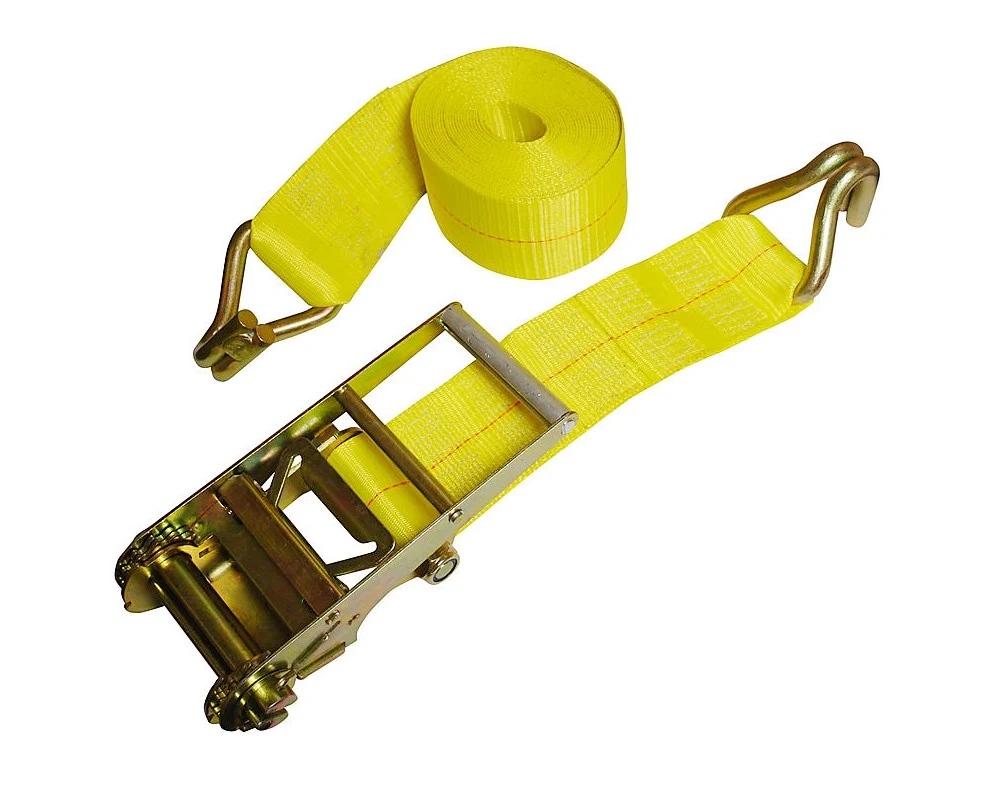
Ratchet Straps for Light to Medium Cargo
Ratchet straps made from polyester webbing are ideal for securing light to medium loads such as tools, machinery parts, and packaged goods. They provide smooth, controlled tensioning and protect surfaces from scratches. Use them on flatbeds, utility trailers, and delivery trucks where the load is not subject to extreme shock or abrasion. The working load limit is typically lower than chain systems, so verify the WLL on the label and ensure it matches the expected load. These straps are not suitable for high-tension or dynamic applications like towing or lifting.
Lashing Chains for Heavy-Duty Transport
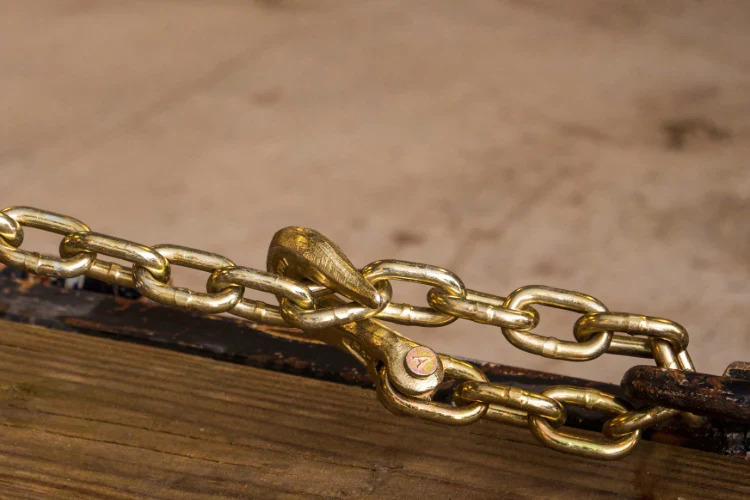
Lashing chains are used for securing heavy loads such as construction equipment, industrial machinery, and steel coils. They offer higher strength and longer service life than webbing straps. Common grades include G70 for general truck and trailer lashing, and G80 or G100 alloy steel chains for high-tension, demanding operations. The chain grade must match the hook, binder, and anchor point. Always check that the chain is stamped with the grade and WLL, and that the assembly is proof tested. Use only compatible hardware to maintain the system's rated capacity.
Towing Chains for Recovery and Rescue
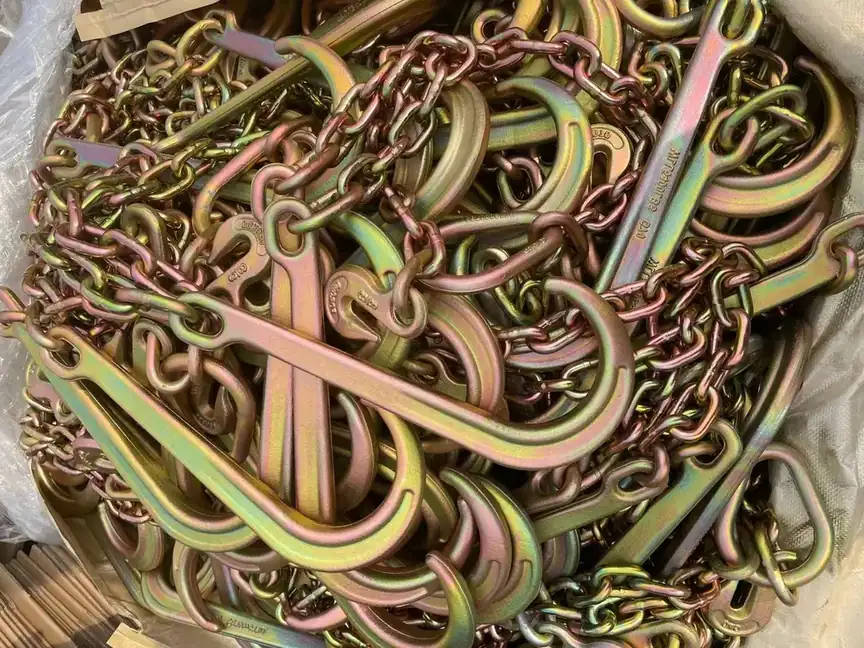
Towing chains are built from high-strength alloy steel to handle shock loads and dynamic tension during roadside recovery and towing. They are used with slip hooks, grab hooks, and shackles to connect vehicles or equipment. These chains are not designed for continuous load restraint on flatbeds. Their strength comes from the material and heat treatment, not just the size. Verify the chain grade and ensure it matches the towing application. Avoid using chains with visible wear, deformation, or missing grade markings.
Load Binders That Match the Chain Grade
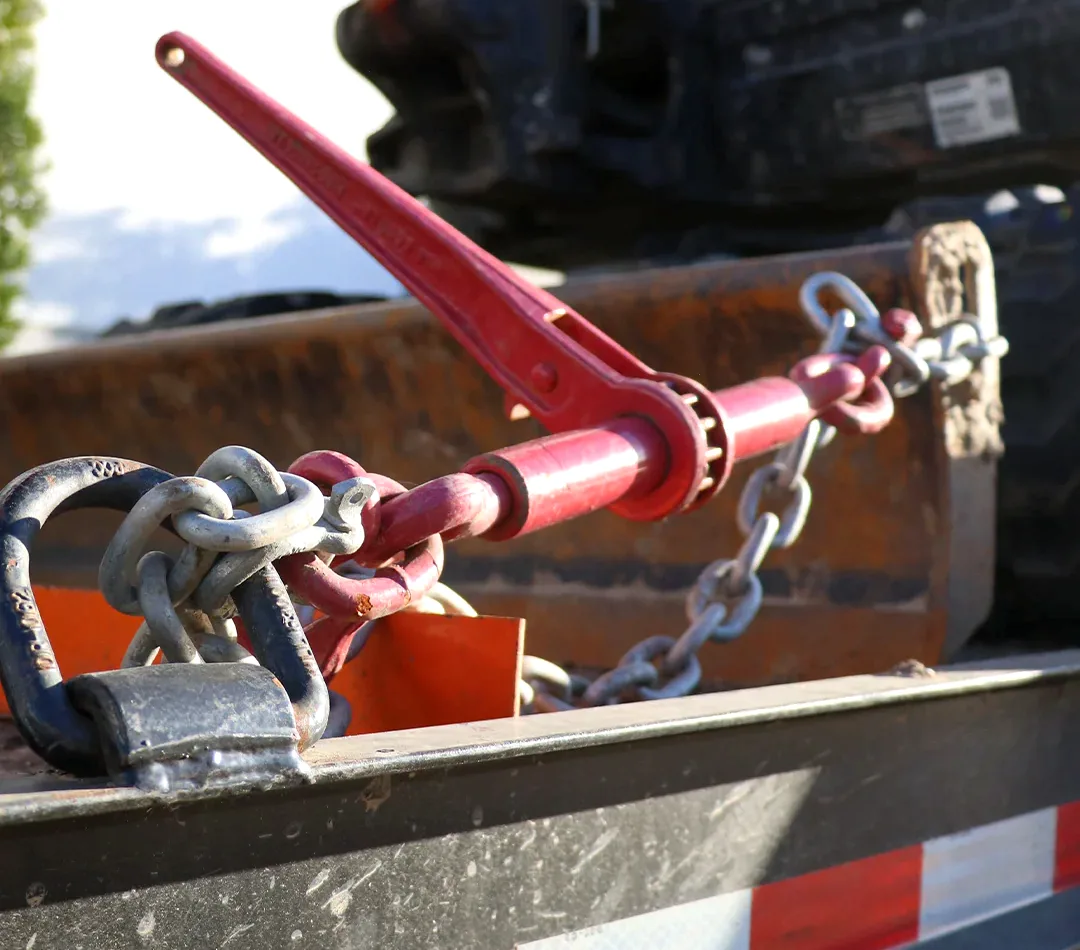
Load binders are used to tighten and secure lashing chains. Lever binders offer fast operation for frequent use, while ratchet binders provide controlled tensioning and safer handling. The binder's WLL must match the chain's grade. A G70 chain requires a binder rated for at least G70. Check pivot points, threads, and levers for wear before each use. Never use a binder with a lower WLL than the chain. If the binder fails, the entire system fails. Always inspect the binder after heavy use and replace damaged parts immediately.
Hooks and Accessories Must Be Grade-Matched
Every component in a lashing system must belong to the same grade system. A G70 hook on a G70 chain is only as strong as the weakest part. Mixing grades-such as a G43 hook on a G70 chain-results in a system rated to the lower grade. This is a common sourcing error. Ensure all hooks, shackles, and fittings are stamped with the correct grade and WLL. Use only hardware that is compatible with the chain size and intended duty. Keep grade-specific components separated in storage to prevent accidental mix-ups.
Why Matching Components Matters
A cargo securing system is only as strong as its weakest component. Using mismatched parts-such as a G70 chain with a G43 hook or a ratchet binder with a lever binder-reduces the system's overall rating. This can lead to failure under load, cargo shift, or accidents. Always confirm that the chain, hook, binder, and anchor point are from the same grade system. When sourcing, ask for a full assembly quote that includes all components. This ensures consistency and traceability, and avoids the risk of compliance issues during audits.
How to Source with Confidence
Work with a supplier who can provide a full rigging bill of materials from a single source. Qingdao Kailipu offers direct access to the Qingdao rigging supply base, allowing you to source chains, binders, hooks, and straps on one order. They verify the grade, WLL, and finish on each component, and provide Material Test Certificates to EN 10204 3.1. They also offer free quality inspection in China before shipment and two months of free warehouse storage to consolidate orders. This reduces risk, simplifies logistics, and ensures all parts are compatible.
Ordering note. Use ratchet straps for light to medium cargo; lashing chains for heavy loads Match chain grade (G70, G80, G100) to the load duty and ensure all components share the same grade Load binders must have a WLL equal to or higher than the chain’s WLL All hooks, shackles, and fittings must be stamped with the correct grade and WLL A system’s rating is determined by its weakest component—never mix grades