
Wire Rope Construction Guide
Wire rope construction is not a generic term-it is a precise technical specification that defines how a rope is built from wires, strands, and core. This guide explains what each construction type means, how to read the code, and which applications each one suits, so a buyer can select the right rope for lifting, towing, or mooring without guessing.
What Wire Rope Construction Actually Means
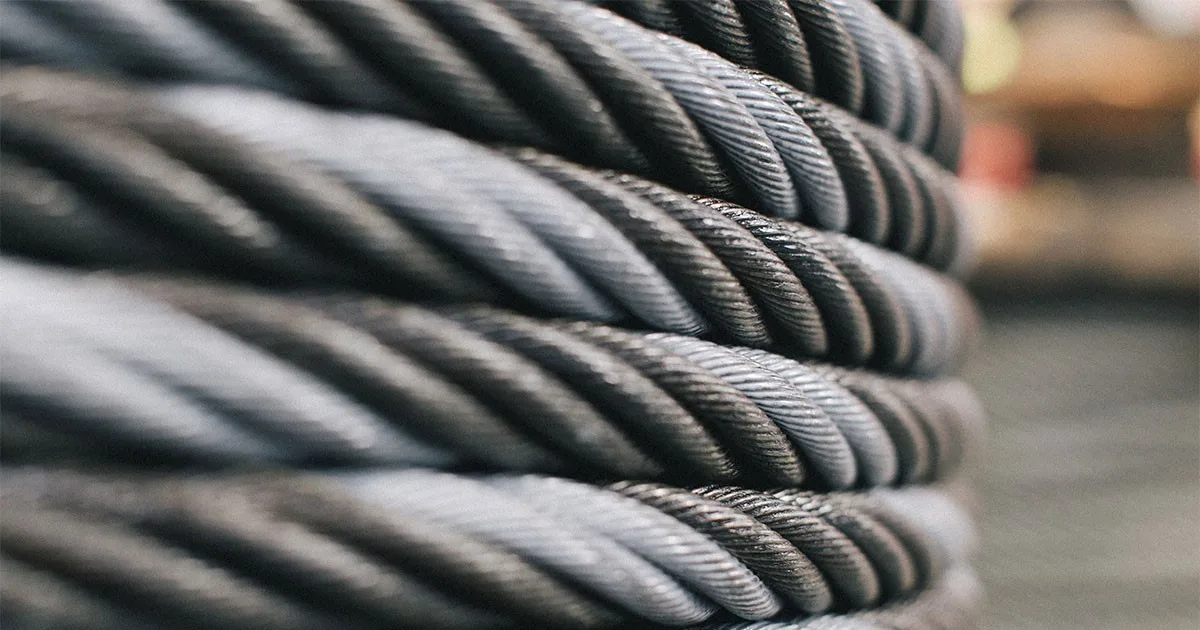
Wire rope construction refers to the exact arrangement of wires within strands and the core type used. It is not a marketing label but a technical blueprint that determines the rope's flexibility, strength, and resistance to wear, crushing, and rotation. A designation like 6x36WS-IWRC breaks down into the number of strands, the number of wires per strand, the strand pattern (WS), and the core type (IWRC). This structure is the foundation of performance and safety. Misreading or ignoring it leads to premature failure, especially in high-stress applications like crane hoisting or offshore mooring.
The Three Core Types and Their Roles
The core is the central element that supports the outer strands. FC (Fiber Core) provides high flexibility and is suitable for general lifting where heat and crushing are not factors. IWRC (Independent Wire Rope Core) is a smaller steel rope inside the main rope, offering superior resistance to crushing, heat, and compression-ideal for overhead lifting and high-load applications. WSC (Wire Strand Core) is less common but used in some heavy-duty configurations. The core type directly affects the rope's ability to maintain shape under tension and resist internal damage from bending or impact.
Steel Cable Fasteners Wire Rope Clamp &Thimble & Sleeve Set- Customizable Packaging
Strand Patterns and Their Practical Impact
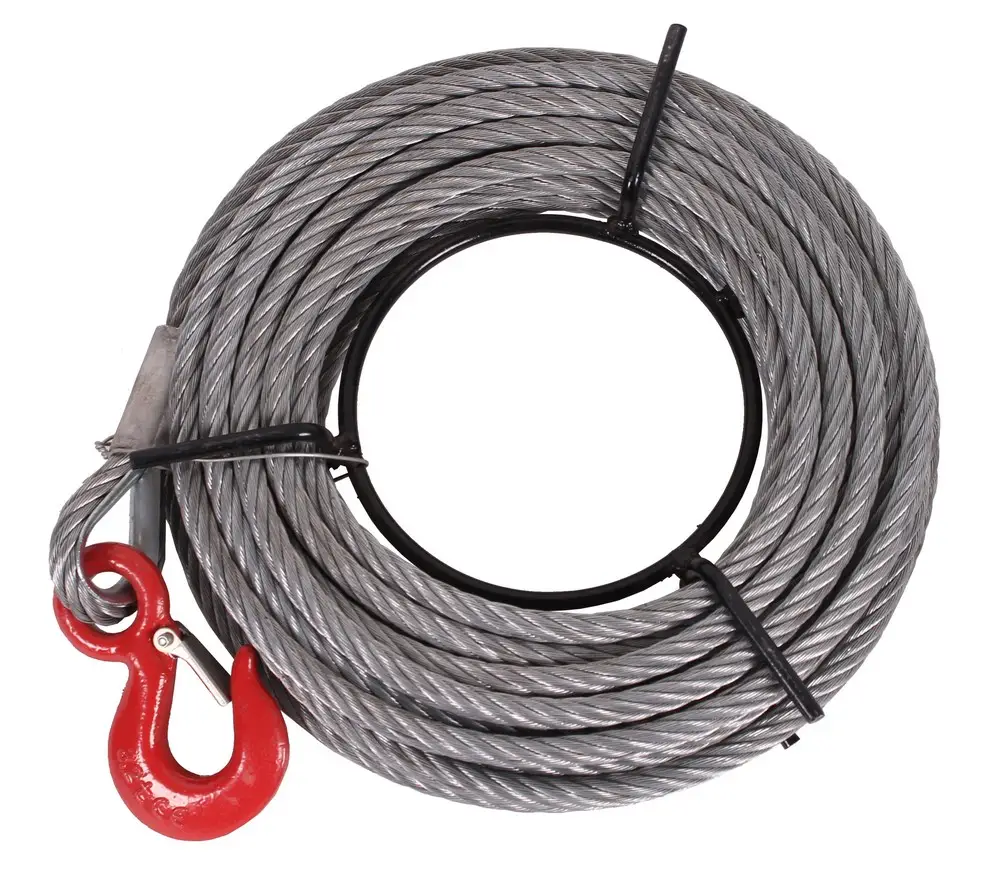
The strand pattern-such as Seale, Warrington, or Warrington-Seale (WS)-defines how thick and thin wires are layered inside each strand. A Seale pattern uses a single layer of large wires with smaller wires in the gaps, offering good abrasion resistance. A Warrington pattern uses alternating large and small wires, improving flexibility. Warrington-Seale combines both, maximizing both flexibility and wear resistance. The WS pattern is common in 6x36 constructions and is used where the rope must bend around sheaves or drums without kinking or fraying.
Steel Cable Fasteners Wire Rope Clamp &Thimble & Sleeve Set- Customizable Packaging
How to Read the Construction Code
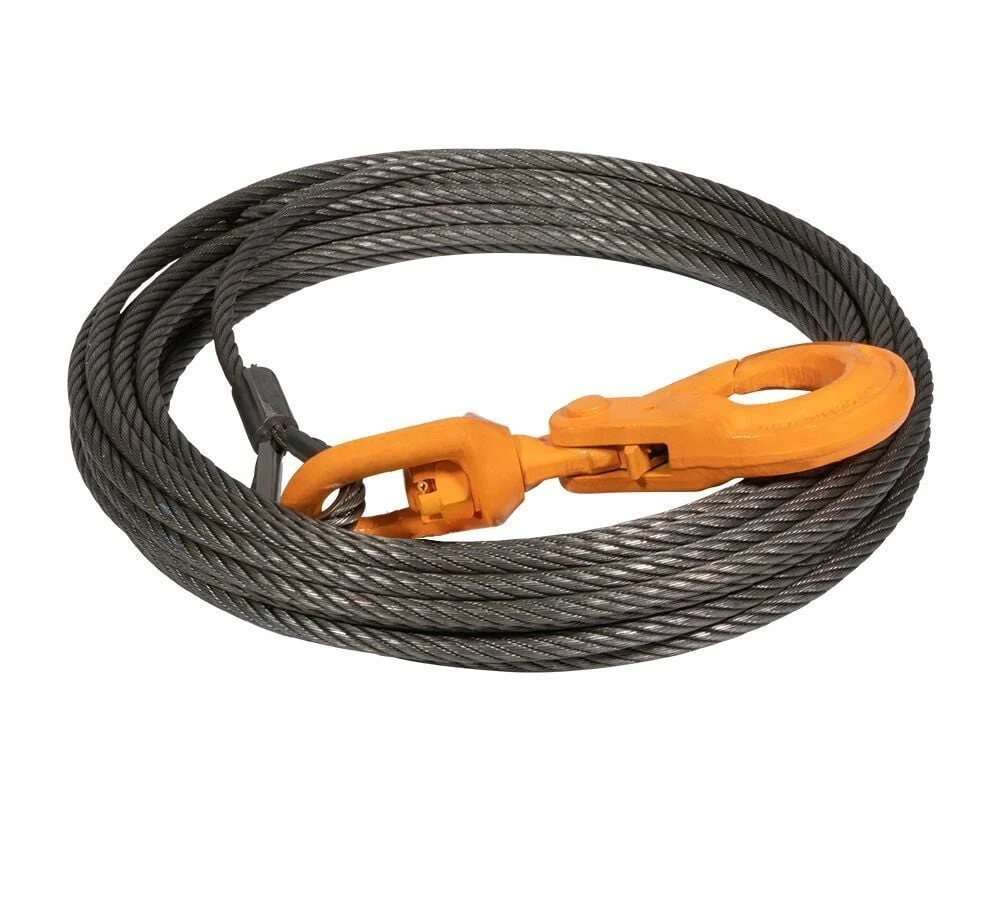
A code like 6x36WS-IWRC means: 6 strands, 36 wires per strand, Warrington-Seale strand pattern, and Independent Wire Rope Core. The number of wires per strand affects the rope's surface contact and resistance to abrasion. More wires mean better flexibility and higher surface area, but also more internal friction. The core type determines whether the rope can handle high compression or high heat. Always verify that the construction matches the application-using a fiber-core rope in a high-crush environment risks failure.
Wire Rope Clamp And Thimble Set Customizable Packaging
Matching Construction to Application
For overhead lifting and crane operations, 6x36WS-IWRC is standard due to its strength and crush resistance. For marine mooring and anchor lines, fiber-core ropes may be used where flexibility and lower weight are priorities. In mining and drilling, where the rope runs over rough drums and sheaves, a Warrington-Seale construction with IWRC provides longer life. For general cargo securement or towing, a 6x19 or 6x26 construction with FC may be sufficient. The key is to match the construction to the duty, not the price.
Wire Rope Clamp And Thimble Set Customizable Packaging
Why Construction Matters in Procurement
A buyer cannot rely on visual inspection or brand name alone. The construction code is the only way to confirm what the rope is built for. Ordering a 6x36WS-IWRC rope for a crane hoist is not optional-it is required. Using a different construction, even if it looks similar, risks underperformance or failure. When sourcing, always ask for the full construction code and confirm it matches the application. A supplier who provides this detail is one who understands the technical requirements of the job.
Wire Rope Clamp And Thimble Set Customizable Packaging
How to Verify Construction Before Ordering
Ask the supplier to provide the construction code on the quotation and confirm it matches the application. Request a Material Test Certificate that includes the rope's construction and core type. Check that the rope is stamped with the construction code and grade. If the rope is used in a critical lifting operation, insist on proof load testing and breaking strength validation. Do not accept a rope without a clear, traceable construction specification.
Fist Grip Clamp G-429 US Type Drop Forged Wire Rope Termination
Common Mistakes in Wire Rope Selection
The most common error is assuming all 6x36 ropes are the same. A 6x36FC is not interchangeable with a 6x36WS-IWRC. The fiber core lacks crush resistance, so using it in a high-load or high-compression scenario leads to premature failure. Another mistake is selecting a rope with too few wires per strand for a high-abrasion environment. Always match the construction to the duty. A rope that is too stiff for the drum size will wear faster. A rope that is too flexible may not support the load properly. The construction is not a detail-it is the core of performance.
Fist Grip Clamp G-429 US Type Drop Forged Wire Rope Termination
Ordering note. Wire rope construction is defined by the number of strands, wires per strand, strand pattern, and core type—never assume they are interchangeable. IWRC cores provide crush resistance and are required for overhead lifting; FC cores are for general use where flexibility is key. WS (Warrington-Seale) pattern offers a balance of flexibility and abrasion resistance, ideal for sheave and drum applicatio