
Best Marine Mooring System
A marine mooring system relies on ten interdependent components to maintain vessel stability in dynamic offshore environments. This guide outlines each essential part, its function, and how to source it reliably for port, offshore platform, or vessel operations.
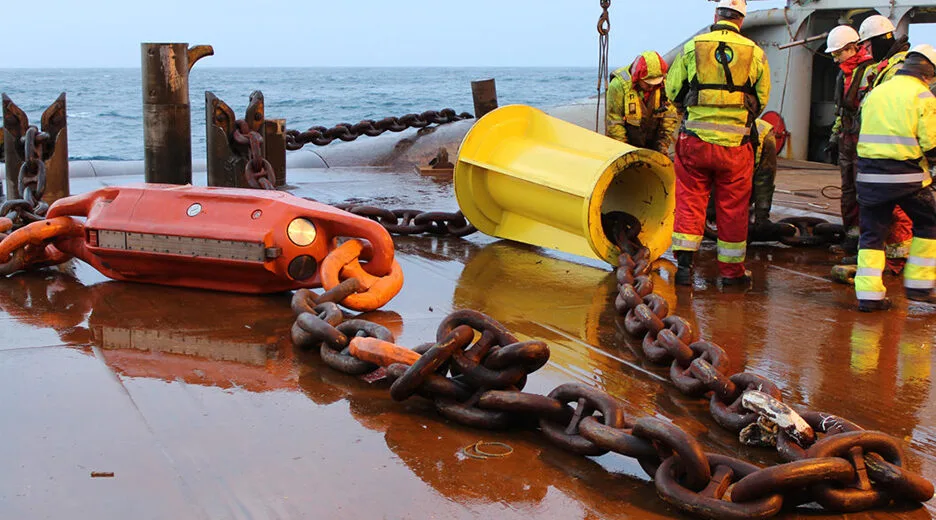
Anchors Provide Holding Power in Seabed Conditions
Anchors are the foundation of any marine mooring system, designed to embed into the seabed and resist lateral and vertical forces from wind, current, and wave action. Stockless anchors suit deep-water operations and larger vessels, while Danforth or plow anchors perform better in soft mud or sand. The anchor type must match the seabed composition and vessel displacement. For offshore platforms, heavier anchor designs like the Bruce or Delta anchor are common. Always confirm the anchor's material grade and proof load test status, especially when used in high-load or corrosive environments.
Mooring Lines Transfer Load from Vessel to Anchor
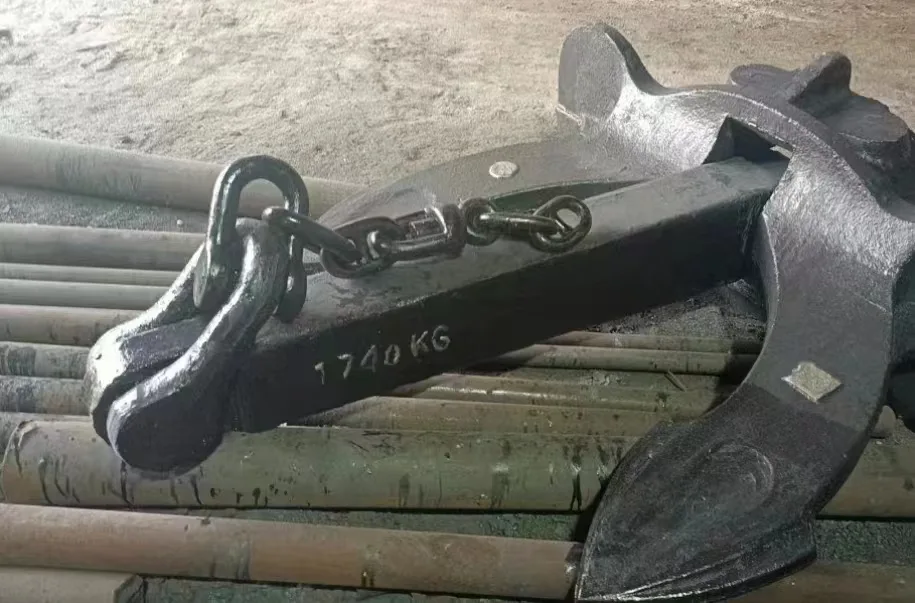
Mooring lines connect the vessel to the anchor or dock and must handle dynamic loads from environmental forces. Nylon lines offer high elasticity and energy absorption, making them ideal for wave and surge mitigation. Polyester lines provide less stretch and better UV resistance, suitable for long-term static mooring. Steel wire rope lines deliver high strength and abrasion resistance but are heavier and more prone to corrosion. Choose the material based on the expected load cycle, environmental exposure, and maintenance access. Ensure each line is marked with its working load limit and has a certificate of material test.
Lugless Joining Shackle - Kenter Link - End Shackle -Swivel Set
Buoys Maintain Line Clearance and Prevent Tangles
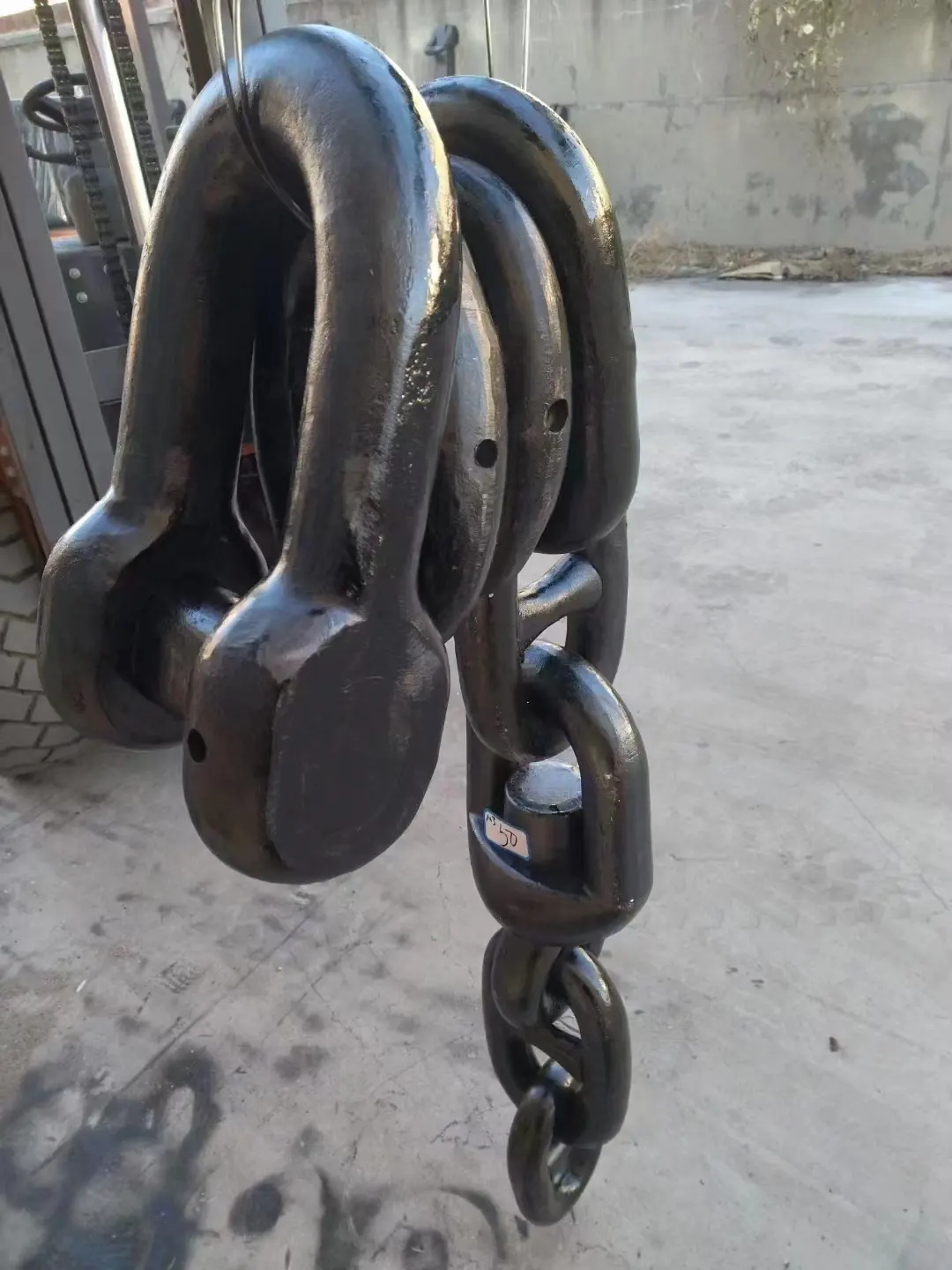
Buoys serve as floating connection points between mooring lines and the vessel, keeping the line clear of the seabed and reducing the risk of fouling. Cylindrical and spherical buoys are standard for open-water mooring, while specialty designs like catenary buoys or buoyant floats with integrated fittings are used in complex systems. Buoy material must resist UV degradation, saltwater corrosion, and mechanical wear. Polyethylene and PVC are common for buoy construction. Confirm buoy buoyancy rating and attachment method to ensure compatibility with the line and anchor system.
Lugless Joining Shackle - Kenter Link - End Shackle -Swivel Set
Chafing Gear Protects Lines from Abrasion
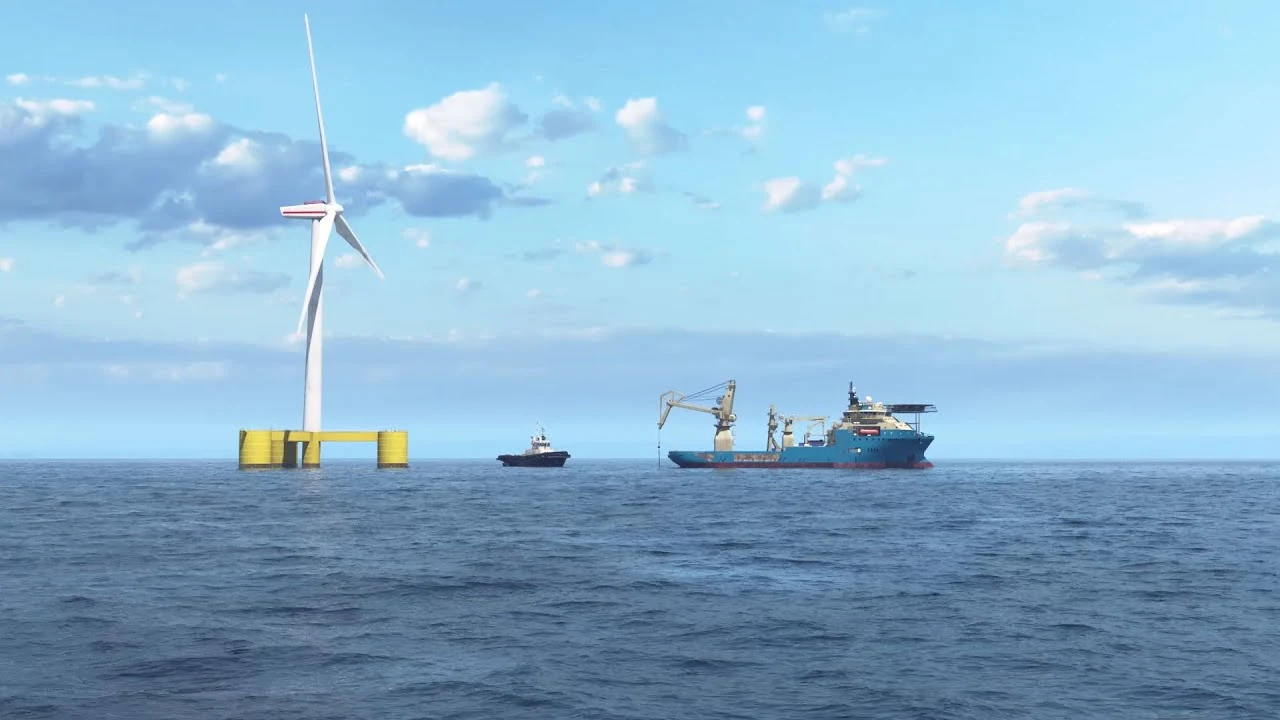
Chafing gear is installed where mooring lines pass over sharp edges on the vessel or dock. Made from durable materials like leather, canvas, or synthetic fiber sleeves, it reduces friction and prevents line wear. Chafing gear must be sized to fit the line diameter and secured with proper fasteners. Replace chafing gear when signs of wear appear. For high-cycle systems, use double-layered or reinforced chafing gear. Always inspect chafing gear before deployment and after each use.
Kenter Link - Joining / End Shackle -Swivel Set
Fairleads and Bollards Guide and Secure Lines
Fairleads direct the mooring line from the vessel to the anchor or dock, minimizing lateral forces and preventing chafing. They are typically made from forged steel or high-density polyethylene. Bollards are fixed fittings on docks or vessels that provide secure tie-off points. They must be rated for the expected working load and installed with proper anchoring to the structure. Use swivel bollards in high-torque environments to reduce line twist. Confirm the bollard's material grade, diameter, and mounting method to match the vessel or dock specifications.
Kenter Link - Joining / End Shackle -Swivel Set
Shackles and Swivels Enable Flexible Connections
Shackles join mooring lines to anchors, buoys, or other fittings. They must be forged from high-strength steel and marked with the grade and working load limit. Use a pin with a safety clip or cotter pin to prevent accidental disengagement. Swivels are used at critical junctions to prevent line twisting, especially in dynamic conditions. They are typically rated for the same working load as the line. Inspect swivels for free rotation and wear on the pin and bearing surfaces. Match the shackle and swivel grade to the chain or line they are connecting.
Kenter Link - Joining / End Shackle -Swivel Set
Snubbers and Shock Absorbers Reduce Dynamic Loads
Snubbers and shock absorbers are used to dampen sudden loads from waves, wind, or vessel motion. They absorb energy and reduce peak tension in mooring lines, preventing breakage and extending system life. Hydraulic or mechanical snubbers are common for offshore platforms, while elastic cord or rope-based absorbers are used on smaller vessels. Install snubbers in-line with the mooring line, ensuring they are rated for the expected load and environmental conditions. Check for fluid leaks or mechanical wear during inspections.
Kenter Shackle - Anchor Chain Fittings
Fenders Protect Hulls from Impact Damage
Fenders are installed between the vessel and dock, piling, or another vessel to absorb impact energy and prevent hull damage. They come in various types, including foam-filled, pneumatic, and rubber, each suited to different vessel sizes and berthing speeds. Fender size and energy absorption capacity must match the vessel's displacement and expected impact force. Use fender systems with proper mounting brackets and securing hardware. Inspect fenders for cracks, punctures, or loss of resilience before each use.
Kenter Shackle - Anchor Chain Fittings
How to Source the Full System as One Order
A marine mooring system is only as strong as its weakest component, so sourcing all ten parts from one supplier ensures compatibility and traceability. Kailipu supplies anchor chains, mooring lines, shackles, swivels, fairleads, bollards, chafing gear, fenders, snubbers and buoys across multiple grades and materials. We provide Material Test Certificates for each batch, proof load test results, and WLL marking on hardware. We can quote a full system with matching grades, finishes and load ratings, and we offer pre-shipment inspection and free warehouse storage in Qingdao to consolidate shipments.
Kenter Shackle - Anchor Chain Fittings
Ordering note. Anchors must match seabed type and vessel size; stockless, Danforth, and plow anchors are common for different conditions Mooring lines are selected by material: nylon for elasticity, polyester for UV resistance, steel for high strength Buoys keep lines clear of the seabed and must be sized for the line and buoyancy requirement Chafing gear prevents line wear at contact points and must be inspecte