
Roll Off Cables for Trucks & Trailers
Roll off cables are not interchangeable. A mismatched diameter, length or end fitting can compromise safety and cause downtime. This guide explains how to select the right cable for your truck or trailer, what the specifications mean in real use, and how to maintain the cable to extend its service life.
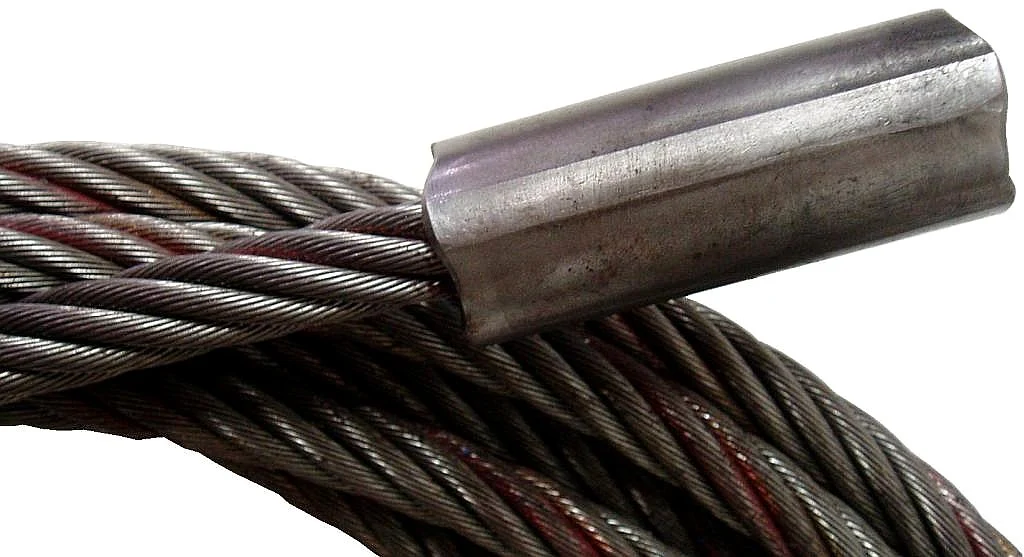
What a Roll Off Cable Actually Is
A roll off cable, also known as a roll off truck cable or roll off trailer cable, is a high-strength steel cable designed for use with roll off trucks and trailers. It connects the winch system to the container and controls the loading and unloading process. The cable must handle repeated tension cycles, heavy loads, and exposure to outdoor elements. Unlike general-purpose cables, it is built for consistent performance under dynamic stress, with a focus on durability and predictable failure points. The cable's role is not just to pull but to guide the container safely off the bed and back on, making it a critical safety component in waste management, construction hauling, and container transport.
How Diameter Determines Load Capacity
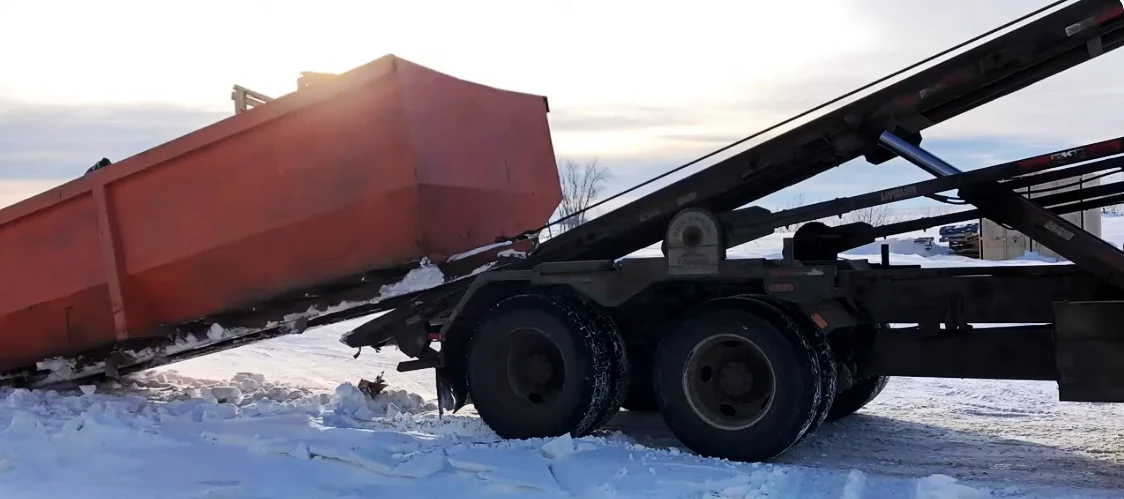
The diameter of the roll off cable directly affects its working load limit. A 1/2 inch (12.7 mm) cable is suitable for light to medium-duty applications, typically handling up to 10 tons. A 5/8 inch (15.9 mm) cable supports 10 to 20 tons and is standard for most mid-size roll off equipment. For heavy-duty trucks or loads exceeding 20 tons, a 7/8 inch (22.2 mm) cable is required. Choosing a smaller diameter than needed risks cable failure under load. Always verify that the cable's diameter matches the winch's rated capacity and the container's weight. Do not assume that a thicker cable is always better-ensure the winch drum and sheaves are sized to handle the cable's diameter.
Bolt on Winch Flatbed Trailer Truck Winches
Why Length Must Match Your Equipment Reach
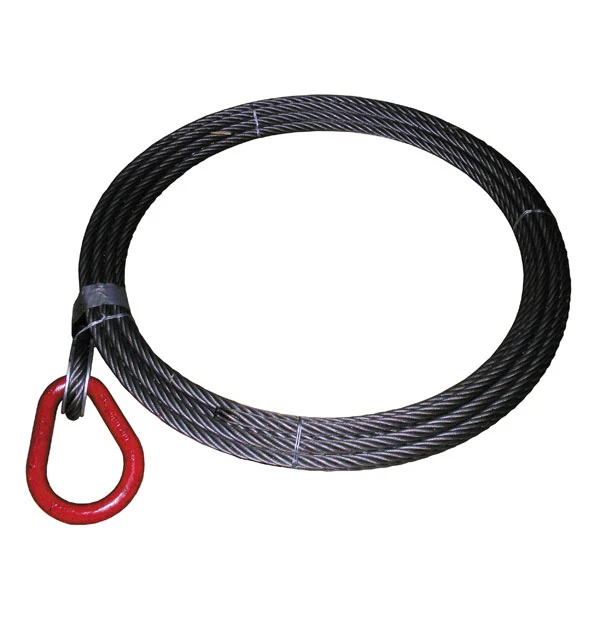
Cable length must align with the truck or trailer's bed length and the distance between the winch and the container's attachment point. A 50-foot (15.24 m) cable suits compact trucks or short-distance unloading. Most mid-size roll off equipment uses a 63-foot (19.2 m) cable. For full-size trucks or long containers, a 78-foot (23.8 m) cable is necessary. Too short, and the cable cannot fully retract or extend; too long, and it may tangle or drag on the ground. Measure from the winch mounting point to the farthest container position and add 10% for slack and safety. Always confirm the cable length with your equipment manufacturer's specifications.
Bolt on Winch Flatbed Trailer Truck Winches
Material Construction and Corrosion Resistance
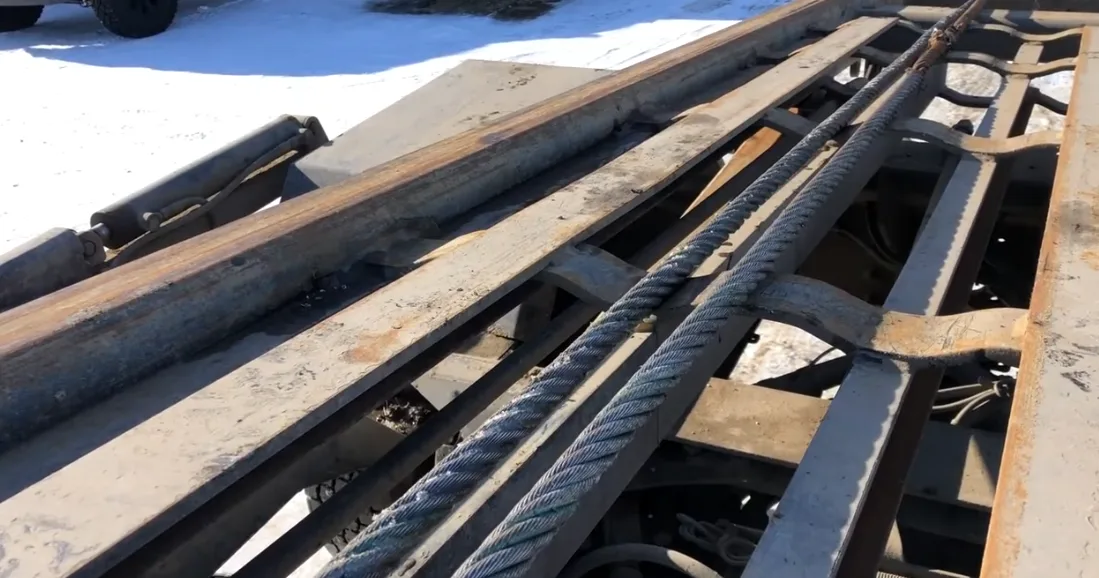
Roll off cables are made from high-tensile steel wires twisted into strands and braided for strength and flexibility. The finish is critical for longevity. Zinc-plated or galvanized coatings protect against rust and corrosion, especially in outdoor or wet environments. These finishes are standard for cables used in waste management and construction. The coating does not increase strength but extends service life by preventing surface degradation. Avoid cables with bare steel unless the environment is dry and controlled. A damaged or worn coating increases the risk of internal wire breakage, which can lead to sudden failure. Inspect the cable regularly for signs of coating loss or wire exposure.
Manual Winch - Hand Operated Winches For Boat Trailer
End Fittings and Compatibility
Pre-installed end fittings simplify connection to the winch and container. Common types include ball joints, master links, pear-shaped rings, and hook ends. Ball joints allow for articulation and reduce stress on the cable during unloading. Master links are used to connect multiple cables or to attach to a winch hook. Pear-shaped rings are often used with container lifting eyes. Hook ends are used when connecting to a winch or a container's hook. The fitting must match the winch's attachment point and the container's connection hardware. Mismatched fittings can cause slippage, misalignment, or failure under load. Always verify that the fitting type and size are compatible with both the winch and the container.
Manual Winch - Hand Operated Winches For Boat Trailer
How to Select the Right Cable for Your Application
Start by identifying the container's weight and the truck's winch capacity. Use the diameter chart to select the appropriate cable: 1/2 inch for up to 10 tons, 5/8 inch for 10-20 tons, and 7/8 inch for over 20 tons. Measure the distance from the winch to the farthest point of container travel and choose a cable length that provides full reach with minimal slack. Confirm that the end fittings match your winch and container hardware. For loads over 15 tons, use 5/8 inch or larger. If your equipment operates in wet or salty environments, choose a zinc-plated or galvanized cable. When in doubt, provide the truck model, container size, and load weight to your supplier for a verified recommendation.
Manual Winch - Hand Operated Winches For Boat Trailer
Maintenance Best Practices to Extend Service Life
Regular inspection and maintenance prevent sudden cable failure. Check the cable weekly for broken wires, kinks, flattening, or coating damage. Look for signs of corrosion, especially at the ends and where the cable bends around the drum. Lubricate the cable every 3 to 6 months with a dry film lubricant to reduce friction and prevent rust. Avoid running the cable over sharp edges or dragging it on rough surfaces. Store the cable on a drum or reel when not in use to prevent tangling and damage. Replace the cable immediately if you find more than six broken wires in one strand or if the diameter has reduced by 10% or more. Keep records of inspections and replacements for compliance and safety audits.
Combination Winches Low Profile Leg Bracket Combo Winch
Why Matching the Whole System Matters
A roll off cable is only as strong as the weakest component in the system. The winch, drum, sheaves, and end fittings must all be rated for the same load as the cable. Using a 5/8 inch cable with a winch rated for 10 tons creates a mismatch. The cable may fail before the winch reaches its limit, or the winch may overheat and fail. Always ensure that the winch's rated capacity matches the cable's working load limit. If you are upgrading the cable, check that the drum and sheaves can handle the new diameter. A cable that is too thick may not fit on the drum or may cause excessive wear on the sheaves. A system-wide review prevents unexpected failures and ensures safe operation.
Combination Winches Low Profile Leg Bracket Combo Winch
Ordering note. Select cable diameter based on load: 1/2 inch for up to 10 tons, 5/8 inch for 10–20 tons, 7/8 inch for over 20 tons Choose cable length to match your truck or trailer’s reach: 50 ft for compact, 63 ft for mid-size, 78 ft for full-size Use zinc-plated or galvanized finish for corrosion resistance in outdoor or wet environments Match end fittings—ball joints, master links, pear-shaped rings, hook en