
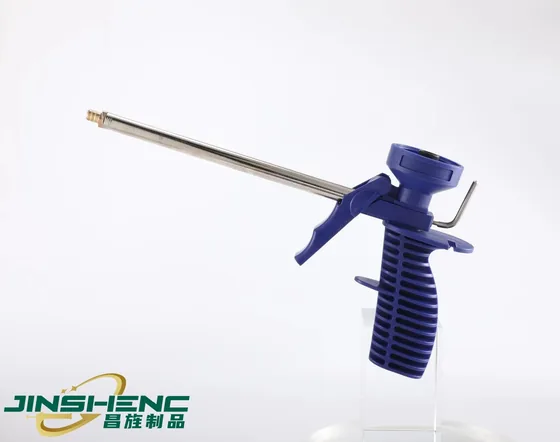
PU Foam Guns
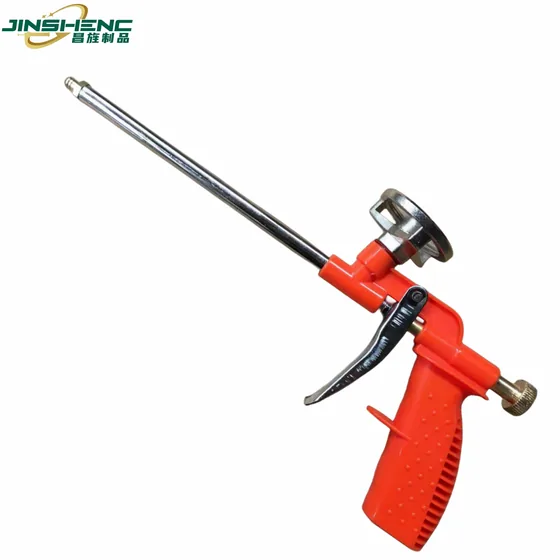
Ten PU foam guns from a 125 g plastic body to a chrome-plated metal gun, with PTFE-coated and standard barrels
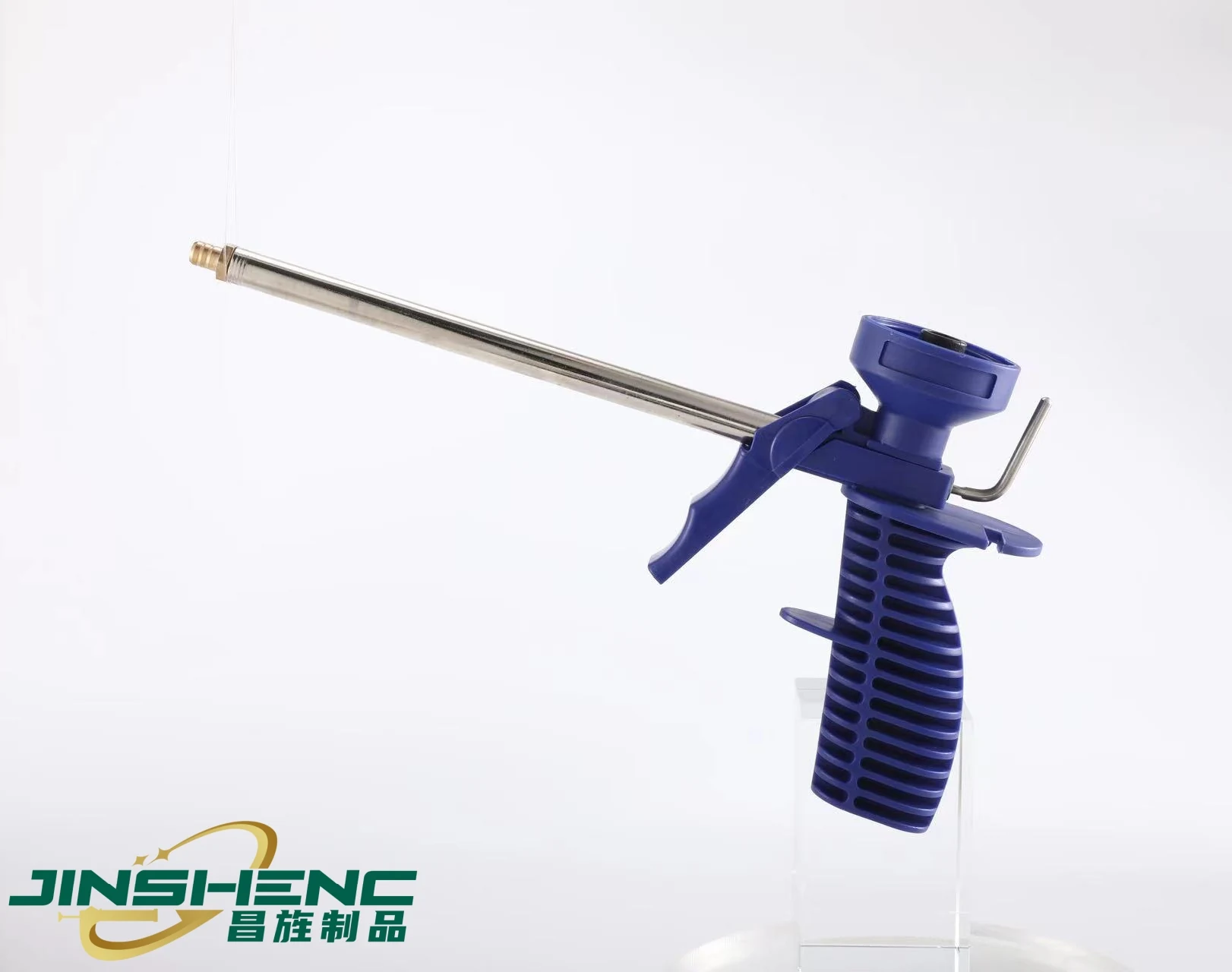
Glazing, perimeter foaming and gap filling for window and door plants and installers
A window passes through two sealing operations: the glazing bead in the factory and the perimeter seal on site. Both are repetitive, both are visible when done badly, and both are done faster with the right gun. We supply the tools for each end of that process.
In a fabrication shop the gun is used hundreds of times a day, so trigger effort becomes a labour cost. Where shop air is available the pneumatic JS8625 models remove it; where it is not, a nine-bearing sausage gun is the next best answer.
Over-expanding foam bows a frame and the window no longer closes. Adjustable output on the metal-bodied foam guns lets the operator dial the flow down for a narrow gap instead of controlling it by trigger feel.
On an installation crew a foam gun is a consumable unless the barrel is coated. JS8621-D is PTFE coated inside and out, and the tightening tail plug slows curing inside the barrel between jobs.
Window and door gaps, engineering project seams and floor cracks are named uses for the JS8614 mortar pointing guns, which fill a joint too wide to be economic with cartridge product.
Ten PU foam guns from a 125 g plastic body to a chrome-plated metal gun, with PTFE-coated and standard barrels
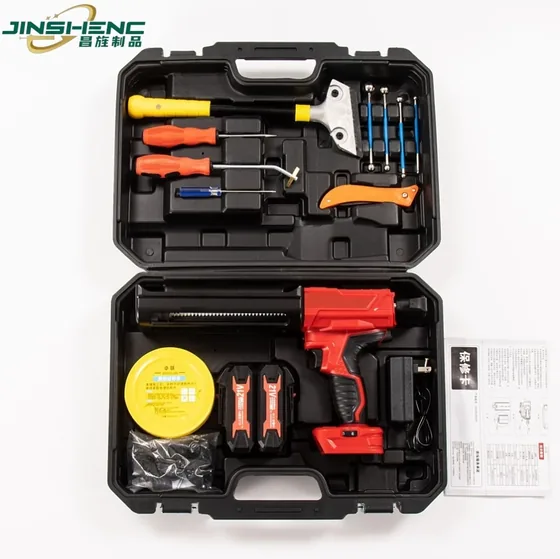
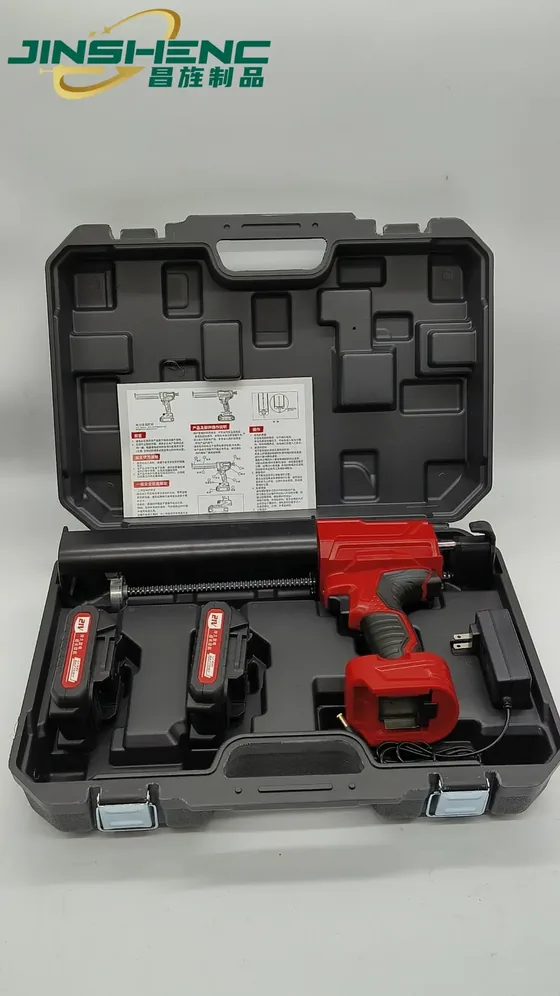
Air-driven 9, 15 and 18 inch guns and 16 V and 21 V lithium battery guns up to 6500 N thrust
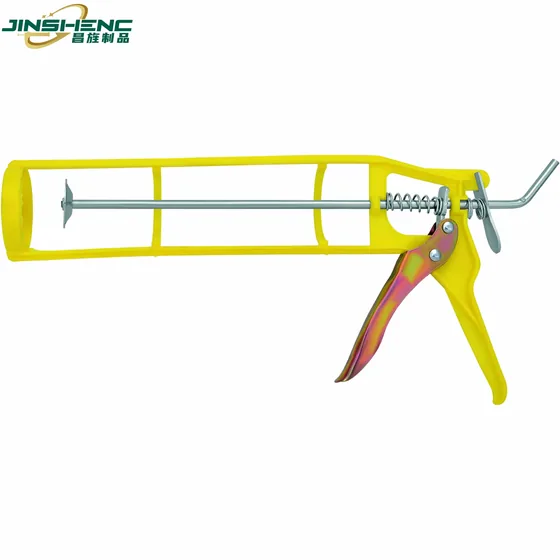
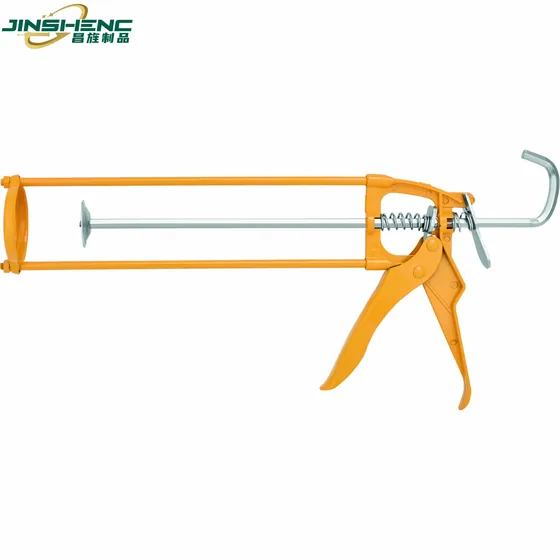
Skeleton and frame guns for 300 ml cartridge sealant, from a 175 g economy PP frame to a 750 g nine-bearing body
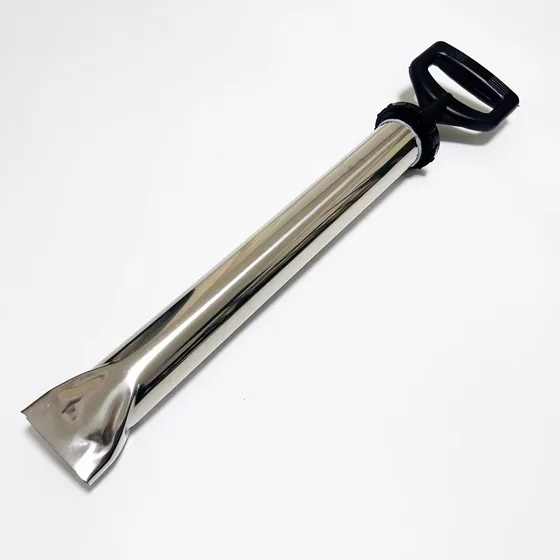
Hand-loaded pointing guns for cement and mortar joints, with round, flat and interchangeable nozzles
Shop operations and installation crews need different tools. We quote them separately rather than sending one model for both.
If the plant has shop air, the pneumatic JS8625 range is the cheapest route to consistent output. If not, we go to battery or high-bearing manual.
Plastic bodies for occasional use, metal bodies with adjustable output for daily use, PTFE coated where cleaning discipline is unreliable.
Samples are sent so the shop can test with the actual sealant and foam canister it buys.
Once the models are fixed, colour, logo and carton stay the same on every reorder.
Push force, maximum tolerance and drive ratio describe three different things. Confusing them is the most common reason a gun fails in the field.
Sausage packs cut cost per litre and packaging waste; cartridges are simpler and universally stocked. The right answer depends on who your customer is.
The ratio is built into the gun's linkage, so a 1:1 gun cannot dispense a 1:4 product. Match the gun to the cartridge, every time.
JS8621-D if cleaning discipline is a problem, because the PTFE coating stops foam adhering to the barrel. JS8621-E if you want a chrome-plated metal gun with adjustable output at 210 g.
The JS8625 pneumatic range, in 9, 15 and 18 inch. Output is set on the gun's regulating valve, so every unit gets the same bead regardless of who is operating.
Either PU foam from a canister gun, or cement mortar through a JS8614 pointing gun. Window and door gap filling is a named application for the JS8614-2.
Yes. Logo printing, laser engraving, handle colour and carton design are all part of the OEM programme. Minimum order is typically 2,000 pieces for a customised version.
They use the standard threaded canister fitting. If your canister supplier uses a non-standard thread, send the specification and we will confirm compatibility before you order.
Tell us the products your crews use and the problems they keep hitting, and we will name models rather than categories.