
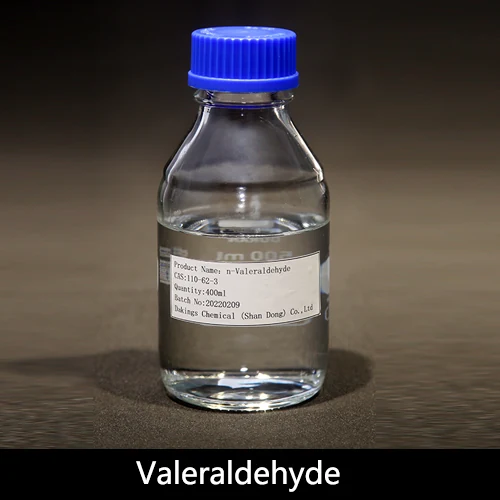
The Industry Outlook for n-Valeraldehyde
In an integrated petrochemical industry, producers with upstream and downstream positions hold the advantage, and standalone aldehyde producers face pressure.
Integration Decides Who Survives
In the context of integrated development in the petrochemical industry, enterprises with a well-developed upstream and downstream layout in the industrial chain have more development advantages.
Enterprises that only produce the aldehyde, without the production capacity for raw materials and downstream products, will face greater development pressure in the future.
Why a Buyer Should Care
Supply security follows integration. A producer that also holds the downstream — in this case the pentanol and valeric acid that n-valeraldehyde feeds — has a reason to keep the aldehyde unit running through a soft market. A standalone unit does not.
Dakings supplies valeraldehyde, 1-pentanol and the pentanol mixture together, which is the same logic applied to the buying side: one supplier across the step rather than three.
Valeraldehyde in Use
Valeraldehyde (CAS 110-62-3) is a colourless liquid with a pungent odour, a five-carbon chain with an aldehyde group, soluble in water and in ethanol and ether. It boils at 102-104 °C with a density of 0.805 g/mL. It is mainly used to produce pentanol and to oxidise to valeric acid, and as a raw material for flavours, fragrances and rubber accelerators.
It is highly flammable and may react vigorously with oxidising agents, so storage separation from oxidisers is not optional.
Products in This Article
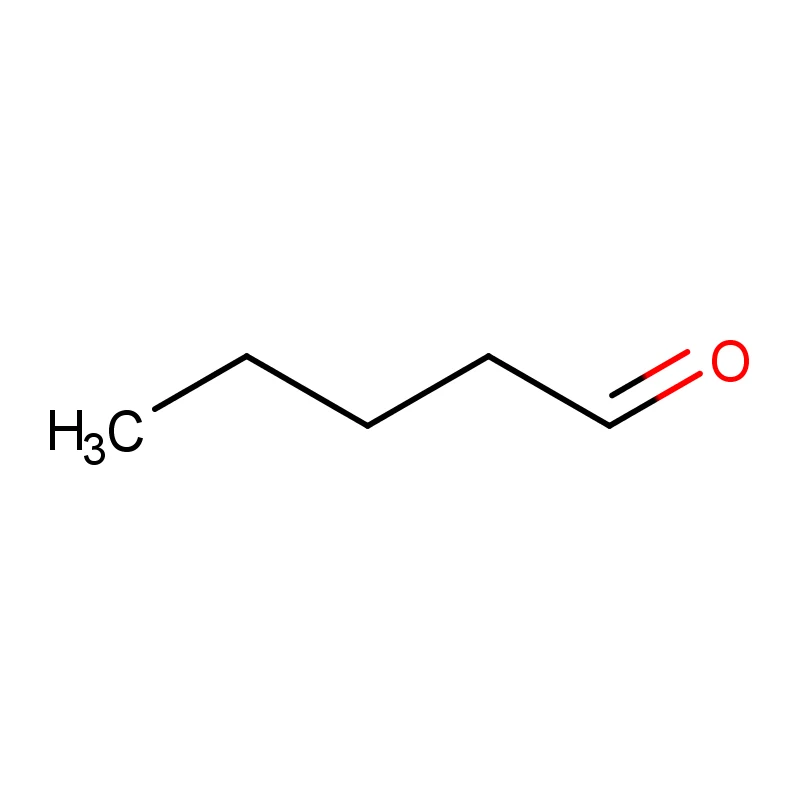
Valeraldehyde
CAS 110-62-3 · C5H10O
Valeraldehyde is a colourless liquid with a pungent odour, a five-carbon chain carrying an aldehyde group.
View specification →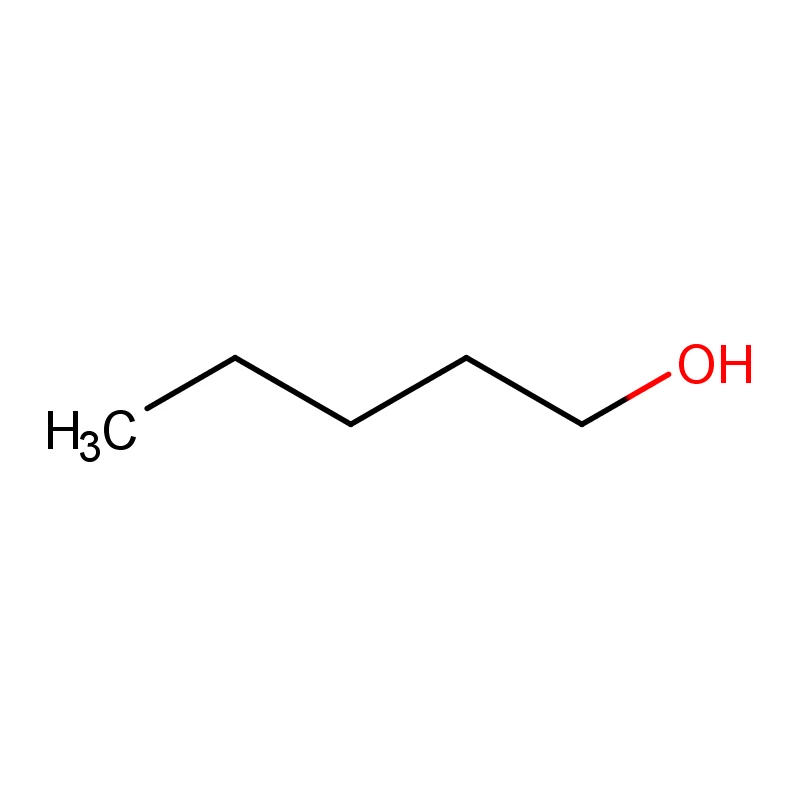
1-Pentanol
CAS 71-41-0 · C5H12O
1-Pentanol, also called n-pentanol or n-amyl alcohol, is the straight-chain form of amyl alcohol with five carbon atoms.
View specification →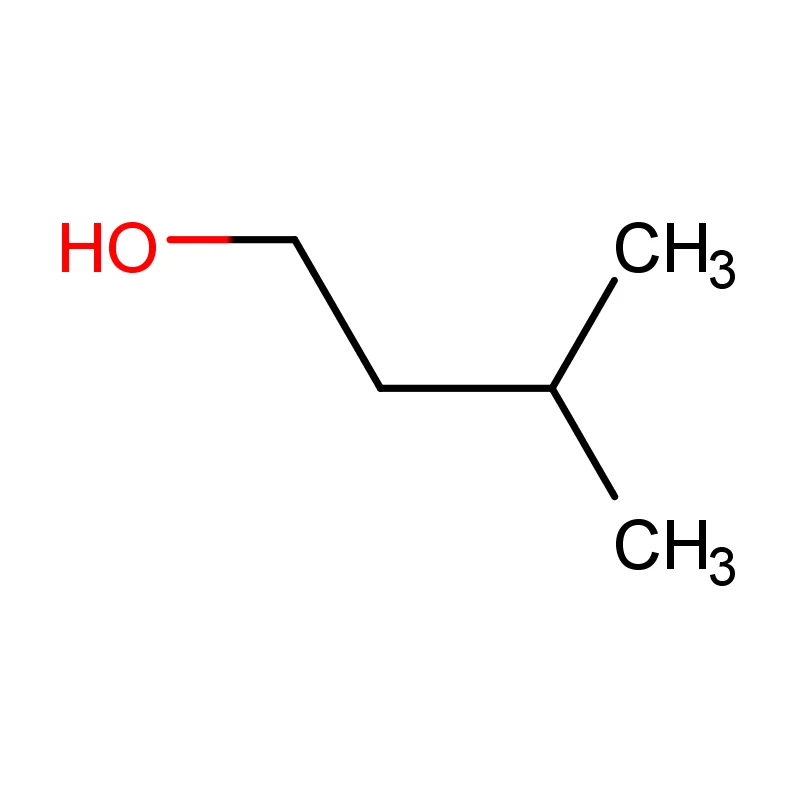
Pentanol Mixture
CAS TBC · C5H12O
The pentanol mixture is a multifunctional solvent running 62-68% n-amyl alcohol and 32-38% 2-methylbutanol at 99.0% minimum total content.
View specification →Related Pages
Questions on This Topic
What is the boiling point of valeraldehyde?
102-104 °C, with a density of 0.805 g/mL. It is highly flammable and may react vigorously with oxidising agents.
Do you supply both valeraldehyde and the pentanol it makes?
Yes. Valeraldehyde, 1-pentanol and the pentanol mixture are all in the alcohols aldehydes and esters family.
Need the Numbers for Your Own Case
Send the application and the volume and we will reply with the relevant quality index rather than a brochure.