
Dibasic Ester DBE
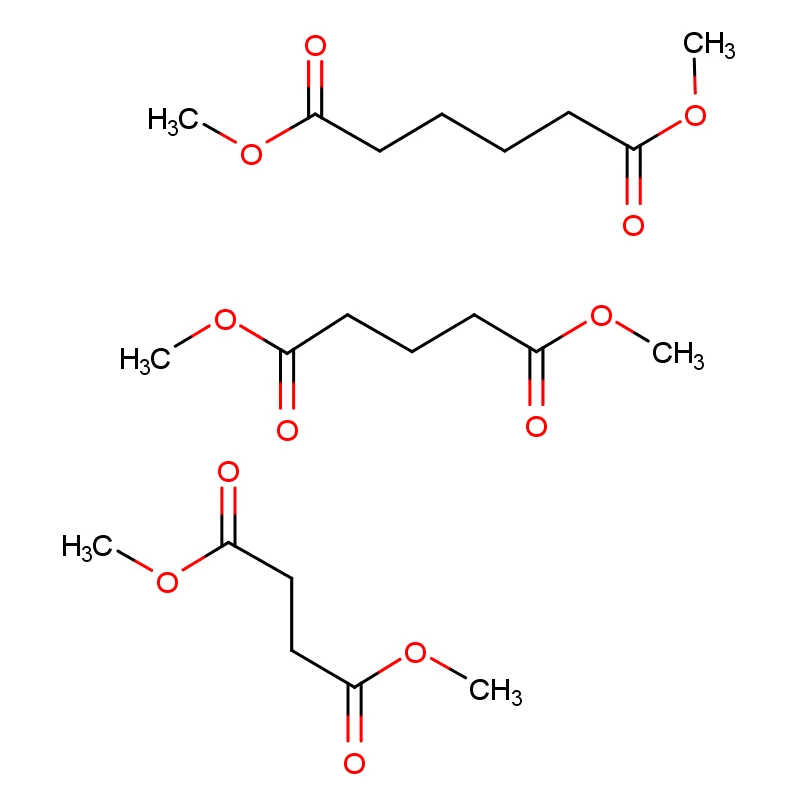
Dibasic ester, also called divalent acid ester or mixed acid dimethyl ester, is a mixture of dimethyl succinate, dimethyl glutarate and dimethyl adipate. It is an environmentally friendly high boiling solvent that biodegrades, and it replaces isophorone, glycol ethers and cyclohexanone in baked synthetic resin coatings, coil coatings, sheet coatings and can interior and exterior coatings.
What You Get With This Grade
- Biodegradable high boiling solvent with a 195-230 °C distillation range
- Direct replacement for isophorone, glycol ethers and cyclohexanone in bake coating systems
- Ester content 99.0% minimum with methanol held to 0.01% maximum
- Chroma 20 maximum and acid value 0.2 maximum, suitable for automotive topcoat work
Technical features
- Main components are dimethyl succinate, dimethyl glutarate and dimethyl adipate
- Good solubility, low volatility, easy flow, high safety, non-toxicity and photochemical stability
- Colourless transparent liquid with a slight aromatic odour
- Can be biodegraded
Where Dibasic Ester DBE Is Used
Baked synthetic resin coatings
A high boiling solvent for baked synthetic resin coatings and high temperature quick-drying coil coatings.
Coil sheet and can coatings
Used in coil coatings, sheet coatings and can interior and exterior coatings.
Automotive coatings
Used to achieve the intended gloss and smoothness of intermediate and topcoat paint films.
Paint strippers and cleaning agents
Applied in paint strippers and cleaning agent formulations.
Inks adhesives and synthesis
Widely used in inks, casting new adhesives and organic synthetic intermediates.
Buyers This Grade Is Built For
- Coil and can coating plants removing cyclohexanone and isophorone from the formulation
- Automotive coating producers chasing gloss and smoothness in the topcoat
- Paint stripper and industrial cleaner formulators
- Coating plants with effluent constraints that need a biodegradable solvent
What It Stops Going Wrong
- Isophorone, glycol ethers and cyclohexanone are highly toxic and are being designed out
- Non-biodegradable high boiling solvents create effluent treatment costs
- Free methanol in an ester solvent is both a toxicity and a reactivity problem
- Solvent with high acid value destabilises pigment dispersions and attacks equipment
Quality Index for Dibasic Ester DBE
| CAS number | 95481-62-2 |
|---|---|
| Molecular formula | CH3OOC(CH2)nCOOCH3 |
| Molecular weight | 174.28 |
| Appearance | Colourless transparent liquid, slightly aromatic |
| Ester content | 99.0% minimum |
| Water content | 0.15% maximum |
| Methanol content | 0.01% maximum |
| Chroma | 20 maximum |
| Acid value | 0.2 maximum |
| Distillation range | 195-230 °C |
How It Ships and How to Store It
Packing
- 220 kg iron drum or plastic drum
- IBC drum
- ISO tank
- Flexitank
Storage and transport
- Store in a cool dry area away from ignition sources
- Keep containers closed to protect the water and acid value specifications
How the Lot Is Released
Ester content, water, methanol, chroma, acid value and distillation range are checked against the quality standard before release.
What We Can Change
220 kg drum, IBC, ISO tank or flexitank depending on volume. Send the annual tonnage and we will advise which unit is most economic.
Against the Alternatives
Dibasic ester is the high boiling end of our solvent range at 195-230 °C, against propyl acetate which is a fast light ester. Where PMA is the high grade solvent for electronics and premium coatings, DBE is the bulk replacement solvent for bake systems that were built around cyclohexanone or isophorone.
Handling Dibasic Ester DBE on Your Site
Written for the person who receives the drum, not for a brochure.
- Substitute into bake coating formulations in place of isophorone, glycol ethers or cyclohexanone
- Use the 195-230 °C distillation range to set the bake schedule
- Check the acid value before use where the pigment dispersion is acid sensitive
- Choose flexitank or ISO tank over drums once volumes justify it
Dibasic Ester DBE FAQ
What is dibasic ester made of?
It is a mixture of divalent acid esters, mainly dimethyl succinate, dimethyl glutarate and dimethyl adipate.
Which solvents can it replace?
Isophorone, glycol ethers and cyclohexanone in baked synthetic resin coatings, high temperature quick-drying coil coatings, sheet coatings and can interior and exterior coatings.
What is the ester content and distillation range?
Ester content 99.0% minimum with a distillation range of 195-230 °C.
Is it biodegradable?
Yes, it is an environmentally friendly high boiling point solvent that can be biodegraded.
What is the methanol content?
0.01% maximum, with water at 0.15% maximum and acid value at 0.2 maximum.
What packing is available?
220 kg iron or plastic drum, IBC drum, ISO tank and flexitank.
Related Products
Propyl Acetate
CAS 109-60-4 · C5H10O2
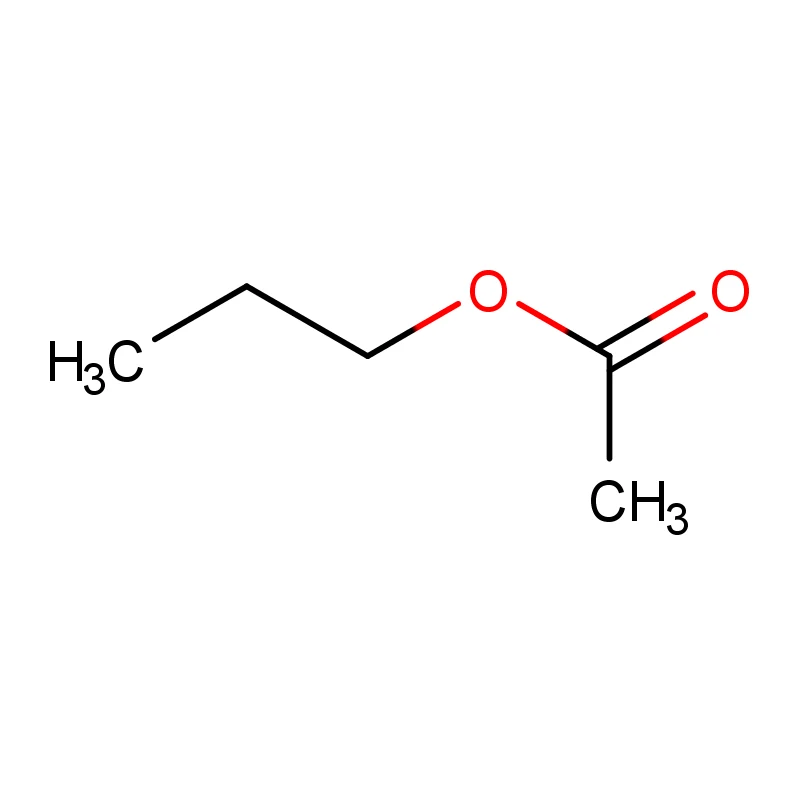
Propyl acetate is a coating and ink solvent, a drug extractant and a fragrance solvent, and industrially it is used as an azeotrope for acetic acid...
View specification →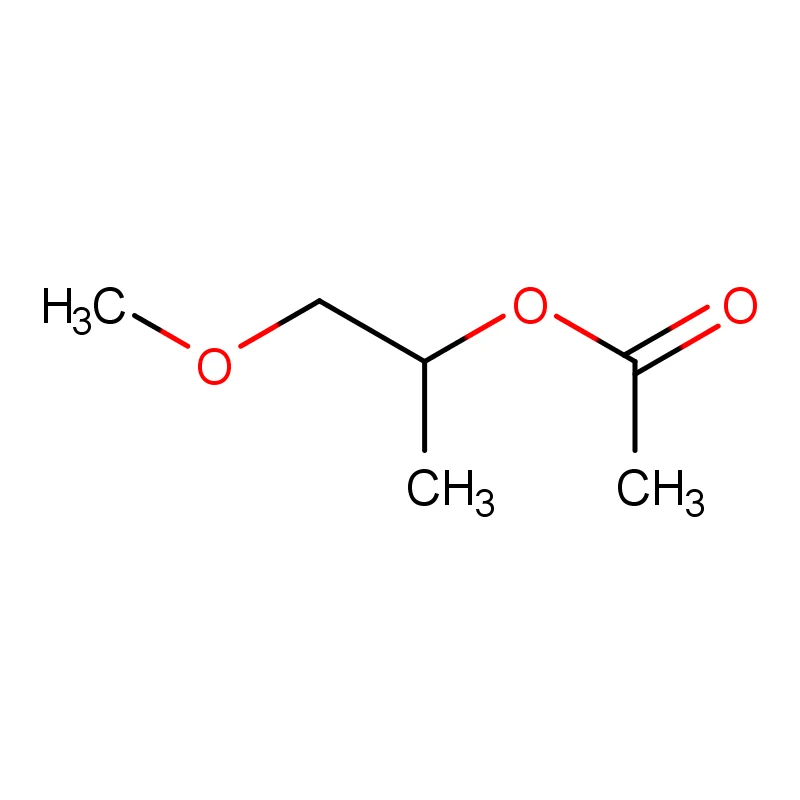
Propylene Glycol Methyl Ether Acetate PMA
CAS 108-65-6 · C6H12O3
Propylene glycol methyl ether acetate is a low-toxicity high-grade solvent whose molecule carries both an ether group and a carbonyl group in ester...
View specification →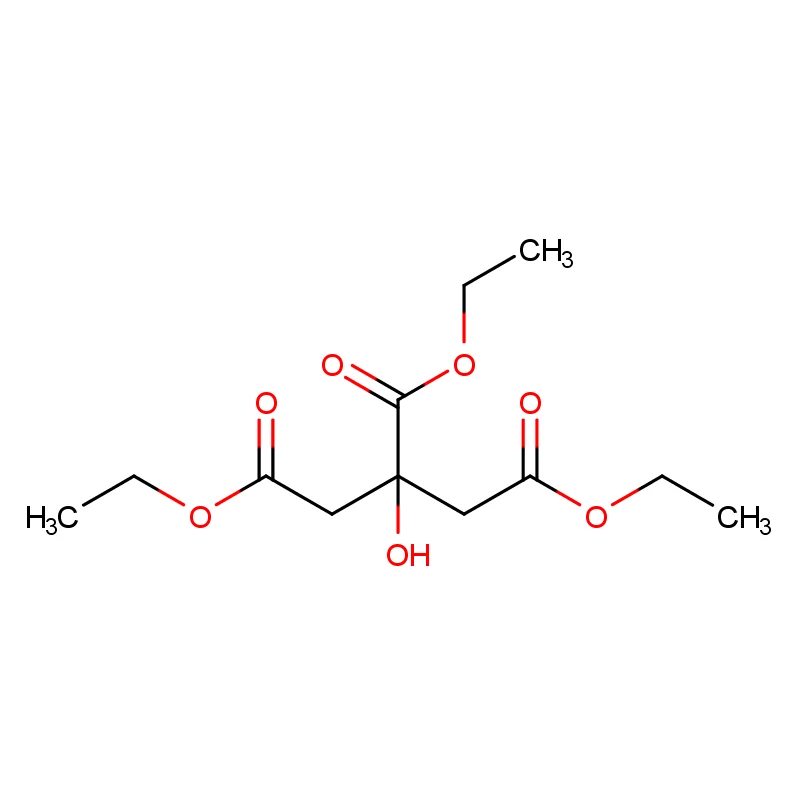
Triethyl Citrate
CAS 77-93-0 · C12H20O7
Triethyl citrate is an environmentally friendly non-toxic ester with strong solvency and good compatibility with a range of resins.
View specification →Where This Product Fits
Request a Quotation for Dibasic Ester DBE
Tell us the grade, the tonnage and the packing your site can unload. We reply within 24 hours with the current quality index.