
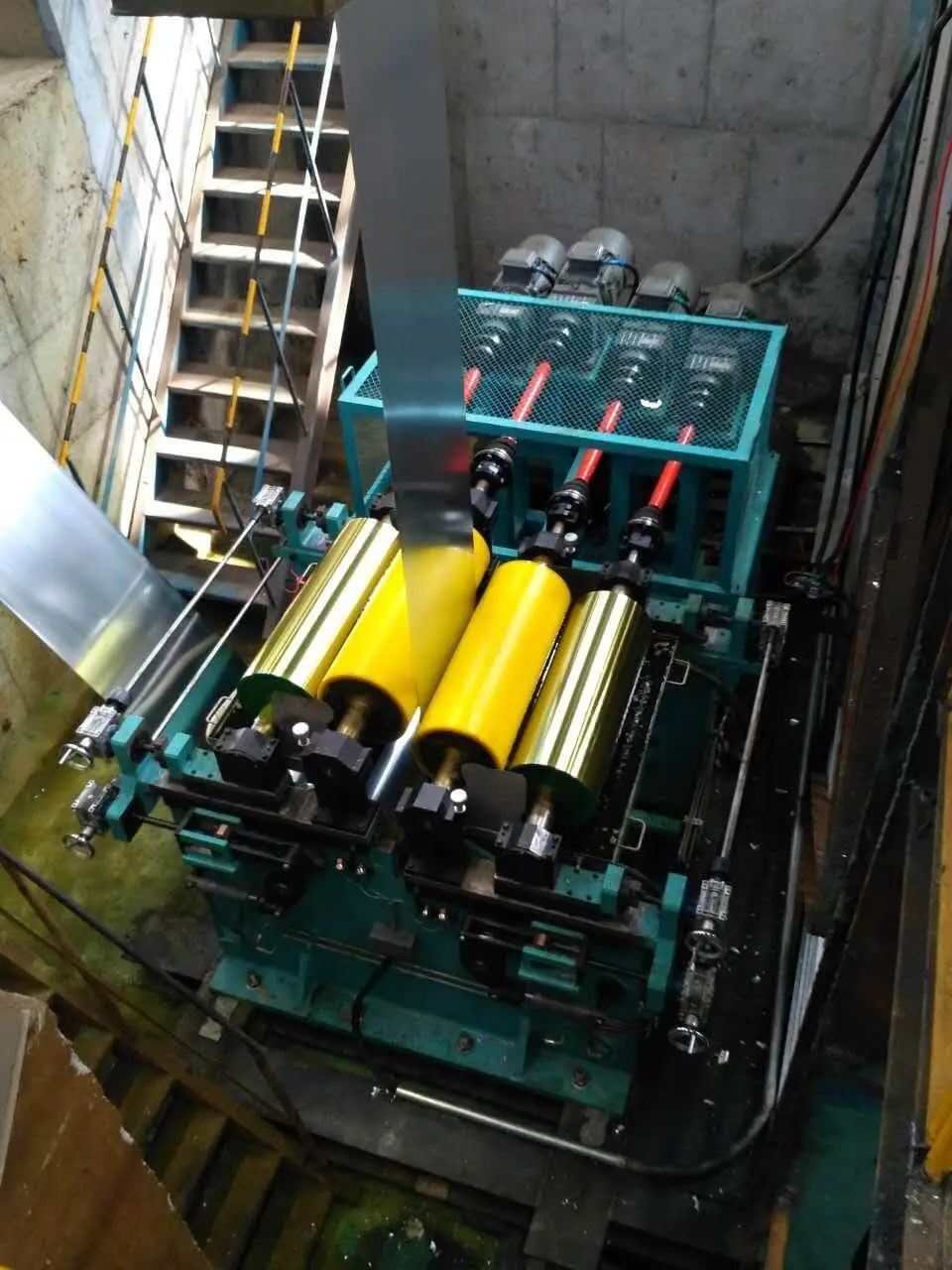

Ball Cage CV Universal Joints for Steel Rolling and Heavy Machinery
A universal joint connects shafts that are never perfectly aligned. The ball cage constant velocity design keeps output speed equal to input speed at any working angle, which removes the speed fluctuation that Cardan joints introduce into rolling mill and mining drives.
- Torque range 380 N·m to 1,000,000 N·m
- Rotational diameter 36 mm to 725 mm
- Working angles from 0 to 75 degrees
- Transmission efficiency up to 99.7 percent
Key Benefits
What the constant velocity design changes in a drive line.
No Speed Fluctuation At Angle
Output speed equals input speed regardless of the working angle, so the driven roll turns evenly and the strip sees no torque ripple.
Compact For Tight Drive Layouts
The ball cage structure carries high torque in a small rotational diameter, which matters when the joint has to sit between a gearbox and a mill housing.
Absorbs Shock And Vibration
Vibration and shock from the rolling process are absorbed in the joint instead of being passed into the gearbox.
Where It Is Used
Where these joints are used.
- Main and auxiliary drives in steel rolling mills
- Mining crushers, conveyors and feeders
- Petrochemical pumps and mixers
- Construction and engineering vehicle drive lines
Who It Is For
- Rolling mill maintenance teams replacing Cardan shafts
- Mining plants with drives that run at large offset angles
- OEMs designing heavy duty drive trains
- Buyers standardising on one joint family across several mills
Problems It Solves
- Speed fluctuation and torque ripple from Cardan joints at angle
- Thermal expansion and foundation settling changing shaft alignment
- Short joint life in dusty high load environments
- Long replacement lead times on large diameter joints
Technical Features
Two families cover most drive situations.
Fixed Type BJ Series
Models BJ-C, BJ-D, BJ-DT, BJ-DFT, BJ-DY, BJ-DYT, BJ-CY, BJ-CYT and BJ-CT give angular flexibility without axial stroke, for stable shaft positions such as main drive lines.
Plunging Type
Models DOJ-C, DOJ-F, BO5-F, BO5-FF, BOJ-F, BOJ-C, BOJ-CT, BOJ-D, BOJ-E and BC-P allow axial movement to absorb thermal expansion and roll adjustment.
Constant Velocity Ball Cage
The ball and cage geometry keeps the transmission constant velocity through the full angular range up to 75 degrees.
Specifications
Selection depends on torque, working angle, available rotational diameter and whether axial stroke is required.
| Torque Range | 380 N·m to 1,000,000 N·m |
|---|---|
| Rotational Diameter | 36 mm to 725 mm |
| Working Angle | 0 to 75 degrees |
| Transmission Efficiency | Up to 99.7 percent |
| Fixed Type Models | BJ-C, BJ-D, BJ-DT, BJ-DFT, BJ-DY, BJ-DYT, BJ-CY, BJ-CYT, BJ-CT |
| Plunging Type Models | DOJ-C, DOJ-F, BO5-F, BO5-FF, BOJ-F, BOJ-C, BOJ-CT, BOJ-D, BOJ-E, BC-P |
| Main Sectors | Steel rolling, mining, petrochemical, heavy machinery |
Materials
- Alloy steel forged joint bodies
- Hardened ball tracks and cages
- Sealed and greased assemblies for dusty environments
Manufacturing Process
Selection Review
Torque, speed, working angle and space envelope are checked against the fixed and plunging model list.
Forging And Machining
Joint bodies are forged then machined so the ball tracks stay concentric under load.
Heat Treatment
Track and cage surfaces are hardened for contact fatigue life.
Assembly And Sealing
The joint is greased, sealed and balance checked before packing.
Quality Control
- Dimensional inspection of flange and spline interfaces
- Hardness check on ball tracks
- Angular movement test through the rated angle range
- Seal and grease fill verification
Customization Options
- Flange pattern and spline to match your existing shaft
- Fixed or plunging type selected for the drive layout
- Length and stroke made to the installed distance
- Protection and lubrication specified for dusty or hot areas
Use Guide
- Keep the normal working angle well below the 75 degree maximum for longest life
- Re grease at the interval set for the installed angle and speed
- Check seals after any strip jam or shock load event
- Record the model code from the joint body before ordering a replacement
How It Compares
Ball cage CV joints against the alternatives.
| Cardan cross joints | Constant velocity transmission removes the speed fluctuation that a Cardan joint produces at working angle. |
|---|---|
| Gear couplings | Larger angular capability, up to 75 degrees, where a gear coupling is limited to a few degrees. |
| Rigid couplings | Absorbs misalignment from thermal expansion and foundation settling instead of transferring it into bearings. |
Related Products
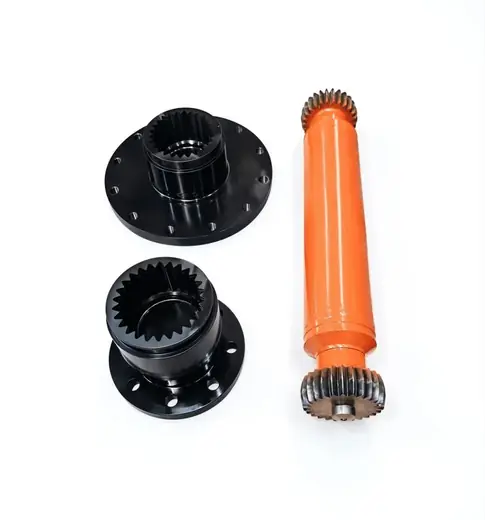
Drum Type Spline Couplings
Crowned tooth spline couplings carrying 15-20 percent more torque than straight tooth designs.
View Details
Ball Cage CV Joints for Metallurgical Drives
BJ, DOJ and BC series six ball CV joints with IT4 grade raceways for metallurgical drive lines.
View Details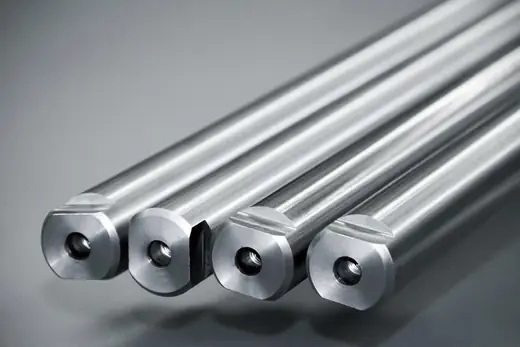
BJ150 Coupling for the Metallurgical Industry
High torque BJ150 coupling in alloy steel with precision ground bearings and advanced sealing.
View Details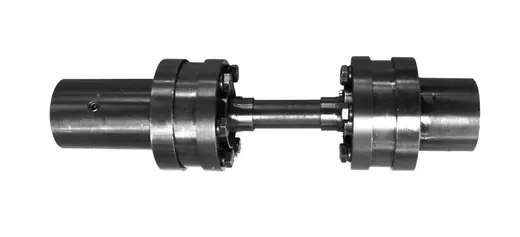
Driveshaft Universal Joint
Cardan type driveshaft joints for continuous casting, hot and cold rolling drive systems.
View Details
Ball Cage CV Universal Joints for Heavy Industry FAQ
How do I choose between fixed and plunging type?
Use the fixed BJ series where the shaft distance does not change, such as a main drive line. Use a plunging type where thermal expansion or roll adjustment changes the distance during operation.
What torque can you supply?
From 380 N·m up to 1,000,000 N·m, with rotational diameters from 36 mm to 725 mm, which covers light auxiliary drives through to the heaviest mill main drives.
What working angle is allowed?
The design range is 0 to 75 degrees. For long service life we recommend running well inside that range and we check the angle when we select the model.
Can you match our existing joint?
Yes. Send the model code stamped on the body, or the flange and spline dimensions with the installed length, and we quote an equivalent.
What lead time should we plan?
It depends on size and whether the model is in stock. Send the model and quantity and we confirm the current lead time with the quotation.
Do you supply spare parts for joints already installed?
Yes, seals, cages and balls can be supplied for the models we manufacture, which is often faster than replacing the complete joint.
Get The Right Joint For Your Drive
Send the torque, speed, working angle and installed length, and our engineers come back with the model and a quotation.