


Ball Cage CV Joints as a Replacement for Cross Universal Joints
Steel making, continuous casting, hot and cold rolling and non ferrous processing all run under high temperature, dynamic shaft deflection and alternating impact loads. Cross universal joints transmit non constant velocity under those conditions, which shows up as vibration, strip defects and premature failures. The ball cage design removes the speed pulsation at source.
- BJ, DOJ and BC series available
- Six ball load sharing structure
- IT4 grade precision raceways
- Designed as a direct upgrade from cross joints
Key Benefits
What changes on the drive when cross joints are replaced.
No Speed Pulsation Under Deflection
The symmetric ball cage structure eliminates speed pulsation at angular deflection, which is what causes roll chatter, strip wave patterns and burr defects.
Lower Vibration In The Drive Train
IT4 grade precision machining keeps the assembly balanced, so vibration is not transferred into gearboxes and bearings.
Built For Harsh Line Conditions
High reliability sealing and load sharing across six balls suit continuous high speed operation with alternating impact loads.
Where It Is Used
Typical drive positions.
- Hot and cold rolling mill drives
- Continuous casting machinery
- Non ferrous strip processing lines
- Leveler and coating line drive systems
Who It Is For
- Plants replacing cross joints that fail early
- Maintenance teams chasing strip surface defects back to the drive
- OEMs upgrading a drive design
- Buyers consolidating joints across steel and non ferrous lines
Problems It Solves
- Non constant velocity transmission from cross joints
- Roll chatter and strip wave patterns traced to drive pulsation
- Frequent unplanned downtime for joint replacement
- Seal failure in hot and dusty line areas
Technical Features
Design features behind the upgrade.
Six Ball Load Sharing
Load is carried across six balls in precision machined raceways rather than through two needle bearing crosses.
IT4 Grade Precision
Raceway machining at IT4 grade precision is what keeps vibration low at line speed.
High Reliability Sealing
Sealing is specified for metallurgical environments where dust and heat are constant.
Specifications
Series and size are selected from torque, working angle and installed length.
| Series | BJ, DOJ and BC |
|---|---|
| Structure | Six ball load sharing ball cage |
| Raceway Precision | IT4 grade |
| Transmission | Constant velocity under angular deflection |
| Target Equipment | Steel making, continuous casting, hot and cold rolling, non ferrous processing |
| Replaces | Conventional cross universal joints |
Materials
- Alloy steel joint bodies
- Hardened and ground ball raceways
- Sealed and greased assembly
Manufacturing Process
Application Review
Torque, speed, deflection angle and ambient temperature at the drive are collected first.
Machining
Raceways are machined to IT4 grade precision so the six balls share load evenly.
Heat Treatment
Contact surfaces are hardened for fatigue life under alternating impact.
Assembly And Balance
The joint is greased, sealed and balance checked before packing.
Quality Control
- Raceway geometry inspection against IT4 tolerance
- Hardness testing on ball tracks
- Dynamic balance verification
- Seal and grease fill check
Customization Options
- Flange or spline interface matched to the existing shaft
- Series selected for fixed or plunging duty
- Sealing specified for hot or dusty positions
- Overload protection fitted where the duty requires it
Use Guide
- Record the existing joint model before ordering the replacement
- Keep working angle as small as the layout allows
- Re grease on schedule, sealing life sets joint life in dusty plants
- Check drive alignment after any foundation work
How It Compares
Ball cage CV joints against the cross joints they replace.
| Cross universal joints | Constant velocity transmission removes speed pulsation, roll chatter and the strip defects that follow it. |
|---|---|
| Universal joint with overload clutch only | The load sharing structure raises capacity instead of only protecting the drive after the fact. |
| Rebuilding worn cross joints | A CV upgrade addresses the root cause rather than repeating the same wear pattern. |
Related Products
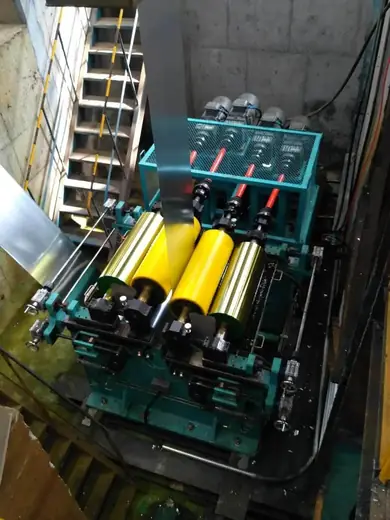
Ball Cage CV Universal Joints for Heavy Industry
Fixed and plunging ball cage CV joints from 380 N·m to 1,000,000 N·m, working angles to 75 degrees.
View Details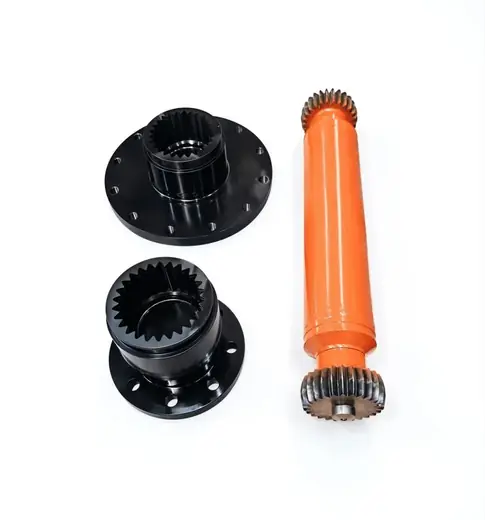
Drum Type Spline Couplings
Crowned tooth spline couplings carrying 15-20 percent more torque than straight tooth designs.
View Details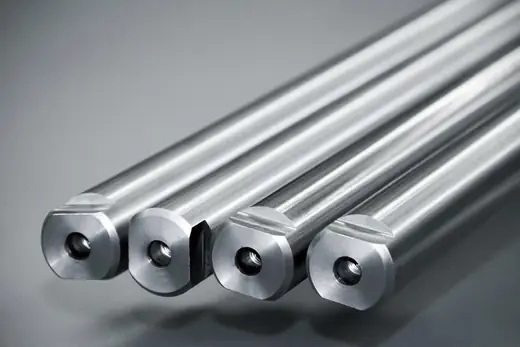
BJ150 Coupling for the Metallurgical Industry
High torque BJ150 coupling in alloy steel with precision ground bearings and advanced sealing.
View Details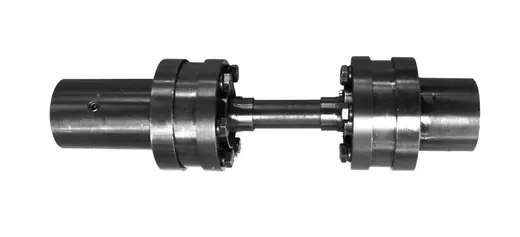
Driveshaft Universal Joint
Cardan type driveshaft joints for continuous casting, hot and cold rolling drive systems.
View DetailsBall Cage CV Joints for Metallurgical Drives FAQ
Can these replace our existing cross joints?
Yes, that is the main application. Send the installed length, flange or spline data, torque and working angle and we select a BJ, DOJ or BC series equivalent.
Why do cross joints cause strip defects?
They transmit non constant velocity at angle, so output speed fluctuates. That pulsation reaches the rolls as chatter and prints wave patterns and burrs into the strip.
What precision are the raceways?
IT4 grade precision machining, which is what keeps vibration low at continuous line speed.
Are they suitable for non ferrous lines?
Yes. The same series are used in aluminum and copper strip processing drive systems as well as steel.
Can overload protection be added?
Overload protection devices can be fitted where the working conditions require it. Tell us the fault torque you want to protect against.
What do you need to quote?
Torque and speed, working angle, installed length, shaft interface and the ambient conditions at the drive.
Upgrade The Drive Without Redesigning It
Send your current joint data and drive conditions and we come back with the CV joint series and size.