
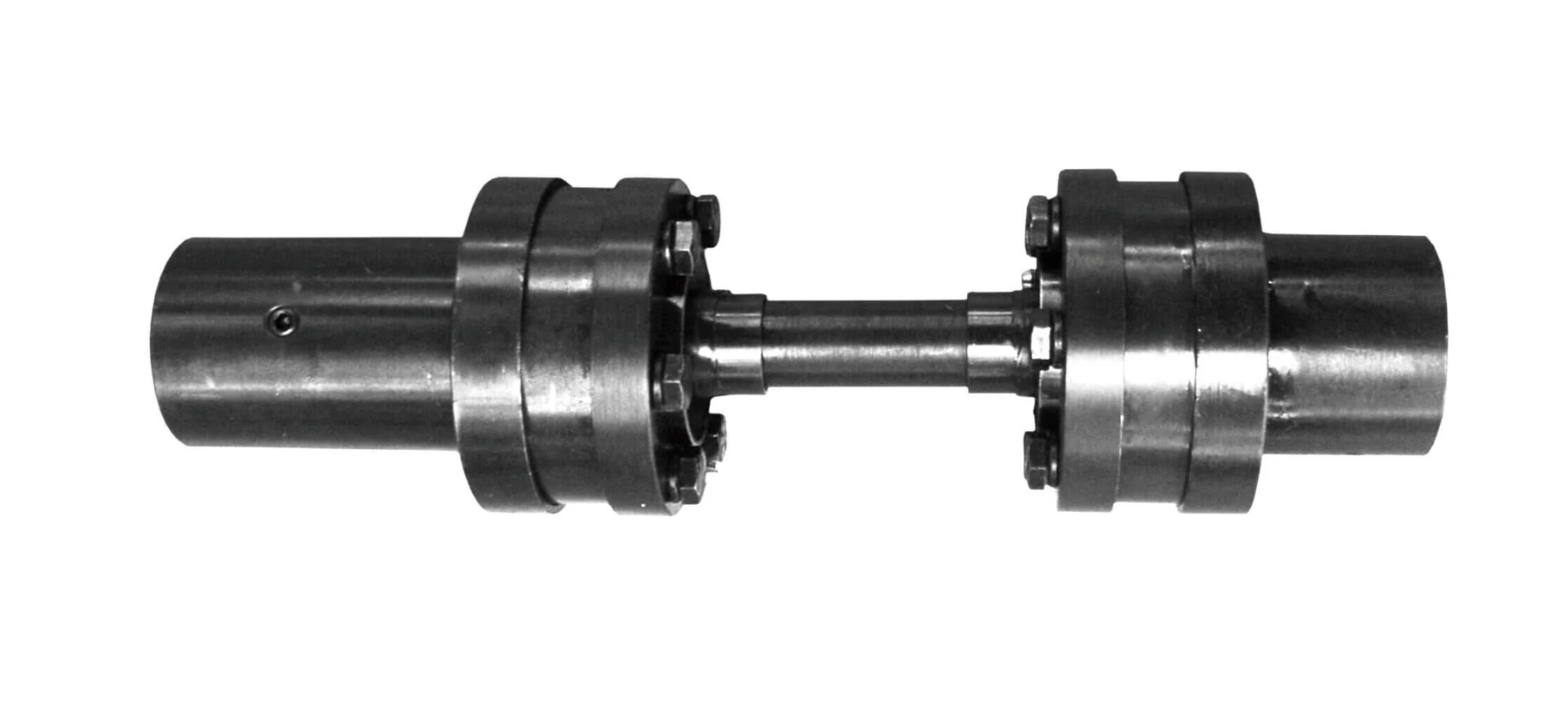
Driveshaft Universal Joints for Steel and Non Ferrous Drive Systems
The driveshaft universal joint links drive elements that sit at an angle to each other. In steelmaking and rolling it has to hold torque transmission accuracy under extreme load and high temperature, because a drive failure stops the whole line.
- Used in steel production, continuous casting, hot and cold rolling
- Constant angular velocity transmission
- Designed for extreme loads and high temperature
- Also used in mining, chemical and oil and gas equipment
Key Benefits
What the joint is expected to do.
High Precision Torque Transmission
Precise transmission keeps the mechanism running smoothly and in coordination with the rest of the drive.
Vibration And Shock Eliminated
Constant angular velocity removes the vibration and shock that non constant velocity joints introduce into the drive system.
Stable Under Rapid Speed Change
Stability and smooth operation are maintained under high loads and rapid speed changes, which is normal in rolling.
Where It Is Used
Sectors served.
- Steel production and continuous casting
- Cold and hot rolling processes
- Precision machinery and machine tool drives
- Mining, chemical and oil and gas equipment
Who It Is For
- Steel plants replacing drive joints
- Non ferrous processors with precision drive systems
- Heavy equipment manufacturers
- Maintenance buyers sourcing joint spares
Problems It Solves
- Vibration and shock in drive systems
- Joint failure under extreme load and temperature
- Wear driving frequent replacement
- Long lead times for large drive joints
Technical Features
Key features.
Constant Angular Velocity
Output angular velocity matches input, which is what eliminates vibration in the driven equipment.
Reliable Under Extreme Conditions
The design is specified to keep equipment operating under extreme loads and high temperatures.
Durability And Wear Resistance
Material and surface treatment are chosen for wear resistance in continuous heavy duty service.
Specifications
Size and interface follow your drive. Confirm the existing joint data when ordering.
| Joint Type | Driveshaft universal joint |
|---|---|
| Transmission | Constant angular velocity |
| Primary Applications | Steel production, continuous casting, hot and cold rolling |
| Additional Sectors | Machine tools, metalworking, heavy equipment, mining, chemical, oil and gas |
| Operating Conditions | Extreme loads and high temperature |
| Interfaces | Made to your shaft and flange drawing |
Materials
- Forged alloy steel body
- Hardened bearing surfaces
- Sealed and greased assembly
Manufacturing Process
Drive Review
Torque, speed, angle and temperature at the installed position are collected.
Forging And Machining
The joint body is forged and machined to the interface drawing.
Heat Treatment
Load carrying surfaces are hardened for wear resistance.
Assembly And Sealing
The joint is assembled, greased and sealed for the plant environment.
Quality Control
- Dimensional inspection of flange and spline
- Hardness verification on bearing surfaces
- Angular movement test
- Seal and grease check before packing
Customization Options
- Flange and spline to match the existing shaft
- Length adjusted to the installed distance
- Sealing for high temperature positions
- Spare seal and bearing kits
Use Guide
- Record the joint dimensions before removal
- Re grease at the interval set for temperature and angle
- Check for play in the joint during planned inspections
- Replace seals whenever the joint is opened
How It Compares
How it compares with other joint types.
| Ball cage CV joints | CV joints handle larger angles with constant velocity, while driveshaft joints suit standard drive layouts at moderate angles. |
|---|---|
| Rigid couplings | The joint accommodates angular misalignment rather than forcing it into shafts and bearings. |
| Elastomeric couplings | Handles the loads and temperatures of steel plant service that elastomer elements cannot. |
Related Products
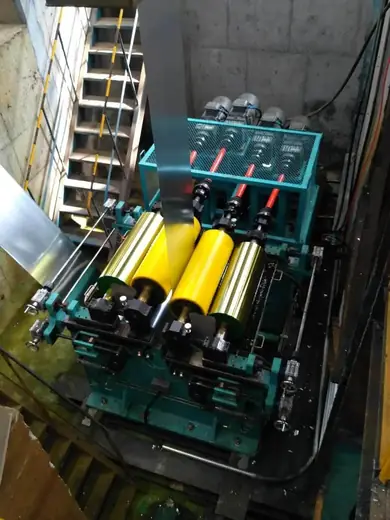
Ball Cage CV Universal Joints for Heavy Industry
Fixed and plunging ball cage CV joints from 380 N·m to 1,000,000 N·m, working angles to 75 degrees.
View Details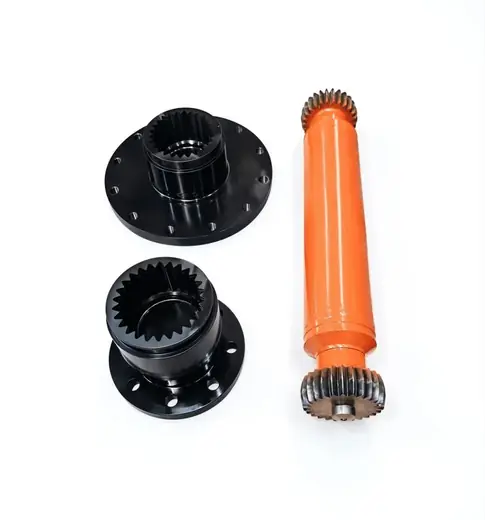
Drum Type Spline Couplings
Crowned tooth spline couplings carrying 15-20 percent more torque than straight tooth designs.
View Details
Ball Cage CV Joints for Metallurgical Drives
BJ, DOJ and BC series six ball CV joints with IT4 grade raceways for metallurgical drive lines.
View Details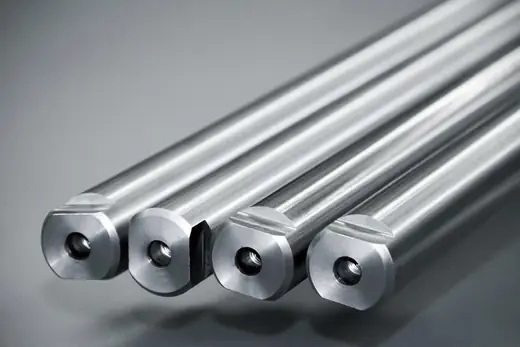
BJ150 Coupling for the Metallurgical Industry
High torque BJ150 coupling in alloy steel with precision ground bearings and advanced sealing.
View DetailsDriveshaft Universal Joint FAQ
Which processes use these joints?
Steel production, continuous casting and cold and hot rolling, plus drive systems in non ferrous metals, machine tools, mining, chemical and oil and gas equipment.
Do they run at constant velocity?
Constant angular velocity is a design feature, which is what eliminates vibration and shock in the drive system.
Can they take high temperature?
The design is intended for stable operation under extreme loads and high temperatures typical of metallurgical plants.
Can you match our existing joint?
Yes. Send the flange and spline dimensions with the installed length, or the joint model if it is marked.
Do you supply repair parts?
Seals and bearing components for the joints we manufacture can be supplied as spares.
What do you need for a quotation?
Torque and speed, working angle, installed length, interface dimensions and operating temperature.
Replace A Drive Joint
Send your joint dimensions and drive data and we come back with a replacement specification.