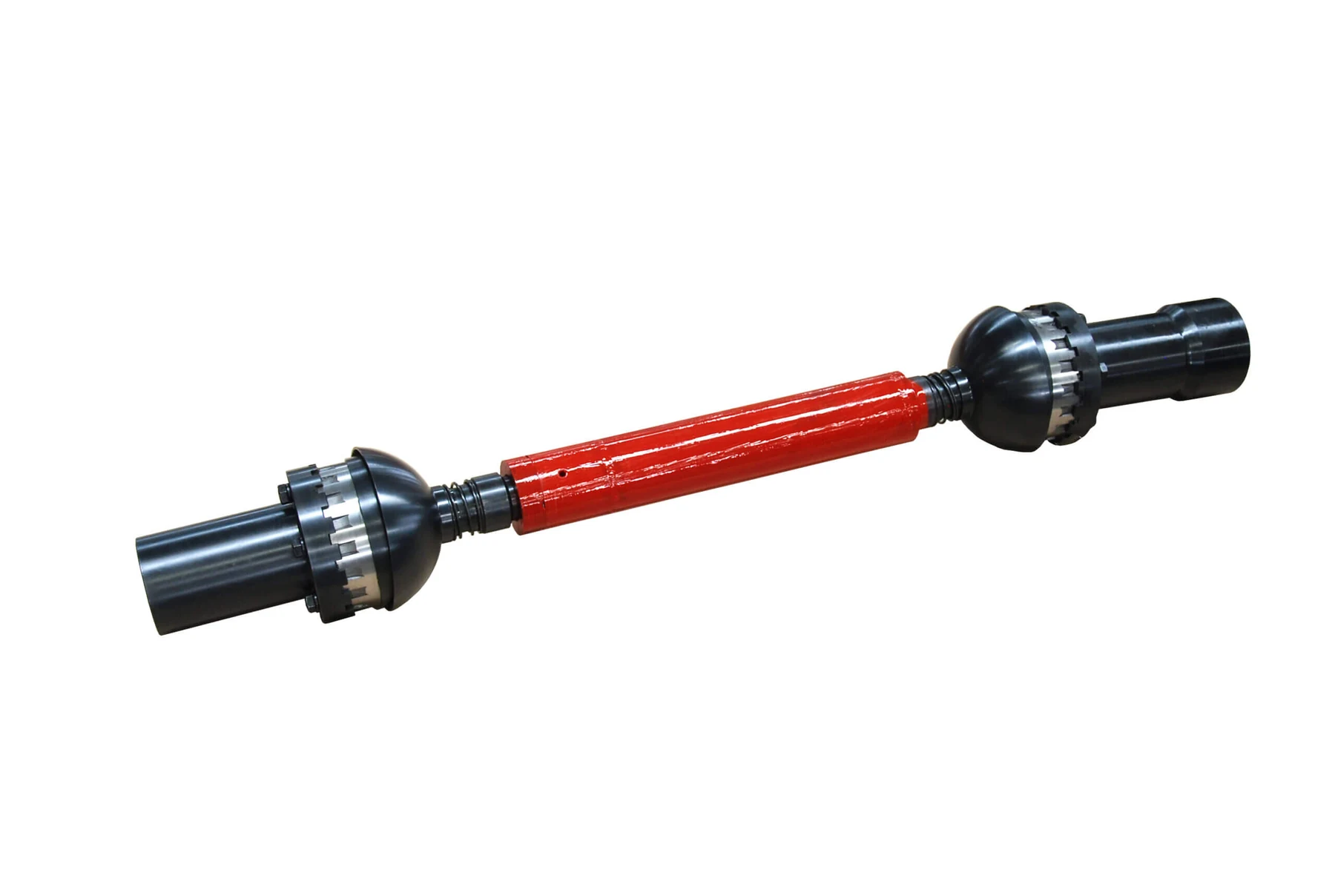
BJ150 Couplings for Steel Making Casting and Rolling Drives
A coupling connects two shafts to transmit power, compensate misalignment and damp vibration. In steel making, continuous casting and rolling the third function matters as much as the first, because shock loads travelling back into a gearbox are what shortens drive life.
- Used in steel making, continuous casting, hot and cold rolling
- Transmits torque between shaft ends
- Compensates angular, parallel and axial misalignment
- Damps vibration and shock loads
Key Benefits
Three functions in one component.
Efficient Power Transmission
Torque is transferred from one shaft to another with minimal loss, which is the primary job on any mill drive.
Misalignment Compensation
Angular, parallel and axial misalignment between connected shafts is accommodated instead of being forced into bearings.
Vibration Damping
Vibration and shock loads are reduced, protecting the gearbox and motor behind the coupling.
Where It Is Used
Drive positions.
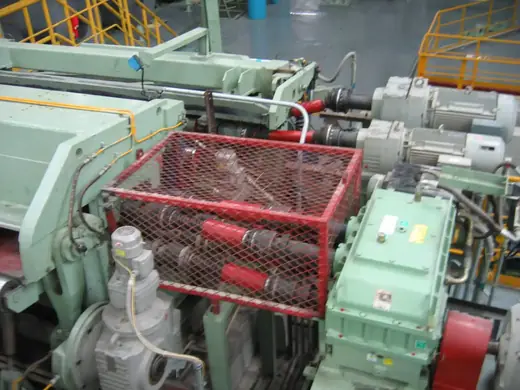
- Steel making plant drives
- Continuous casting machinery
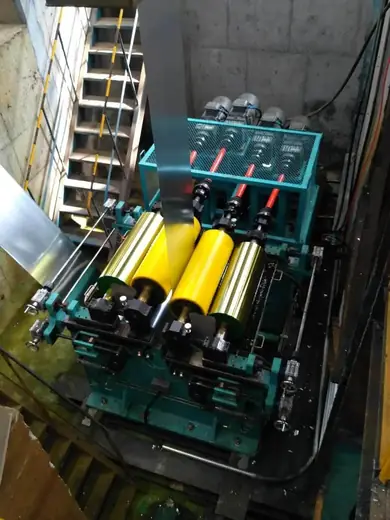
- Hot rolling mill drives
- Cold rolling mill and engineering machinery drives
Who It Is For
- Steel plants sourcing drive couplings
- Engineering machinery builders
- Maintenance teams replacing failed couplings
- Buyers standardising coupling sizes across drives
Problems It Solves
- Power loss and heat in poorly matched couplings
- Misalignment loading bearings and shafts
- Vibration reaching the gearbox
- Downtime caused by coupling failure
Technical Features
What to check when selecting.
Torque Transmission Capacity
The coupling is sized so rated and peak torque stay inside its capability on your drive.
Misalignment Capability
Angular, parallel and axial displacement are all accommodated within the stated limits.
Shock And Vibration Handling
Damping reduces the shock loads transmitted between connected machines.
Specifications
Size and interfaces are confirmed from your shaft data and duty.
| Model | BJ150 |
|---|---|
| Primary Functions | Power transmission, misalignment compensation, vibration damping |
| Misalignment Types | Angular, parallel and axial |
| Applications | Steel making, continuous casting, hot rolling, cold rolling |
| Sector | Metallurgical and engineering industry drive machines |
| Interfaces | Bore and keyway machined to your shaft drawing |
Materials
- Alloy steel coupling body
- Hardened load carrying surfaces
- Sealed grease package
Manufacturing Process
Duty Data Collection
Torque, speed, misalignment and shaft dimensions are collected before sizing.
Machining
Coupling halves and bores are machined to the shaft drawing.
Heat Treatment
Load carrying surfaces are hardened for service life.
Assembly And Check
The coupling is assembled, greased, sealed and inspected.
Quality Control
- Torque capacity verification against the duty
- Bore and keyway dimensional inspection
- Hardness testing on load surfaces
- Assembly and seal check before shipment
Customization Options
- Bore and keyway to your shaft
- Length for the installed distance
- Sealing for hot or dusty drives
- Spare kits for planned maintenance
Use Guide
- Align shafts within the coupling limits, the coupling compensates but does not correct bad alignment
- Check bolt torque after the first running period
- Re grease at the plant interval
- Keep a spare for each critical drive
How It Compares
Coupling selection considerations.
| Rigid couplings | Misalignment is absorbed rather than transferred into the shafts and bearings. |
|---|---|
| Elastomeric couplings | Suited to the torque and temperature of steel plant drives where elastomer elements degrade. |
| Oversized couplings | Correct sizing keeps the drive envelope compact while still covering peak torque. |
Related Products
Ball Cage CV Universal Joints for Heavy Industry
Fixed and plunging ball cage CV joints from 380 N·m to 1,000,000 N·m, working angles to 75 degrees.
View Details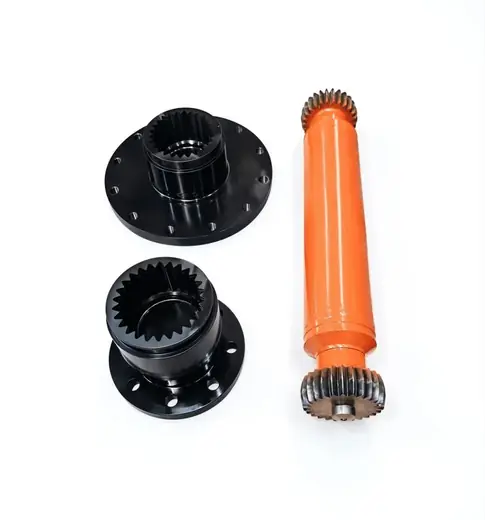
Drum Type Spline Couplings
Crowned tooth spline couplings carrying 15-20 percent more torque than straight tooth designs.
View Details
Ball Cage CV Joints for Metallurgical Drives
BJ, DOJ and BC series six ball CV joints with IT4 grade raceways for metallurgical drive lines.
View Details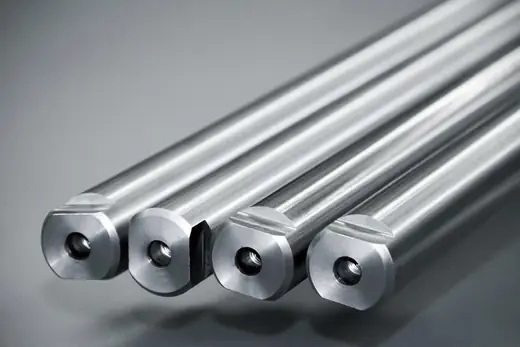
BJ150 Coupling for the Metallurgical Industry
High torque BJ150 coupling in alloy steel with precision ground bearings and advanced sealing.
View DetailsBJ150 Coupling for Metallurgical and Engineering Drives FAQ
Where is the BJ150 used?
Drive machines in the metallurgical and engineering industry, including steel making, continuous casting, hot rolling and cold rolling.
What misalignment can it take?
Angular, parallel and axial misalignment between connected shafts, within the limits stated for the size.
Does it reduce vibration?
Yes, vibration damping is one of its primary functions, reducing shock loads passed between connected machines.
Can you machine the bore to our shaft?
Yes. Send the shaft diameter, keyway and fit requirement with the installed length.
How do we size the coupling?
Send rated and peak torque, speed, shaft dimensions and expected misalignment and we confirm the size.
Do you supply spares?
Yes, seals and wear parts for the couplings we manufacture can be stocked at your plant.
Size A Coupling For Your Drive
Send torque, speed and shaft data and our engineers confirm the coupling and price.