
Industry
Non-Magnetic Inert Ceramic Parts for Medical Food and Laboratory Equipment
Metal debris from a worn blade contaminating a food or medical product line
Where It Goes Wrong
- Metal debris from a worn blade contaminating a food or medical product line
- Corrosion on components that are sanitised daily
- Magnetic or conductive parts interfering with instruments nearby
What Buyers Ask For
- Inert, corrosion resistant cutting and handling components
- Non-magnetic materials near sensors and instruments
- Trial quantities small enough for validation work
Parts We Supply Into Medical Food and Laboratory
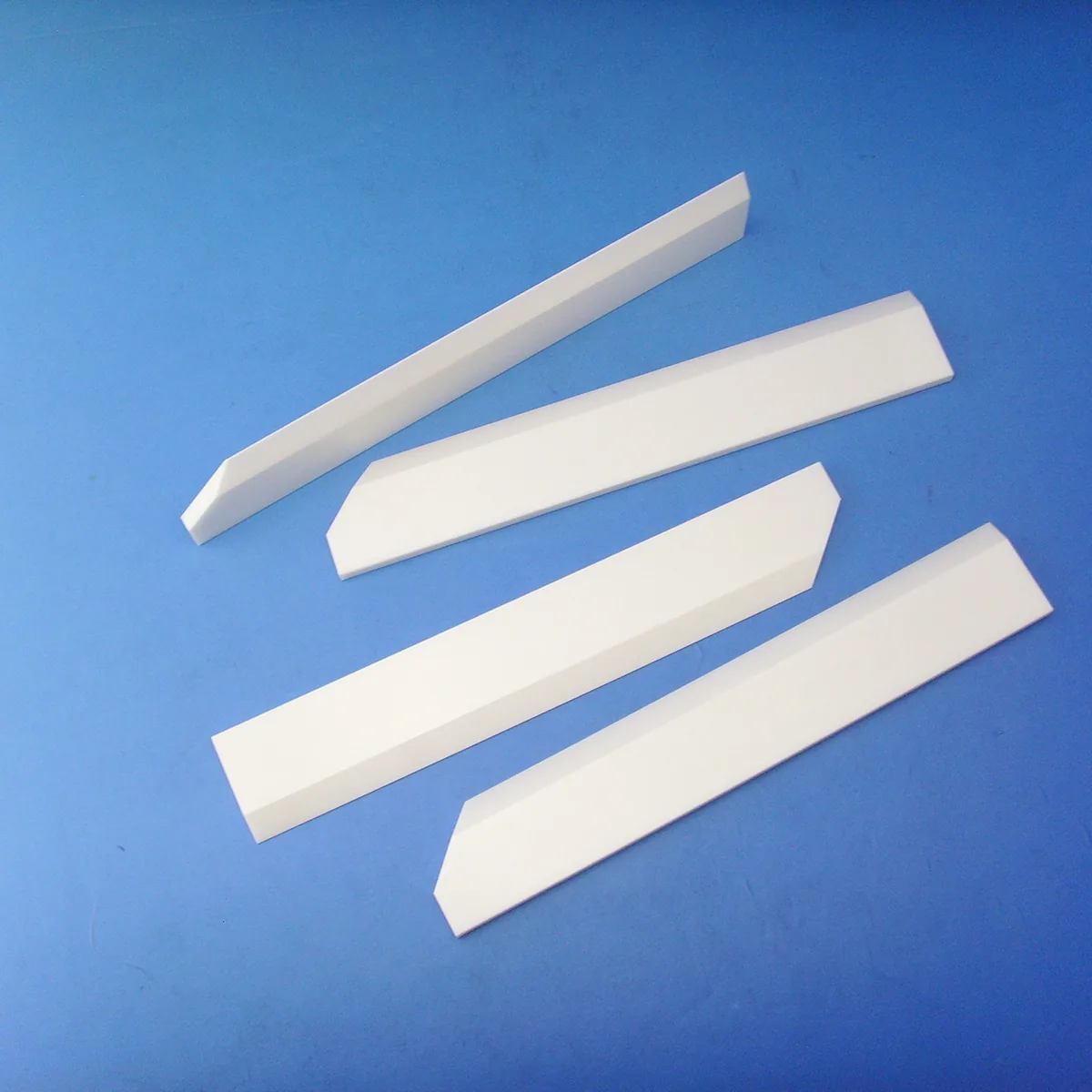
Ceramic BladesPrecision Zirconia ZrO2 Ceramic BladeNon-magnetic slitting blades that hold an edge against abrasive webView specifications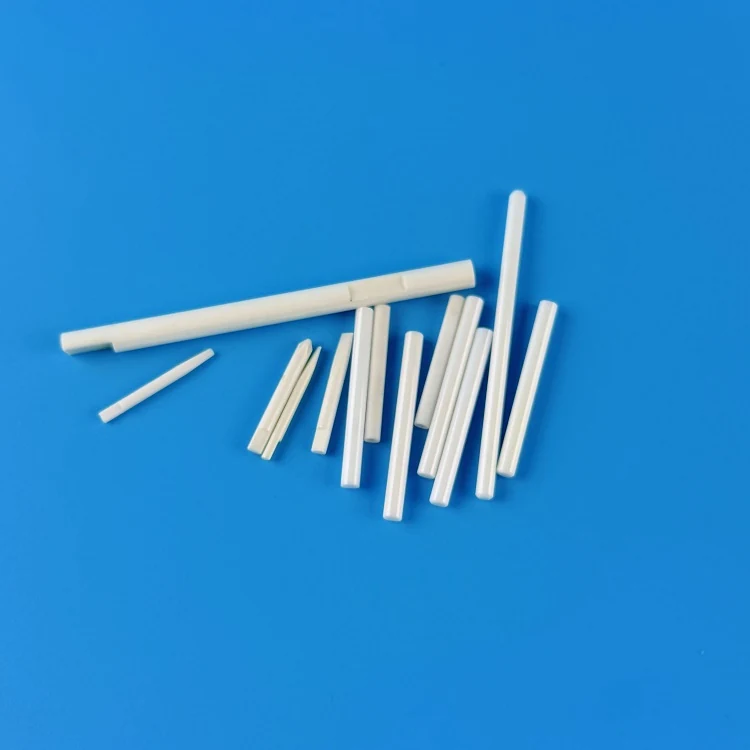 Zirconia Ceramic PartsZirconia Ceramic Rod94.4 percent zirconia rod with 0.5 micron crystal size and low minimum orderView specifications
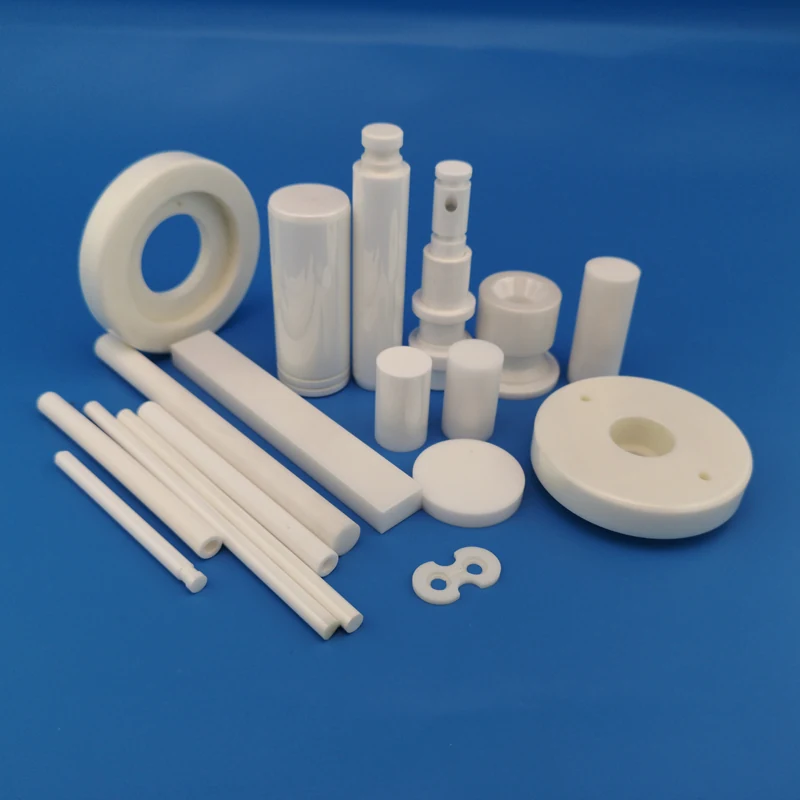 Zirconia Ceramic PartsZirconia Ceramic Structural PartsLoad bearing ceramic components where steel wears and plastic deflectsView specifications
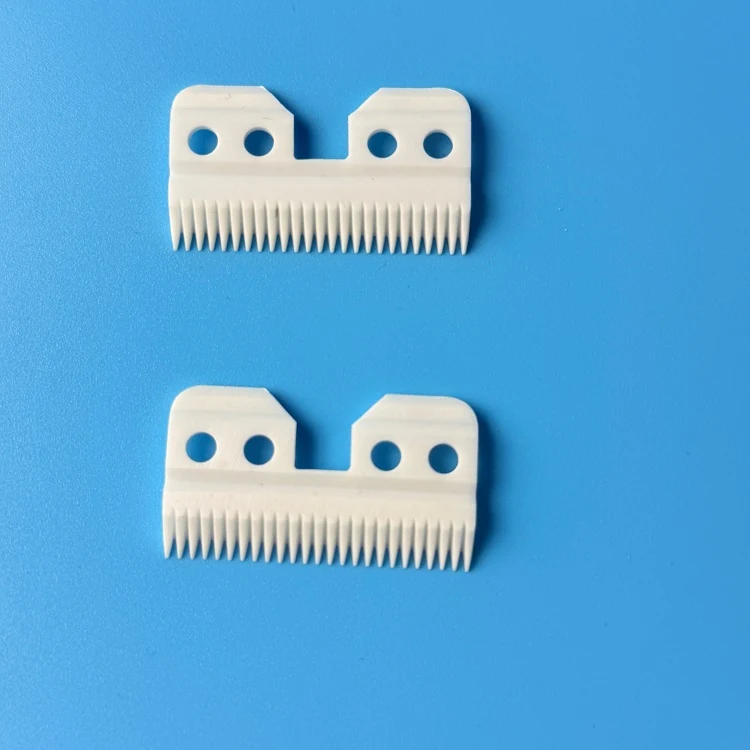 Ceramic BladesZirconia Ceramic Replacement Clipper BladeSize 18th and 25th blades with up to five times the life of steelView specifications
Typical Application Scenarios
Cutting and portioning in food processing equipment
Medical and laboratory cutting applications
Grinding media and mill internals for laboratory work
Non-magnetic shafts and guides in analytical instruments
How a Part Gets Delivered
1. Drawing Review
Send a 2D or 3D drawing. We look at the features that drive cost: wall thickness, internal corners, ground versus as fired surfaces, and which dimensions are truly critical.
2. Material Selection
We propose a body from zirconia, alumina, steatite, silicon carbide or silicon nitride based on the temperature, the medium and whether the part takes impact.
3. Quotation
The quotation states the material, the achievable tolerances, the minimum order and the lead time before any tooling is committed.
4. Sample
Samples are delivered in 4 to 7 working days, free of charge with freight paid by the buyer.
5. Production
Forming, sintering, surface grinding, internal and external diameter grinding and precision CNC machining are all carried out in house.
6. Inspection and Shipping
Parts are inspected to your drawing with a report issued, and the packing and shipping process is photographed for your records.
Application Notes
Medical Food and Laboratory FAQ
Are zirconia blades non-magnetic?
Yes, and that is one of the listed reasons for using them where ferrous debris is a problem.
What is the minimum order for a validation trial?
10 pieces on zirconia and silicon nitride blades, 1 piece on 99% alumina blank plate.
Does the ceramic corrode when sanitised?
Zirconia is corrosion resistant and chemically stable, which is why it survives daily disinfection better than steel.
Tell Us What Is Failing
Send the part, the duty and the interval it currently survives. We come back with a material and a trial quantity.
Send a 2D or 3D drawing by WhatsApp or email. Samples in 4 to 7 working days.