
Industry
Corrosion Resistant Ceramic Parts for Chemical and Petroleum Plant
Metal components pit and fail in acidic or chloride bearing media
Where It Goes Wrong
- Metal components pit and fail in acidic or chloride bearing media
- Wear parts degrade faster when abrasion and temperature arrive together
- Galvanic pairs form between a metal part and the assembly around it
What Buyers Ask For
- Materials that resist acid attack at elevated temperature
- Parts inert enough to avoid contaminating the process stream
- Ground tolerances tight enough that seals run true from commissioning
Parts We Supply Into Chemical and Petroleum
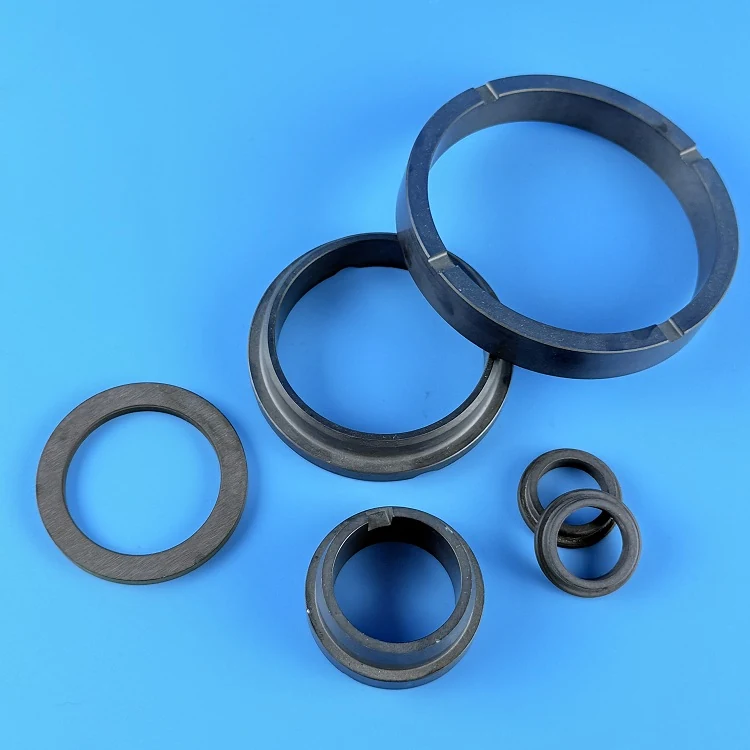
SSIC SiC PartsSIC Silicon Carbide Ceramic Ring CylinderSeal faces and sleeves ground to plus or minus 0.005 mmView specifications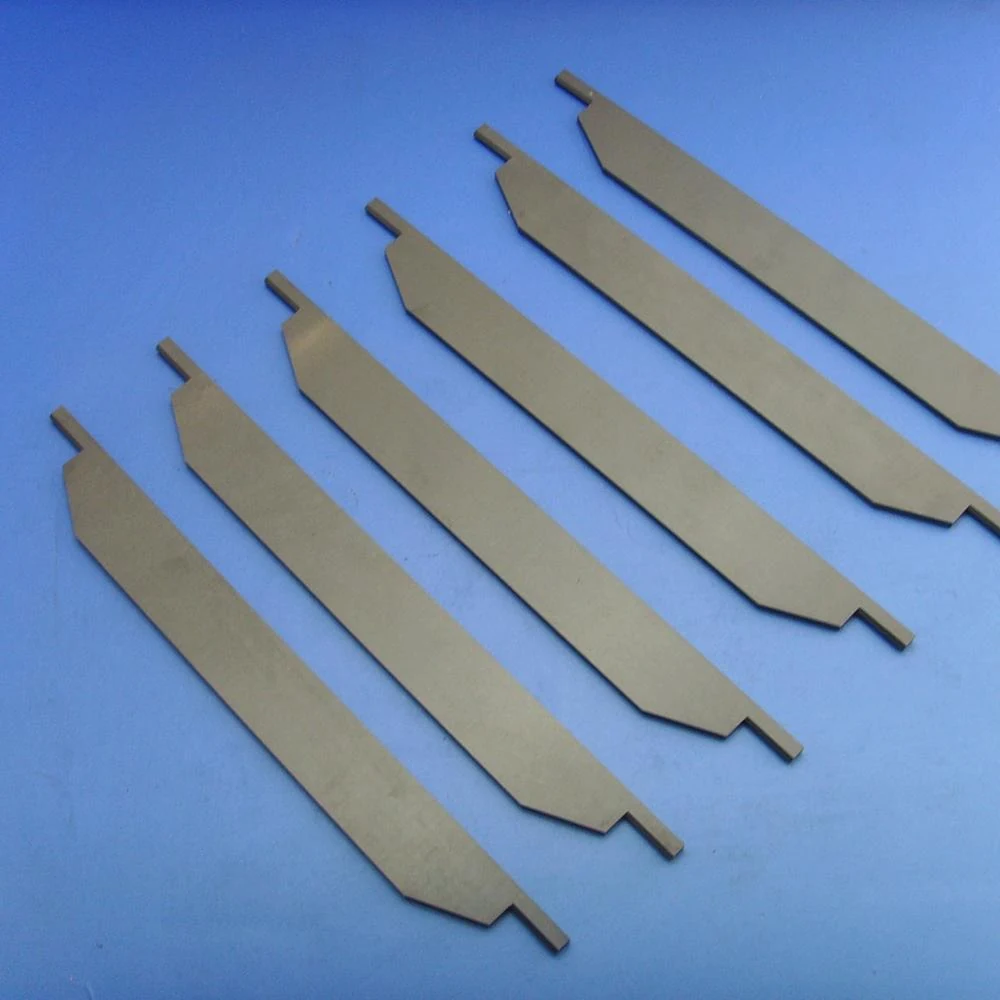 Ceramic BladesSi3N4 Silicon Nitride Ceramic Blade KnifeBlack blades for hot cutting and rapid temperature changeView specifications
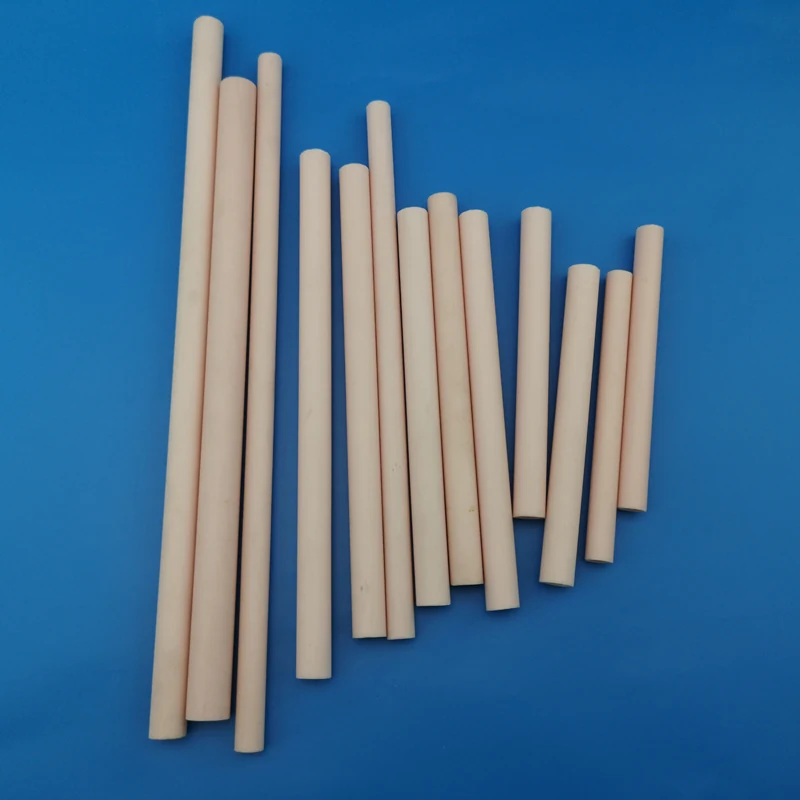 Al2O3 Alumina Ceramic PartsRefractory Alumina Ceramic TubeWork tubes thermocouple sheaths and element supports to 1650 degrees CView specifications
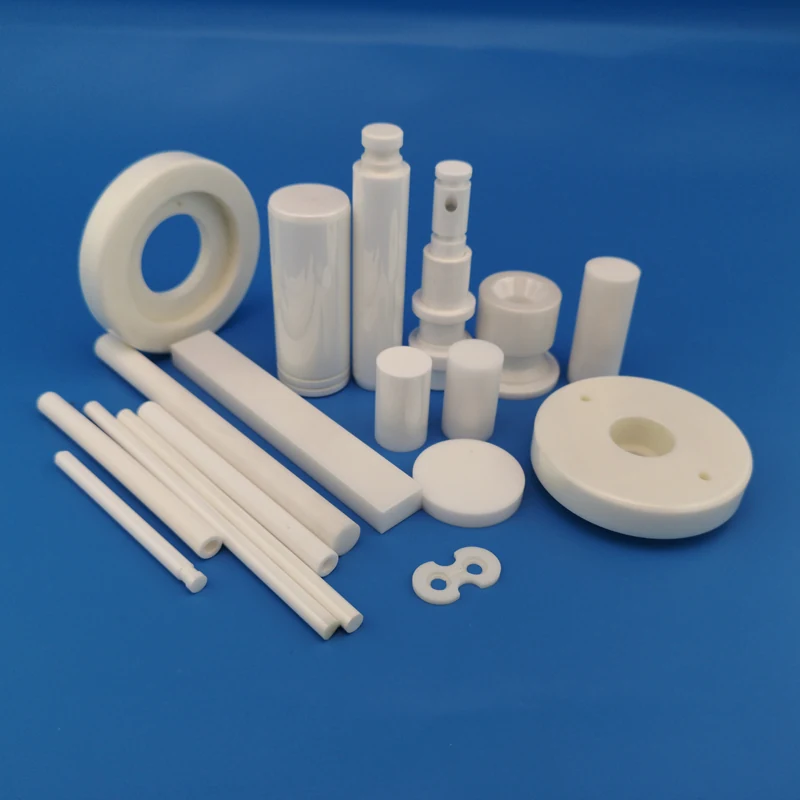 Zirconia Ceramic PartsZirconia Ceramic Structural PartsLoad bearing ceramic components where steel wears and plastic deflectsView specifications
Typical Application Scenarios
Seal faces and sleeves in chemical transfer pumps
Hot cutting and scraping components in process equipment
Protection tubes for temperature measurement in corrosive atmospheres
Structural components inside corrosive process machinery
How a Part Gets Delivered
1. Drawing Review
Send a 2D or 3D drawing. We look at the features that drive cost: wall thickness, internal corners, ground versus as fired surfaces, and which dimensions are truly critical.
2. Material Selection
We propose a body from zirconia, alumina, steatite, silicon carbide or silicon nitride based on the temperature, the medium and whether the part takes impact.
3. Quotation
The quotation states the material, the achievable tolerances, the minimum order and the lead time before any tooling is committed.
4. Sample
Samples are delivered in 4 to 7 working days, free of charge with freight paid by the buyer.
5. Production
Forming, sintering, surface grinding, internal and external diameter grinding and precision CNC machining are all carried out in house.
6. Inspection and Shipping
Parts are inspected to your drawing with a report issued, and the packing and shipping process is photographed for your records.
Chemical and Petroleum FAQ
Which body resists acid at high temperature?
Silicon carbide and silicon nitride both offer good chemical stability and resist acid corrosion at high temperatures.
Can alumina tubes be used in a corrosive furnace atmosphere?
Yes. Alumina tubes are used in high corrosive high temperature environments such as thermal power, rated to 1650 degrees C.
Do ceramic parts contaminate the process stream?
Alumina and zirconia are chemically inert and insoluble in water, which is why they are used in chemical and food duty.
Tell Us What Is Failing
Send the part, the duty and the interval it currently survives. We come back with a material and a trial quantity.
Send a 2D or 3D drawing by WhatsApp or email. Samples in 4 to 7 working days.