
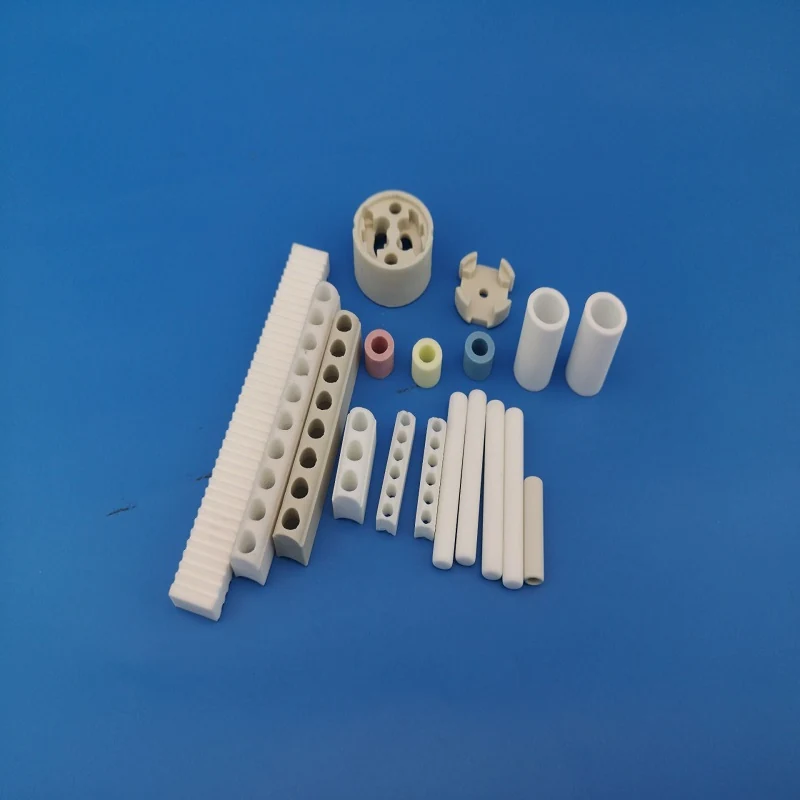
Product Family
Steatite Ceramic Parts
Talc based insulators for heating elements sockets and transformers
The 3 Products in This Family
Steatite is made from natural mineral talc, 3MgO 4SiO2 H2O, with clay and BaTiO3 additions. It is the standard body for electrical insulation because the volume resistivity holds up at elevated temperature and the dielectric loss stays low. Parts run from single beads up to strips, channels, bricks, knuckles, tiles and blocks with a working temperature of 1100 degrees.
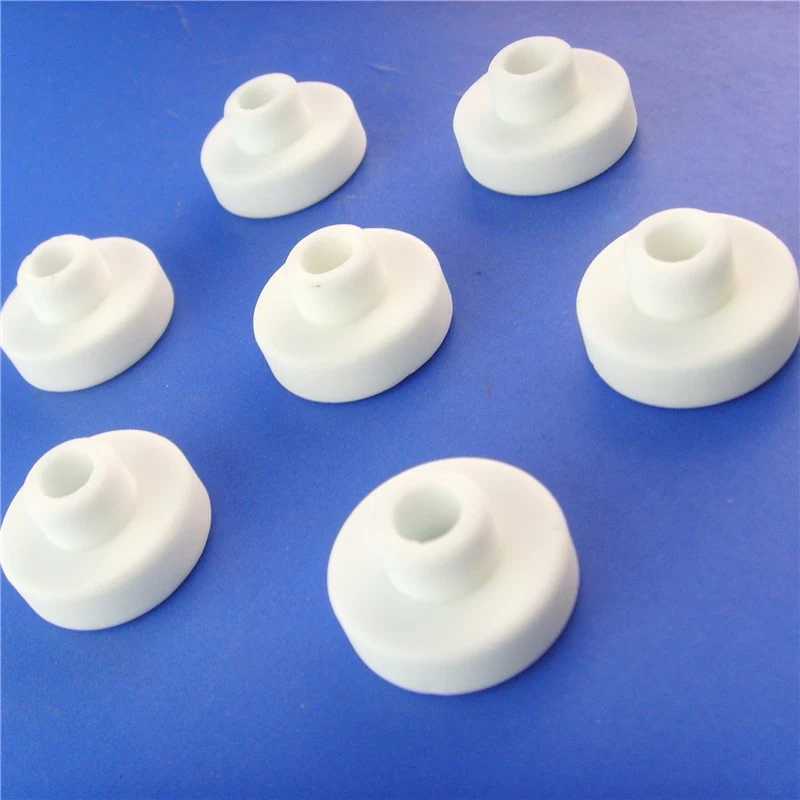 Steatite Ceramic PartsSteatite Ceramic Beads and BushingsTalc based insulators for element supports and terminal workView specifications
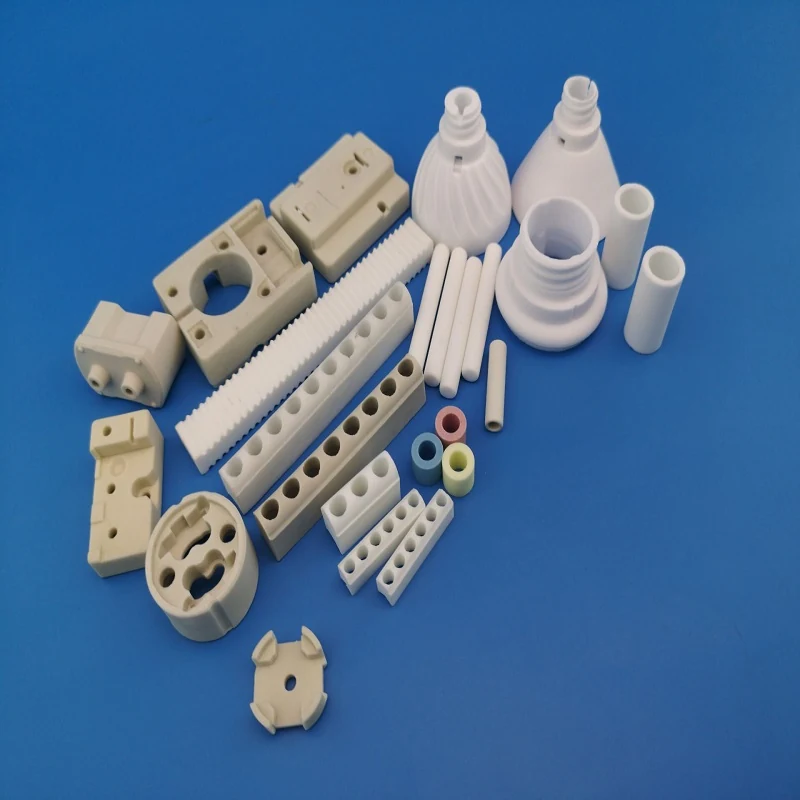 Steatite Ceramic PartsSteatite Ceramic InsulatorSticks strips channels and blocks rated for 1100 degree serviceView specifications
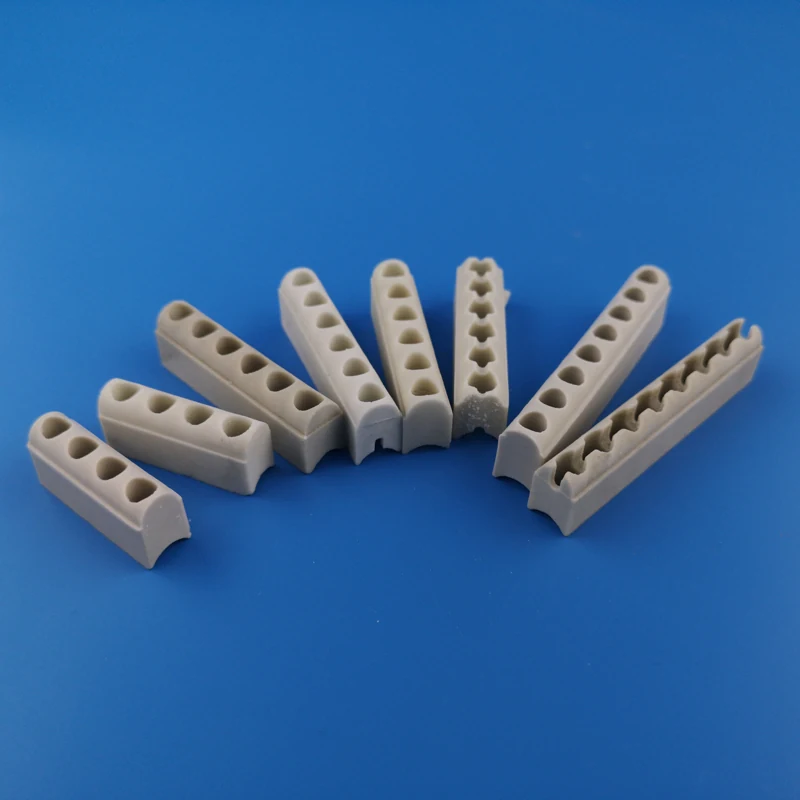 Steatite Ceramic PartsIndustrial Ceramic Insulator Heating Ring Ceramic StripOne to eight hole strips for flexible ceramic pad heatersView specifications
Problems This Family Solves
- Insulators losing resistivity as soon as the assembly reaches working temperature
- Rigid insulating tubes that cannot follow a coiled or bent heating element
- Sourcing several different insulator shapes from several different suppliers
Core Advantages
- High volume resistivity retained at elevated temperature
- Low dielectric loss factor so the insulator does not heat itself
- Seven form families cover most heater socket and terminal geometries
- Good thermal conductivity, so the insulator does not block the heat path
Who Buys This Family
Electric heating element manufacturers
Socket and connector makers
Transformer and power supply builders
Lighting equipment manufacturers
Industries That Use These Parts
Related Application Notes
Guides That Cover This Material
Steatite Ceramic Parts FAQ
What temperature can steatite run at?
The working temperature of these steatite insulators is 1100 degrees.
What is steatite made from?
Mineral talc, 3MgO 4SiO2 H2O, as the main raw material, with appropriate amounts of clay and BaTiO3, mixed, ground, formed and sintered at high temperature.
Can you supply fish spine insulators?
Yes. Bush, bead and fish spine forms are standard, and custom shapes are made from drawing.
When should I move from steatite to alumina?
Above the steatite service range, or where the part also has to resist abrasion.
Other Product Families
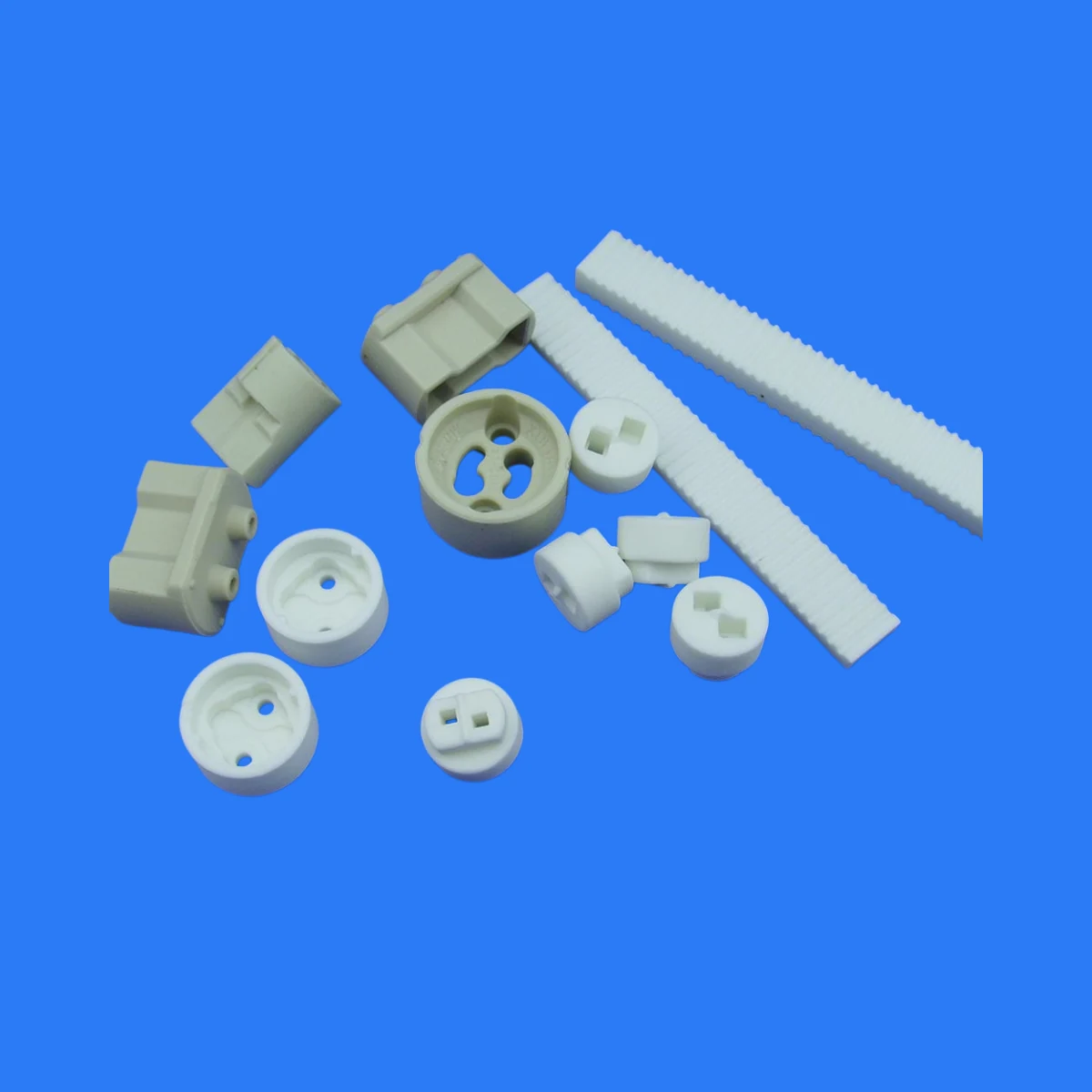 Al2O3 Alumina Ceramic PartsThe general purpose technical ceramic for wear heat and insulation5 products
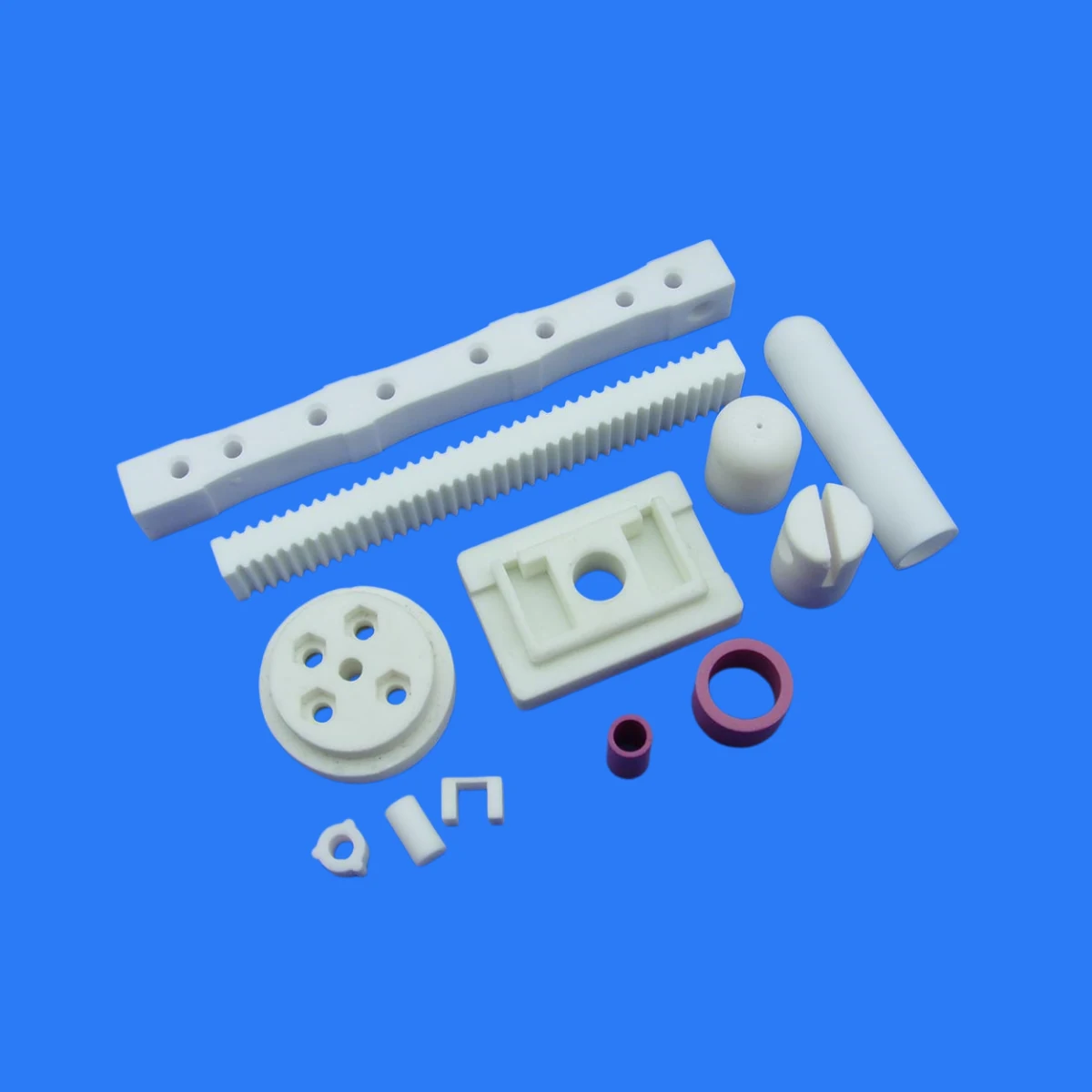 Zirconia Ceramic PartsThe tough ceramic for slender loaded and impacted components3 products
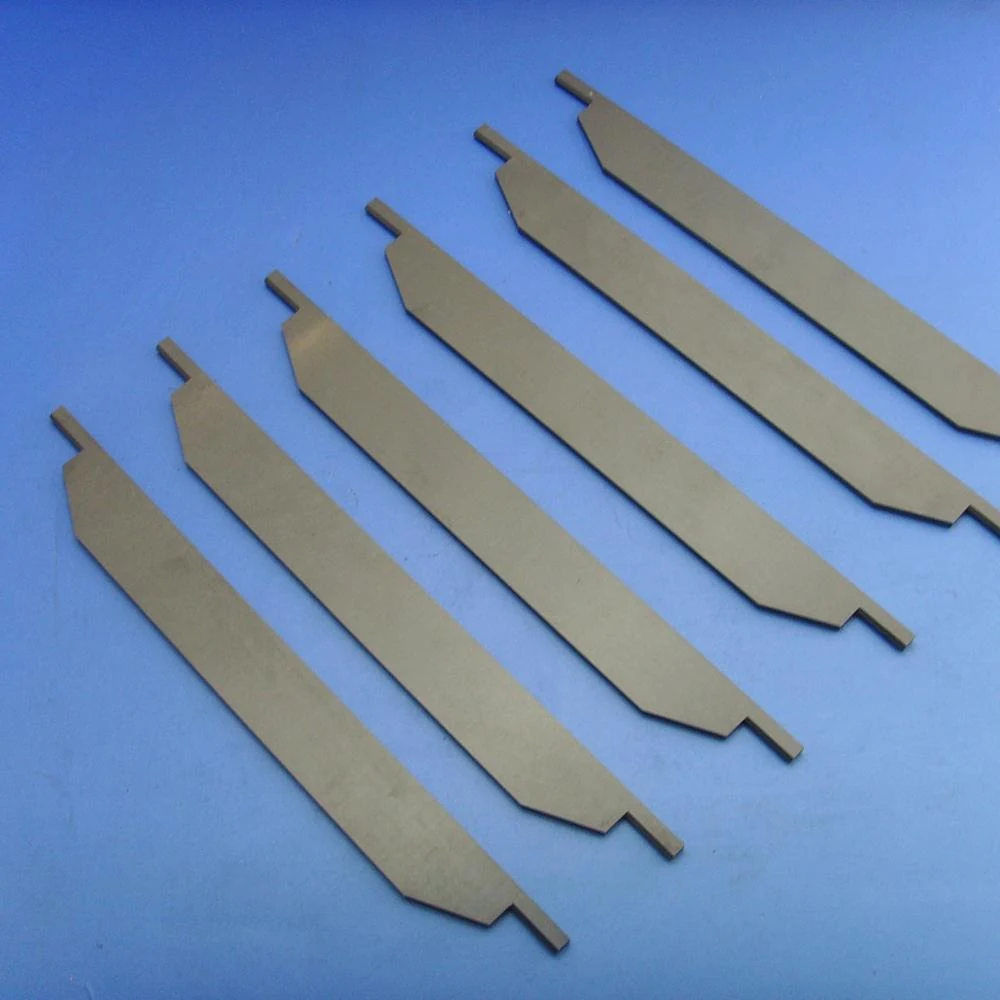 Ceramic BladesZirconia and silicon nitride edges for abrasive hot and hygienic cutting3 products
 Metallized Ceramic PartsMo Mn metallized and plated ceramics ready to braze1 product
Get a Quote on Steatite Ceramic Parts
Send your drawing with the working temperature and the medium. Samples ship in 4 to 7 working days.
Send a 2D or 3D drawing by WhatsApp or email. Samples in 4 to 7 working days.