
Buying Guide
Reading a Technical Ceramic Datasheet Without Getting Misled
Density, hardness and flexural strength are the three numbers that decide whether a ceramic part survives. Here is what each one actually predicts, and what it does not.
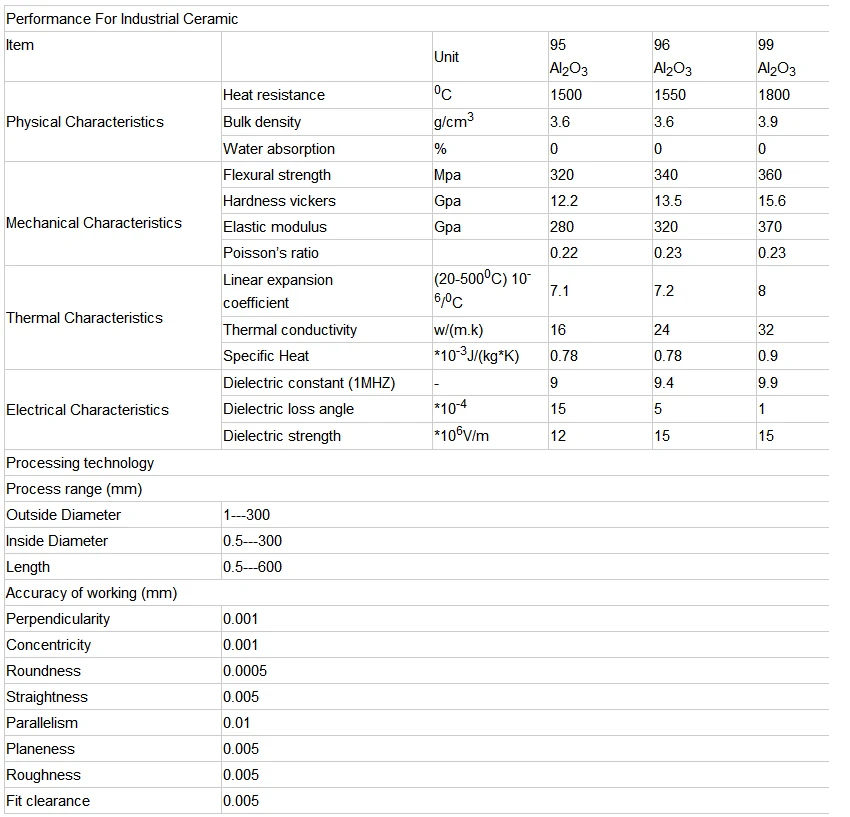
Density Tells You About Porosity
Our 99% alumina is 3.85 g/cm3 with zero water absorption and zero gas permeability, and our zirconia is 6.0 g/cm3 with the same zero figures. A low density figure for a given body usually means residual porosity, which shows up as leaks and as early fracture.
Hardness Predicts Wear Not Strength
Alumina at Mohs grade 9 and 92 HRA is harder than zirconia at Mohs 8.2, yet zirconia is the material you use for a slender loaded part. Hardness predicts abrasion resistance. It says nothing about whether the part will snap.
Flexural Strength Predicts Fracture
330 MPa on 99% alumina against 800 MPa on zirconia is the number that decides whether a thin section survives. If your part is long, thin or loaded in bending, this is the line on the datasheet to read first.
Thermal Shock Is a Separate Question
A thermal shock resistance of 200 delta T degrees C on alumina means the body tolerates a 200 degree step. Silicon nitride is specified where rapid temperature change is normal service rather than an exception.
Electrical Figures Are Grade Specific
A dielectric strength above 10 kV/mm and volume resistivity above 10^14 ohm cm belong to the 99% alumina body. Do not carry those numbers across to a 95% body or a different supplier's grade.
Products Covered in This Guide
 Al2O3 Alumina Ceramic Parts99% Al2O3 Alumina Ceramic Sheet Blank PlateSingle piece minimum order for wear plates and insulating blanksView specifications
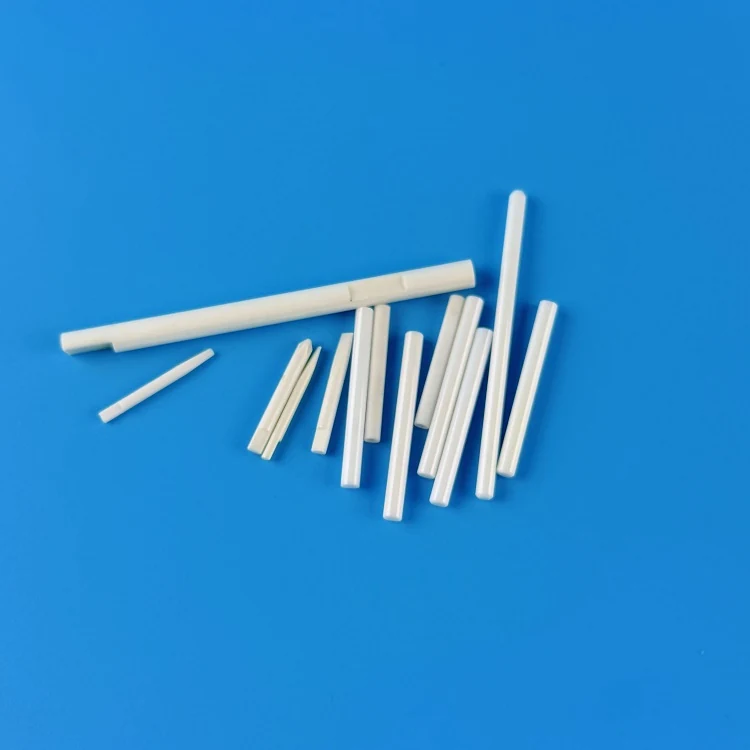 Zirconia Ceramic PartsZirconia Ceramic Rod94.4 percent zirconia rod with 0.5 micron crystal size and low minimum orderView specifications
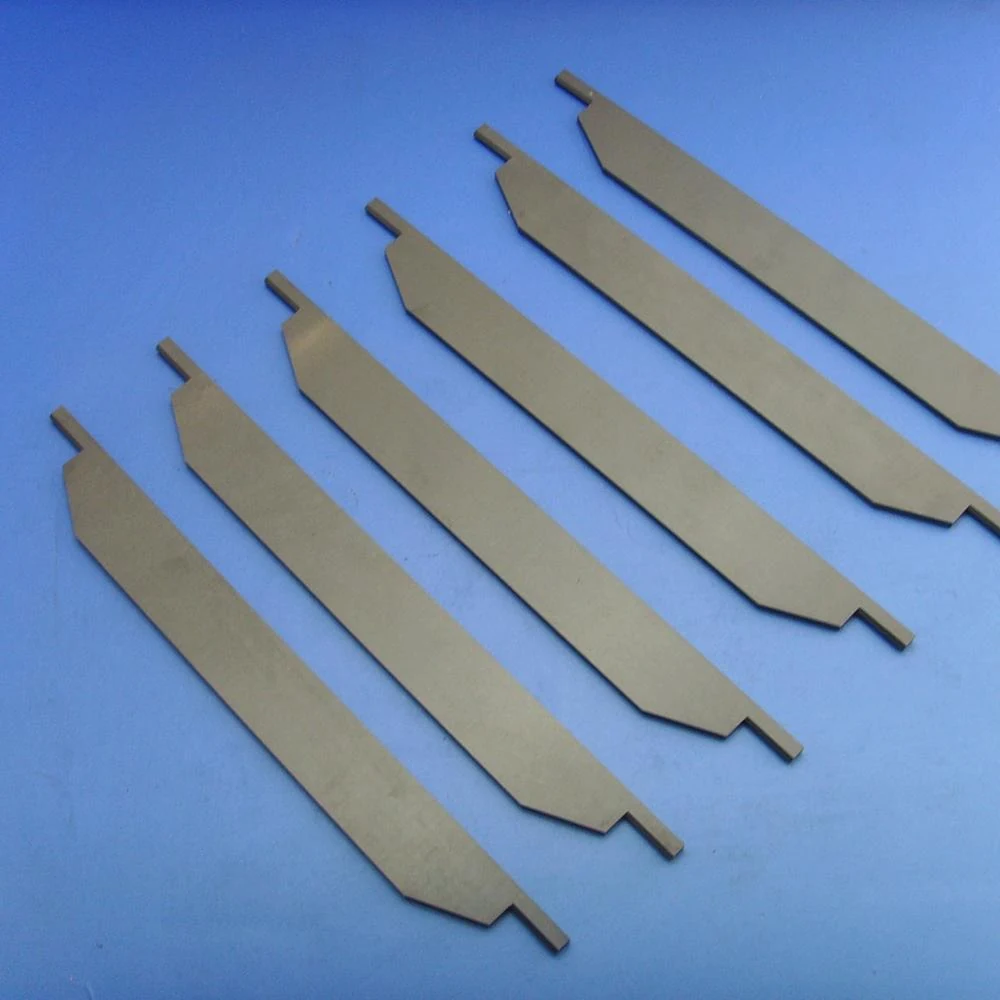 Ceramic BladesSi3N4 Silicon Nitride Ceramic Blade KnifeBlack blades for hot cutting and rapid temperature changeView specifications
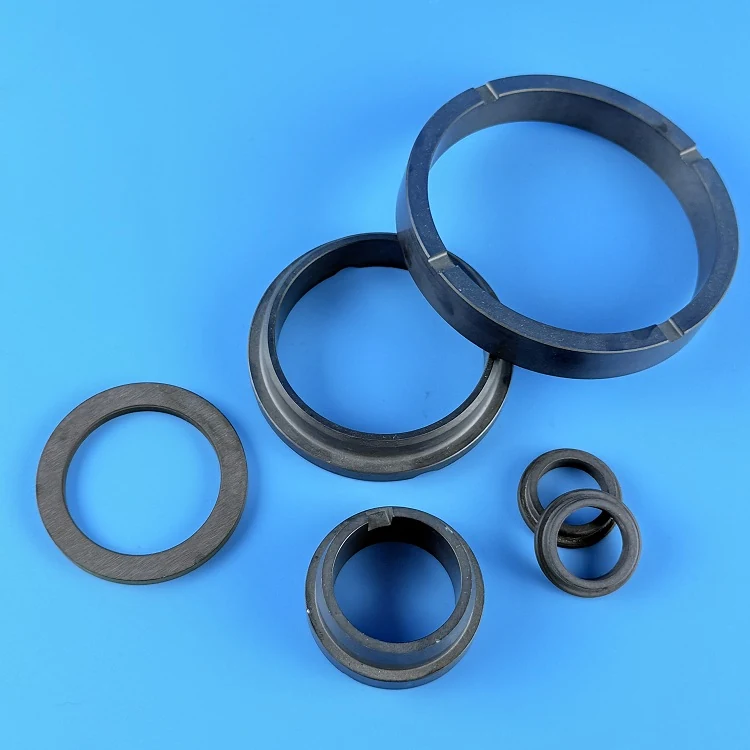 SSIC SiC PartsSIC Silicon Carbide Ceramic Ring CylinderSeal faces and sleeves ground to plus or minus 0.005 mmView specifications
Questions About This Topic
Which single number matters most?
Flexural strength if the part is slender or loaded in bending, hardness if the part is thick and the enemy is abrasion.
Does higher density always mean better?
Within one material body, yes, because it means less residual porosity. Across different bodies it means nothing, since zirconia is naturally far denser than alumina.
Can I use your published figures in my own design calculation?
Use them as the grade specification and confirm the critical values with us against your actual drawing before finalising a design.
More Guides
 Comparison GuideZirconia vs Alumina How to Choose the Right Technical CeramicAlumina is harder and cheaper. Zirconia is tougher and stronger. The choice comes down to section thickness, impact and whether the duty is thermal or mechanical.Material GuideAlumina Ceramic Grades 95 Percent and 99 Percent ComparedThe purity number changes strength, dielectric behaviour and price. Here is what the 99% body actually gives you over 95%, with the measured values from our own material data.
 Material GuideSteatite Ceramic Explained Talc Based InsulatorsSteatite is the body inside most electric heating equipment. It is made from mineral talc, it holds resistivity when hot, and it costs less than alumina.
Apply This to Your Part
Send the drawing and the duty. We will confirm the body and the achievable tolerance before you commit to anything.
Send a 2D or 3D drawing by WhatsApp or email. Samples in 4 to 7 working days.