
Industry
Ceramic Insulators for Electric Heating Equipment
Polymer and low grade insulation distorts or loses resistivity once the heater is at temperature
Where It Goes Wrong
- Polymer and low grade insulation distorts or loses resistivity once the heater is at temperature
- Rigid insulating tubes cannot follow a coiled element
- Metal heating elements oxidise and fail well before the equipment does
What Buyers Ask For
- Insulators rated for continuous service at the actual element temperature
- Bead and fish spine forms that follow a bent or coiled element
- Heating strips matched to 30 V, 60 V and 80 V pad heater designs
Parts We Supply Into Electric Heating Equipment
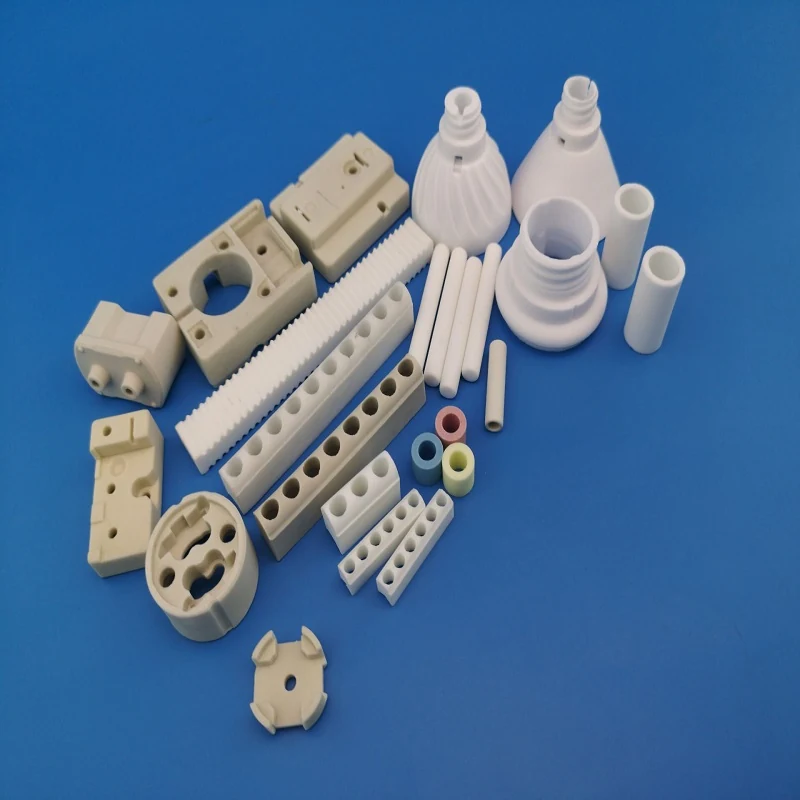
Steatite Ceramic PartsSteatite Ceramic InsulatorSticks strips channels and blocks rated for 1100 degree serviceView specifications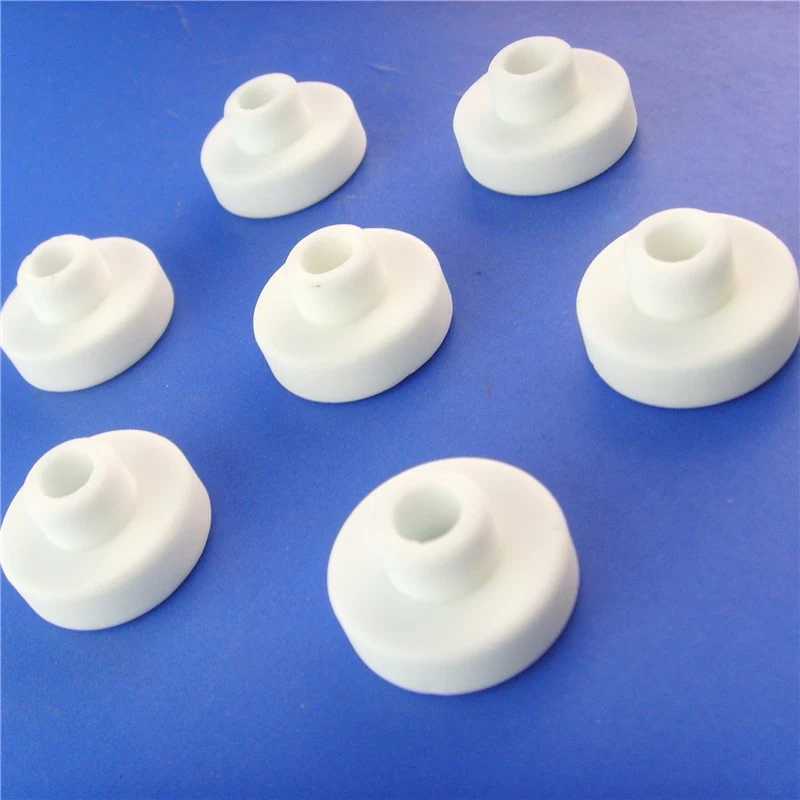 Steatite Ceramic PartsSteatite Ceramic Beads and BushingsTalc based insulators for element supports and terminal workView specifications
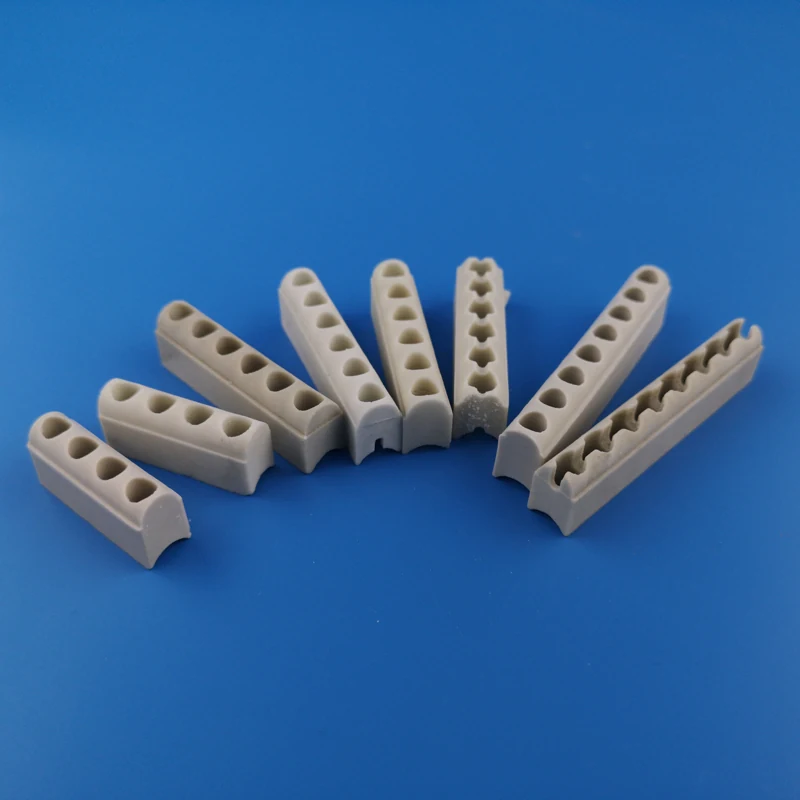 Steatite Ceramic PartsIndustrial Ceramic Insulator Heating Ring Ceramic StripOne to eight hole strips for flexible ceramic pad heatersView specifications
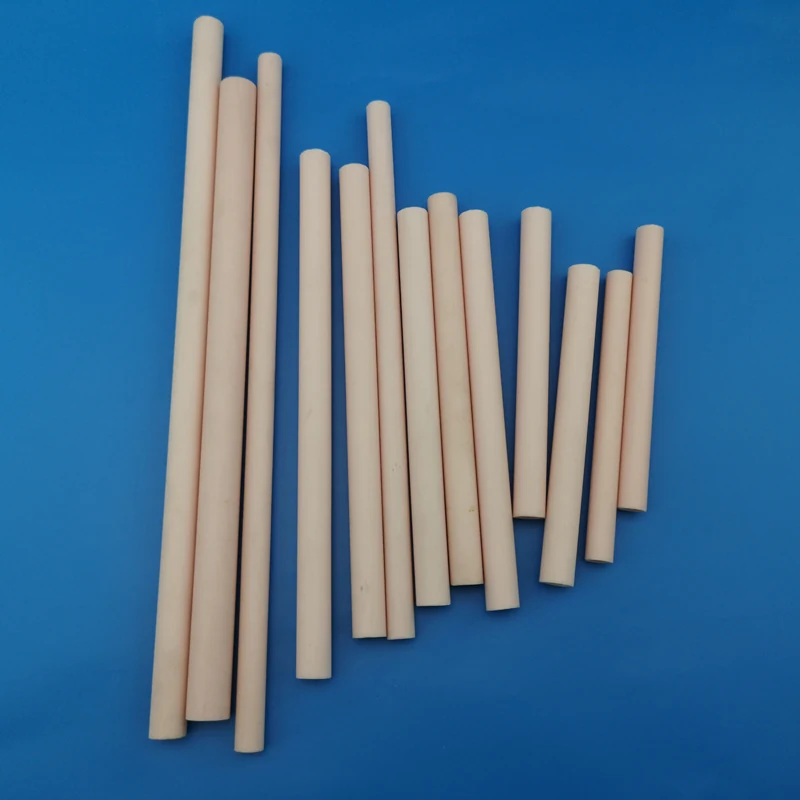 Al2O3 Alumina Ceramic PartsRefractory Alumina Ceramic TubeWork tubes thermocouple sheaths and element supports to 1650 degrees CView specifications
Typical Application Scenarios
Element supports and terminal insulation inside electric heaters
Flexible ceramic pad heaters at 30 V, 60 V and 80 V
High grade and special industry sockets
Power supplies, transformers and instrument assemblies
How a Part Gets Delivered
1. Drawing Review
Send a 2D or 3D drawing. We look at the features that drive cost: wall thickness, internal corners, ground versus as fired surfaces, and which dimensions are truly critical.
2. Material Selection
We propose a body from zirconia, alumina, steatite, silicon carbide or silicon nitride based on the temperature, the medium and whether the part takes impact.
3. Quotation
The quotation states the material, the achievable tolerances, the minimum order and the lead time before any tooling is committed.
4. Sample
Samples are delivered in 4 to 7 working days, free of charge with freight paid by the buyer.
5. Production
Forming, sintering, surface grinding, internal and external diameter grinding and precision CNC machining are all carried out in house.
6. Inspection and Shipping
Parts are inspected to your drawing with a report issued, and the packing and shipping process is photographed for your records.
Application Notes
Electric Heating Equipment FAQ
What working temperature do the steatite insulators carry?
1100 degrees.
How hot can the ceramic heating strips run?
Maximum working temperature is 1650 degrees C, or 3000 degrees F, with stable operation from 1000 to 1800 degrees C.
Can you make the bead pitch to our element design?
Yes. Send the conductor diameter, the bead count and the pitch with your drawing.
Tell Us What Is Failing
Send the part, the duty and the interval it currently survives. We come back with a material and a trial quantity.
Send a 2D or 3D drawing by WhatsApp or email. Samples in 4 to 7 working days.