
Application Note
Application Note Ceramic Blades on Abrasive Slitting Lines
This note compares the two ceramic blade bodies we make for converting and slitting duty. It is written from product data and is not an account of a specific customer installation.
The Engineering Challenge
Filled films, glass loaded tapes and foil laminates dull steel blades quickly, and blade changes dominate downtime. Ceramic solves the wear problem but introduces a new question: which ceramic, and at what temperature.
Pain Points This Addresses
- Frequent blade changes on abrasive or filled web
- Metal pickup contaminating food or medical product lines
- Ceramic blades cracking when the line stops and the blade cools quickly
The Specification We Propose
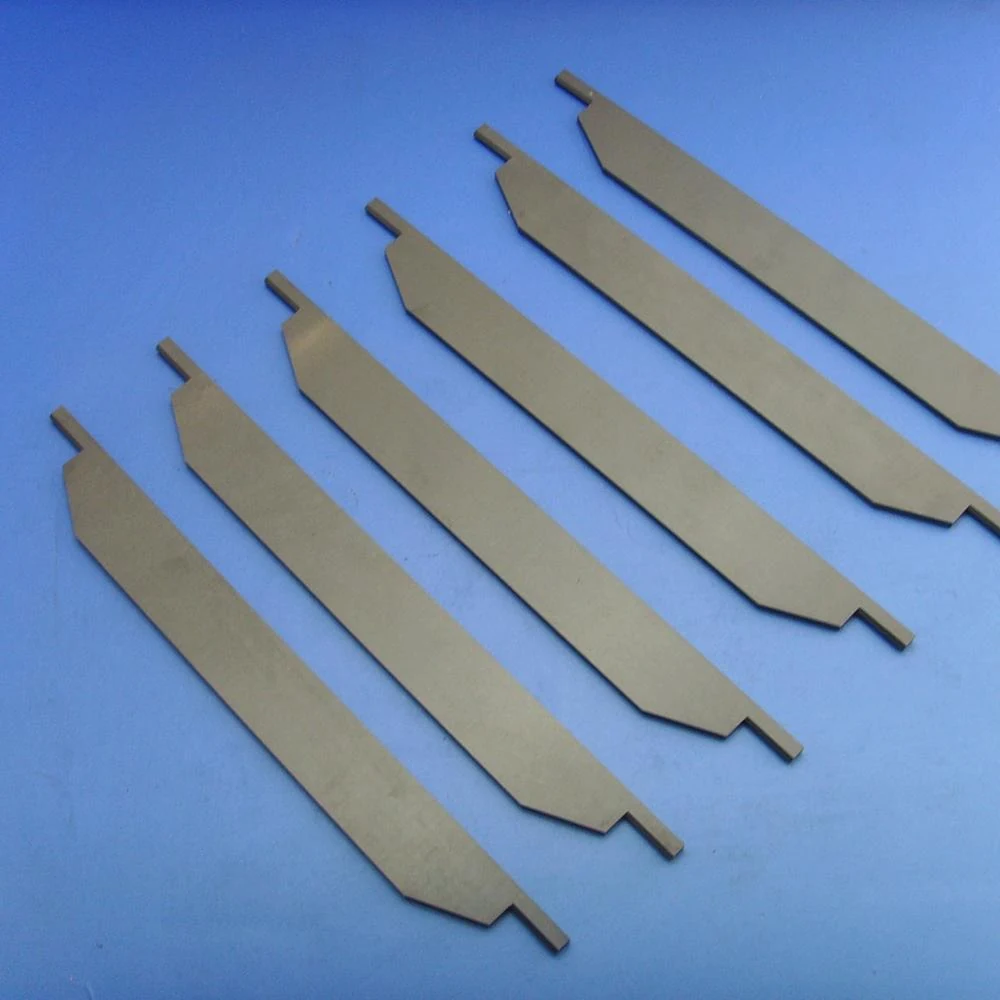
Zirconia blades at 800 MPa flexural strength and Mohs 8.2 are the tough, non-magnetic option for cold cutting, from a minimum of 10 pieces. Silicon nitride blades are the black body for hot cutting: 1200 degree temperature resistance with the thermal shock behaviour that survives a cold restart.
How the Part Is Made
- Confirm the web material and whether the cut runs hot
- Select zirconia for cold duty or silicon nitride for hot and cycling duty
- Match the blade outline, bore and edge angle to the existing holder
- Trial from 10 pieces before committing to a full line set
Quality Control
Edge condition and blade thickness are inspected against the drawing before packing, with an inspection report issued on request.
What You End Up With
The blade choice becomes a documented decision based on temperature and duty rather than a trial and error swap, and the trial runs at 10 pieces instead of a full line set.
This note is written from our published product data. It does not describe a named customer project and no client results are claimed.
Products Referenced in This Note
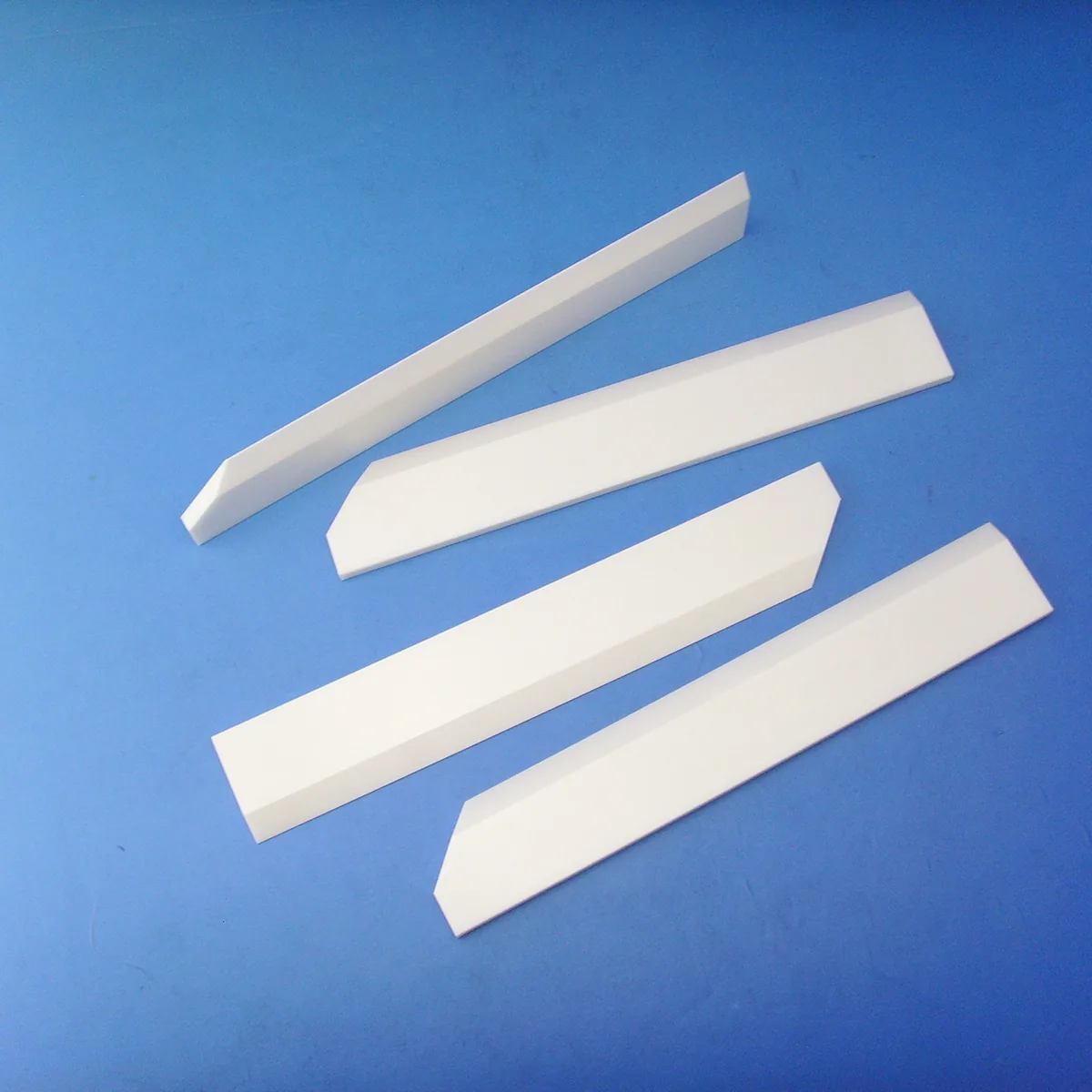 Ceramic BladesPrecision Zirconia ZrO2 Ceramic BladeNon-magnetic slitting blades that hold an edge against abrasive webView specificationsCeramic BladesSi3N4 Silicon Nitride Ceramic Blade KnifeBlack blades for hot cutting and rapid temperature changeView specifications
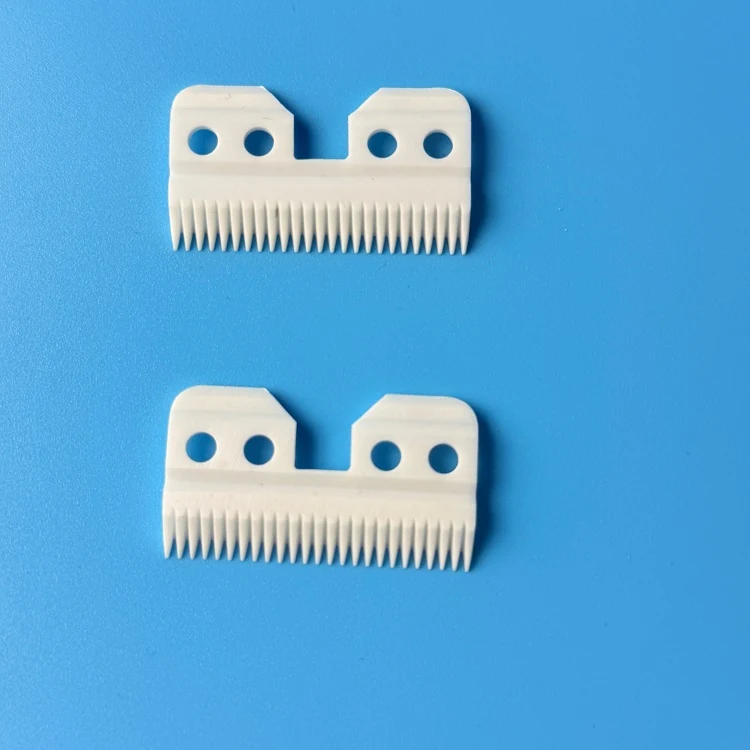 Ceramic BladesZirconia Ceramic Replacement Clipper BladeSize 18th and 25th blades with up to five times the life of steelView specifications
Related Pages
Apply This to Your Own Part
Send the drawing or the worn component. We will come back with the material, the tolerance and the trial quantity.
Send a 2D or 3D drawing by WhatsApp or email. Samples in 4 to 7 working days.