
Comparison Guide
Zirconia vs Alumina How to Choose the Right Technical Ceramic
Alumina is harder and cheaper. Zirconia is tougher and stronger. The choice comes down to section thickness, impact and whether the duty is thermal or mechanical.
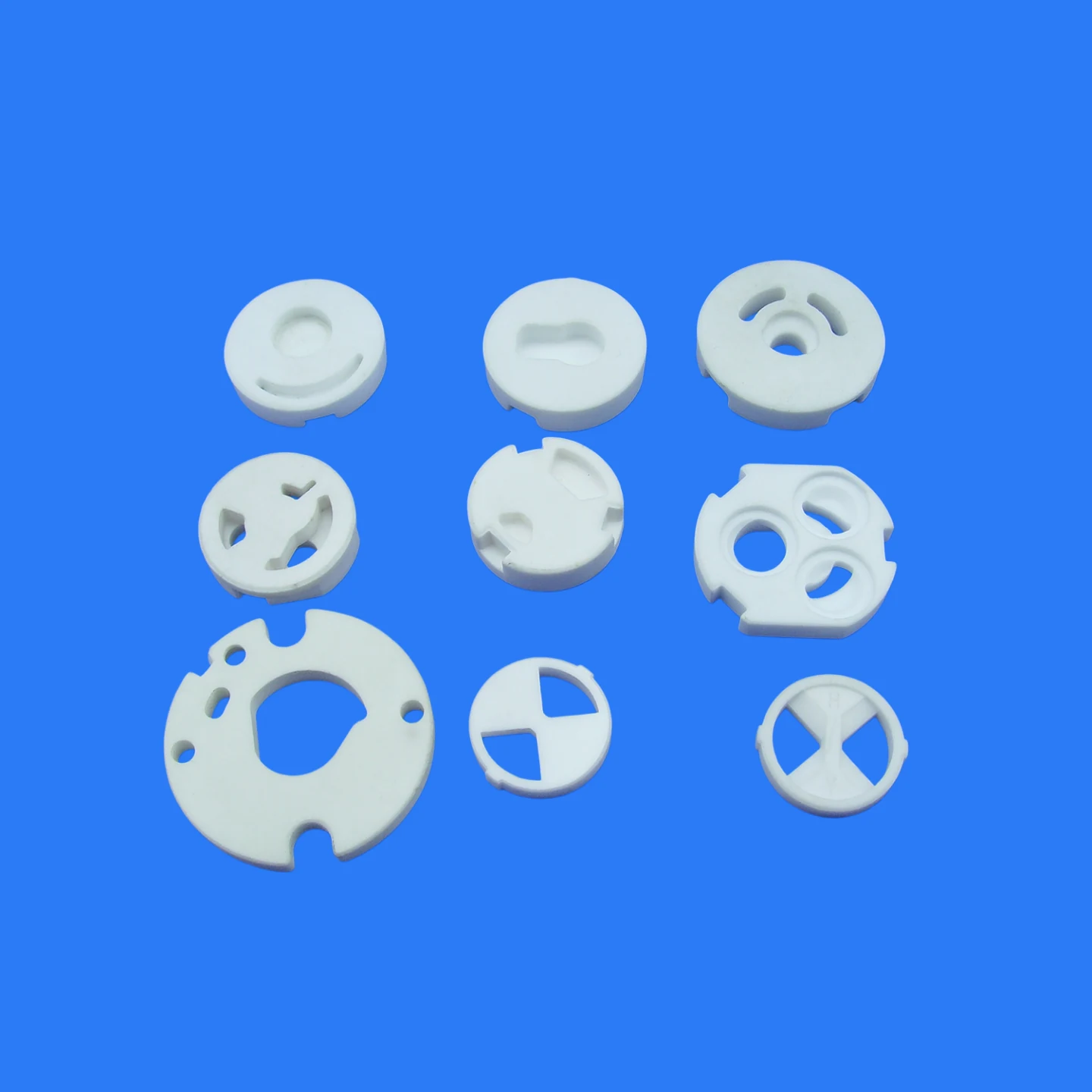
The Numbers That Matter
Our 99% alumina body runs 3.85 g/cm3 with 330 MPa flexural strength, 2000 MPa compressive strength and Mohs grade 9 hardness. Our zirconia runs 6.0 g/cm3 with 800 MPa flexural strength and Mohs hardness 8.2. Zirconia is softer and heavier, and more than twice as strong in bending.
Choose Alumina When
The duty is thermal or dielectric and the section is generous. Alumina reaches 1650 degrees C, carries 27.5 W/m K thermal conductivity, has a dielectric strength above 10 kV/mm and costs less. Tubes, substrates, insulating plates and wear rings are alumina jobs.
Choose Zirconia When
The part is slender, takes impact, or is press fitted. A long thin alumina rod snaps in handling. The same rod in zirconia survives. Plungers, guide rods, blades and structural parts are zirconia jobs.
What About Silicon Carbide and Silicon Nitride
Silicon carbide when abrasion and heat arrive together, ground to plus or minus 0.005 mm for seal faces. Silicon nitride when the part cycles between hot and cold, rated to 1200 degrees with strong thermal shock resistance.
A Practical Test
Ask what would break the part first. If the answer is wear, go alumina or silicon carbide. If the answer is a knock during assembly or a stress concentration at a fit, go zirconia.
Products Covered in This Guide
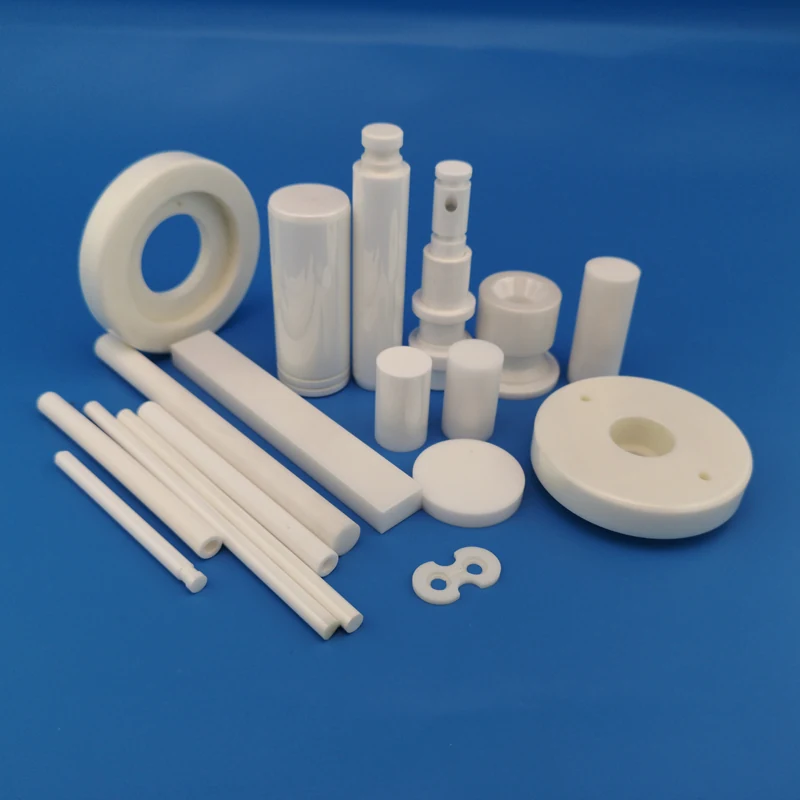 Zirconia Ceramic PartsZirconia Ceramic Structural PartsLoad bearing ceramic components where steel wears and plastic deflectsView specifications
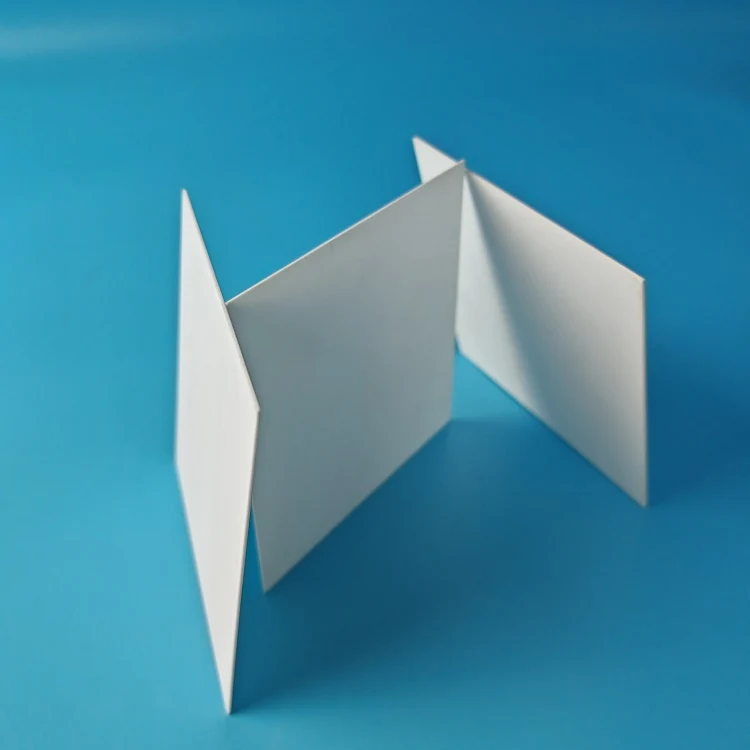 Al2O3 Alumina Ceramic Parts99% Al2O3 Alumina Ceramic Sheet Blank PlateSingle piece minimum order for wear plates and insulating blanksView specifications
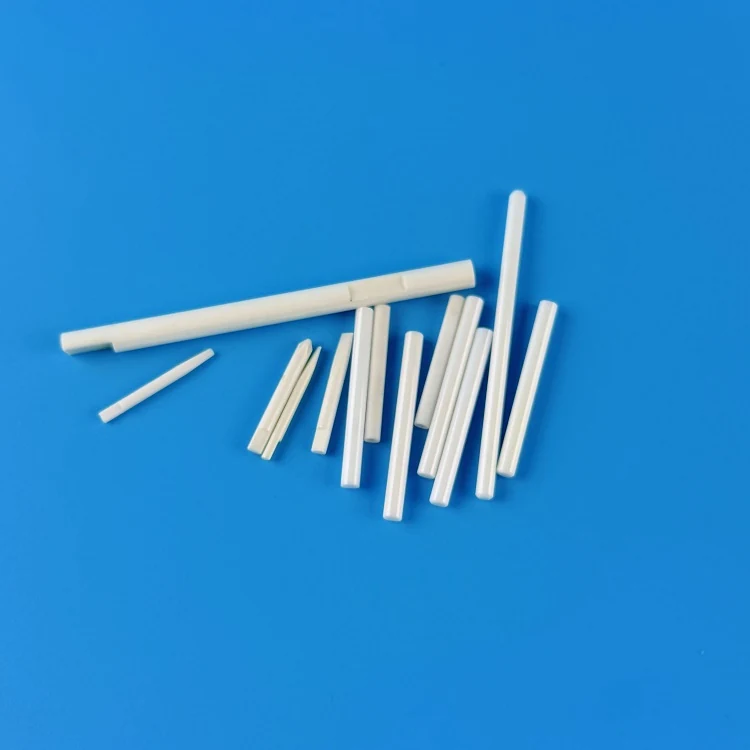 Zirconia Ceramic PartsZirconia Ceramic Rod94.4 percent zirconia rod with 0.5 micron crystal size and low minimum orderView specifications
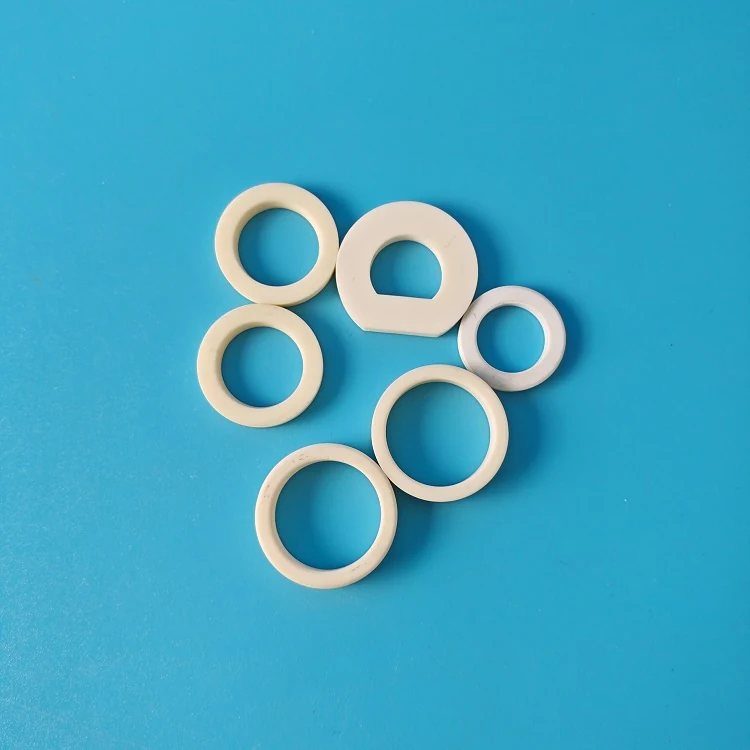 Al2O3 Alumina Ceramic Parts99% 95% Al2O3 Alumina Ceramic RingWear rings and insulating collars machined to your drawingView specifications
Questions About This Topic
Is zirconia always better than alumina?
No. Zirconia is tougher and stronger but softer, heavier and more expensive. For thermal and dielectric duty in generous sections alumina is the better engineering choice.
Which is harder?
Alumina, at Mohs grade 9 against Mohs 8.2 for zirconia.
Which one for a thin plate?
For a thin plate that will be handled or clamped, zirconia. For a thin plate that has to insulate and conduct heat away, alumina.
More Guides
Material GuideAlumina Ceramic Grades 95 Percent and 99 Percent ComparedThe purity number changes strength, dielectric behaviour and price. Here is what the 99% body actually gives you over 95%, with the measured values from our own material data.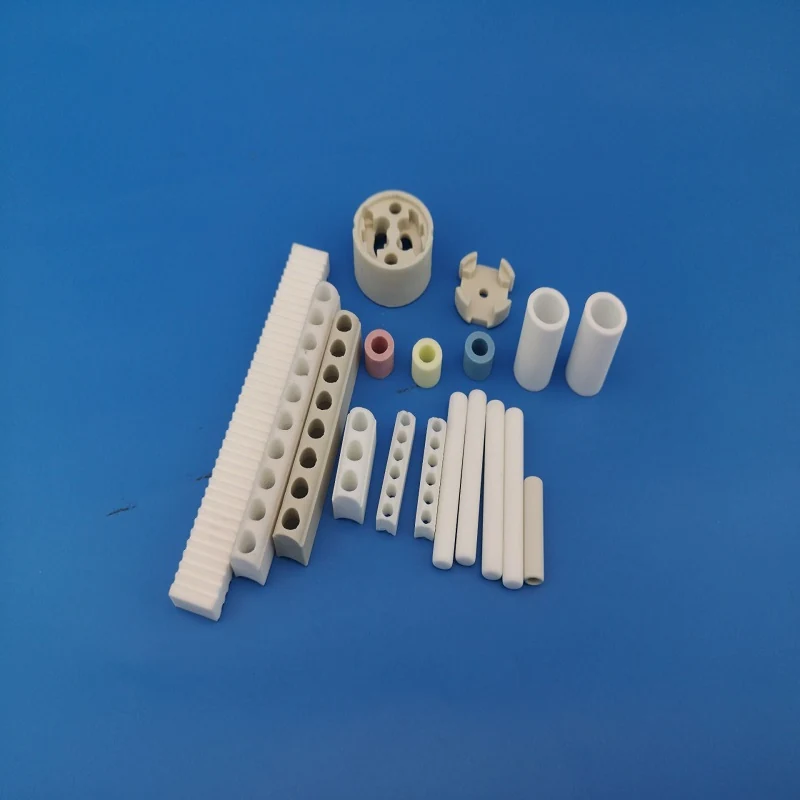 Material GuideSteatite Ceramic Explained Talc Based InsulatorsSteatite is the body inside most electric heating equipment. It is made from mineral talc, it holds resistivity when hot, and it costs less than alumina.
 Process GuideHow Ceramic to Metal Metallizing and Brazing WorksBraze alloy does not wet bare ceramic. The joint is made possible by a fired molybdenum manganese layer and a plated finish, and those two layers are where hermetic joints succeed or fail.
Apply This to Your Part
Send the drawing and the duty. We will confirm the body and the achievable tolerance before you commit to anything.
Send a 2D or 3D drawing by WhatsApp or email. Samples in 4 to 7 working days.