
Material Guide
Steatite Ceramic Explained Talc Based Insulators
Steatite is the body inside most electric heating equipment. It is made from mineral talc, it holds resistivity when hot, and it costs less than alumina.
What It Is Made From
Mineral talc, 3MgO 4SiO2 H2O, as the main raw material, with appropriate amounts of clay and BaTiO3 added. The mix is ground, formed and sintered at high temperature.
Why It Is Used for Insulation
High electrical resistance, a low dielectric loss factor, high volume resistivity at elevated temperatures, excellent dielectric strength and a low dissipation factor, combined with relatively high mechanical strength for a talc based body.
Working Temperature
The working temperature of our steatite insulators is 1100 degrees, which covers most electric heating assemblies. Above that range the specification moves to alumina.
The Shapes That Exist
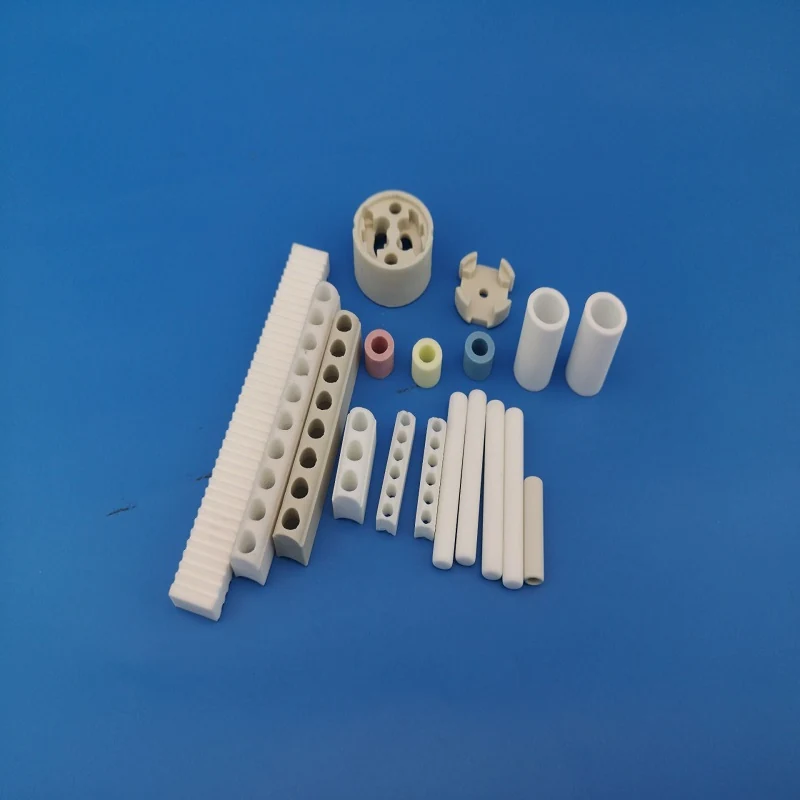
Sticks, strips, channels, bricks, knuckles, tiles and blocks, plus bushes, beads and fish spine forms. The fish spine geometry is what lets an insulated run follow a coiled or bent element.
Where It Goes
Electric heating equipment, power connection, high grade and special industry sockets, power supplies, transformers and instrument assemblies, plus lighting supports, bases and spacers.
Products Covered in This Guide
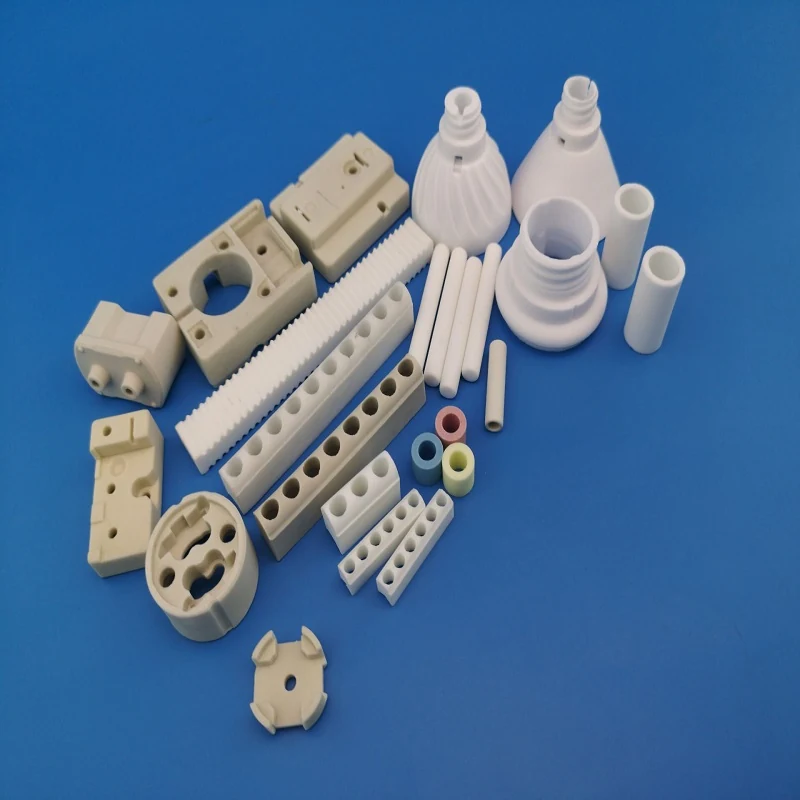 Steatite Ceramic PartsSteatite Ceramic InsulatorSticks strips channels and blocks rated for 1100 degree serviceView specifications
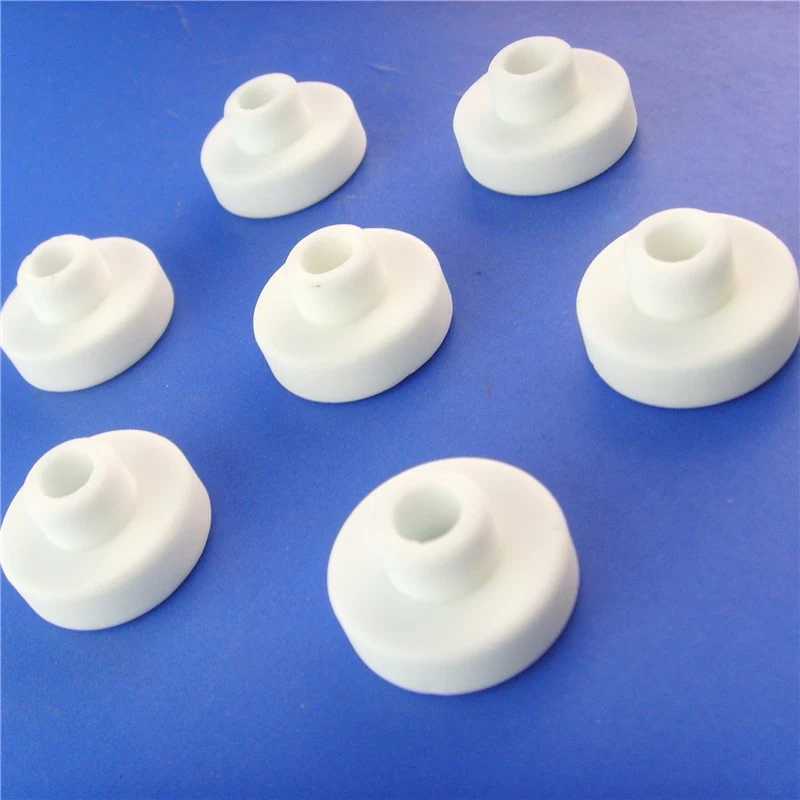 Steatite Ceramic PartsSteatite Ceramic Beads and BushingsTalc based insulators for element supports and terminal workView specifications
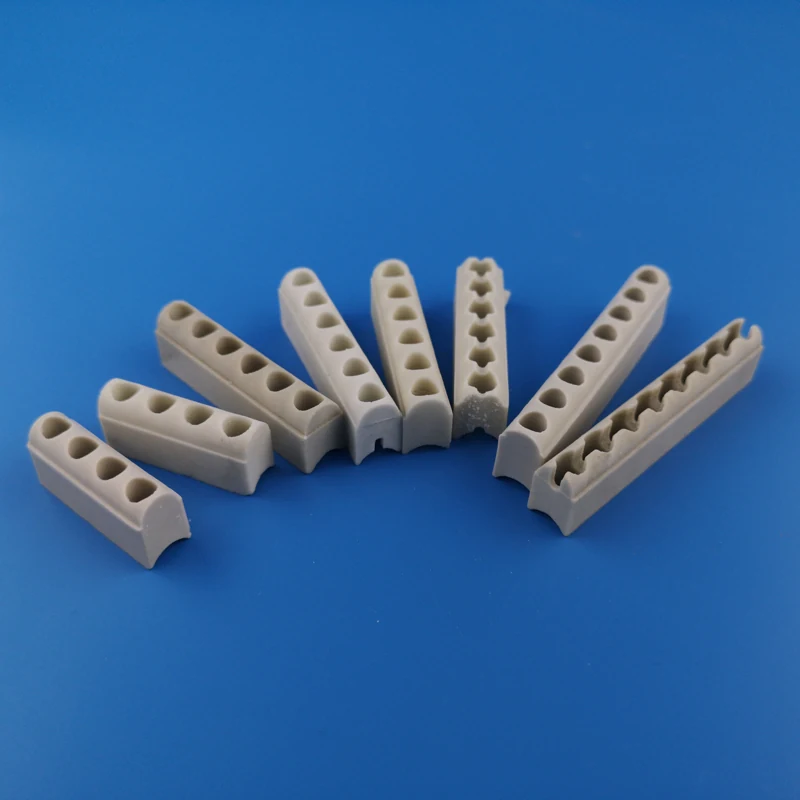 Steatite Ceramic PartsIndustrial Ceramic Insulator Heating Ring Ceramic StripOne to eight hole strips for flexible ceramic pad heatersView specifications
Questions About This Topic
Does steatite insulate as well when hot?
High volume resistivity at elevated temperatures is one of its defining properties, which is why it is used for element supports.
What is a fish spine insulator?
A segmented bead form strung along a conductor so the insulated run can follow a coil or a bend.
When should I use alumina instead?
Above the steatite working range of 1100 degrees, or where the part also has to resist abrasion.
More Guides
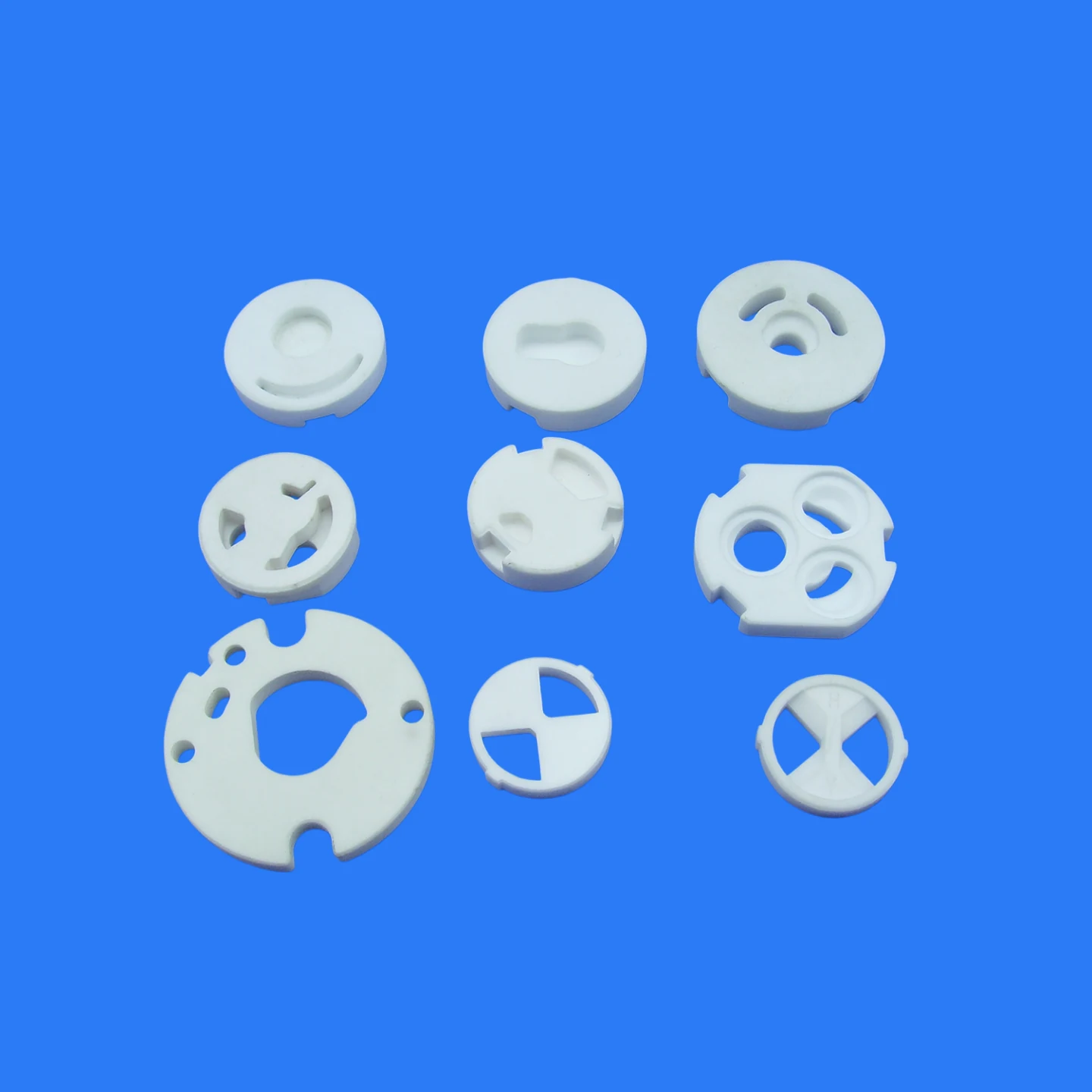 Comparison GuideZirconia vs Alumina How to Choose the Right Technical CeramicAlumina is harder and cheaper. Zirconia is tougher and stronger. The choice comes down to section thickness, impact and whether the duty is thermal or mechanical.
 Material GuideAlumina Ceramic Grades 95 Percent and 99 Percent ComparedThe purity number changes strength, dielectric behaviour and price. Here is what the 99% body actually gives you over 95%, with the measured values from our own material data.
 Process GuideHow Ceramic to Metal Metallizing and Brazing WorksBraze alloy does not wet bare ceramic. The joint is made possible by a fired molybdenum manganese layer and a plated finish, and those two layers are where hermetic joints succeed or fail.
Apply This to Your Part
Send the drawing and the duty. We will confirm the body and the achievable tolerance before you commit to anything.
Send a 2D or 3D drawing by WhatsApp or email. Samples in 4 to 7 working days.