
Al2O3 Alumina Ceramic Parts
Al2O3 Alumina Ceramic Substrates and Thin Plates
Heat spreading insulating plates from 0.1 mm thickness with laser scribing
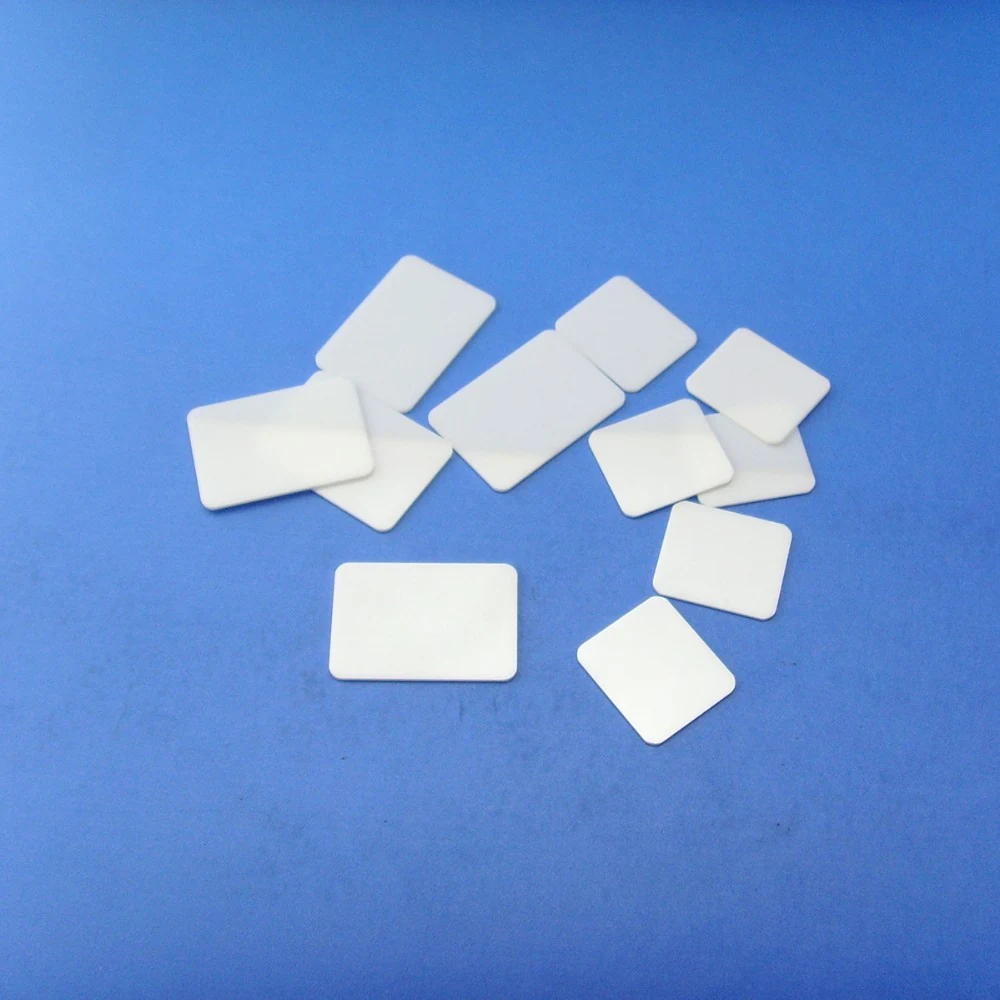
A substrate has to pull heat away from a device while keeping it electrically isolated, and it has to arrive flat and dimensionally correct or the assembly line stops. These alumina substrates run from 0.1 mm to 2.0 mm thick at a density of 3.8 g/cm3, hold a tolerance of plus or minus 0.02 mm, and can be laser scribed to 0.1 to 0.5 mm pulse depth for snap separation. Standard sizes ship in 1 to 2 days from stock.
Key Benefits
- Standard sizes in stock ship in 1 to 2 days, custom sizes in 5 to 7 days
- Tolerance of plus or minus 0.02 mm holds pick and place alignment
- Minimum thickness 0.1 mm for applications where thermal path length matters
- Laser scribing to 0.1 to 0.5 mm depth so panels snap cleanly into singles
- Minimum order quantity of 10 pieces, so prototypes do not need a production commitment
Problems It Solves
- Devices running hot because the isolating layer also blocks the heat path
- Substrate batches arriving out of flatness and jamming automated assembly
- Long lead times on small quantity substrate prototypes
Who It Is For
- Electronics manufacturers prototyping in small quantity
- Power module builders needing tight thickness control
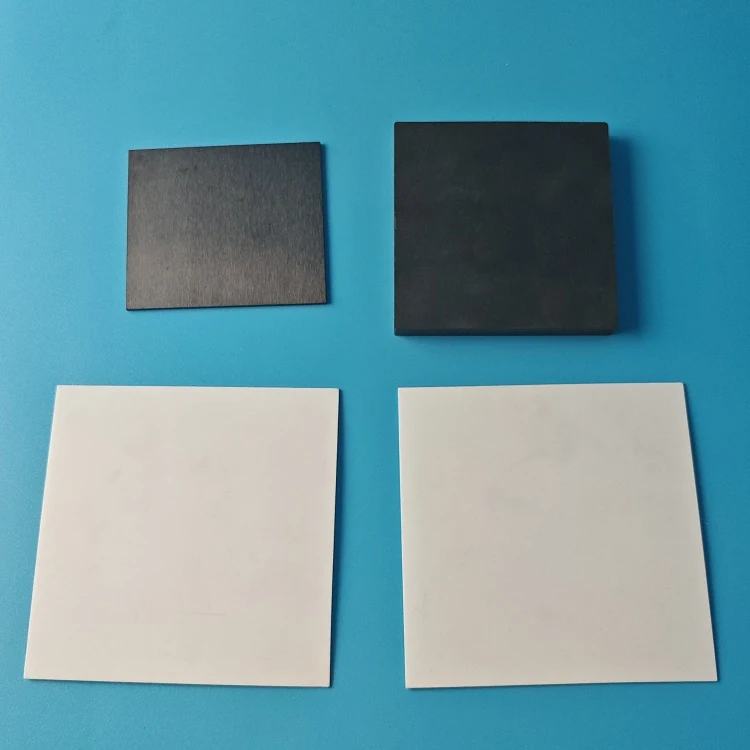
- Designers comparing alumina, zirconia, aluminium nitride and silicon nitride bodies
Application Scenarios
Heat spreading plates under power electronics
Insulating layers in sensor and module assemblies
Laser scribed panels separated into individual carriers
Thermally stable carriers for high temperature electronics
Technical Features
- Density 3.8 g/cm3, working temperature 1600 C
- Thickness range 0.1 to 2.0 mm, minimum thickness 0.1 mm
- Dimensional tolerance plus or minus 0.02 mm
- Also available in zirconia, silicon nitride and aluminium nitride bodies
Manufacturing Process
Raw material preparation, forming, surface grinding, internal and external diameter grinding and precision CNC machining are all carried out in house.
Materials
- Alumina, also zirconia, silicon nitride or aluminium nitride
Specifications
| Material | Alumina, also zirconia, silicon nitride or aluminium nitride |
|---|---|
| Shape | Custom |
| Density | 3.8 g/cm3 |
| Working temperature | 1600 C |
| Thickness | 0.1 - 2.0 mm |
| Tolerance | +/-0.02 mm |
| Laser pulse depth | 0.1 - 0.5 mm |
| Minimum order quantity | 10 pcs |
| Lead time | 1-2 days standard size in stock, 5-7 days customized size |
Figures are taken from the published product specification. Values not listed are marked TBC and confirmed against your drawing before quotation.
Quality Control
- Thickness and outline checked against the plus or minus 0.02 mm tolerance
- Scribe depth verified on laser scribed panels
- Inspection report issued to your drawing on request
Certifications
No third party certification documents are published for this product. Every shipment is inspected to your drawing with an inspection report issued. Certification status is TBC and confirmed on request.
Customization Options
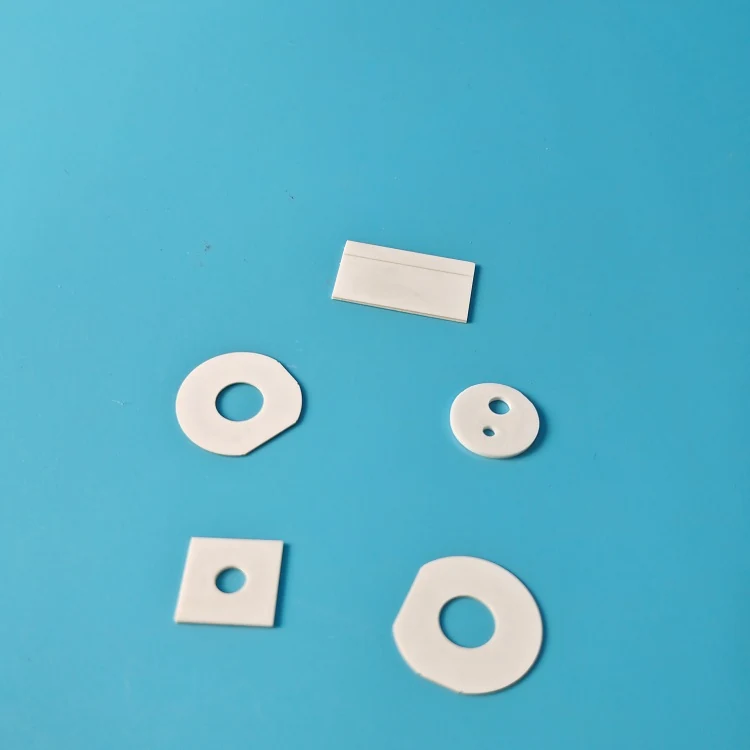
- Any size customized according to the drawing
- Choice of alumina, zirconia, silicon nitride or aluminium nitride body
- Laser scribing pattern set to your panel layout
Comparison With Other Ceramics
Alumina is the default substrate: good insulation, good strength, low cost. Aluminium nitride moves heat far better and is used when the thermal budget is tight. Silicon nitride is the tough option for substrates that see thermal cycling and mechanical load.
Use Guide
- Quote the thickness tolerance you actually need; tighter than plus or minus 0.02 mm needs discussion first
- Specify the scribe line pattern and the snap direction with the panel drawing
- Handle thin substrates at 0.1 mm with vacuum tooling rather than tweezers
Industries Using This Part
Related Application Notes
Al2O3 Alumina Ceramic Substrates FAQ
What is the minimum order quantity?
10 pieces.
How fast can substrates ship?
1 to 2 days for standard sizes held in stock, and 5 to 7 days for customized sizes.
How thin can the substrate be?
Minimum thickness is 0.1 mm, with the standard range running from 0.1 mm to 2.0 mm.
What dimensional tolerance do you hold?
Plus or minus 0.02 mm.
Can you scribe the panels for snapping?
Yes. Laser pulse depth runs from 0.1 mm to 0.5 mm.
Are other materials available besides alumina?
Yes, substrates are supplied in alumina, zirconia, silicon nitride and aluminium nitride.
Related Products
 Al2O3 Alumina Ceramic Parts99% 95% Al2O3 Alumina Ceramic RingWear rings and insulating collars machined to your drawingView specifications
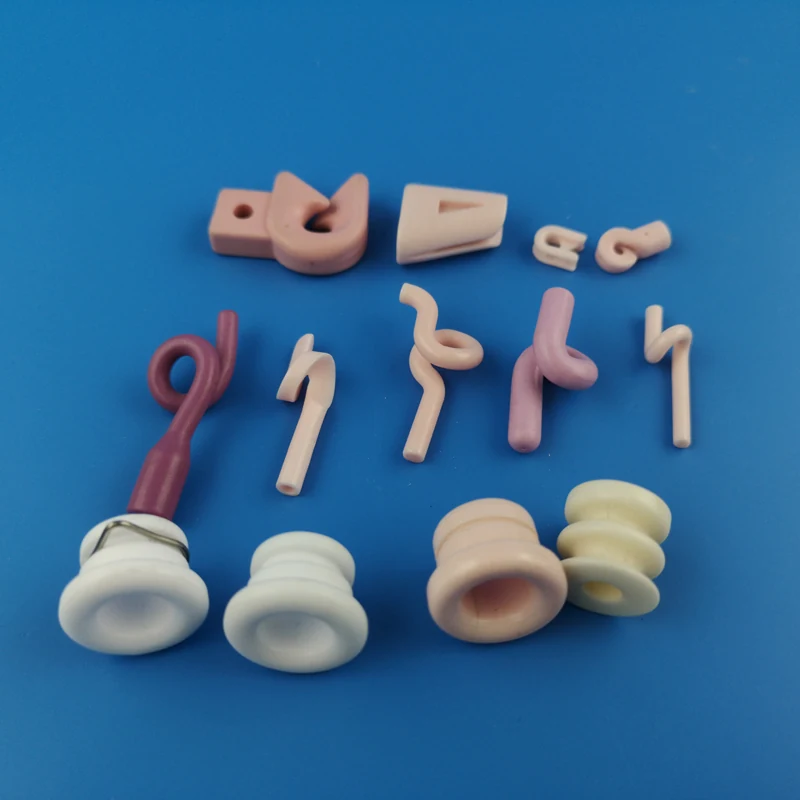 Al2O3 Alumina Ceramic PartsTextile Machinery Ceramic AccessoriesYarn guides eyelets and tension parts that stop thread cuttingView specifications
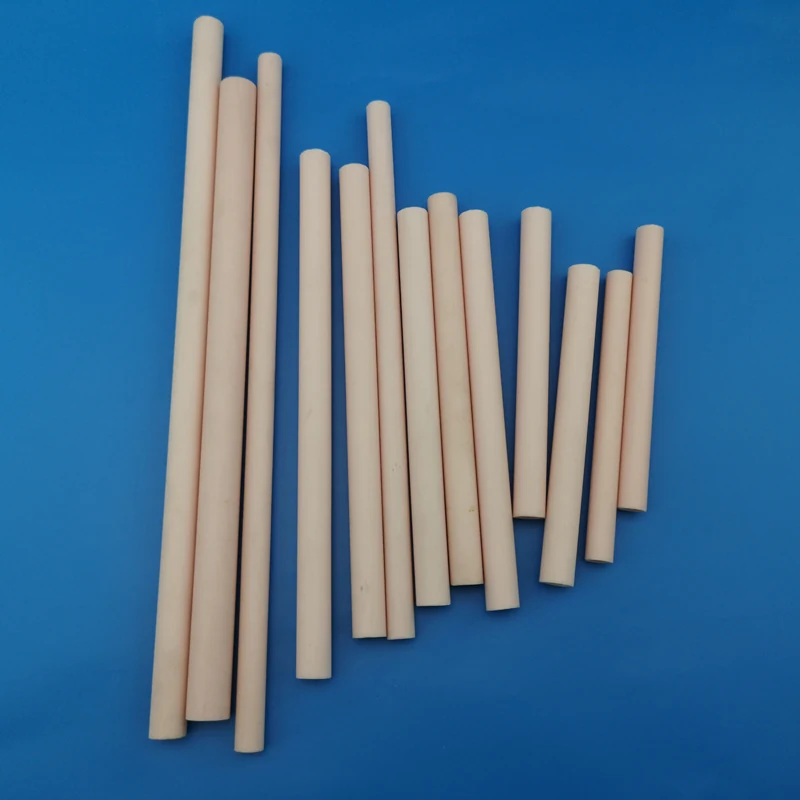 Al2O3 Alumina Ceramic PartsRefractory Alumina Ceramic TubeWork tubes thermocouple sheaths and element supports to 1650 degrees CView specifications
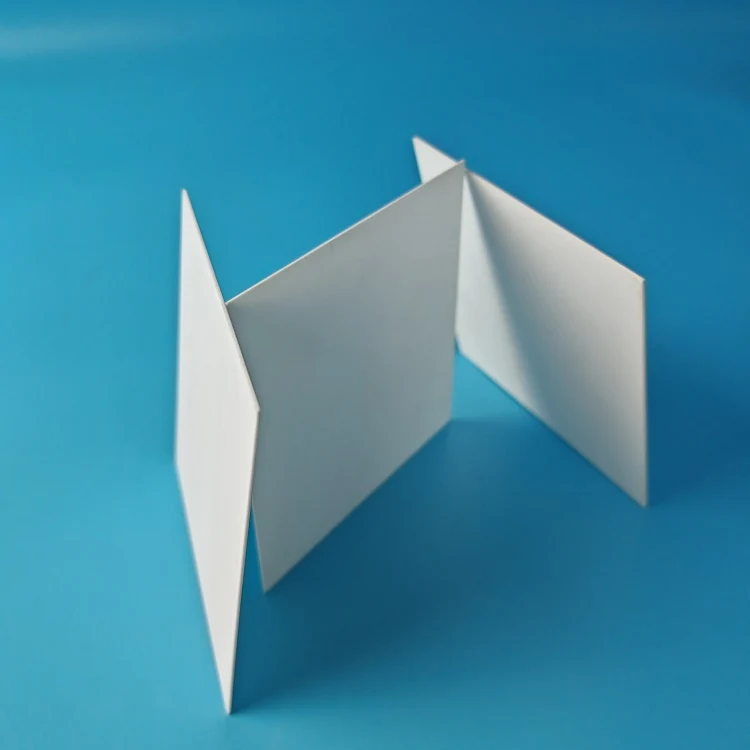 Al2O3 Alumina Ceramic Parts99% Al2O3 Alumina Ceramic Sheet Blank PlateSingle piece minimum order for wear plates and insulating blanksView specifications
Request a Quote on Al2O3 Alumina Ceramic Substrates
Send a 2D or 3D drawing with the critical dimensions marked. Samples are free of charge and delivered in 4 to 7 working days.
Send a 2D or 3D drawing by WhatsApp or email. Samples in 4 to 7 working days.