
Steatite Ceramic Parts
Steatite Ceramic Insulators for Electric Heating Equipment
Sticks strips channels and blocks rated for 1100 degree service
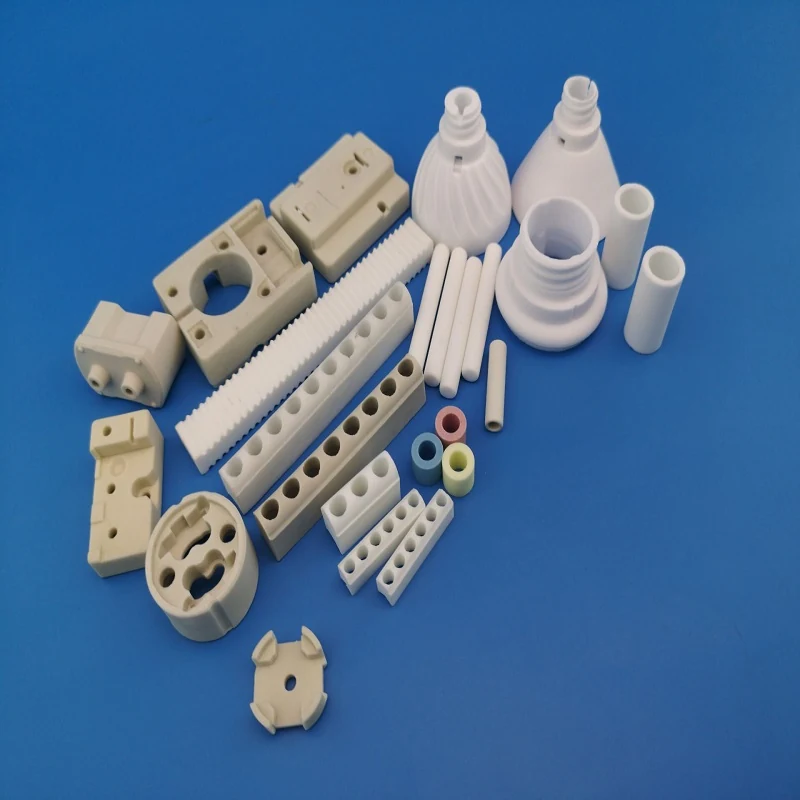
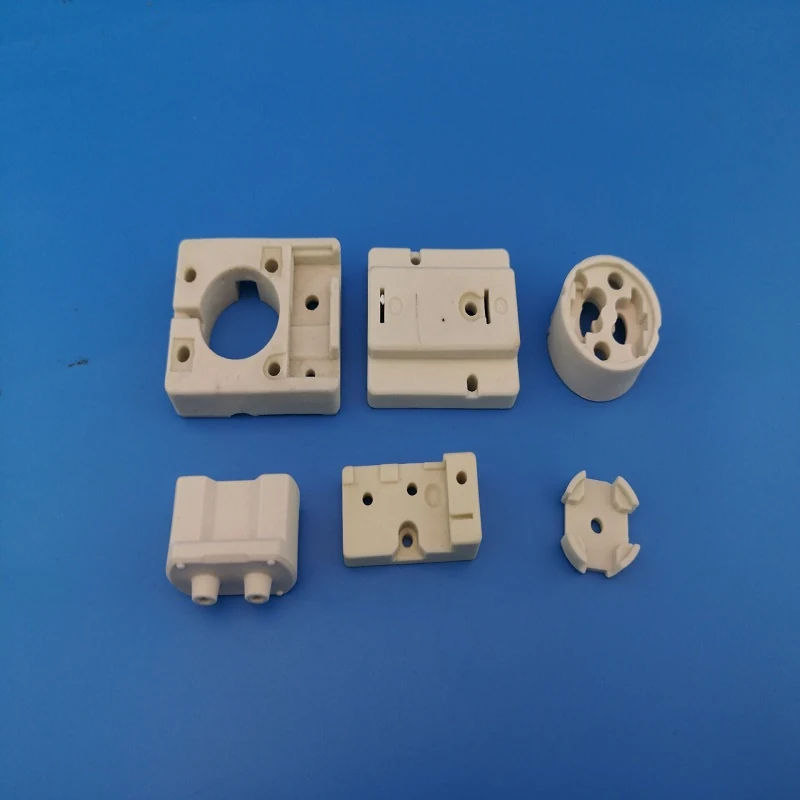
Steatite ceramic is made from natural mineral talc and is the usual insulating body inside electric heating equipment, because it combines good insulation with useful thermal conductivity and stays serviceable at 1100 degrees. Parts are supplied as sticks, strips, channels, bricks, knuckles, tiles and blocks, so the same material covers both the insulating and the element carrying role in a heater assembly.
Key Benefits
- Working temperature of 1100 degrees covers most electric heating assemblies
- Good insulation combined with good thermal conductivity, so heat still reaches the work
- Low medium spoilage and a stiff texture that holds its form in service
- Seven standard form families cover most heater and socket geometries
- Used across electric products, electric heating products and wear resistant machinery parts
Problems It Solves
- Insulating parts that soften or distort once the heater reaches working temperature
- Insulators that block heat transfer and lower heater efficiency
- Sourcing several different shapes of insulator from several different suppliers
Who It Is For
- Electric heater manufacturers specifying the full insulator set
- Socket and connector makers needing a heat stable insulating body
- Transformer and power supply builders replacing polymer standoffs
Application Scenarios
Electric heating equipment and element supports
Power connection blocks and terminal insulation
High grade and special industry sockets
Power supplies, transformers and instrument assemblies
Technical Features
- Working temperature 1100 degrees
- Excellent electrical insulator with good thermal conductivity
- Available in stick, strip, channel, brick, knuckle, tile and block forms
- A range of specifications available to match different technical requests
Manufacturing Process
Raw material preparation, forming, surface grinding, internal and external diameter grinding and precision CNC machining are all carried out in house.
Materials
- Steatite
Specifications
| Material | Steatite |
|---|---|
| Shape | Stick, strip, channel, brick, knuckle, tile, blocks |
| Usage | Electrical insulators |
| Working temperature | 1100 degrees |
Figures are taken from the published product specification. Values not listed are marked TBC and confirmed against your drawing before quotation.
Quality Control
- Dimensions verified against the drawing before packing
- Inspection report issued to your drawing on request
- Packing and loading photographed for your records
Certifications
No third party certification documents are published for this product. Every shipment is inspected to your drawing with an inspection report issued. Certification status is TBC and confirmed on request.
Customization Options
- Any of the seven form families made to your dimensions
- Hole count, pitch and slot geometry set by drawing
- Quantities and packing arranged for line feeding
Comparison With Other Ceramics
Steatite sits between porcelain and alumina. It insulates better than general porcelain at temperature and costs less than alumina, but alumina is the choice above the steatite service range or where the part also has to resist abrasion.
Use Guide
- Allow for thermal expansion clearance when the insulator is trapped between metal parts
- Do not machine finished steatite in the field; specify features before firing
- Support long strips at intervals so they are not loaded in bending when hot
Industries Using This Part
Related Application Notes
Steatite Ceramic Insulator FAQ
What temperature can steatite insulators run at?
The working temperature is 1100 degrees.
What shapes are available?
Stick, strip, channel, brick, knuckle, tile and block forms, or custom geometry from your drawing.
Where are these insulators used?
In electric heating equipment, power connection, high grade and special industry sockets, power supplies, transformers and instrument assemblies.
Can you make a shape that is not on the list?
Yes. Our main business is OEM and ODM. Please show us your drawing.
How long is delivery?
Samples in 4 to 7 working days, production in 15 to 30 days when not in stock, according to dimension and quantity.
Do you issue an inspection report?
Yes. Parts are inspected according to your drawing and a report is issued.
Related Products
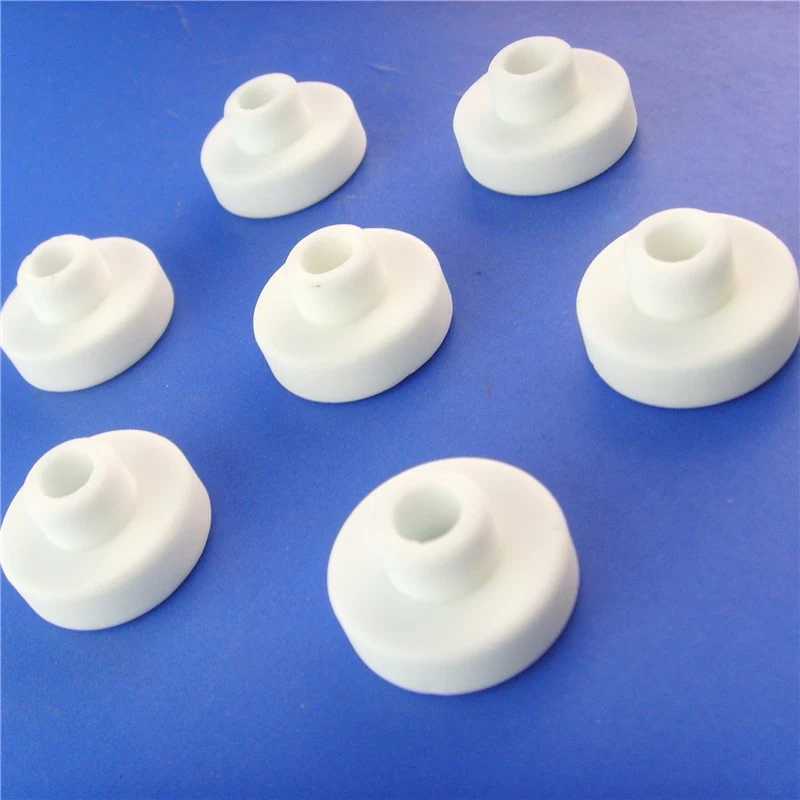 Steatite Ceramic PartsSteatite Ceramic Beads and BushingsTalc based insulators for element supports and terminal workView specifications
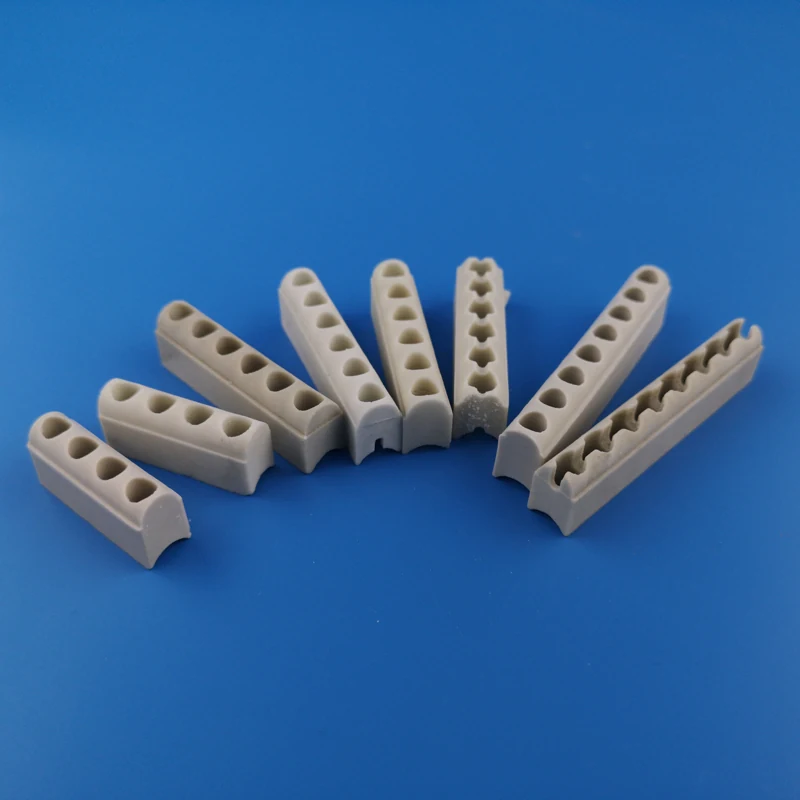 Steatite Ceramic PartsIndustrial Ceramic Insulator Heating Ring Ceramic StripOne to eight hole strips for flexible ceramic pad heatersView specifications
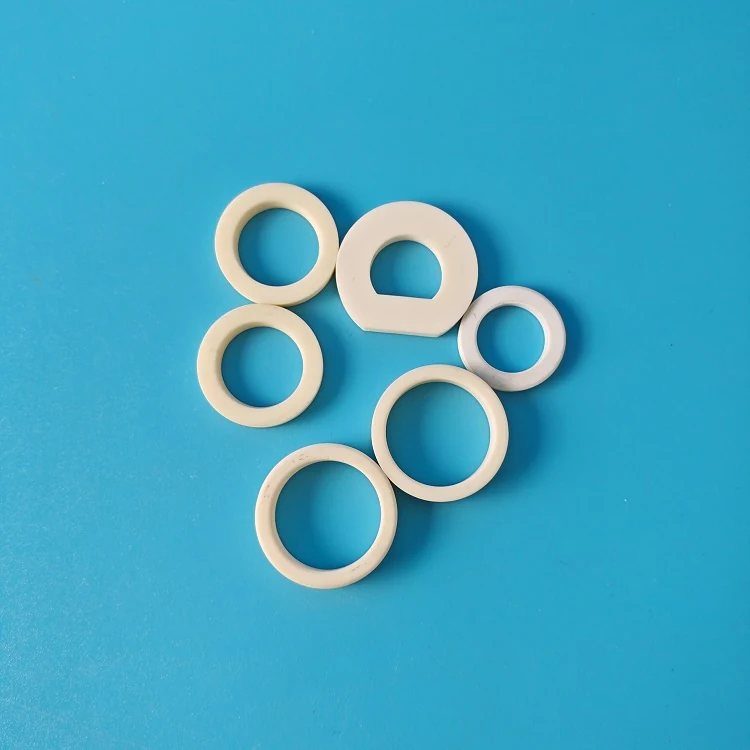 Al2O3 Alumina Ceramic Parts99% 95% Al2O3 Alumina Ceramic RingWear rings and insulating collars machined to your drawingView specifications
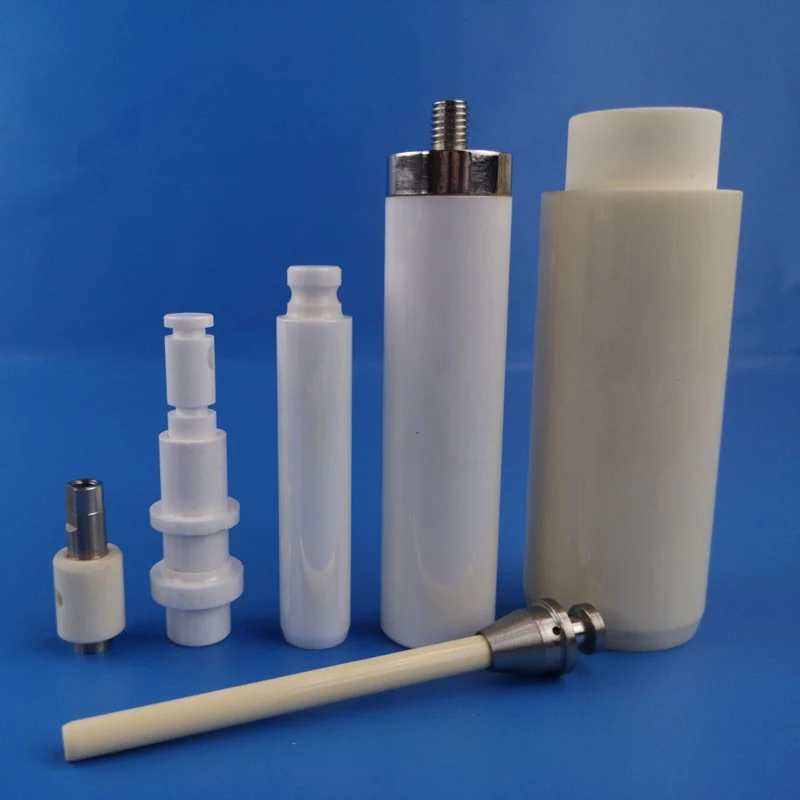 Zirconia Ceramic PartsZirconia Ceramic PlungersPlungers that keep their diameter in abrasive and corrosive dosing dutyView specifications
Request a Quote on Steatite Ceramic Insulator
Send a 2D or 3D drawing with the critical dimensions marked. Samples are free of charge and delivered in 4 to 7 working days.
Send a 2D or 3D drawing by WhatsApp or email. Samples in 4 to 7 working days.