
Process Guide
How Ceramic to Metal Metallizing and Brazing Works
Braze alloy does not wet bare ceramic. The joint is made possible by a fired molybdenum manganese layer and a plated finish, and those two layers are where hermetic joints succeed or fail.

Why Bare Ceramic Will Not Braze
Braze alloy needs a metallic surface to wet. On bare alumina it simply beads up. The ceramic has to be given a metallic surface first, and that surface has to be bonded into the ceramic rather than sitting on it.
The Mo Mn Layer
A molybdenum manganese layer is applied and fired onto the ceramic. Our specification is 25 plus or minus 10 microns. If this layer is thin or patchy, the finished joint leaks under thermal cycling.
The Plated Finish
Nickel at 2 to 10 microns is the standard finish over the Mo Mn layer, protecting it and giving the alloy a clean surface to wet. Copper, gold and silver are also available to suit the braze alloy.
How the Joint Is Verified
Pin pull strength averages 4200 kgf/cm2 measured on a 3.0 mm diameter pin, and metallization and plating thickness are checked against the specified windows.
What to Put on the Drawing
The metallized band position and width, the plating type, and the braze alloy you intend to use. Ceramic dimensions alone are not enough to quote a metallized part.
Products Covered in This Guide
 Metallized Ceramic PartsMetallized Alumina Ceramic RingMo Mn metallized and plated rings ready to braze to metalView specifications
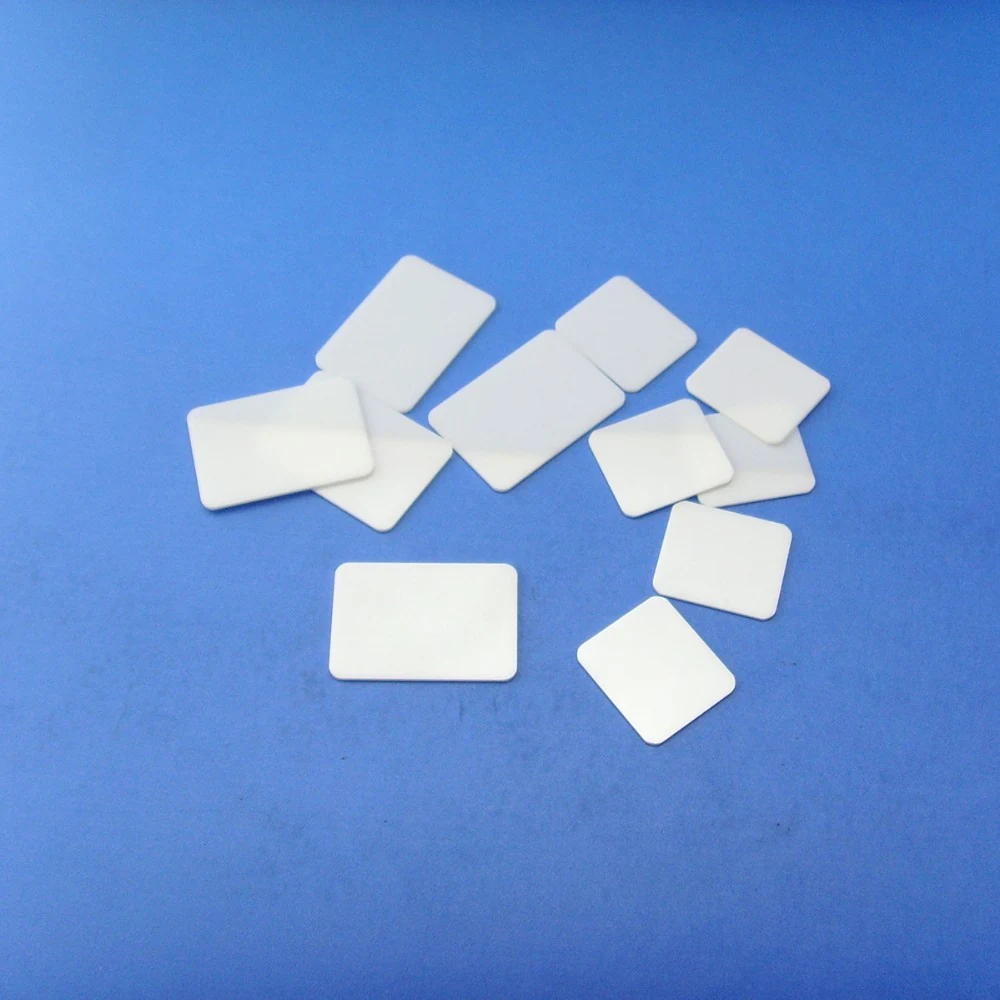 Al2O3 Alumina Ceramic PartsAl2O3 Alumina Ceramic SubstratesHeat spreading insulating plates from 0.1 mm thickness with laser scribingView specifications
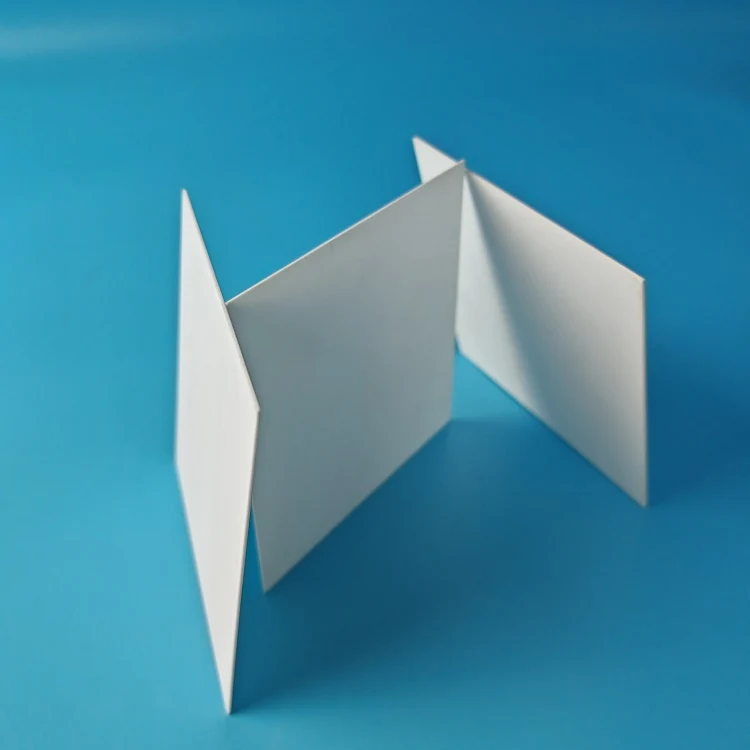 Al2O3 Alumina Ceramic Parts99% Al2O3 Alumina Ceramic Sheet Blank PlateSingle piece minimum order for wear plates and insulating blanksView specifications
Questions About This Topic
Which ceramic bodies can be metallized?
95% and 96% alumina, AlN ceramic substrate and BeO ceramic substrate.
Do I need to send the braze alloy specification?
Yes, because the plating is selected to match it.
Can you do the brazing as well as the metallizing?
Yes. Both are possible here across a wide range of sizes and shapes.
More Guides
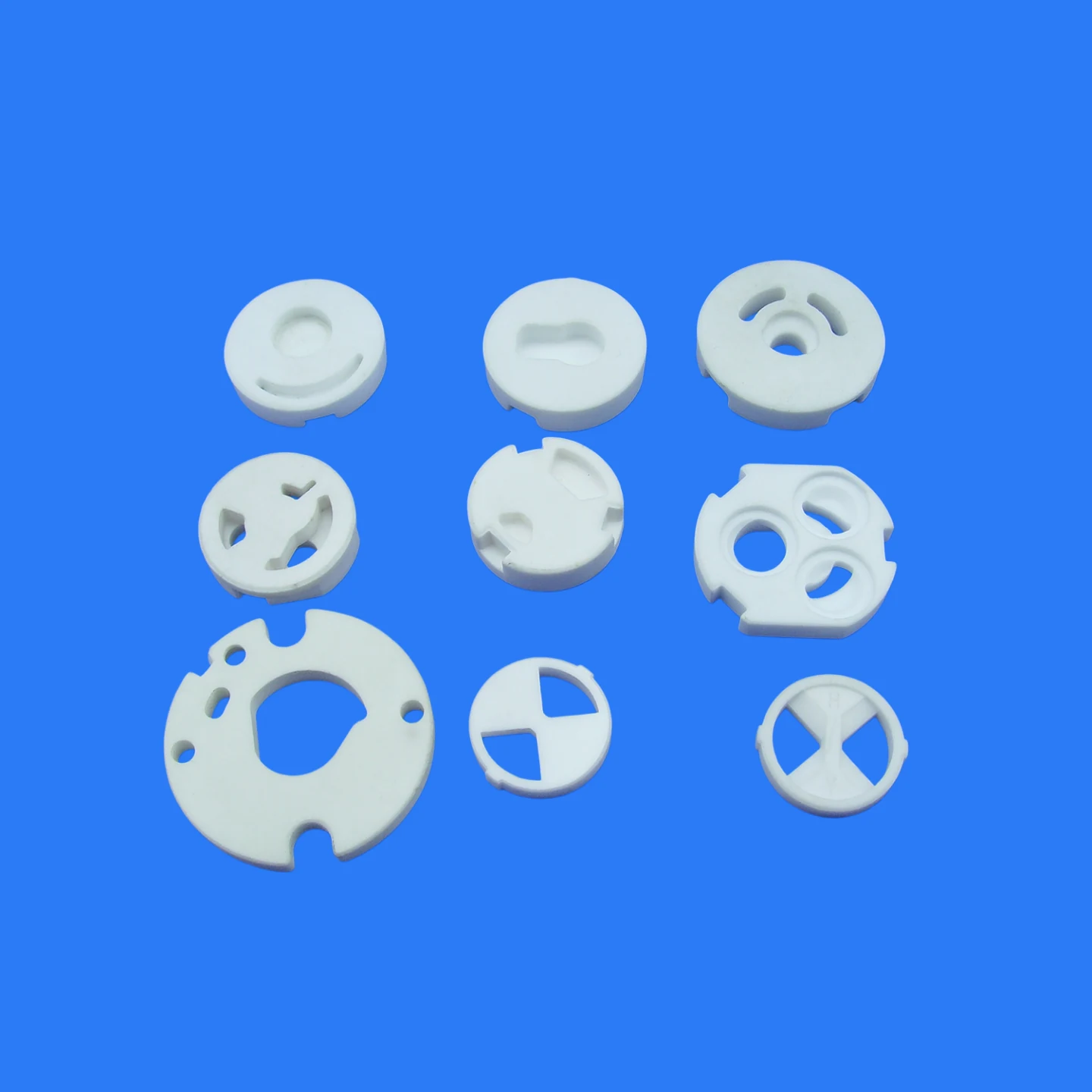 Comparison GuideZirconia vs Alumina How to Choose the Right Technical CeramicAlumina is harder and cheaper. Zirconia is tougher and stronger. The choice comes down to section thickness, impact and whether the duty is thermal or mechanical.Material GuideAlumina Ceramic Grades 95 Percent and 99 Percent ComparedThe purity number changes strength, dielectric behaviour and price. Here is what the 99% body actually gives you over 95%, with the measured values from our own material data.
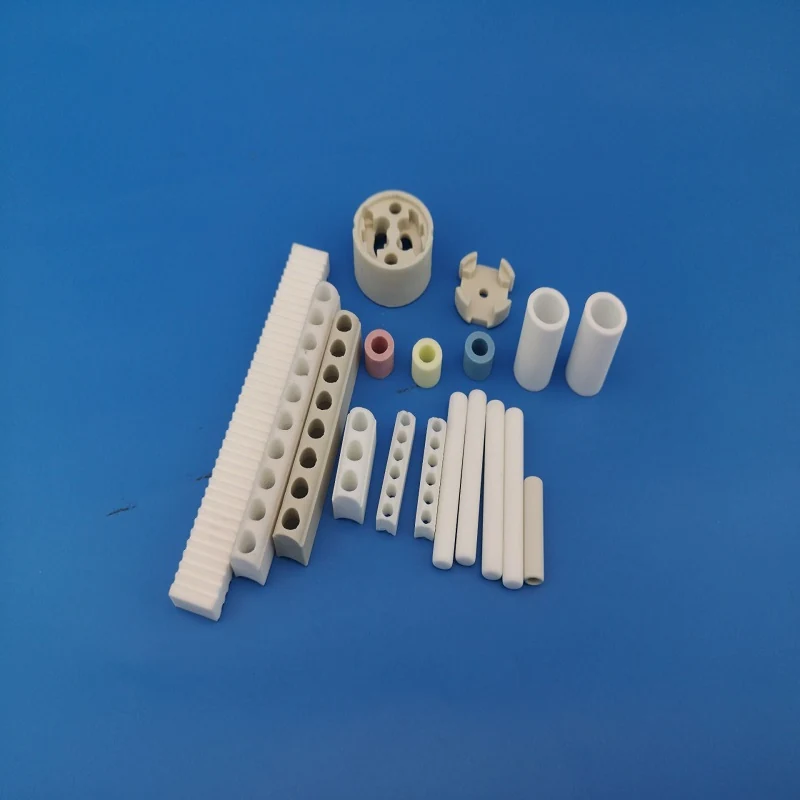 Material GuideSteatite Ceramic Explained Talc Based InsulatorsSteatite is the body inside most electric heating equipment. It is made from mineral talc, it holds resistivity when hot, and it costs less than alumina.
Apply This to Your Part
Send the drawing and the duty. We will confirm the body and the achievable tolerance before you commit to anything.
Send a 2D or 3D drawing by WhatsApp or email. Samples in 4 to 7 working days.