

Single Cavity Multi Cavity Or Family Mould
Impression count is most of the tool price and most of the piece price. How to decide it before you ask for a quotation.
Impression count is a volume decision
It is not a quality decision and it is not a supplier decision. It follows from how many parts you need per year and how long the cycle is. A 60 second single cavity tool running one shift produces roughly a hundred and twenty thousand parts a year at reasonable uptime. If you need four hundred thousand, no amount of process optimisation gets you there and the conversation is about cavities.
What a second impression actually costs
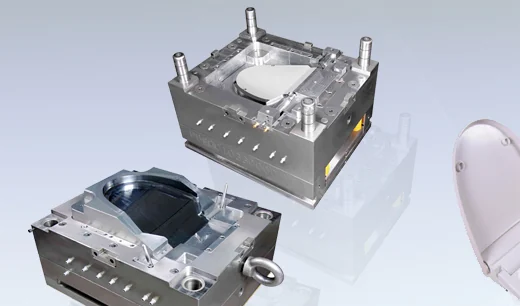
Around 60 to 70 percent more than a single, not double. The mould base, the ejection system and the entire design effort are shared. That is why the two cavity tools in this catalogue are good value: the sanitary tool running two impressions on a 50 second cycle produces four times what the single cavity 60 second tool does, for well under twice the money.
Family moulds are a different question
A family tool puts different parts in the same shot. It only works when the parts are needed in a fixed ratio and are moulded in the same material and colour. This catalogue holds two: a 1+1 cover plate tool and a 4+1 ASA tool. Both exist because the assembly genuinely consumes the parts in that ratio. When the ratio drifts, you end up overproducing one part or blocking an impression and unbalancing the fill.
The mistake that costs the most
Ordering a single cavity tool for a programme that everyone knows will go to volume, because the launch budget was tight. Twelve months later the second tool is ordered anyway, and the total spend is higher than one two cavity tool would have been. If volume is coming, build for it or at least design the mould base so a second impression can be added.
In This Guide
Products Referenced In This Guide
Moulds For Sanitary Ware Parts
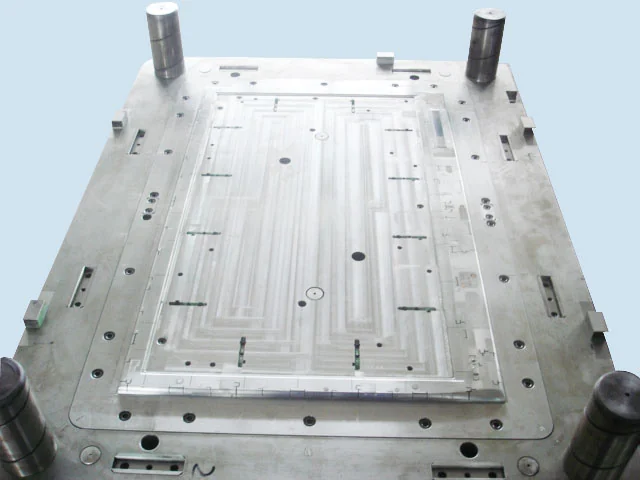
ABS Sanitary Part Mould With Two Cavities And Four Slides
The highest output sanitary tool in the archive
Product materials ABSMould material S136 quenching
Moulds For Other Product Series
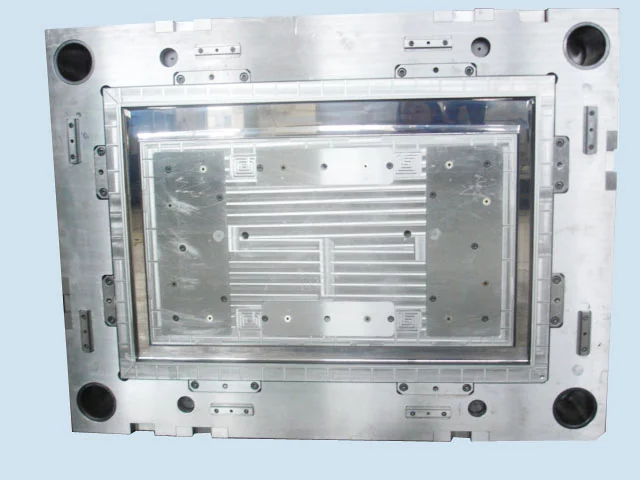
ASA Family Mould On LKM Base
A 4+1 family layout matched to a real four to one part ratio
Product materials ASAMould material LKM
Moulds For Sanitary Ware Parts
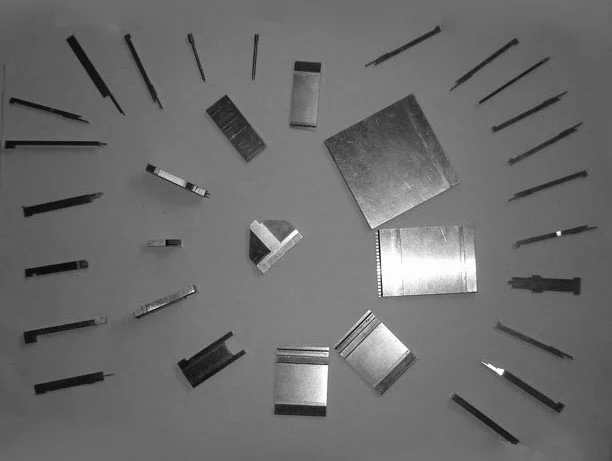
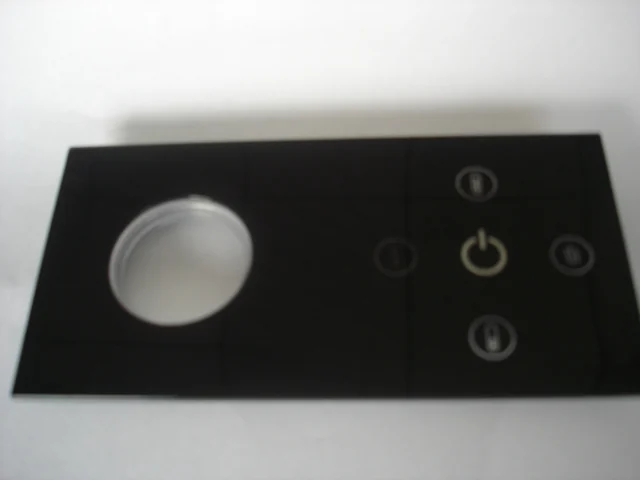
PP Cover Plate Family Mould
Two different parts out of the same shot
Product materials PPMould material DAIDO NAK80
Moulds For Home Appliance Parts
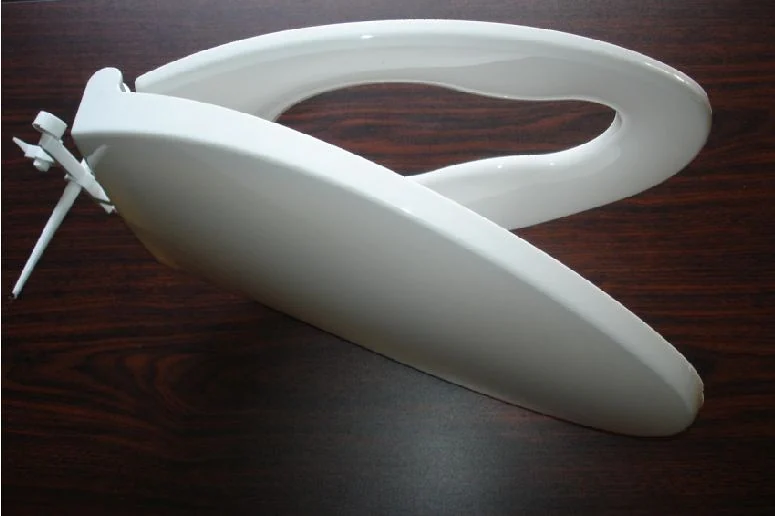
PC Home Appliance Mould With Two Cavities
The fastest cycle in the whole archived catalogue
Product materials PCMould material S136 quenching
Related Reading
Buying Guide
How Cycle Time Decides The Price Of A Moulded Part
The cycles in this catalogue run from 40 to 100 seconds. What drives that spread, and why it matters more than the tool price.
Buying Guide
How To Brief A Chinese Mould Maker And Get A Real Quotation
What to send, what to ask for, and which missing piece of information causes most of the surprises later.

Industry
Sanitary Ware
Shower heads, hand showers, cisterns, toilet seats and cover plates moulded in ABS and PP
Industry
Home Appliance
Housings, control panels and trim parts for white goods and small domestic appliances
Questions On This Topic
Follow up questions this guide raises.
How do I work out how many cavities I need?
Annual volume, divided by working hours a year, multiplied by cycle time, divided by the uptime you actually achieve. Bring that number to the enquiry and the quotation will be far more useful.
Can cavities be added to an existing mould?
Only if the mould base was sized for it at the start, which is worth asking for when volume is uncertain. Retrofitting into a base that was not planned for it is rarely economic.
Do all impressions produce identical parts?
They are built matched and measured individually at first article. Over life they wear at different rates, so measurement reports here list each cavity separately instead of averaging them.
Apply This To Your Own Part
General guidance only goes so far. Send the model and the moulding grade and we will tell you what it means for your tool.