


Injection Moulds For Home Appliance
Housings, control panels and trim parts for white goods and small domestic appliances
What Makes Home Appliance Parts Difficult
Control panels carry a cosmetic face and functional snap features on the same part, so one compromise on the parting line shows up on the shelf
Appliance programmes run for years and a tool that only survives one season turns into a repeat repair bill
PC and PC blends need hotter, more stable moulds than ABS, and a tool designed for ABS cooling will not hold cycle
What Buyers In This Sector Need
- Two cavity tools that keep both impressions matched, so assembly does not have to sort parts by cavity
- Cavity steel rated for the shot count the programme actually needs
- A cycle time figure taken from a real trial rather than from a simulation
Recommended Products
Moulds For Home Appliance Parts
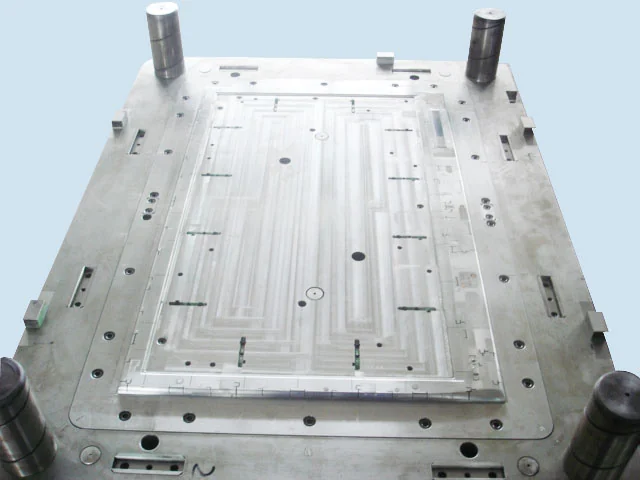
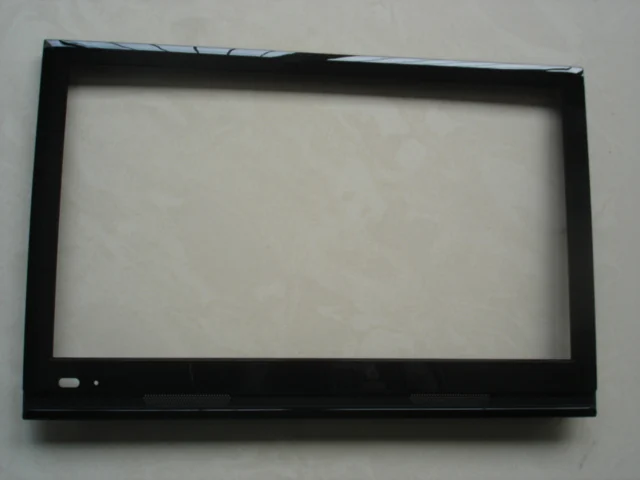
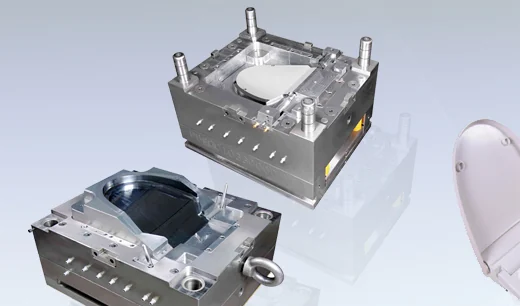
PC Home Appliance Mould With Two Cavities
The fastest cycle in the whole archived catalogue
Product materials PCMould material S136 quenching
Moulds For Home Appliance Parts
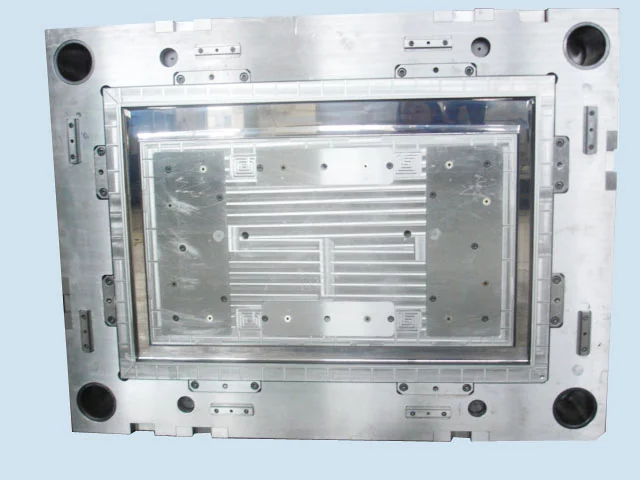
Home Appliance Part Mould
A second appliance record the archive names but does not specify
Plastic Injection Moulded Parts
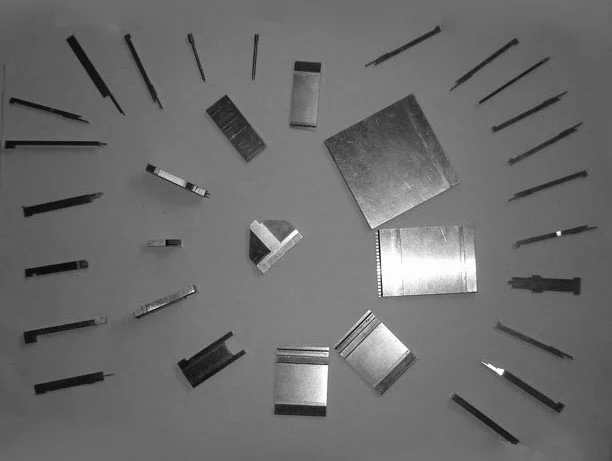
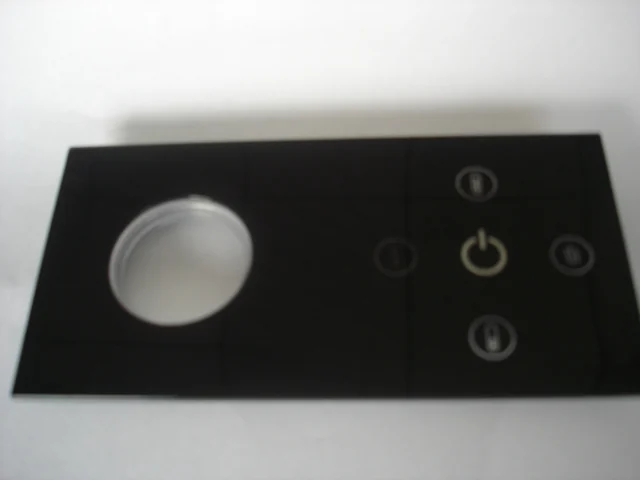
Moulded Appliance Control Panels
Cosmetic face and functional cut outs on the same moulding
Plastic Injection Moulded Parts
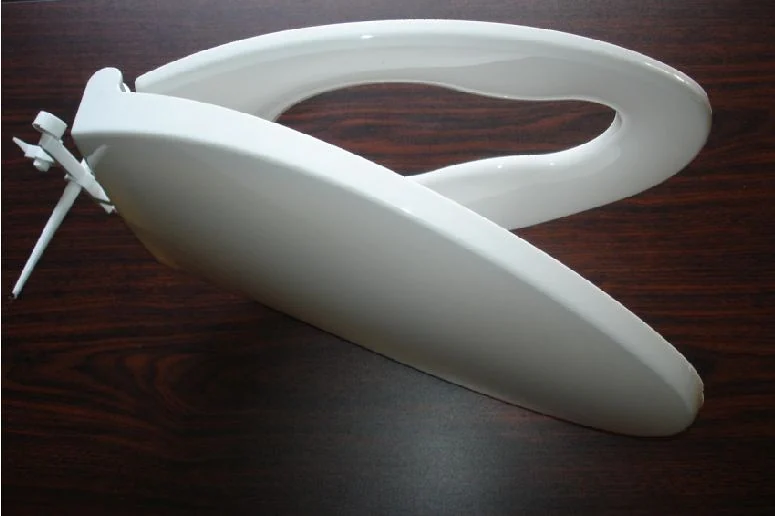
Moulded Mirror Housings
A housing that frames a reflective surface
Typical Application Scenarios
An appliance maker replacing a worn tool and needing the new mould to produce parts that still fit the existing assembly fixture
A contract manufacturer quoting a panel programme and needing tool cost and cycle time before committing to a price
How A Project Runs
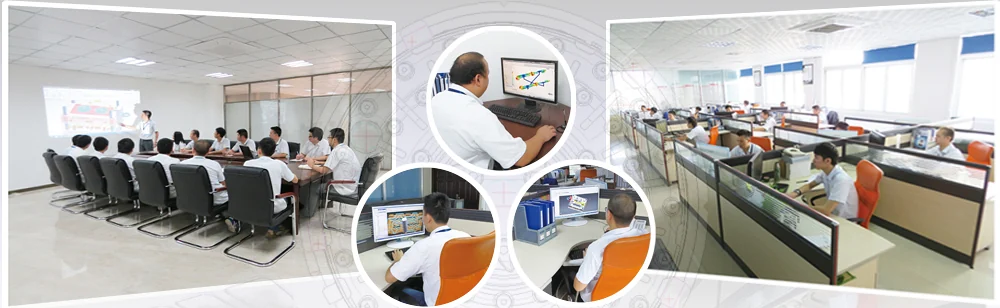
Design review
Part geometry, wall sections, draft and gate position are reviewed against the moulding material before any steel is cut.
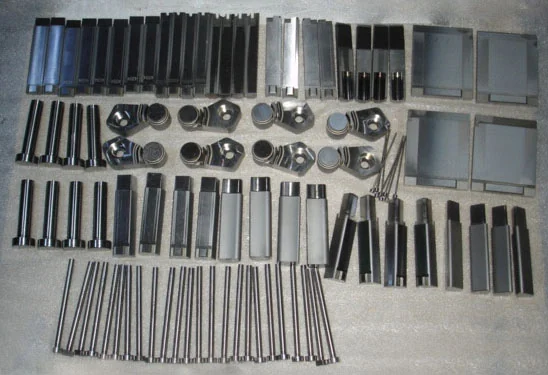
Steel inspection
Cavity and core blocks are checked on arrival so that the hardness and grade match what the mould was quoted with.
In-process measurement
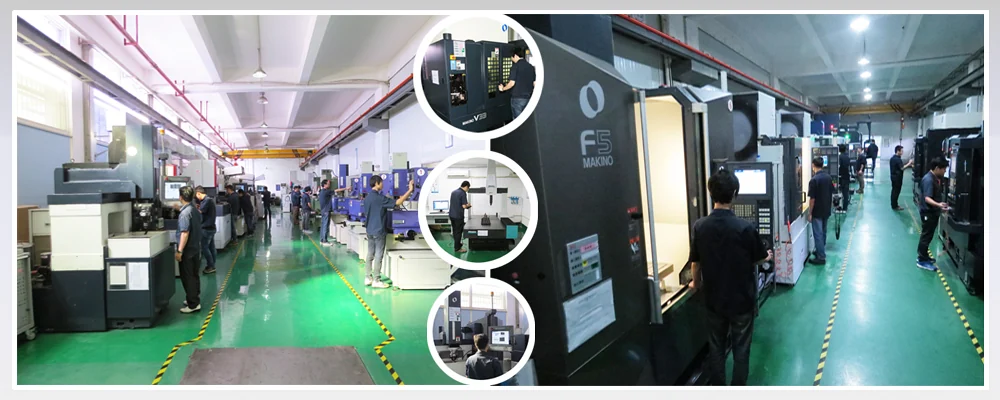
Machined inserts, slides and plates are measured between operations rather than only at the end of the tool room route.
Fitting and spotting
Parting line, slide movement and ejection are fitted by hand before the mould goes to the press.
Related Guides
Buying Guide
Single Cavity Multi Cavity Or Family Mould
Impression count is most of the tool price and most of the piece price. How to decide it before you ask for a quotation.

Buying Guide
How Cycle Time Decides The Price Of A Moulded Part
The cycles in this catalogue run from 40 to 100 seconds. What drives that spread, and why it matters more than the tool price.
FAQ Article
What A 500000 Shot Mould Warranty Actually Covers
Every mould in this catalogue is rated at 500,000 or 600,000 shots. What that figure means, what it excludes, and how to make it hold.
Home Appliance Questions
What buyers in this sector ask before placing tooling work.
What cycle time should I expect on an appliance panel?
The archived PC home appliance mould records a 40 second cycle in a two cavity tool, which is the fastest cycle in the archived catalogue. Wall thickness drives this more than anything else, so send the section thickness with the enquiry.
Can both cavities of a two cavity tool be kept matched?
That is what the fitting and spotting stage is for. Both impressions are measured on the image projector from the same trial, and the report shows each cavity separately so you can see the difference rather than an average.
Tooling For Home Appliance
Send the part, the moulding grade and the volume. We will name the cavity steel and the impression count in the quotation rather than after the order.