


Injection Moulds For Automotive Interior
Support brackets, door panel parts and tray tables moulded in PC ABS and engineering blends
What Makes Automotive Interior Parts Difficult
Interior trim is measured against a fixture, not a caliper, so the mould has to be corrected against a real gauge
PC ABS is stiffer and hotter than ABS, and a tool that was fine in ABS will flash and stick when the material changes
Brackets carry load, so gate position decides where the weld line lands and whether the part survives testing
What Buyers In This Sector Need
- Cavity steel that resists the higher melt temperature of PC ABS without losing the polish
- A submarine gate or a tunnel gate that leaves no manual degating step on a part that runs in volume
- Tooling documentation that a tier one auditor will accept
Recommended Products
Moulds For Automotive Interior Parts
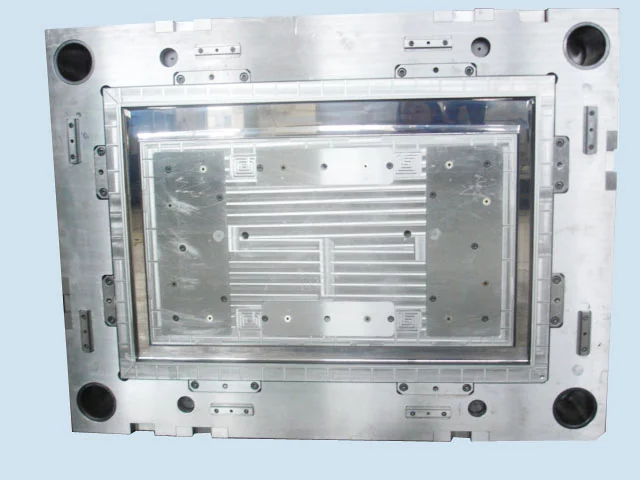
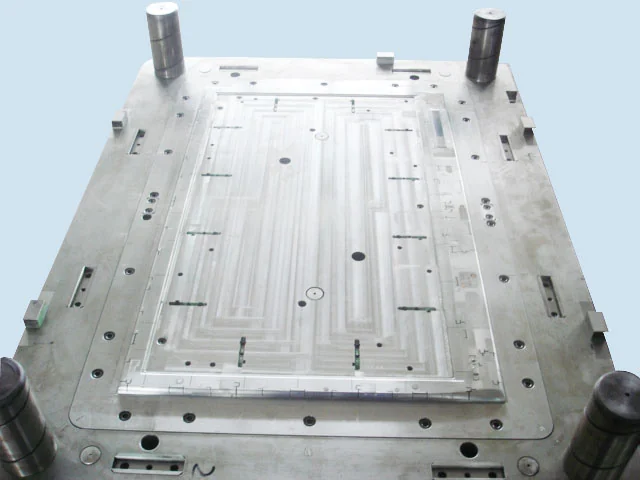
PC ABS Automotive Part Mould With SKD61 Cavity Steel
SKD61 for the melt temperature and abrasion of PC ABS
Product materials PC/ABSMould material SKD61
Moulds For Automotive Interior Parts
Support Bracket Mould
A load carrying part where the weld line position matters
Moulds For Automotive Interior Parts
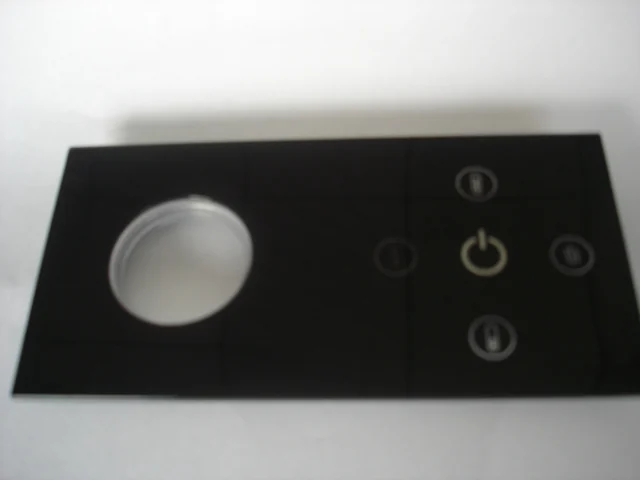
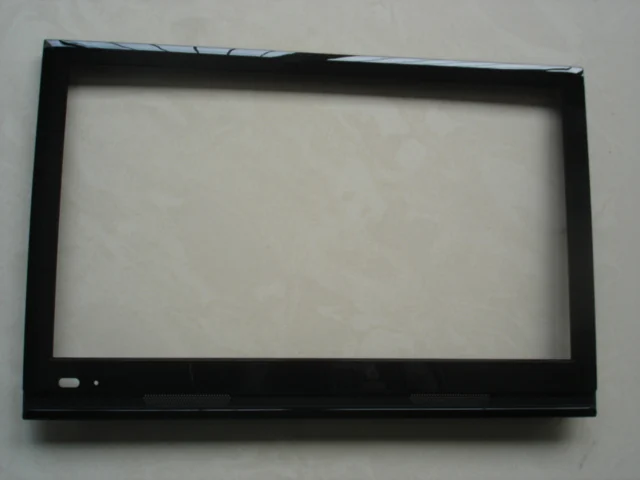
Car Door Panel Mould
A large flat tool where cooling decides flatness
Moulds For Automotive Interior Parts
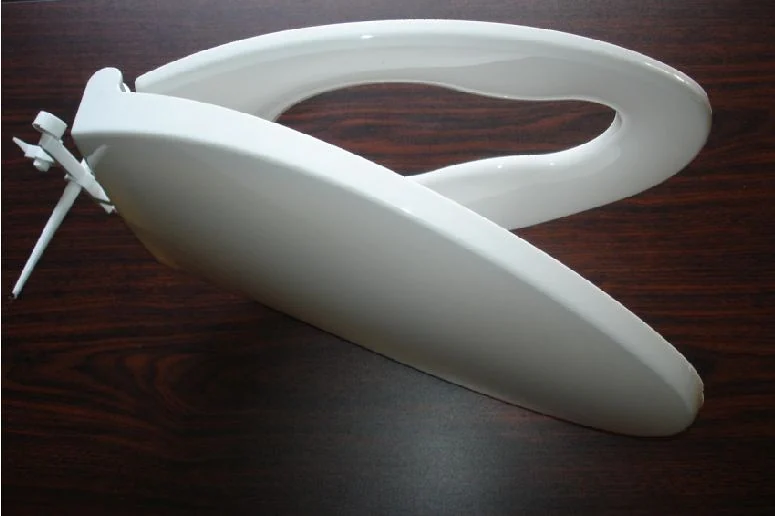
Tray Table Mould
A wide part that has to stay flat under load and heat
Typical Application Scenarios
A tier two supplier adding an interior bracket to an existing programme and needing the tool inside the model year
An interior trim maker moving a tray table tool to a second source and needing the parts to match the incumbent
How A Project Runs
Design review
Part geometry, wall sections, draft and gate position are reviewed against the moulding material before any steel is cut.
Steel inspection
Cavity and core blocks are checked on arrival so that the hardness and grade match what the mould was quoted with.
In-process measurement
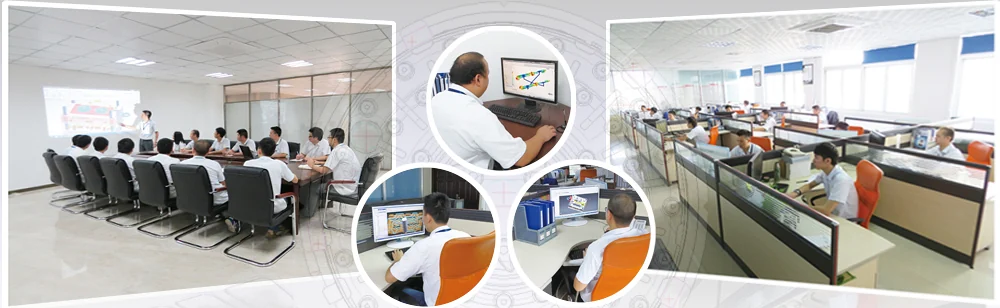
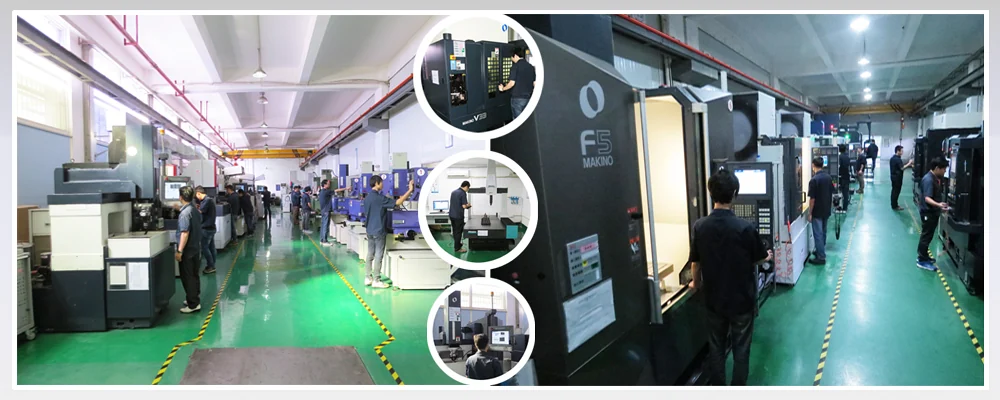
Machined inserts, slides and plates are measured between operations rather than only at the end of the tool room route.
Fitting and spotting
Parting line, slide movement and ejection are fitted by hand before the mould goes to the press.
Related Guides
Process Guide
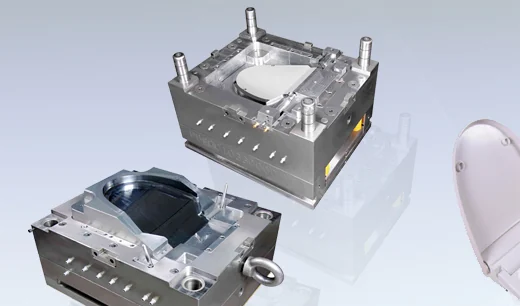
Pinpoint Side Submarine And Valve Gates Compared
All four gate types appear in this catalogue. Where each one belongs, what it leaves on the part, and what it costs in mould construction.
Design Guide
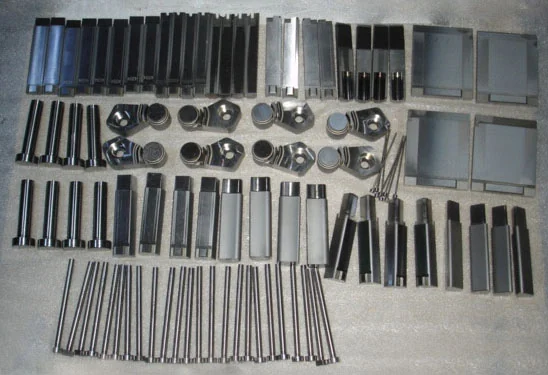
Slides And Lifters And What Undercuts Really Cost
Every undercut adds a moving part to the mould. From one slide to six, what each one adds to cost, cycle and maintenance.
Material Guide
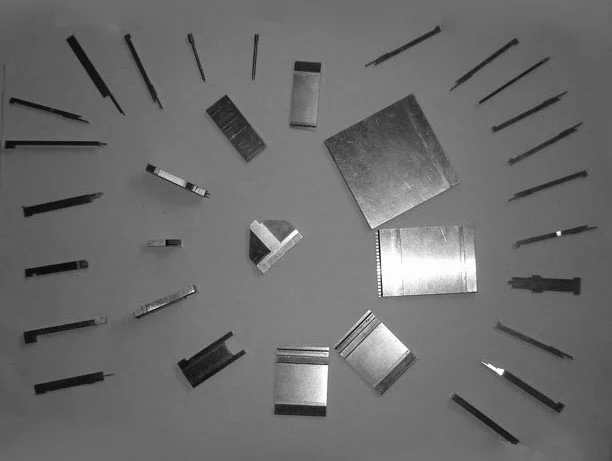
How To Choose Cavity Steel For An Injection Mould
S136, NAK80, S-Star, SKD61 and 718 all appear in this catalogue. What each one is actually for, and what it costs you to pick the wrong one.
Automotive Interior Questions
What buyers in this sector ask before placing tooling work.
Which steel do you use for PC ABS automotive parts?
The archived automotive part mould uses SKD61 for the cavity. It takes the higher melt temperature of PC ABS and stands up to the abrasion from glass filled grades better than a pre-hardened mould steel.
Can you gate an interior part without a degating operation?
A submarine gate does that, and it is what the archived automotive mould runs. The gate shears off during ejection, so nobody has to trim the part by hand afterwards. It does need the part geometry to allow a gate on a non cosmetic face.
Tooling For Automotive Interior
Send the part, the moulding grade and the volume. We will name the cavity steel and the impression count in the quotation rather than after the order.