
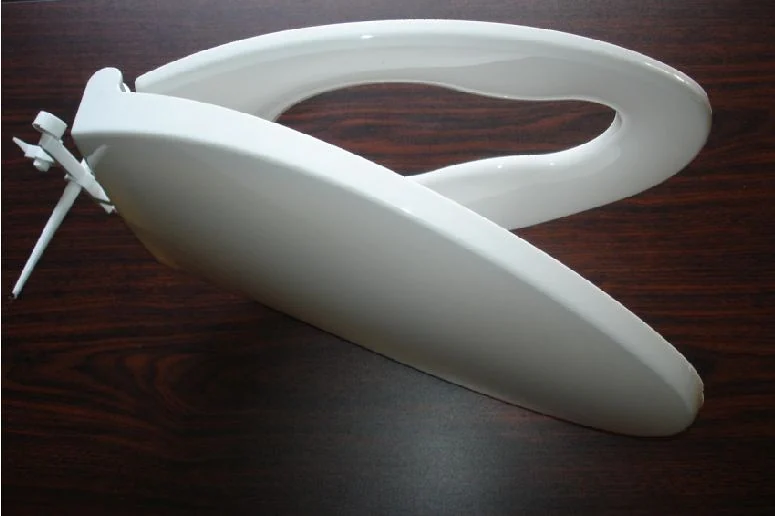
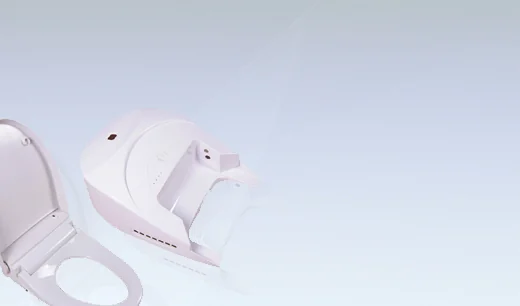
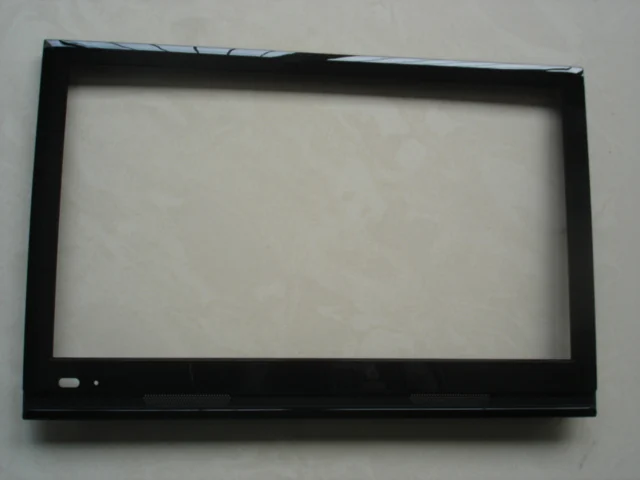

Moulds For Home Appliance Parts
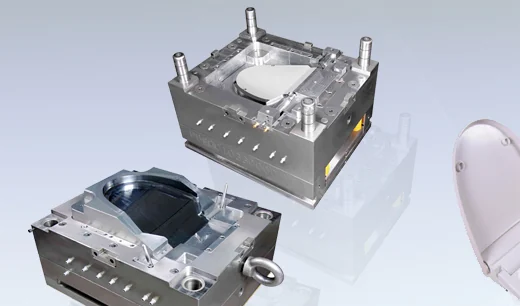
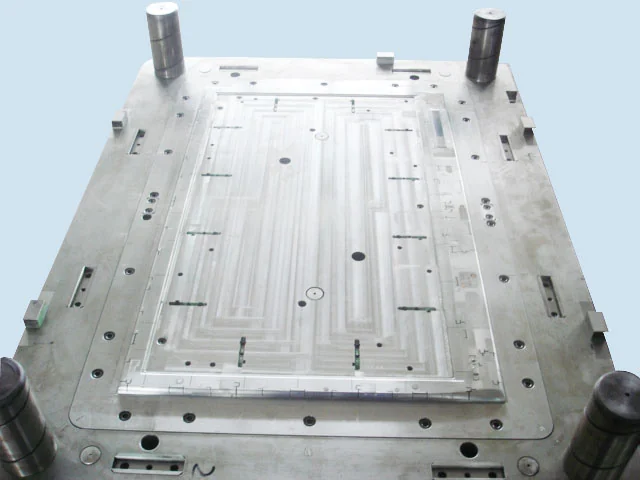
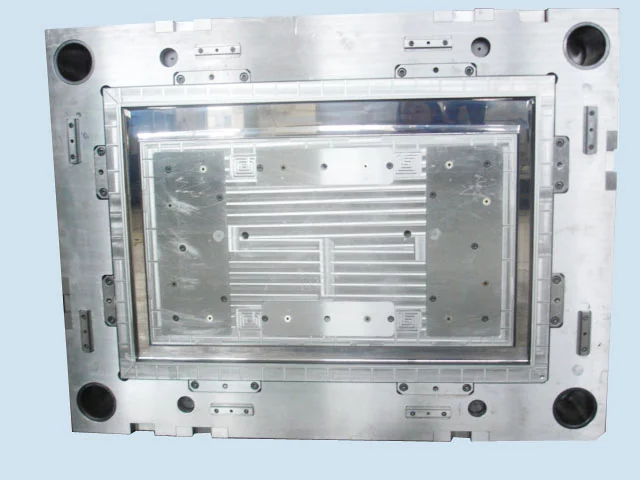
Injection moulds for appliance housings, control panels and trim parts in PC and PC blends
All 2 Products In This Category
What This Category Solves
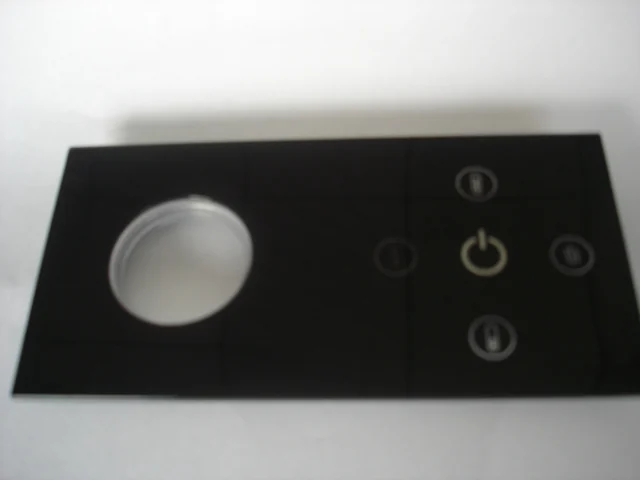
A control panel carries a cosmetic face and snap features on the same part, so one parting line compromise is visible on the shelf
PC needs a hotter, more stable mould than ABS and will not hold cycle in a tool cooled for a styrenic
Appliance programmes run for years, so a tool built for one season turns into a repeat repair bill
Who It Is For And Where It Is Used
Who buys from this category
- White goods manufacturers
- Small domestic appliance brands
- Contract manufacturers quoting panel programmes
Typical situations
- Replacing a worn panel tool so parts still fit the existing fixture
- Quoting a panel programme that needs tool cost and cycle time up front
- Running the same panel geometry across several colours
Core Advantages
Two cavity tools with both impressions measured separately at first article
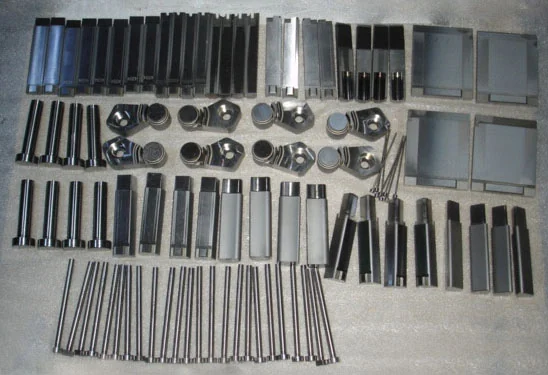
Quenched S136 cavities rated at 600,000 shots
Cycle times taken from a real trial on our own press
Industries This Category Serves
Moulds For Home Appliance Parts Questions
What buyers ask before choosing from this category.
How do I choose between the moulds in moulds for home appliance parts?
Start with the moulding material and the annual volume. Those two decide the cavity steel and the impression count, which between them are most of the tool price. Everything else follows.
Can a product in this category be built to a different specification?
Yes. Cavity steel, impression count, gate type and mould base standard are all quoted against your part rather than fixed. The specifications shown are what was recorded for that product, not a limit.
Do you supply the moulded parts from these tools as well?
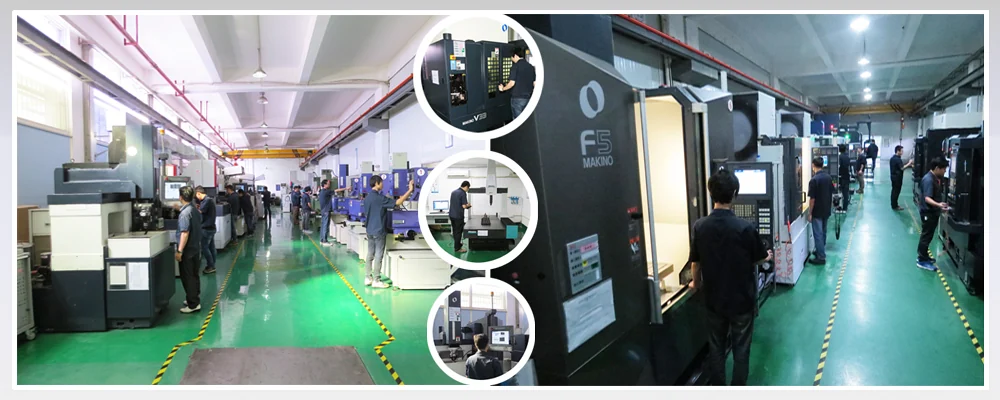
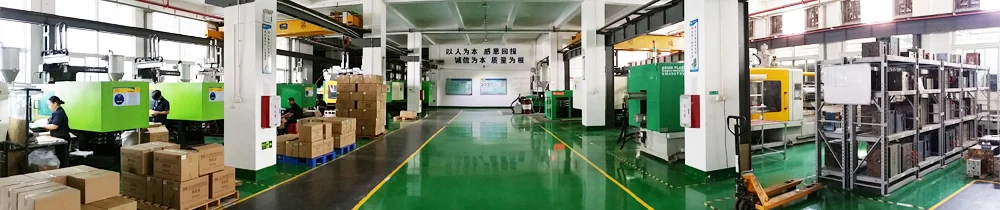
Yes. Injection machines below 600 tons sit on the same site as the tool room, so a tool built here can be run here.
Quote A Moulds For Home Appliance Part Project
Send a model, the moulding grade and your annual volume and we will come back with cavity steel, impression count and a measured cycle estimate.