
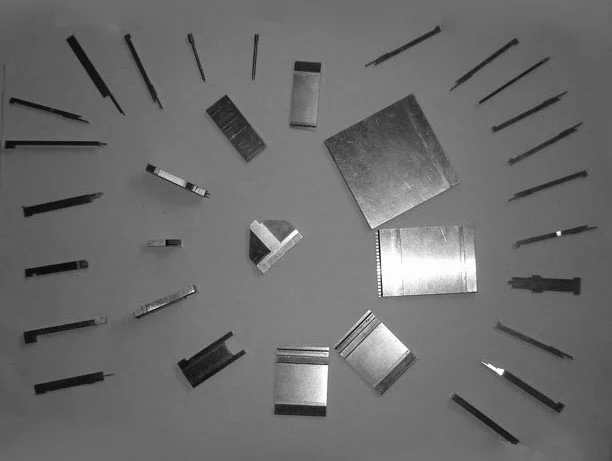
Mould Components And Inserts
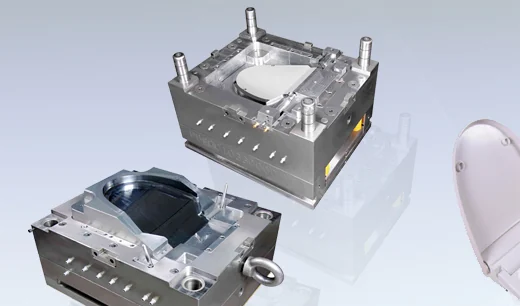
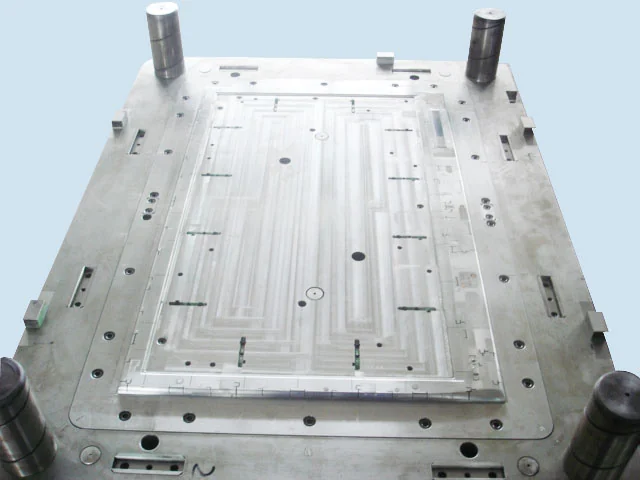
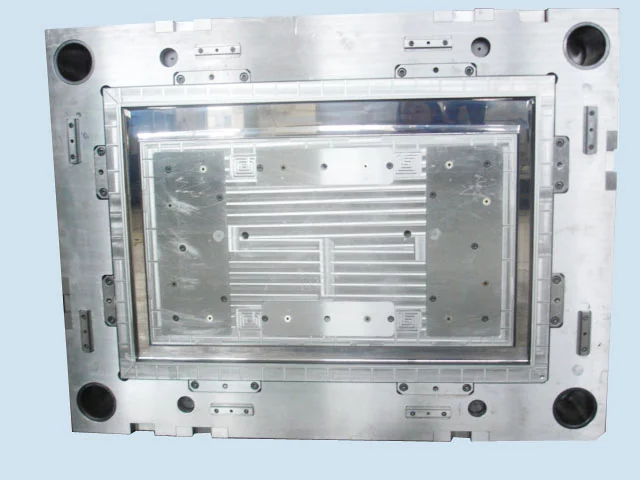
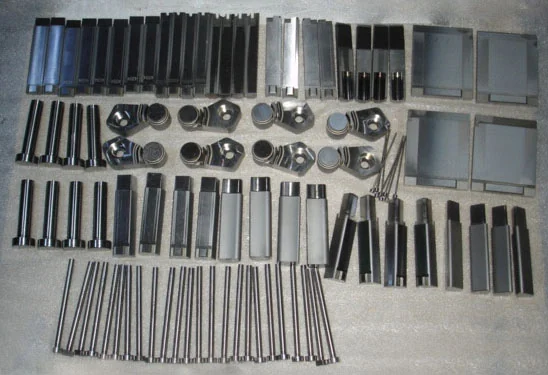
Machined cavity inserts, core pins, slides and mould base components made in the same tool room
What This Category Solves
A worn insert usually means the whole cavity is sent out when only one feature has failed
Replacement components ordered from a drawing rarely fit the tool as built, because the bench corrections were never recorded
Long lead times on spares keep a production tool out of the press
Who It Is For And Where It Is Used
Who buys from this category
- Moulders maintaining their own tools
- Tool rooms outsourcing insert and core pin work
- Buyers who need spares for a tool built here
Typical situations
- Replacing a core pin whose bore has grown, without touching the cavity
- Making a changeable connector insert so a housing tool survives a design change
- Sourcing a matched slide and wear plate set for a tool in production
Core Advantages
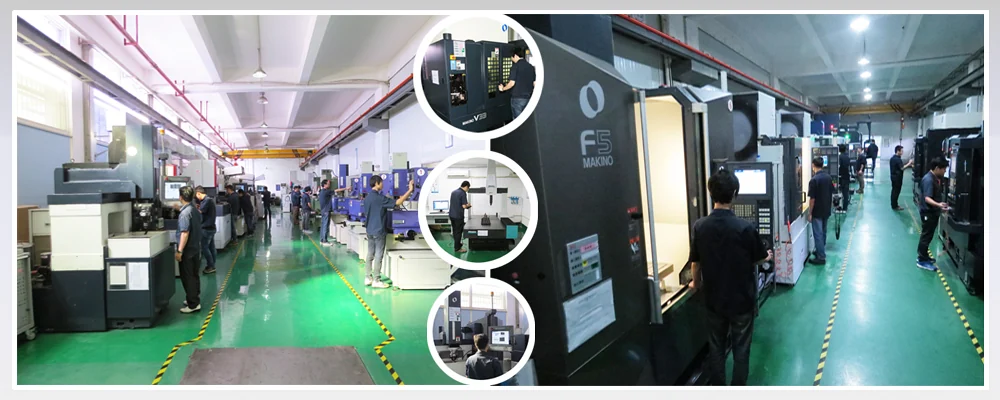
CNC machining, EDM and wire cutting under one roof
Components measured on the image projector before dispatch
Spare component sets packed with every mould we build
Mould Components And Inserts Questions
What buyers ask before choosing from this category.
How do I choose between the moulds in mould components and inserts?
Start with the moulding material and the annual volume. Those two decide the cavity steel and the impression count, which between them are most of the tool price. Everything else follows.
Can a product in this category be built to a different specification?
Yes. Cavity steel, impression count, gate type and mould base standard are all quoted against your part rather than fixed. The specifications shown are what was recorded for that product, not a limit.
Do you supply the moulded parts from these tools as well?
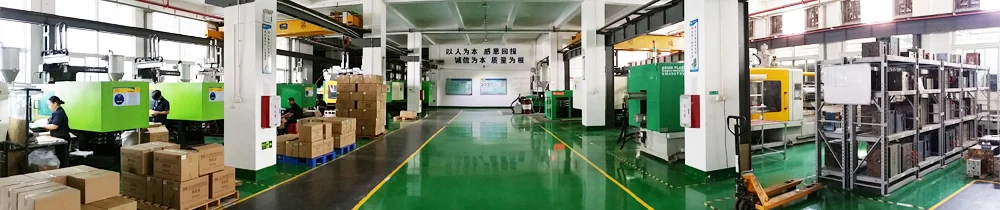
Yes. Injection machines below 600 tons sit on the same site as the tool room, so a tool built here can be run here.
Quote A Mould Components And Insert Project
Send a model, the moulding grade and your annual volume and we will come back with cavity steel, impression count and a measured cycle estimate.